


Secondary sourceArtifact1251 (building); photograph 1955
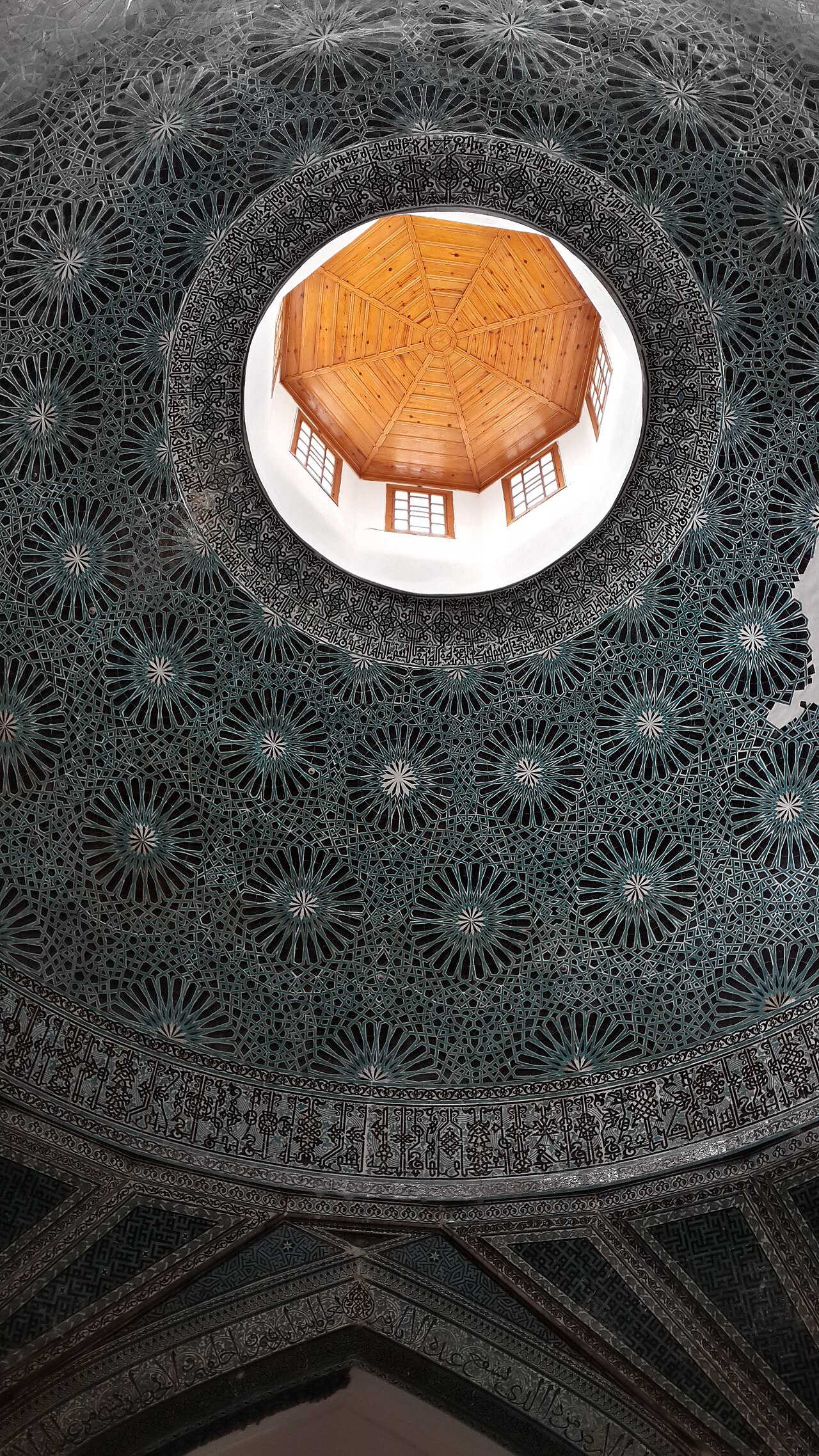
Karatay Madrasah
1251 (building); photograph 1955
A Seljuk college built in Konya in 1251, part of the religious and scholarly world in which Rumi lived and taught.
This Seljuk madrasa in Konya reflects the scholarly and religious world Rumi belonged to as a preacher and teacher.
About this source
What it is
The Karatay Madrasah is a Seljuk-era school, or madrasa, built in Konya, Turkey, founded in 1251 by the vizier Jalal al-Din Qaratay. It has a domed hall decorated with elaborate tilework and since 1954 has served as a museum of Seljuk tile art.
Why it matters
The madrasa belongs to the religious and intellectual culture of Konya in which Rumi was active as a scholar and preacher. According to his biographer Aflaki, such madrasas hosted gatherings of both Sufis and scholars, giving a sense of the setting where Rumi's ideas were discussed and taught.
Look closer
- What do the tilework and inscriptions suggest about the skills and resources devoted to religious education in Konya?
- Why might a school building include a burial chamber for its founder?
- What does the survival of this building tell us about what mattered to the people who built it?
This artifact is part of the curated material that grounds the AI version of Rumi (Jalāl ad-Dīn Muhammad Rūmī) on Humy.ai — when students ask about related events, the AI can quote it and cite it.
More Rumi (Jalāl ad-Dīn Muhammad Rūmī) sources
Meet the AI Rumi (Jalāl ad-Dīn Muhammad Rūmī) →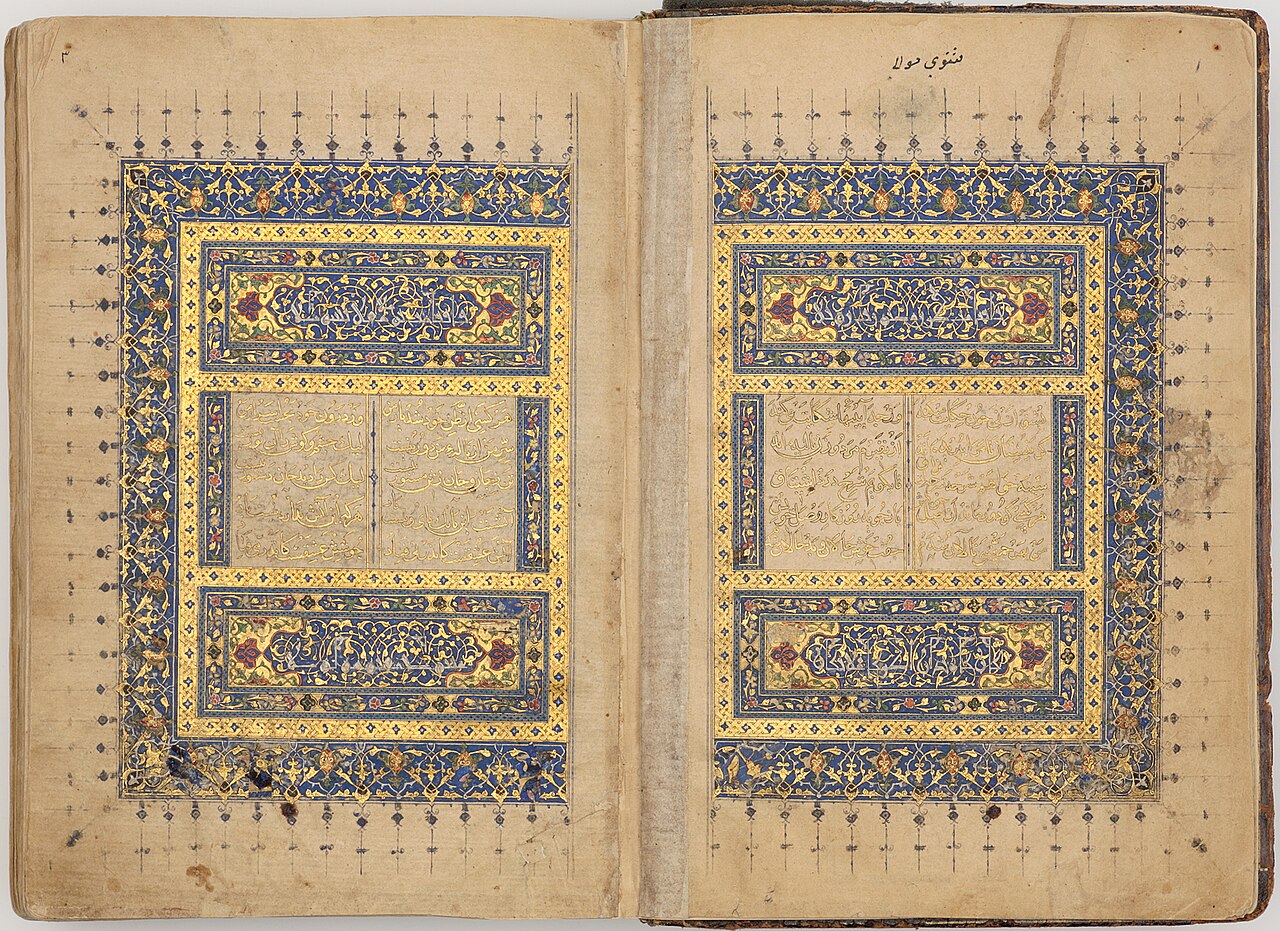 Book
Primary source
Masnavi
Rumi · c. 1258-1273
 Book
Primary source
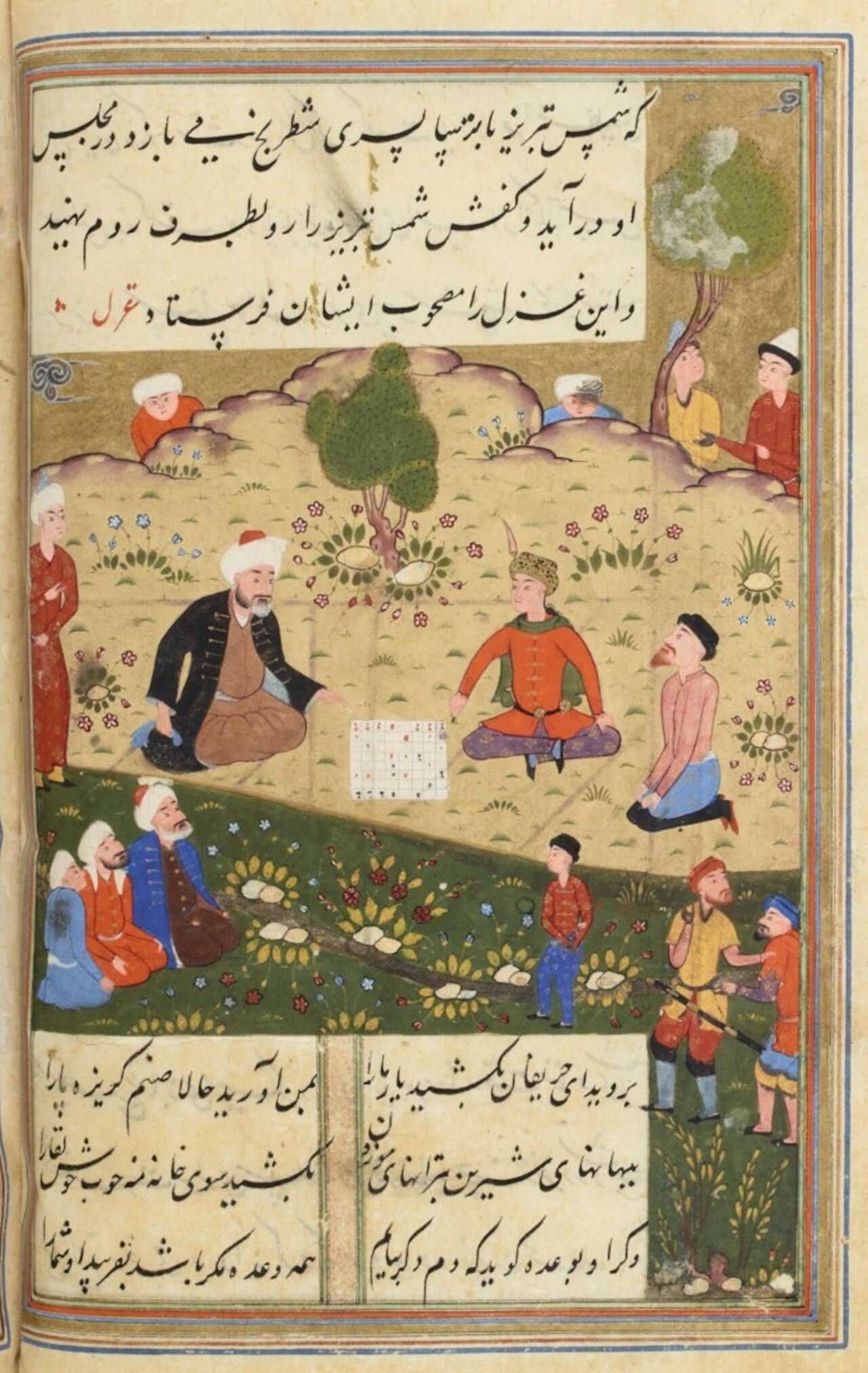
Diwan-e Shams-e Tabrizi
Rumi · c. 1247 onward
 Artifact
Secondary source
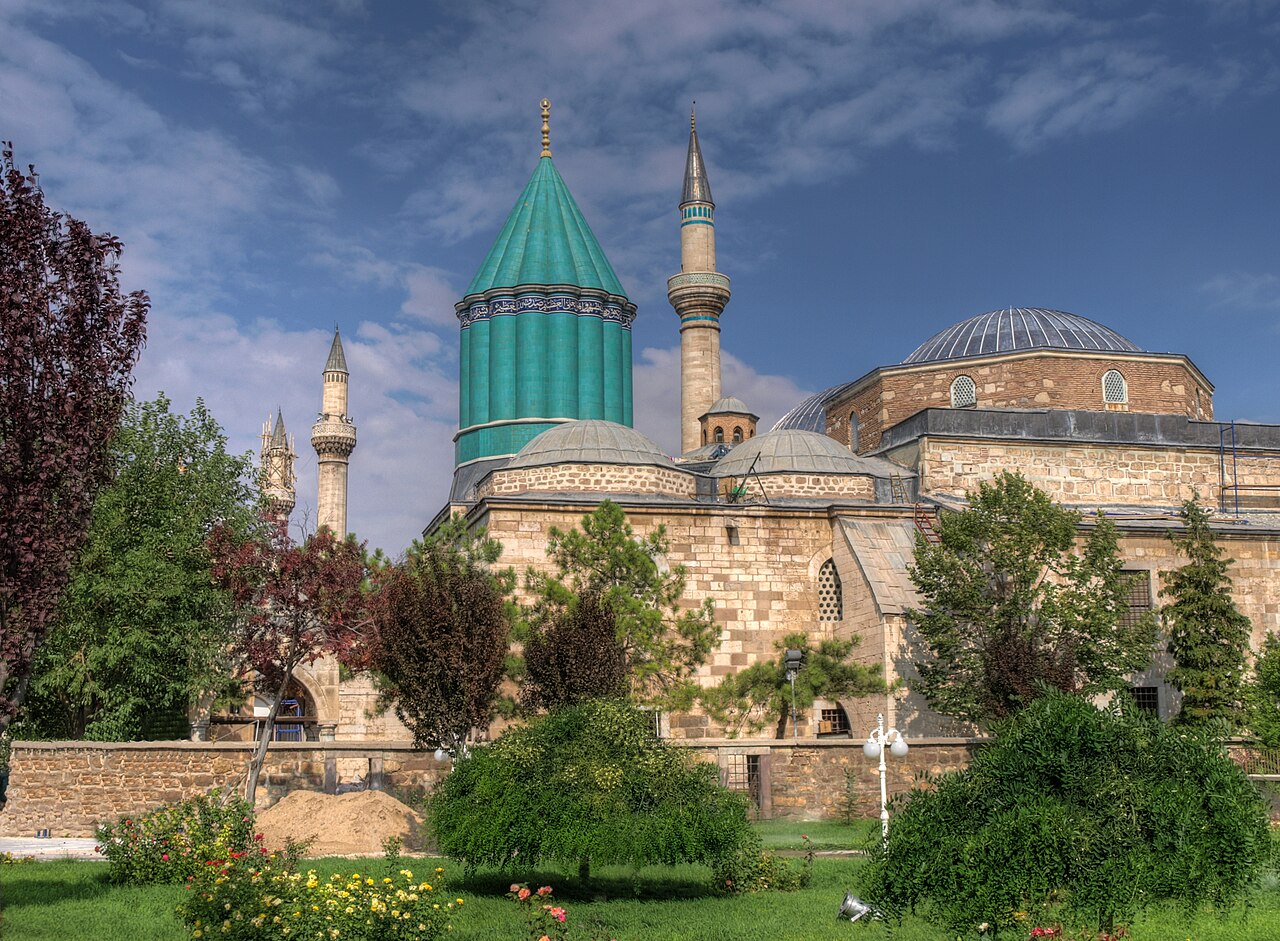
Grave of Rumi
soon after 1273
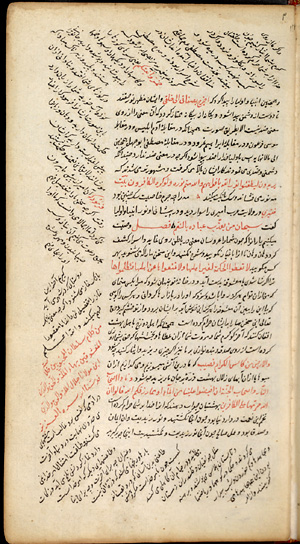 Book
Primary source
Fihi Ma Fihi
Rumi · c. 1260-1273
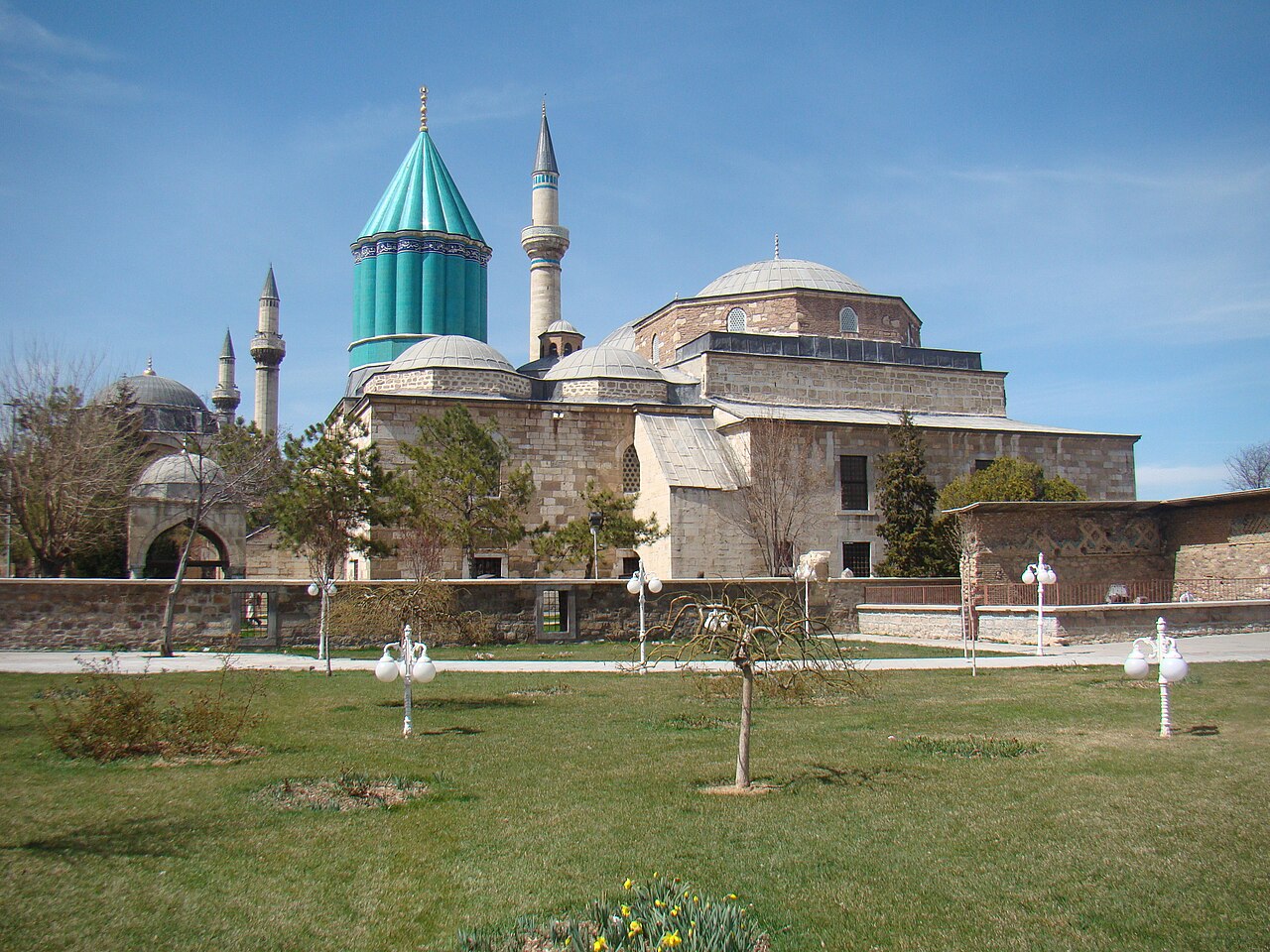 Artifact
Secondary source
Mevlâna Museum
Badr al-Din Tabrizi (architect) · built soon after 1273; museum since 1926
Ready when you are
Start chatting with Rumi (Jalāl ad-Dīn Muhammad Rūmī) now.
20 messages free · No credit card · Available in 50+ languages.