


Secondary sourcePainting1788
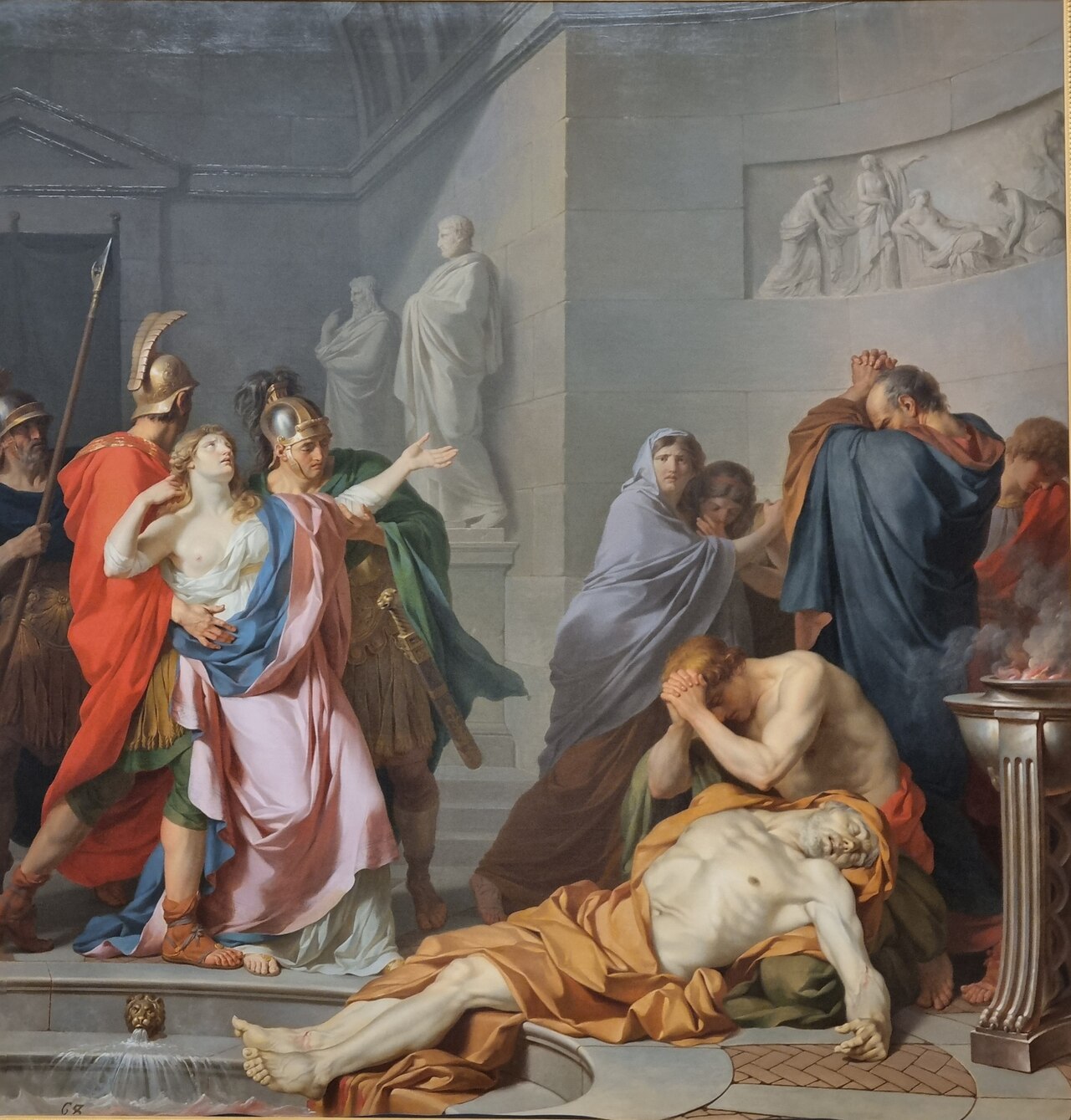
La mort de Sénèque
Jean-Charles Nicaise Perrin · 1788
An 1788 neoclassical painting by Jean-Charles Nicaise Perrin, held in Dijon, showing the death of Seneca in a stone hall with soldiers and mourners.
Seneca is the subject of this later neoclassical painting of his death, showing how an eighteenth-century artist staged his final scene.
About this source
What it is
This is La mort de Sénèque, a painting by Jean-Charles Nicaise Perrin dated 1788. It is held in Dijon. It shows an elderly man lying nude on the floor, draped in orange cloth, with a bearded man kneeling beside him. Women in robes and armed soldiers in helmets stand in a stone hall with statues and a relief, and a brazier smokes at right.
Why it matters
Seneca was a Roman Stoic philosopher and statesman who died in 65 CE. Perrin painted his death more than seventeen centuries later, in the neoclassical style of the late eighteenth century. This style looked back to ancient Rome for its models of virtue and courage. The painting therefore reveals how people in Perrin's time understood Roman history and the ideals of a noble death.
Look closer
- What do the statues, relief and soldiers tell you about the setting?
- Why might the painter show the dying man nude, and how does the kneeling man react?
- What might this picture leave out about Seneca's real life and thinking?
This painting is part of the curated material that grounds the AI version of Seneca on Humy.ai — when students ask about related events, the AI can quote it and cite it.
More Seneca sources
Meet the AI Seneca →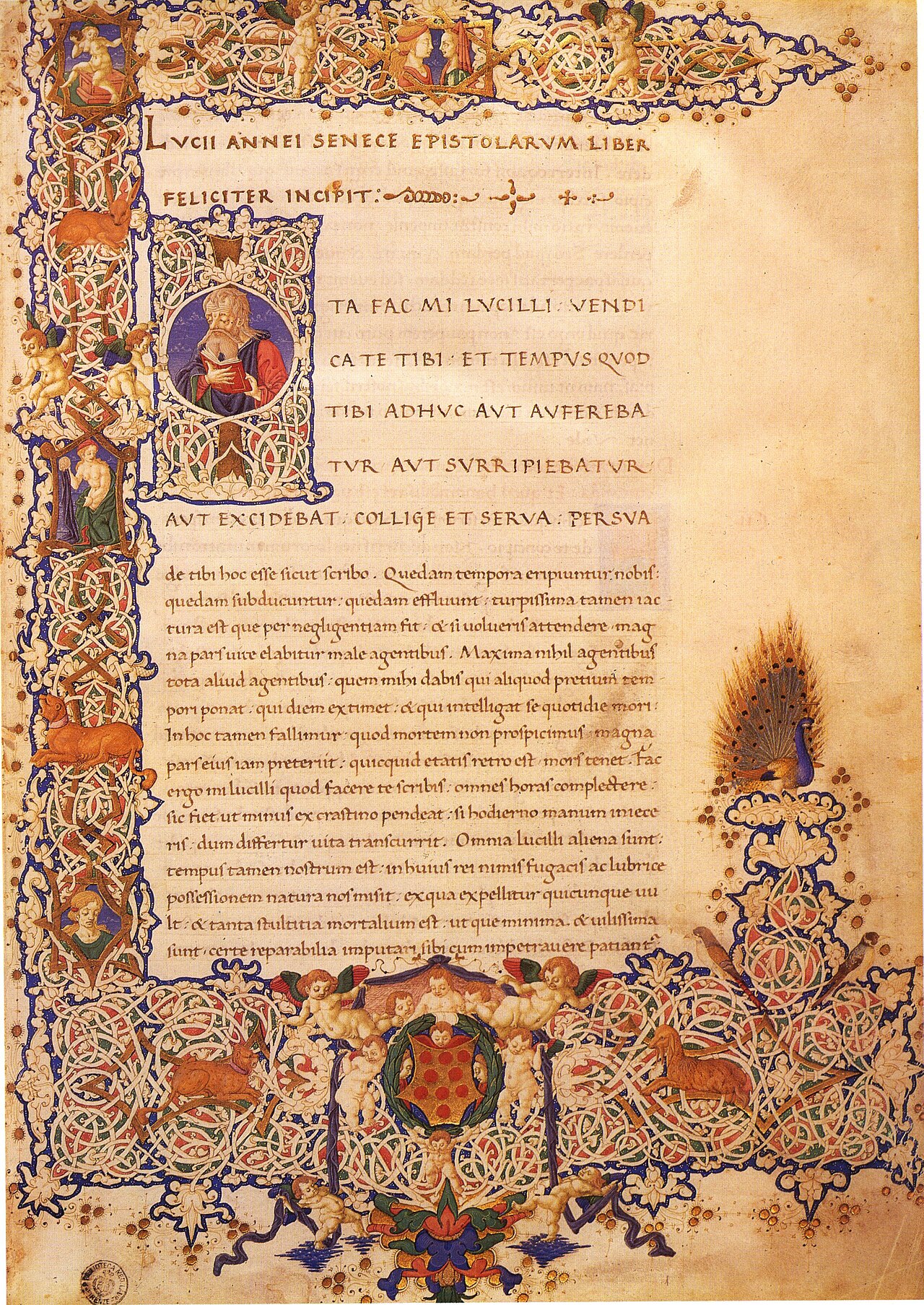 Letter
Primary source
Epistulae Morales ad Lucilium
Seneca · c. 62-65 CE
 Book
Primary source
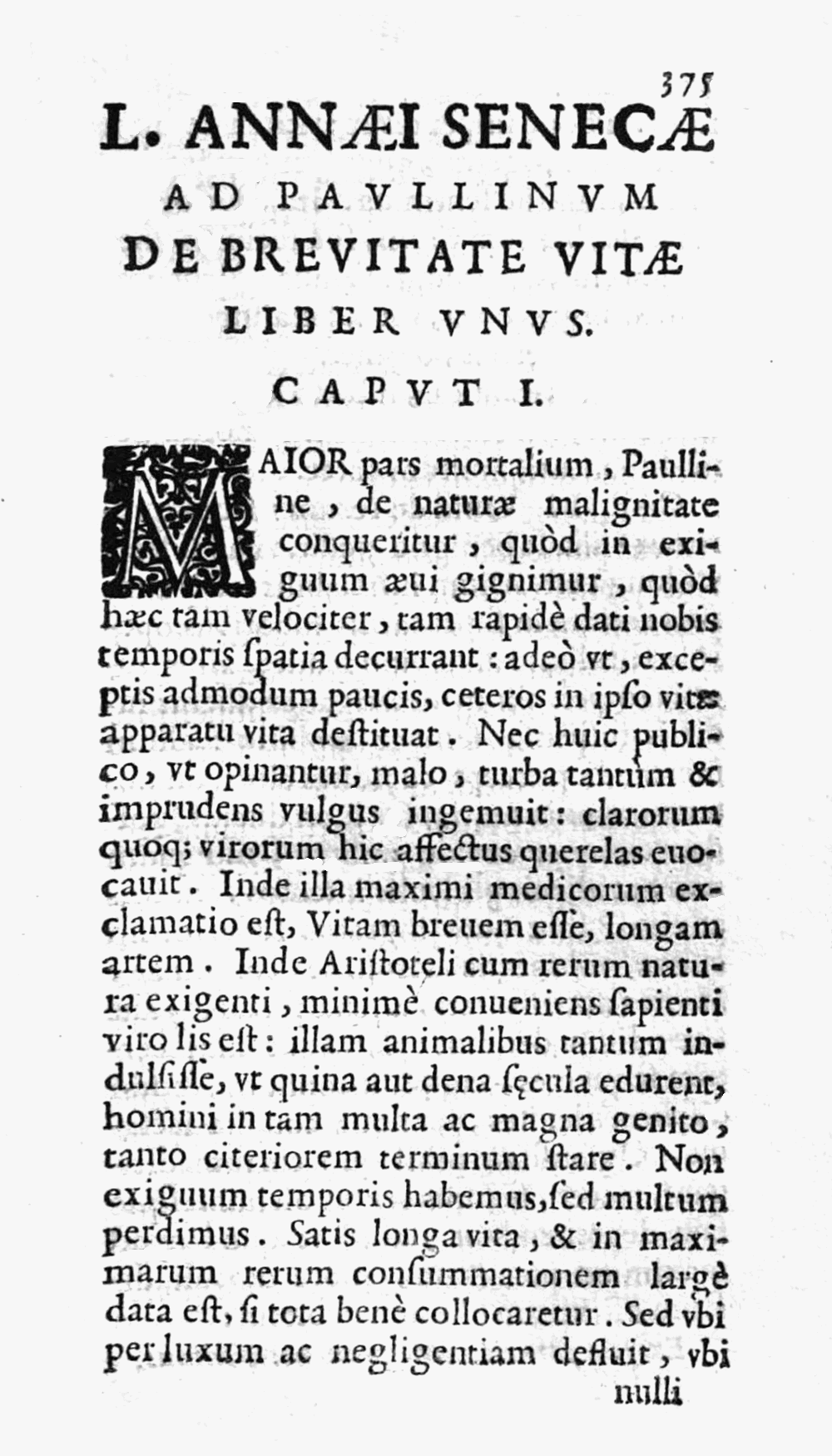
De Brevitate Vitae
Seneca · c. 49 CE
 Book
Secondary source
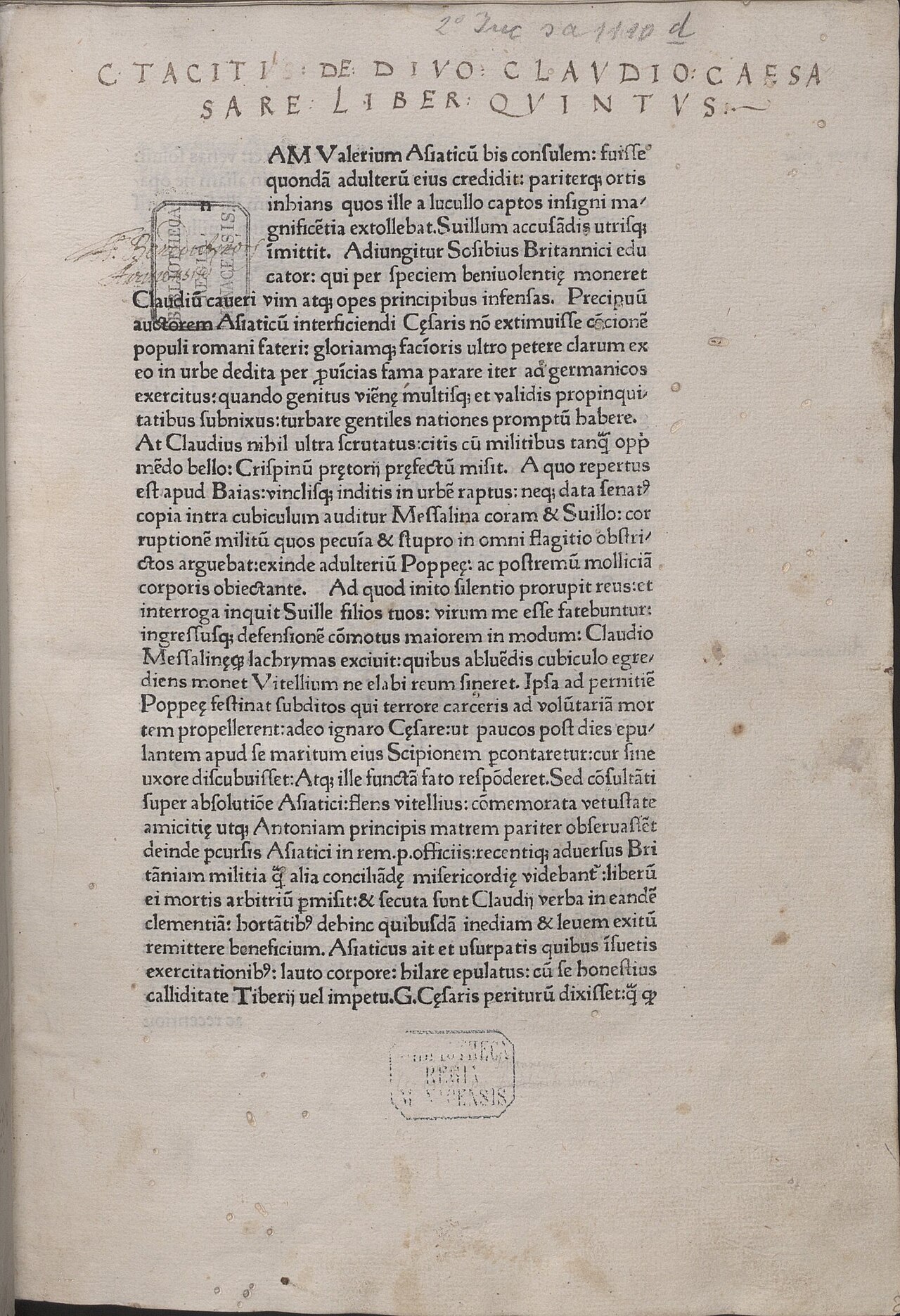
Annals
Tacitus · c. AD 116 or later
 Book
Primary source
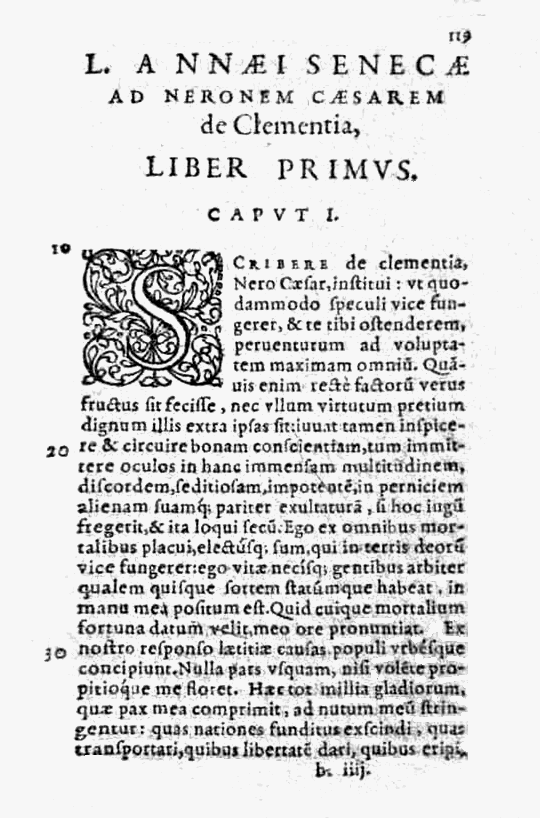
De Clementia
Seneca · 55-56 CE
 Sculpture
Secondary source
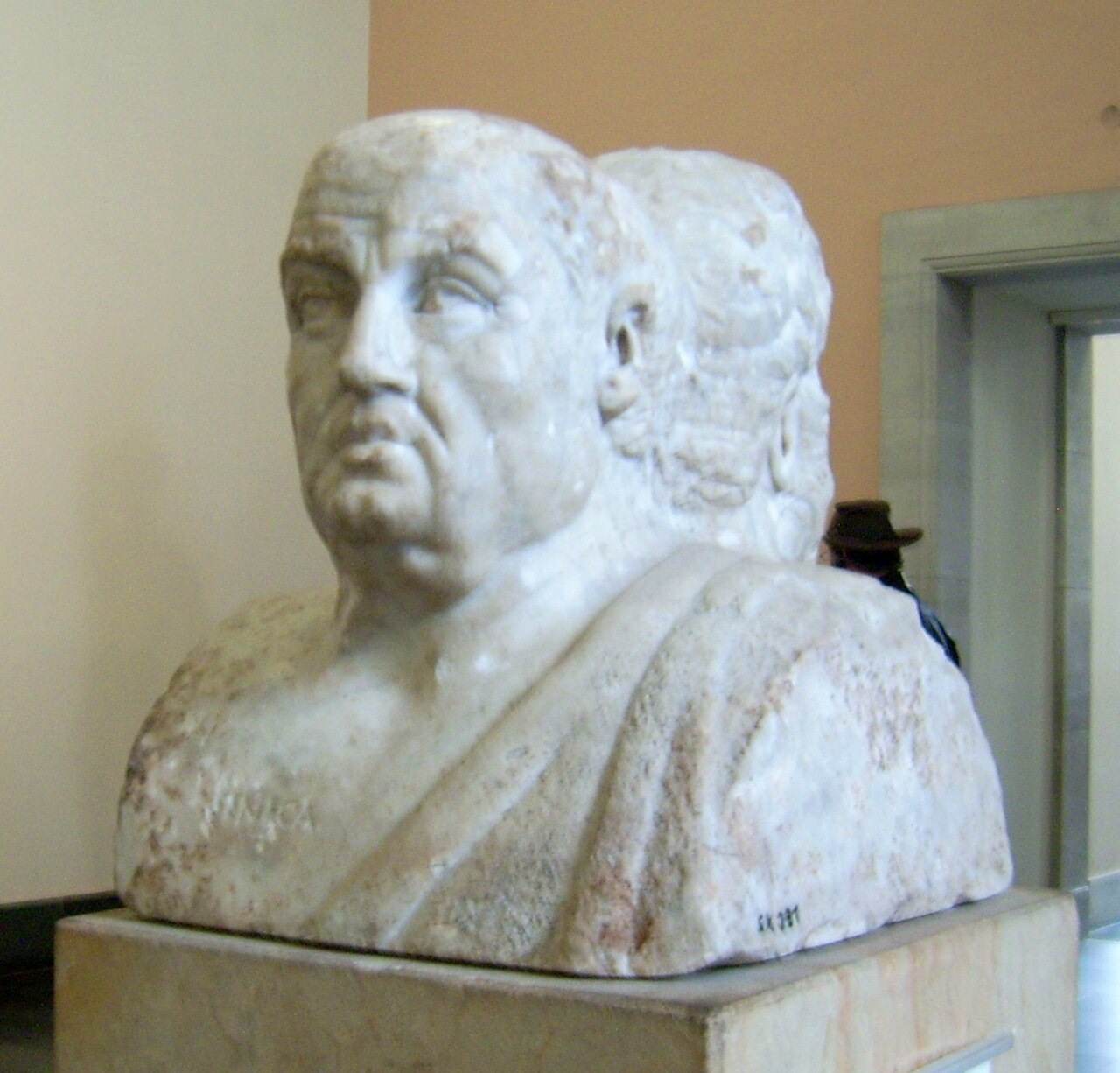
Double Herm of Socrates and Seneca
first half of the 3rd century AD
Ready when you are
Start chatting with Seneca now.
20 messages free · No credit card · Available in 50+ languages.