


Primary sourceDocument7th century BCE
Library of Ashurbanipal
7th century BCE
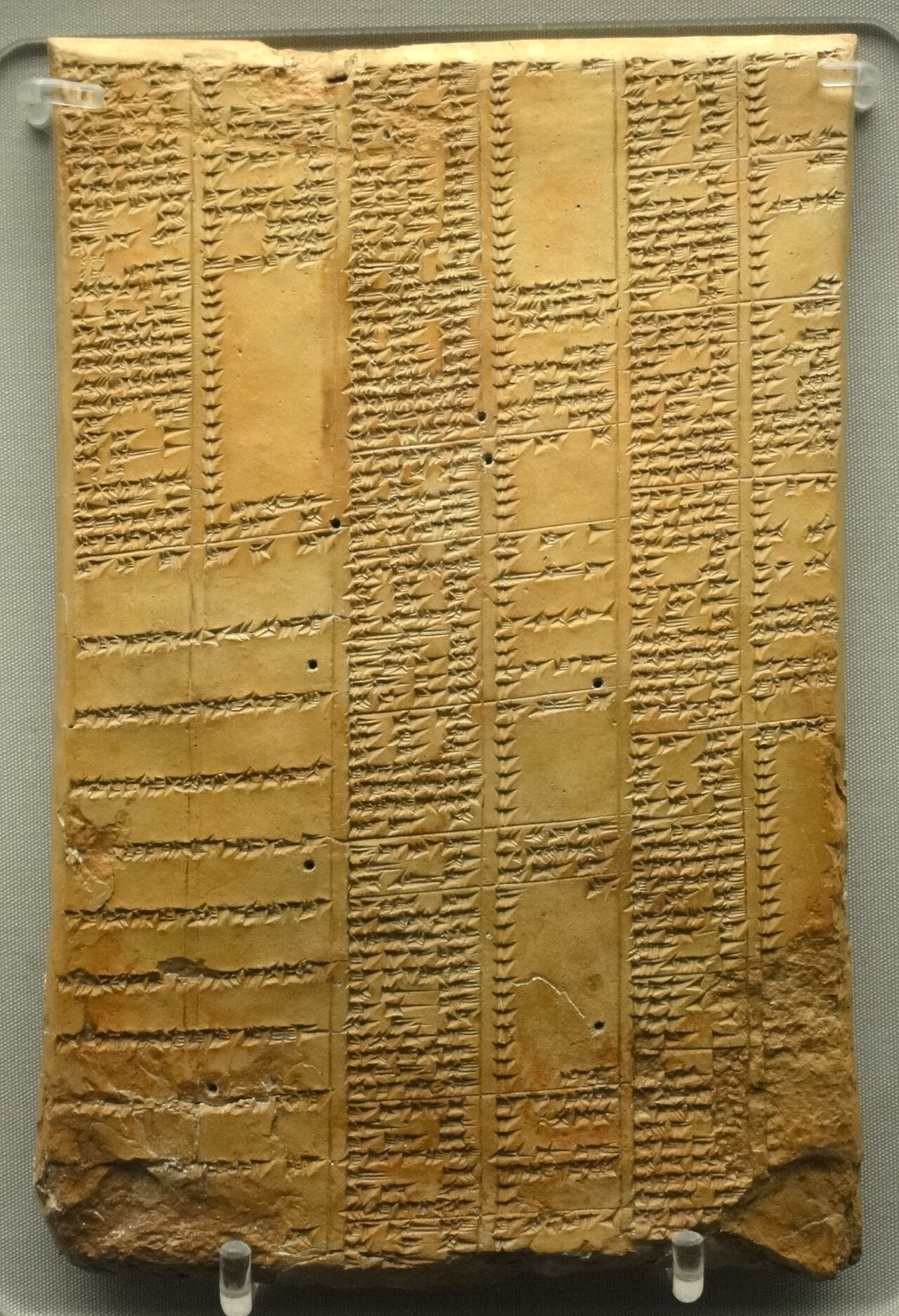
The surviving collection of over 30,000 clay tablets and fragments gathered by Ashurbanipal at Nineveh.
This library was deliberately assembled by Ashurbanipal, showing his role as a scholar-king and collector of texts.
About this source
What it is
The Library of Ashurbanipal is a collection of more than 30,000 clay tablets and fragments from the 7th century BCE, found at Nineveh (modern Mosul, Iraq) and now mostly held by the British Museum. It was discovered by Austen Henry Layard and his assistant Hormuzd Rassam.
Why it matters
Ashurbanipal was both a fierce military commander and a literate collector who sent scribes across his empire to copy texts, including works from Babylonian sources. The library held legal records, letters, divination texts, medical and astronomical writings, and literary works including the Epic of Gilgamesh. It is one of the richest surviving sources for understanding life in the ancient Near East.
Look closer
- Why might a powerful king be so interested in collecting divination and ritual texts?
- What does the mix of legal, religious, medical and literary texts tell you about what mattered to Assyrian society?
- Why is it now difficult for historians to know exactly what was in the original library?
This document is part of the curated material that grounds the AI version of Ashurbanipal on Humy.ai — when students ask about related events, the AI can quote it and cite it.
More Ashurbanipal sources
Meet the AI Ashurbanipal →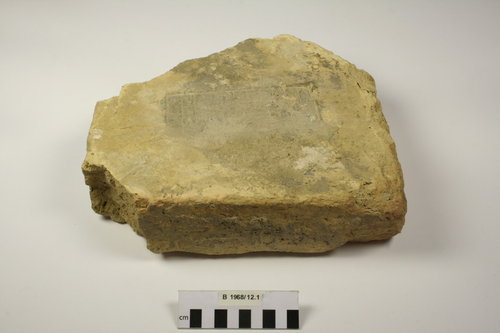 Artifact
Primary source
Baked Brick Naming King Ashurbanipal
7th century BCE
 Sculpture
Primary source
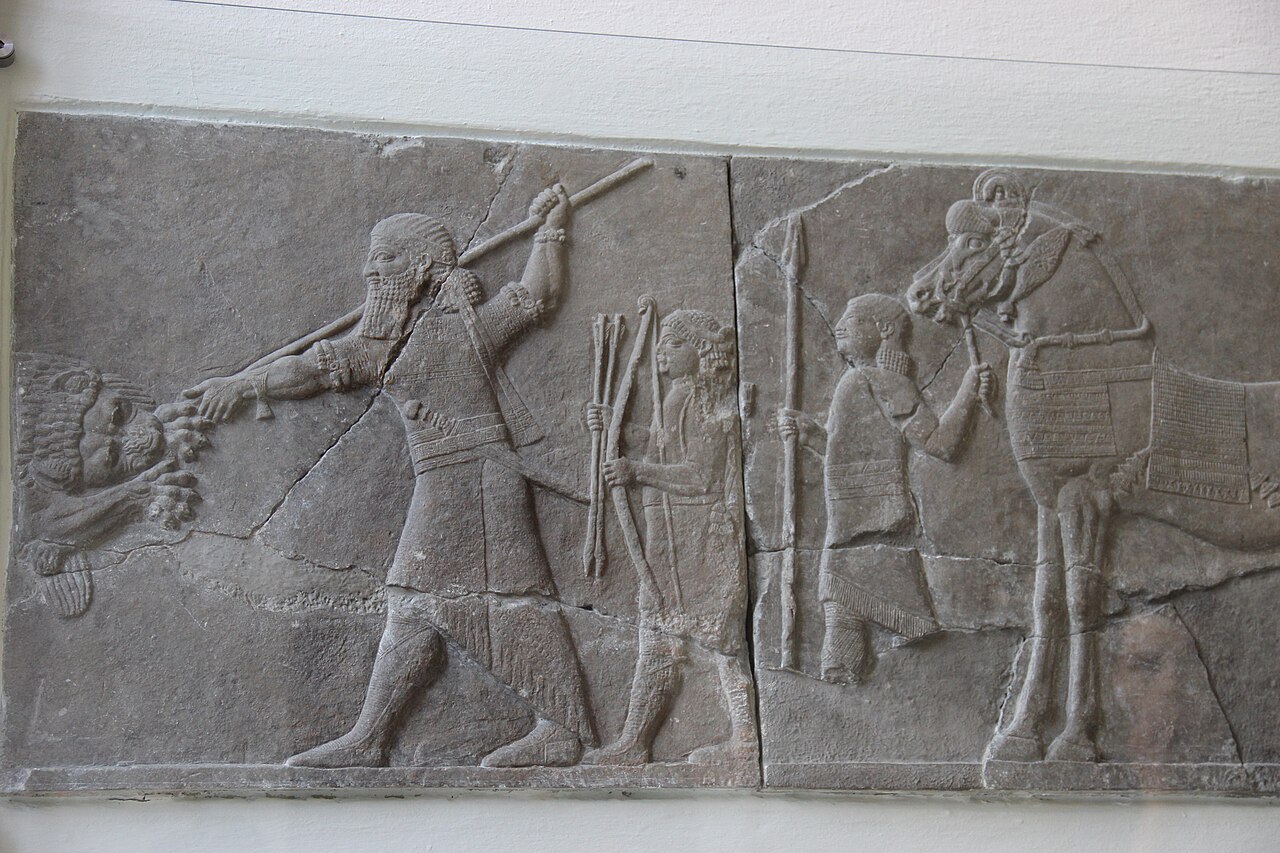
Lion Hunt of Ashurbanipal
Assyrian royal sculptors · c. 645–635 BCE
 Document
Primary source
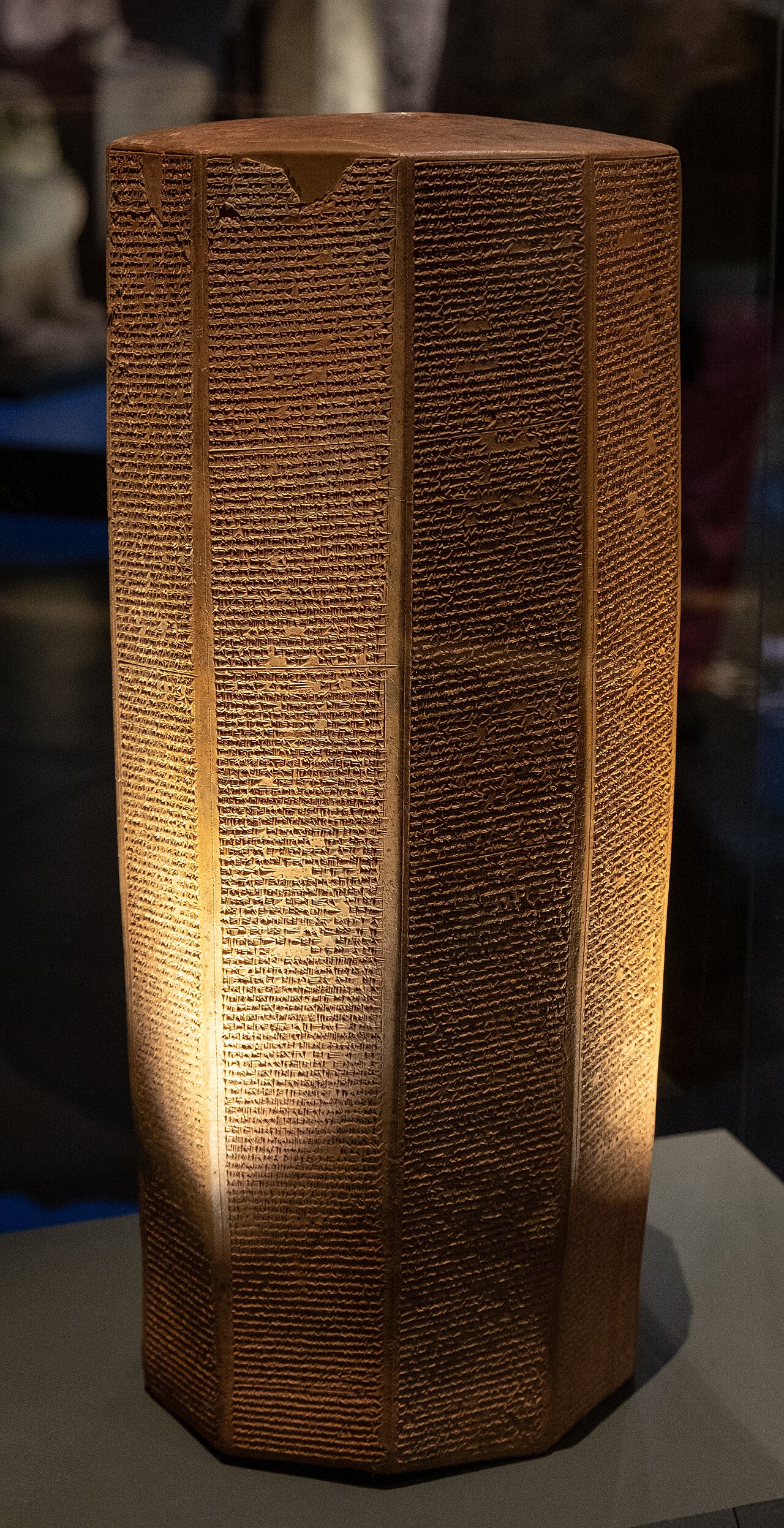
Rassam Prism of Ashurbanipal
643 BCE
 Painting
Secondary source
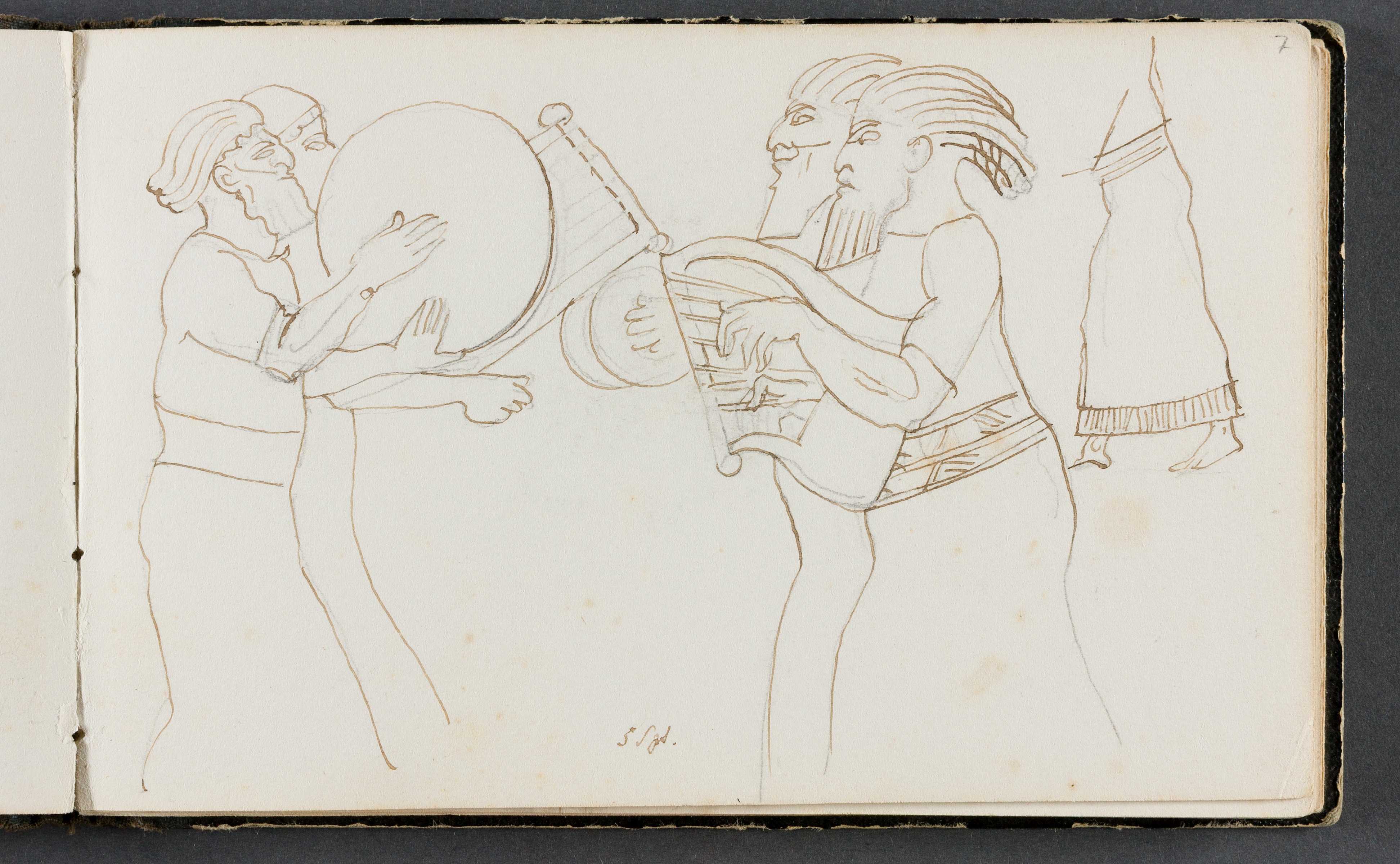
Relief with Musicians from the Palace of Ashurbanipal in Nineveh
 Document
Primary source
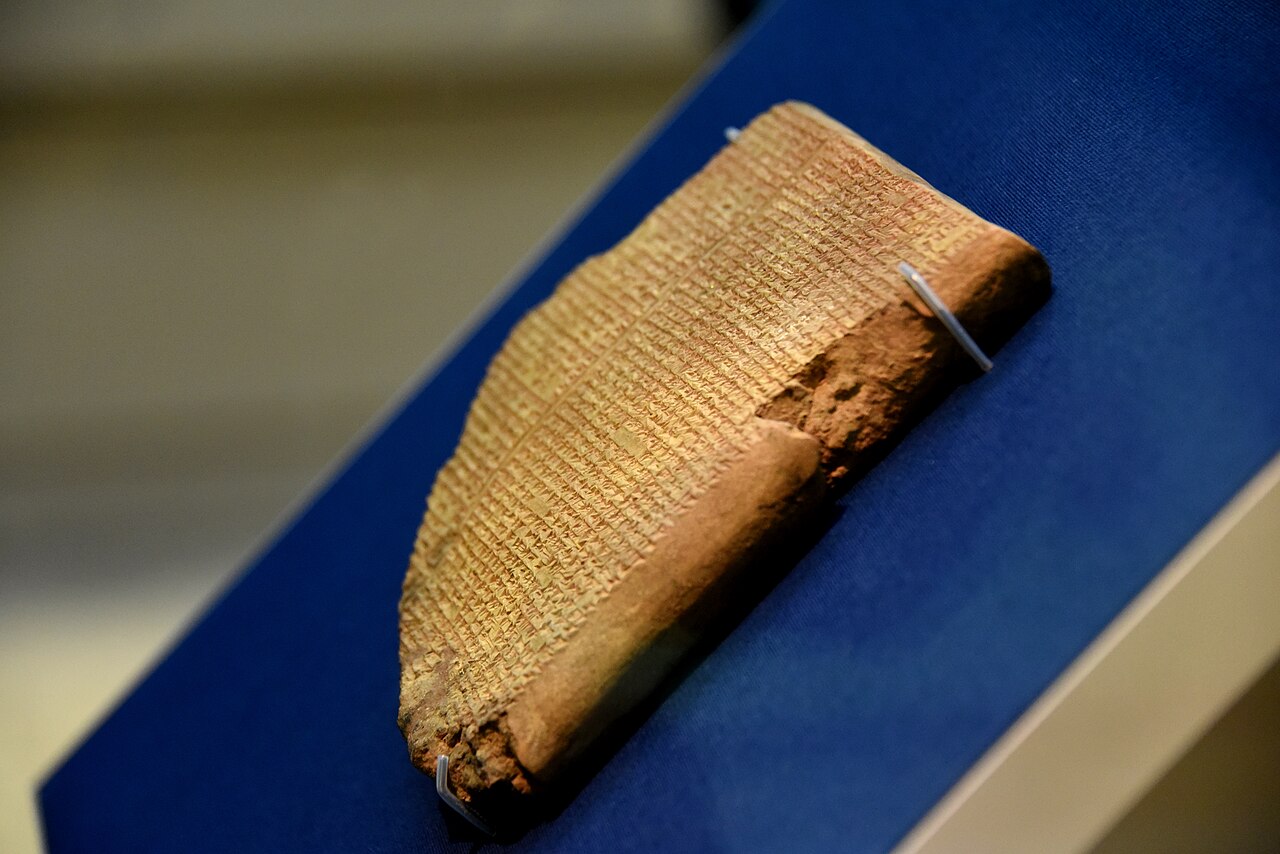
Flood Tablet
Scribes of Ashurbanipal's library · 7th century BCE
Ready when you are
Start chatting with Ashurbanipal now.
20 messages free · No credit card · Available in 50+ languages.