


Primary sourceDocument650-627 BC
Limestone Building Inscription of Ashurbanipal
Ashurbanipal · 650-627 BC
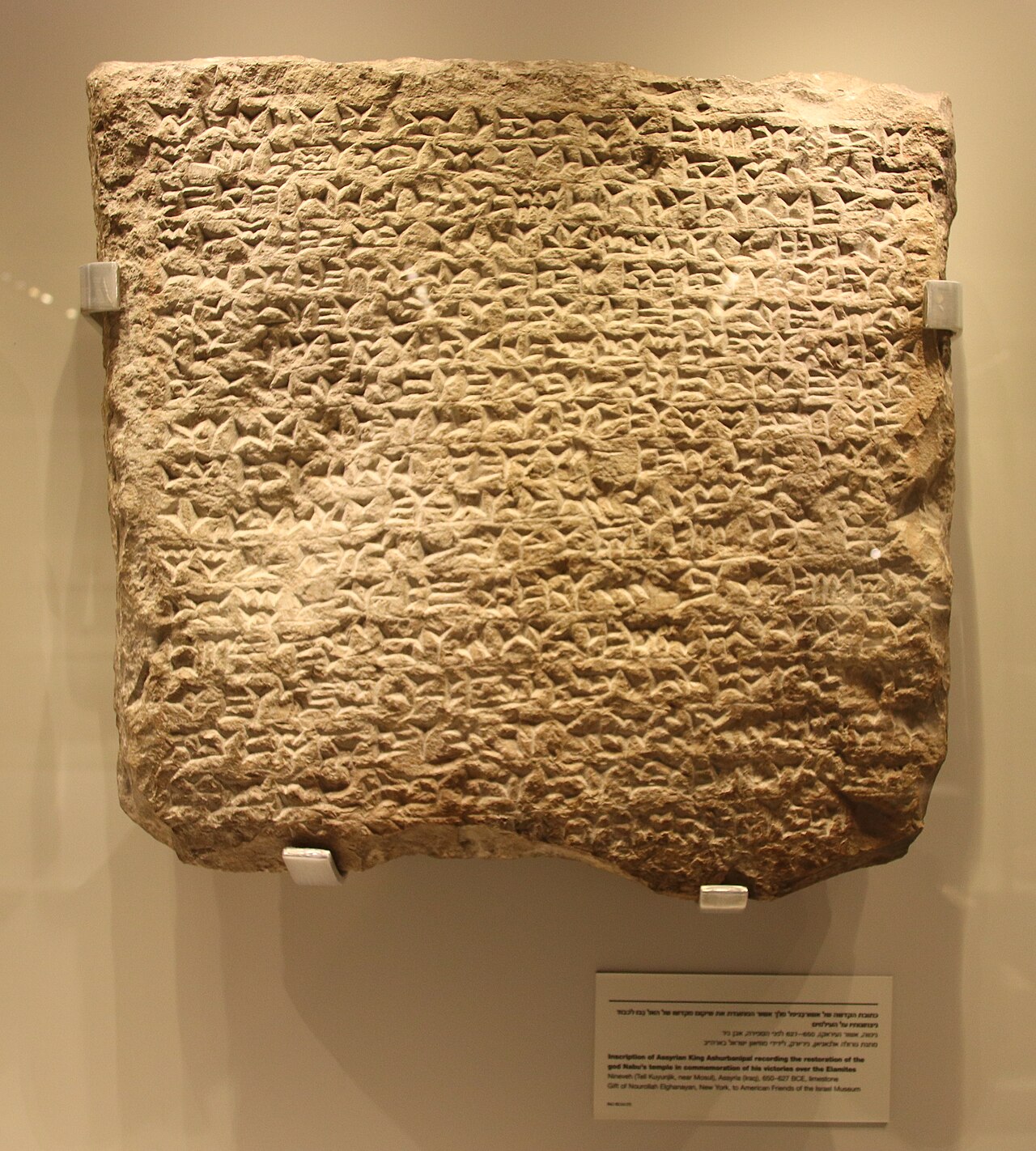
A limestone tablet inscribed in cuneiform in the name of King Ashurbanipal, recording his building work at Nineveh.
This inscription was issued in Ashurbanipal's own name, recording his construction work at Nineveh.
About this source
What it is
This is a rectangular limestone tablet covered in rows of cuneiform writing. It dates to around 650-627 BC and comes from Nineveh. It is now held at the Israel Museum in Jerusalem.
Why it matters
Building inscriptions like this were written in the king's own name to record construction projects. This example records Ashurbanipal's building activity at Nineveh, the Assyrian capital, giving direct evidence of his role as a builder of palaces and monuments.
Look closer
- What might the repeated rows of cuneiform signs be recording?
- Why would a king want his building work permanently inscribed in stone?
- What parts of the inscription's meaning are lost if you cannot read cuneiform?
This document is part of the curated material that grounds the AI version of Ashurbanipal on Humy.ai — when students ask about related events, the AI can quote it and cite it.
More Ashurbanipal sources
Meet the AI Ashurbanipal →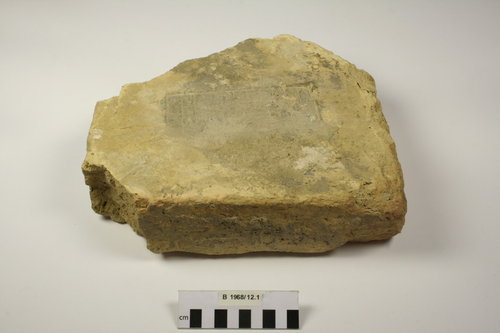 Artifact
Primary source
Baked Brick Naming King Ashurbanipal
7th century BCE
 Sculpture
Primary source
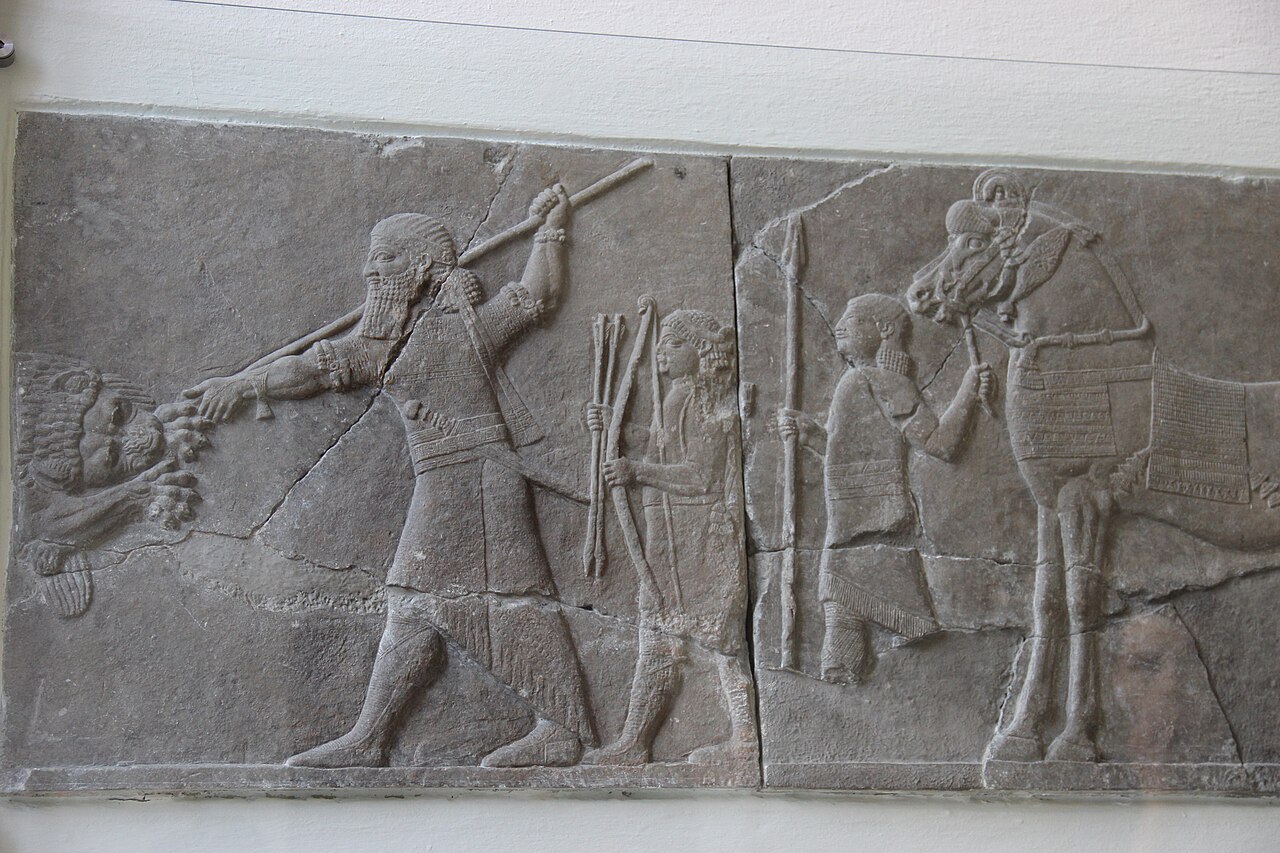
Lion Hunt of Ashurbanipal
Assyrian royal sculptors · c. 645–635 BCE
 Document
Primary source
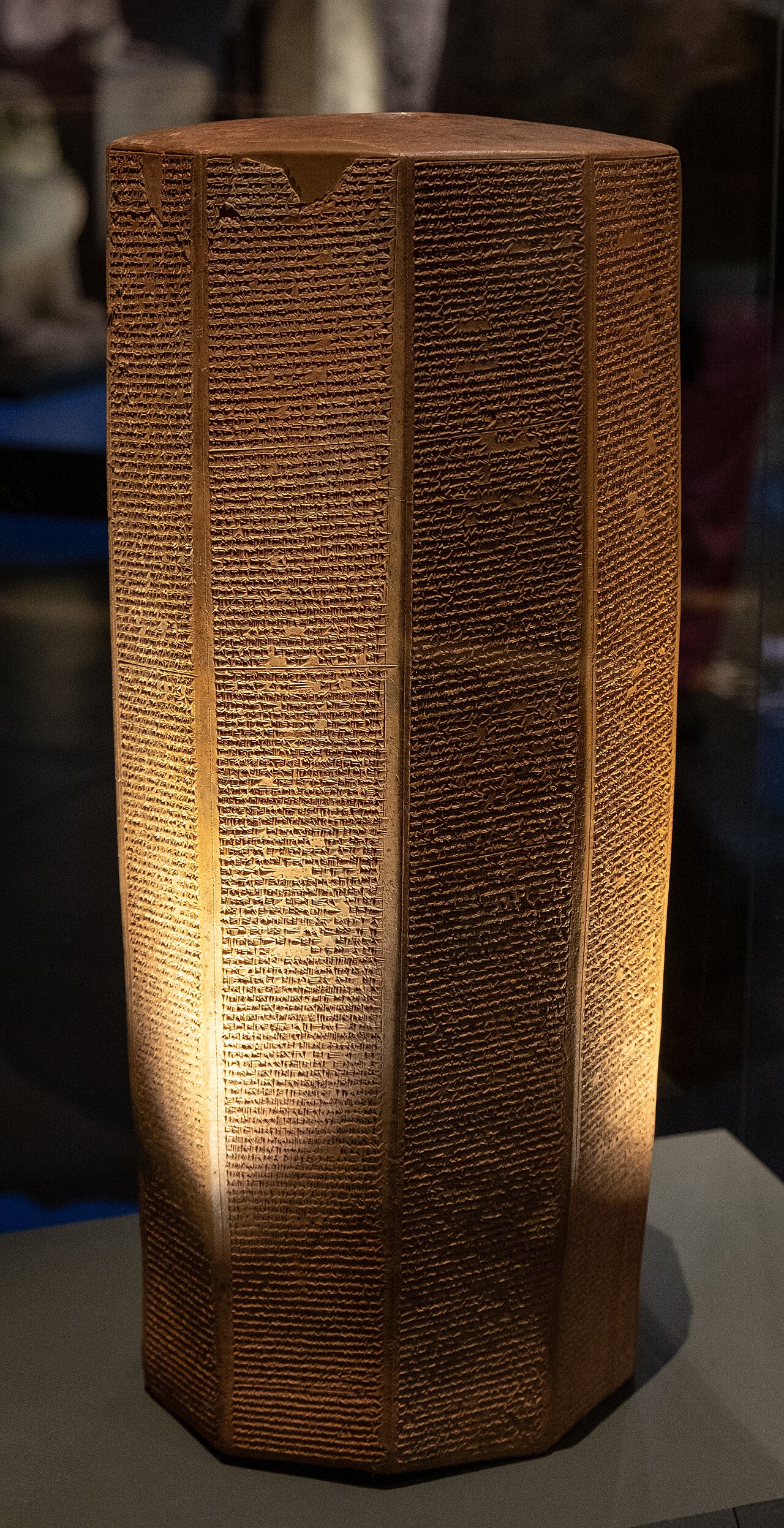
Rassam Prism of Ashurbanipal
643 BCE
 Painting
Secondary source
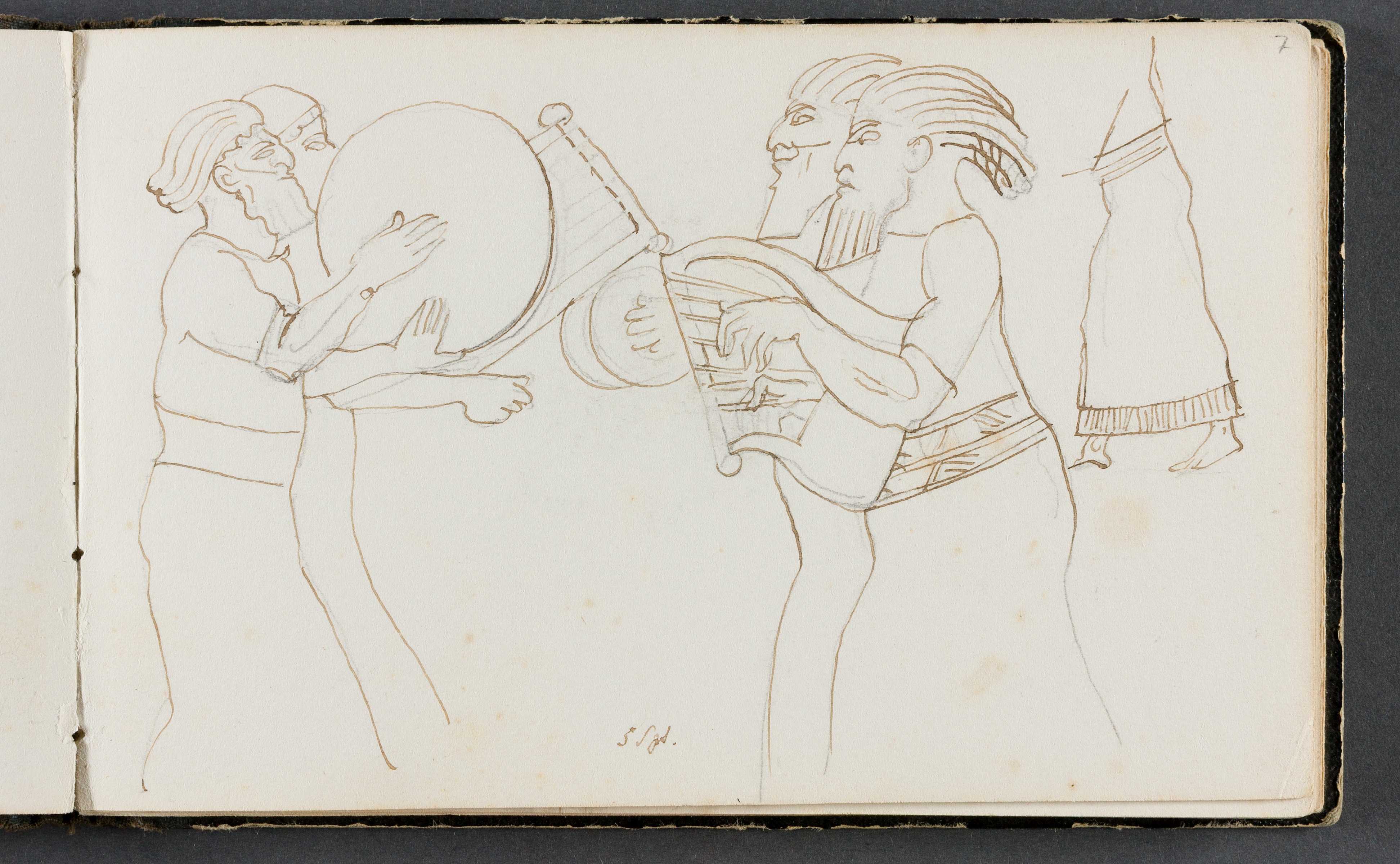
Relief with Musicians from the Palace of Ashurbanipal in Nineveh
 Document
Primary source
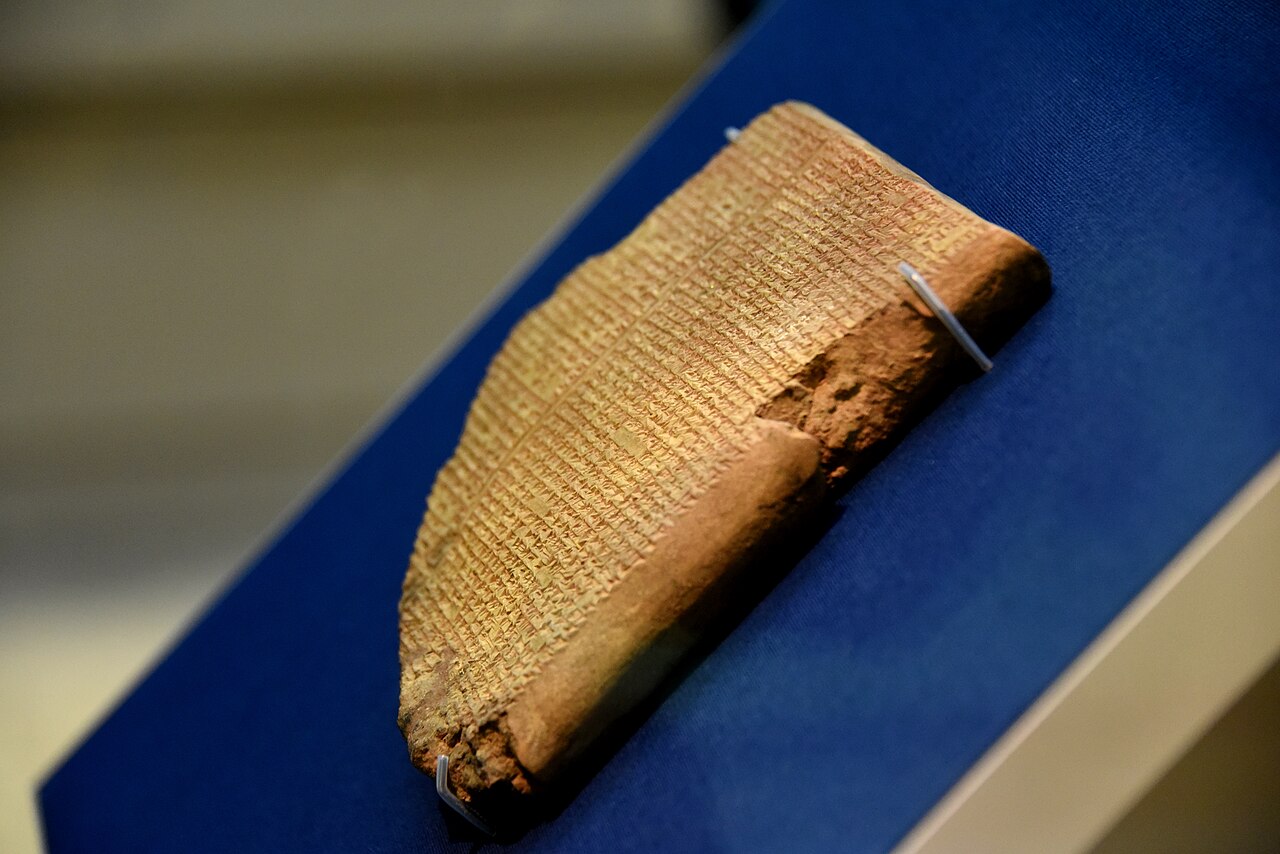
Flood Tablet
Scribes of Ashurbanipal's library · 7th century BCE
Ready when you are
Start chatting with Ashurbanipal now.
20 messages free · No credit card · Available in 50+ languages.