


Primary sourceSculpture7th century BCE
Lion-Hunt Relief of Ashurbanipal with Groom
7th century BCE
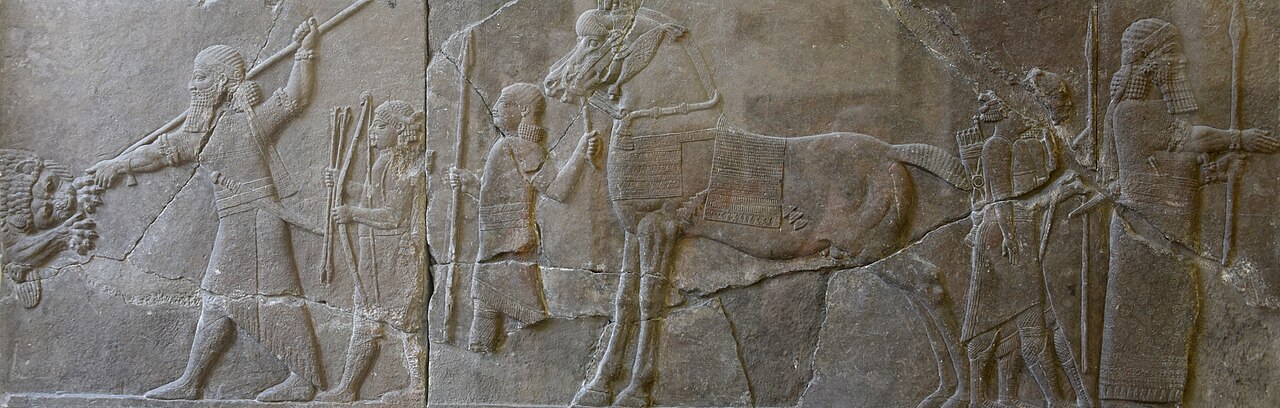
A 7th-century BCE stone relief from Nineveh showing Ashurbanipal in ceremony and hunting a lion.
This palace relief shows Ashurbanipal both in ceremony and hunting a lion, images made to display his royal power.
About this source
What it is
This stone relief panel from the North Palace at Nineveh, Iraq, dates to the 7th century BCE. It shows Ashurbanipal in a ceremonial pose on the right, with a groom leading his horse, and on the left a lion-hunt scene in which the king spears a leaping lion, assisted by an Elamite attendant carrying a bow and arrows. It is now in the Pergamon Museum, Berlin.
Why it matters
These palace reliefs were made for Ashurbanipal to display his strength and courage to everyone who entered his palace. The lion hunt was a traditional way for Assyrian kings to show royal power, and the attendants shown around him reveal how the king relied on others even in staged shows of bravery.
Look closer
- Why combine a calm ceremonial scene with a violent hunting scene on the same panel?
- What does the presence of attendants tell you about how 'real' this hunt might have been?
- Who do you think these reliefs were made to impress?
This sculpture is part of the curated material that grounds the AI version of Ashurbanipal on Humy.ai — when students ask about related events, the AI can quote it and cite it.
More Ashurbanipal sources
Meet the AI Ashurbanipal →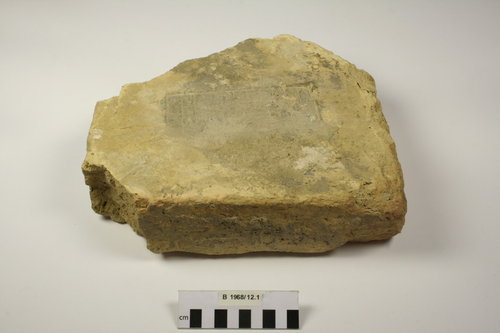 Artifact
Primary source
Baked Brick Naming King Ashurbanipal
7th century BCE
 Sculpture
Primary source
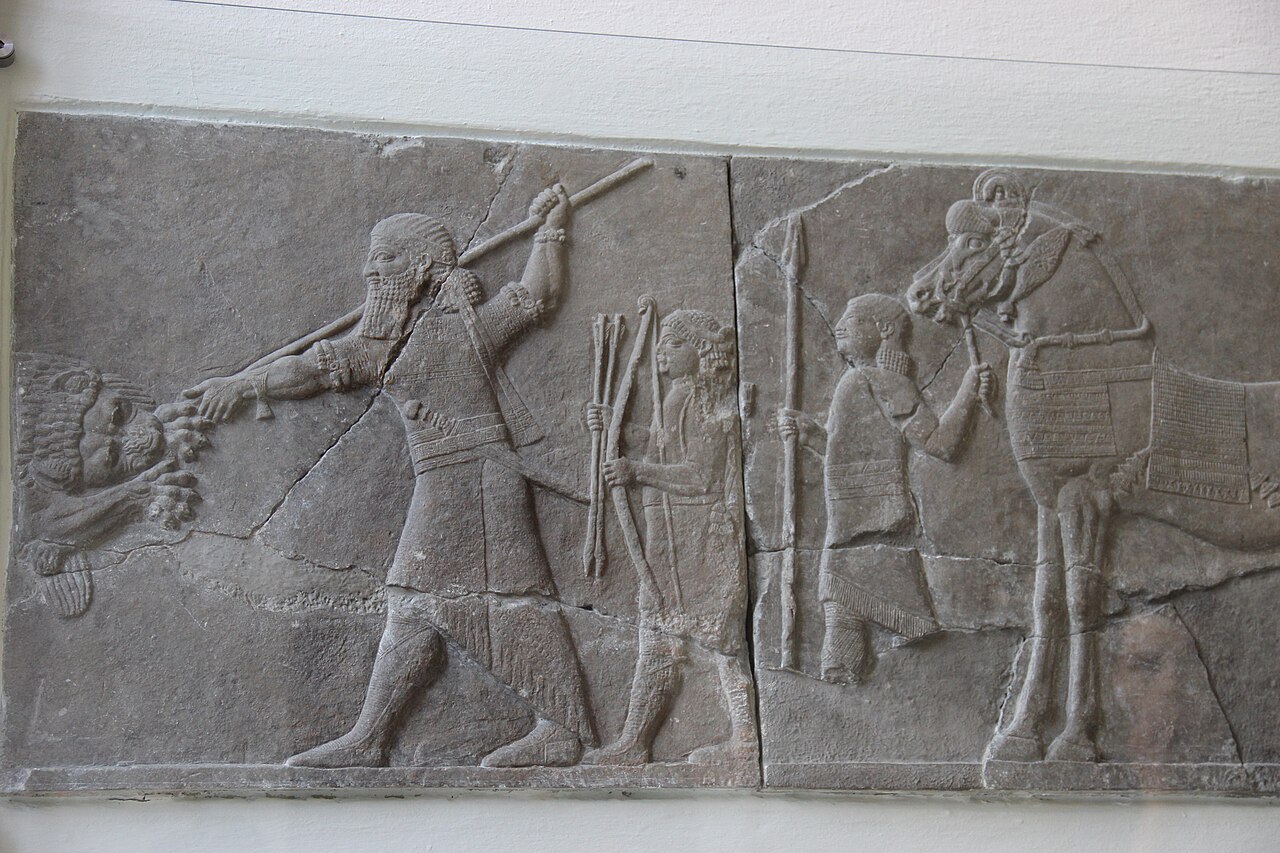
Lion Hunt of Ashurbanipal
Assyrian royal sculptors · c. 645–635 BCE
 Document
Primary source
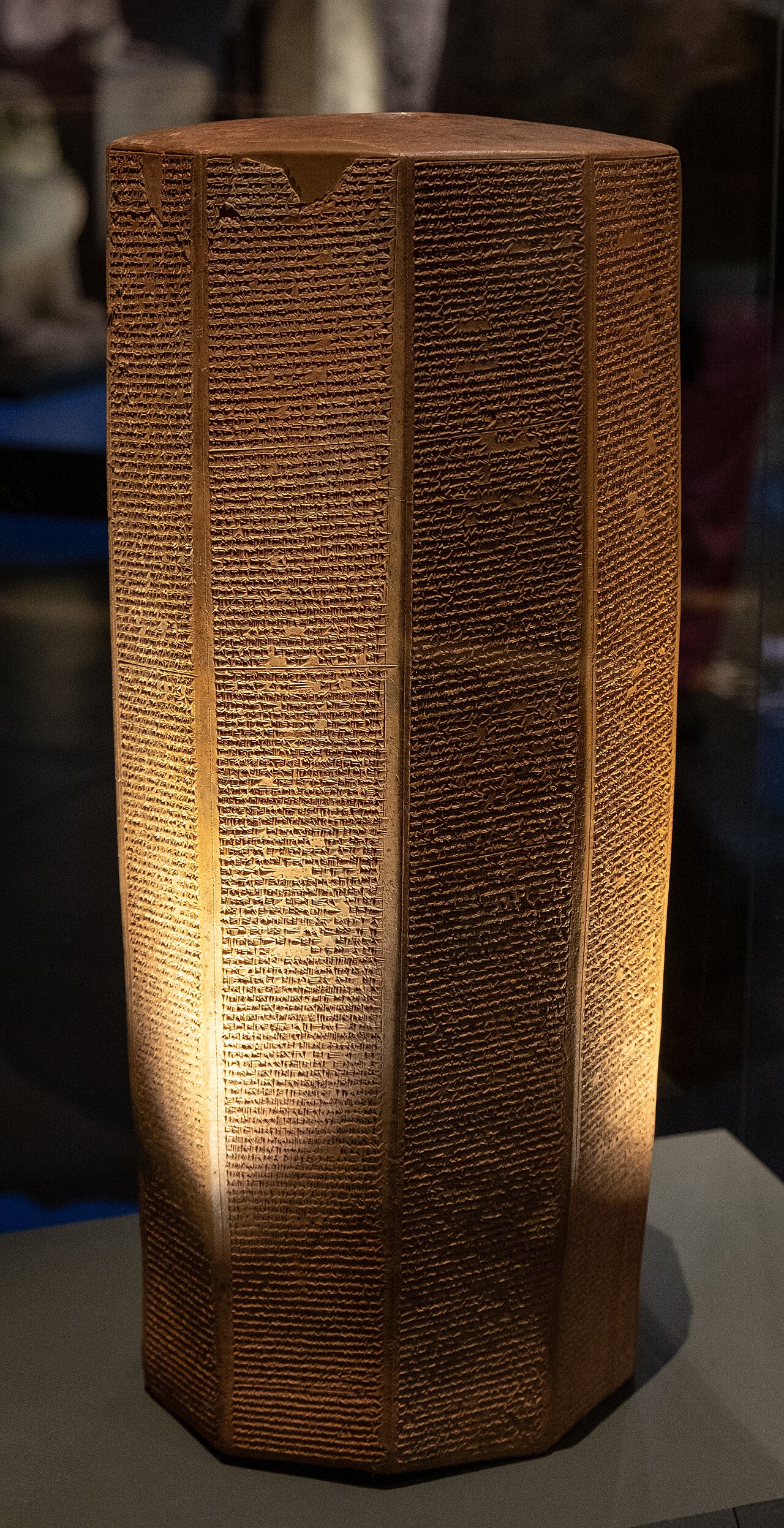
Rassam Prism of Ashurbanipal
643 BCE
 Painting
Secondary source
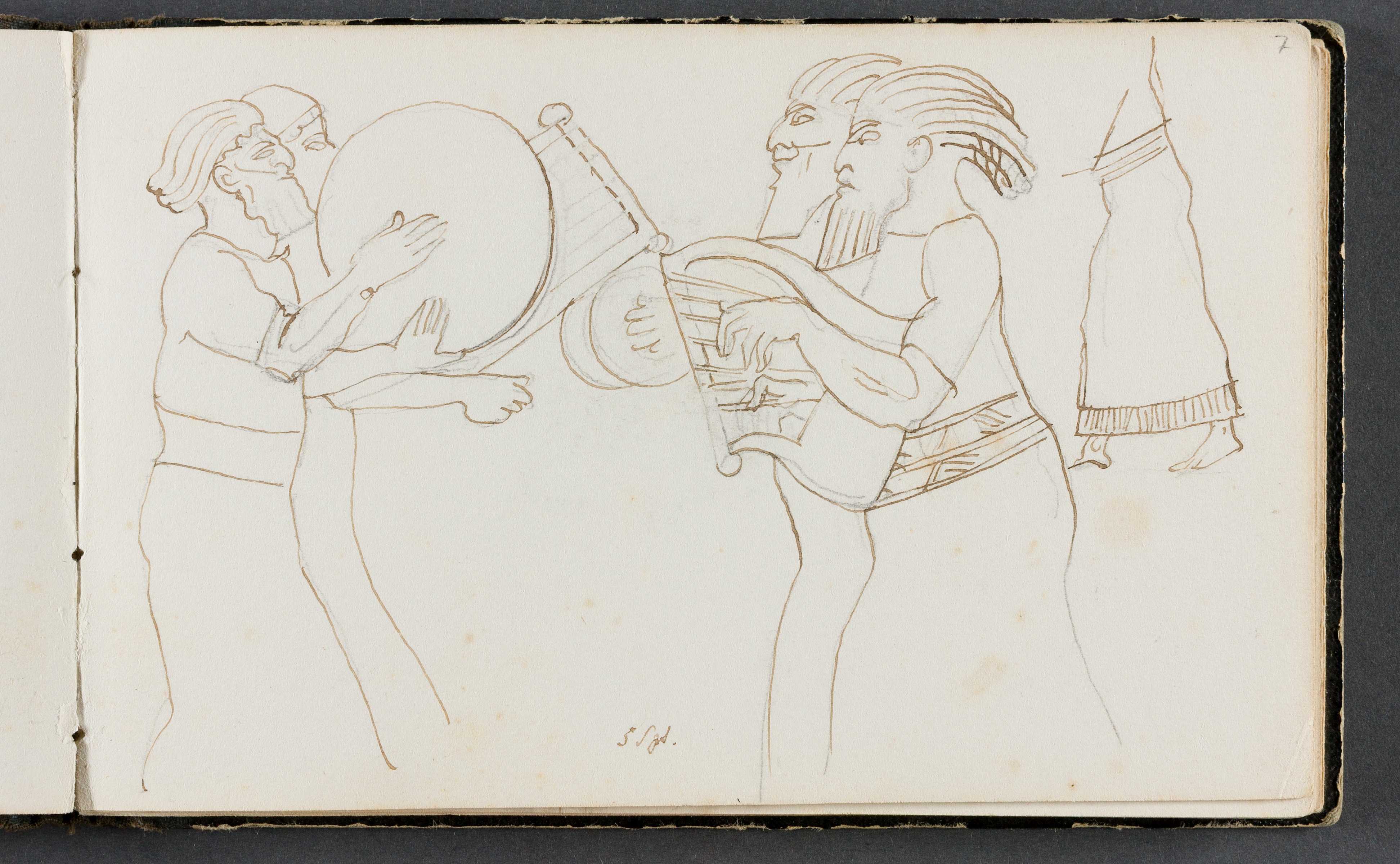
Relief with Musicians from the Palace of Ashurbanipal in Nineveh
 Document
Primary source
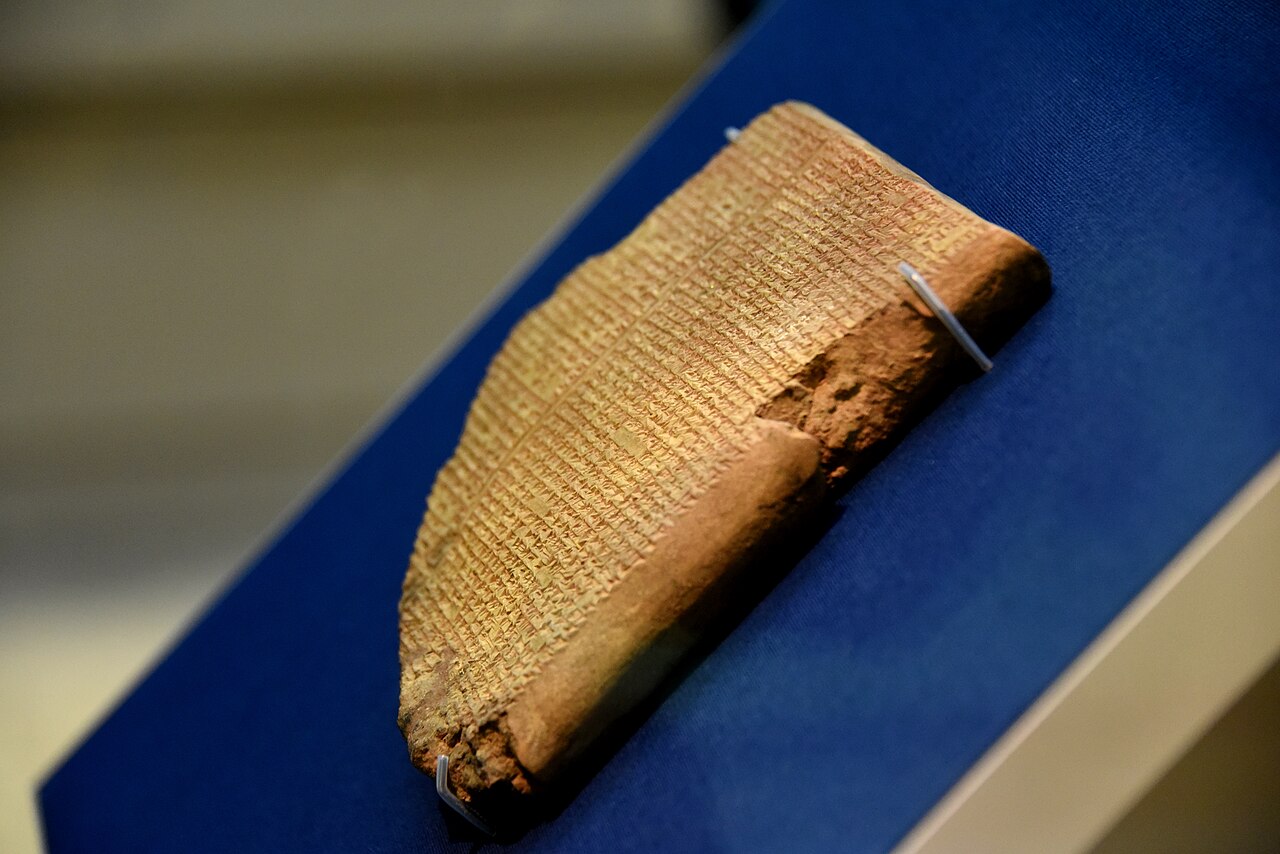
Flood Tablet
Scribes of Ashurbanipal's library · 7th century BCE
Ready when you are
Start chatting with Ashurbanipal now.
20 messages free · No credit card · Available in 50+ languages.