


Secondary sourceSculpture493 – c. 755 CE
Longmen Grottoes
Northern Wei and Tang patrons · 493 – c. 755 CE
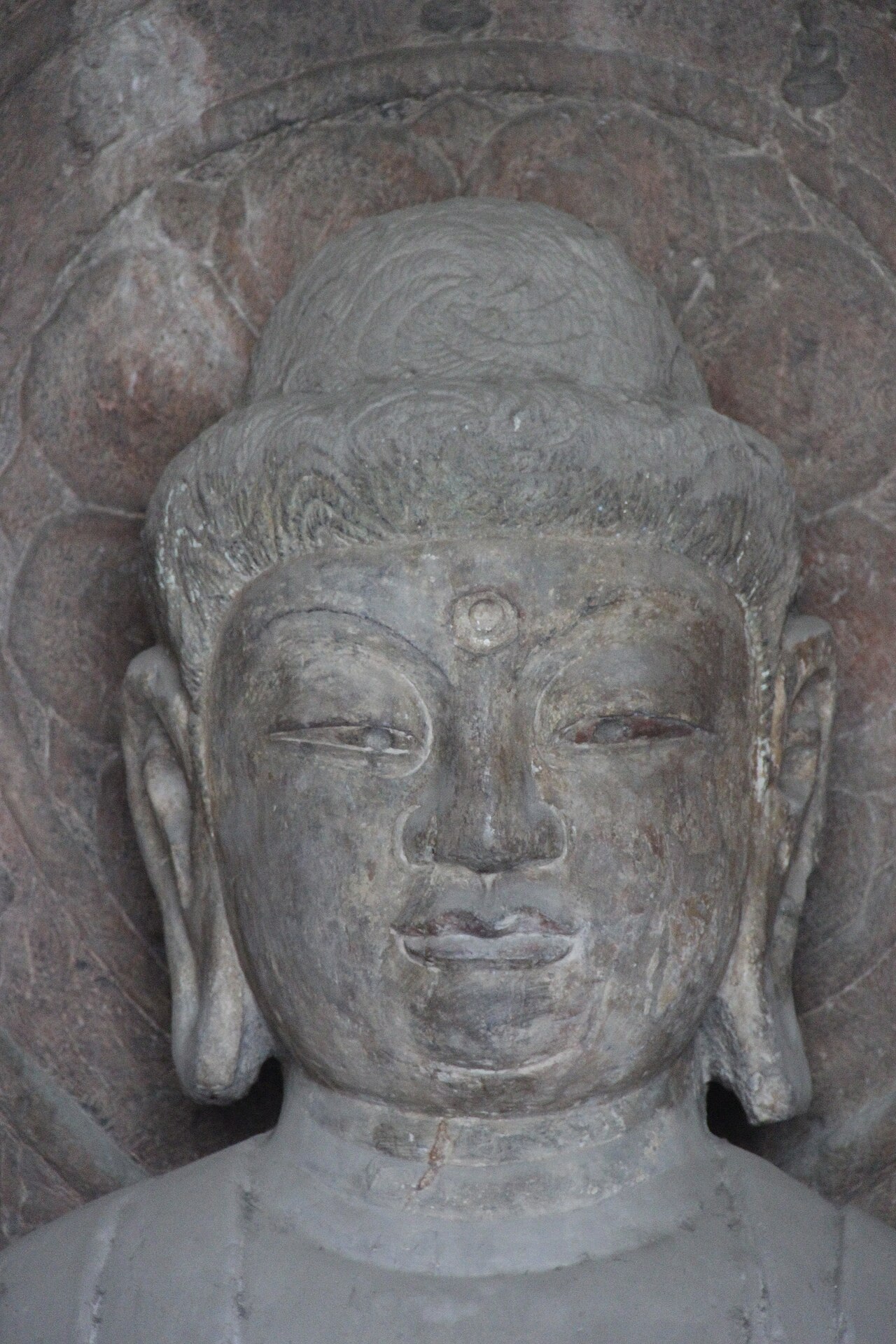
Thousands of imperial cave sculptures in China carved between the 5th and 8th centuries CE, depicting the Buddha and Buddhist figures.
The grottoes contain thousands of carved images of the Buddha, showing how his image spread and changed in China.
About this source
What it is
The Longmen Grottoes are a vast complex of cave carvings near Luoyang, China, created by Northern Wei and Tang dynasty patrons between 493 and about 755 CE. They contain tens of thousands of Buddhist images carved into cliffs.
Why it matters
These carvings show how Chinese emperors and patrons embraced Buddhism and adapted its imagery to their own artistic styles over centuries. The sheer scale of the project shows the importance Buddhism held for Chinese rulers of the time, and how images of the Buddha changed as the religion spread far from India.
Look closer
- What does the detail in the carved face suggest about how important this image was to its makers?
- Why would rulers spend so much effort carving Buddhist images into solid rock?
- How might the style of this Buddha differ from Indian images of him?
This sculpture is part of the curated material that grounds the AI version of Buddha on Humy.ai — when students ask about related events, the AI can quote it and cite it.
More Buddha sources
Meet the AI Buddha →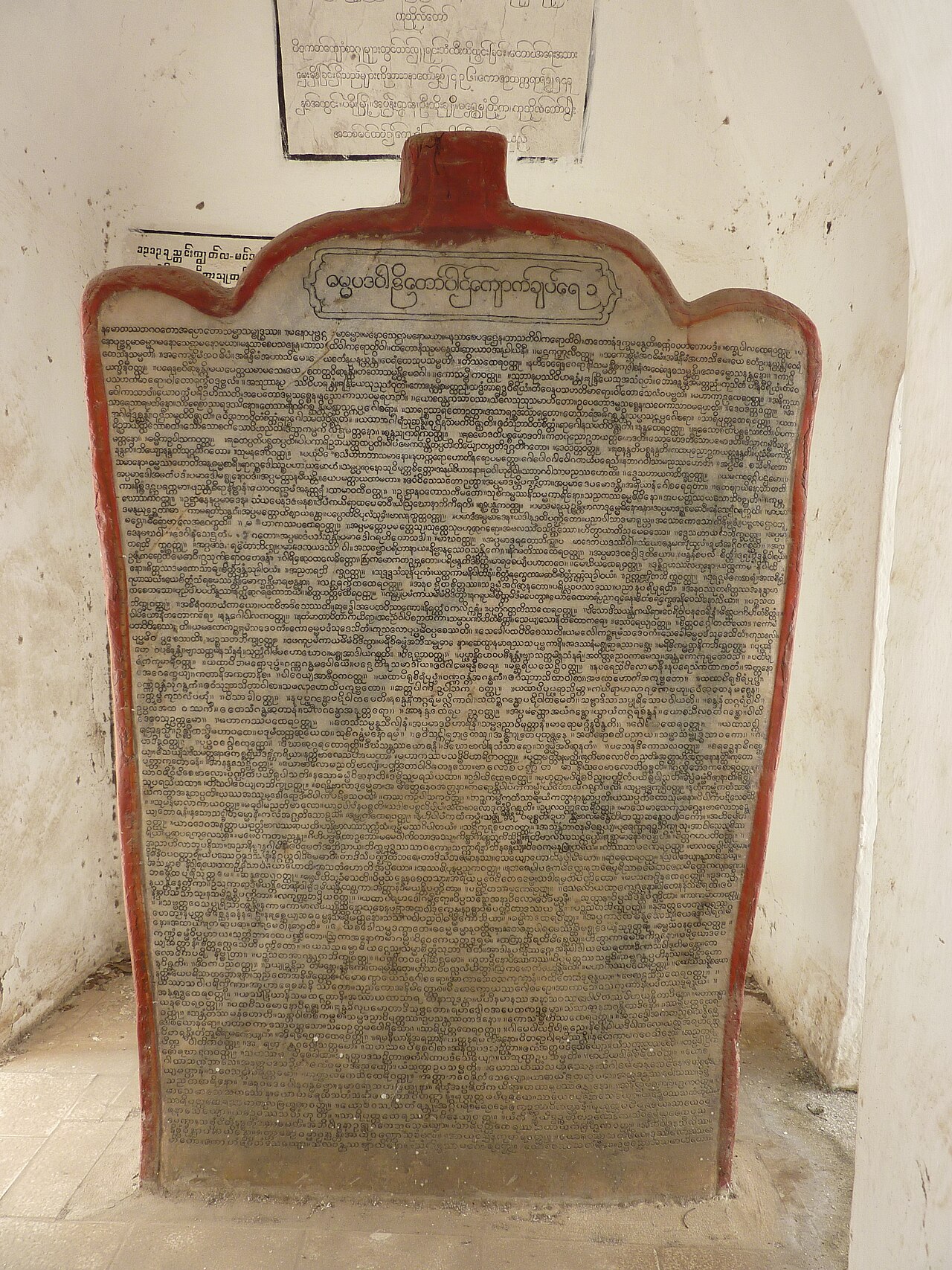 Book
Secondary source
Dhammapada
Attributed to the Buddha · c. 3rd century BCE compilation
 Painting
Secondary source
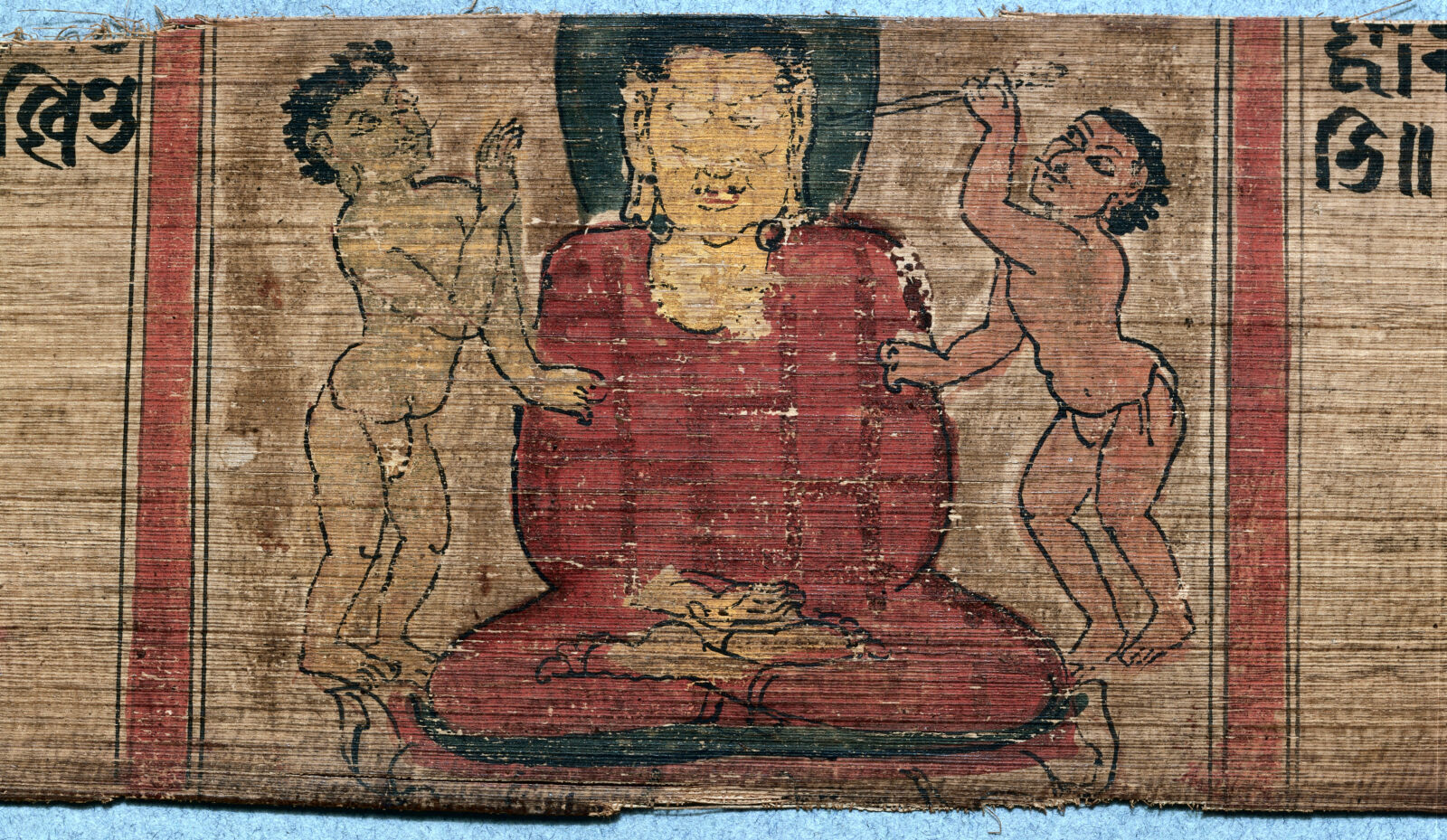
Buddha in Dhyana, Perfection of Wisdom Sutra Manuscript
1074
 Sculpture
Secondary source
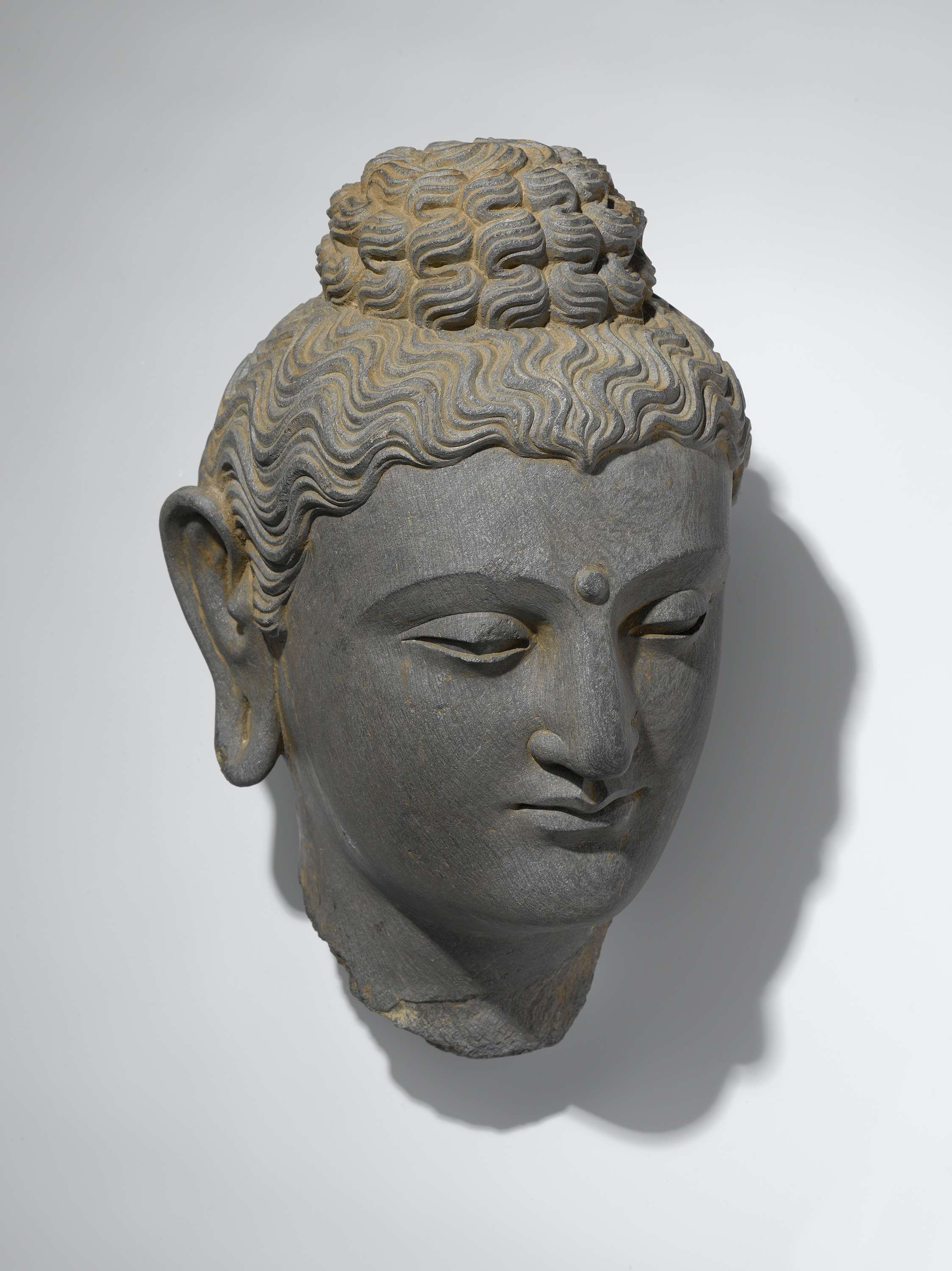
Head of the Buddha, Gandhara style
 Book
Secondary source
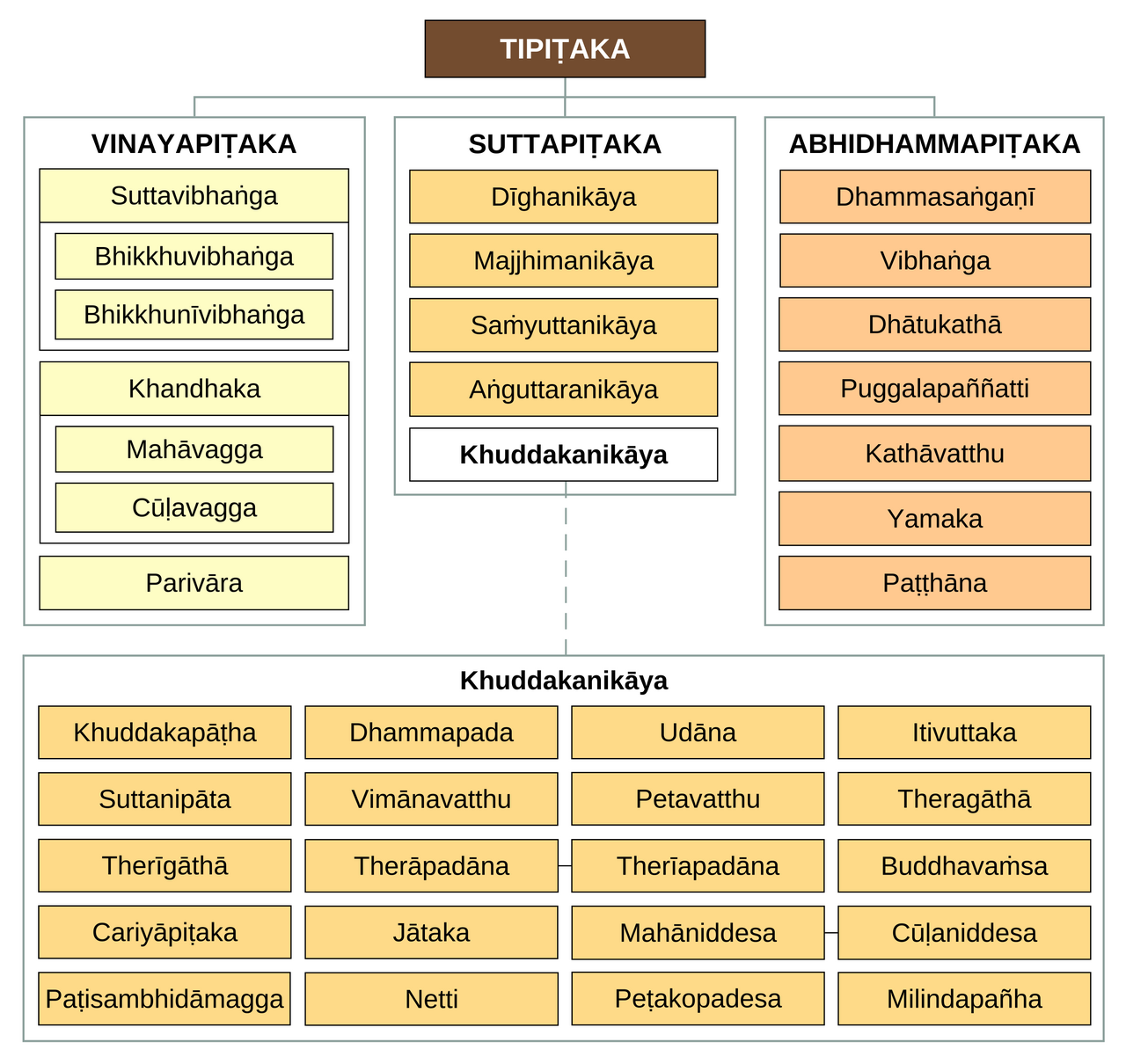
Pali Canon (Tipitaka)
Early Buddhist sangha · oral from 5th century BCE; written c. 29 BCE
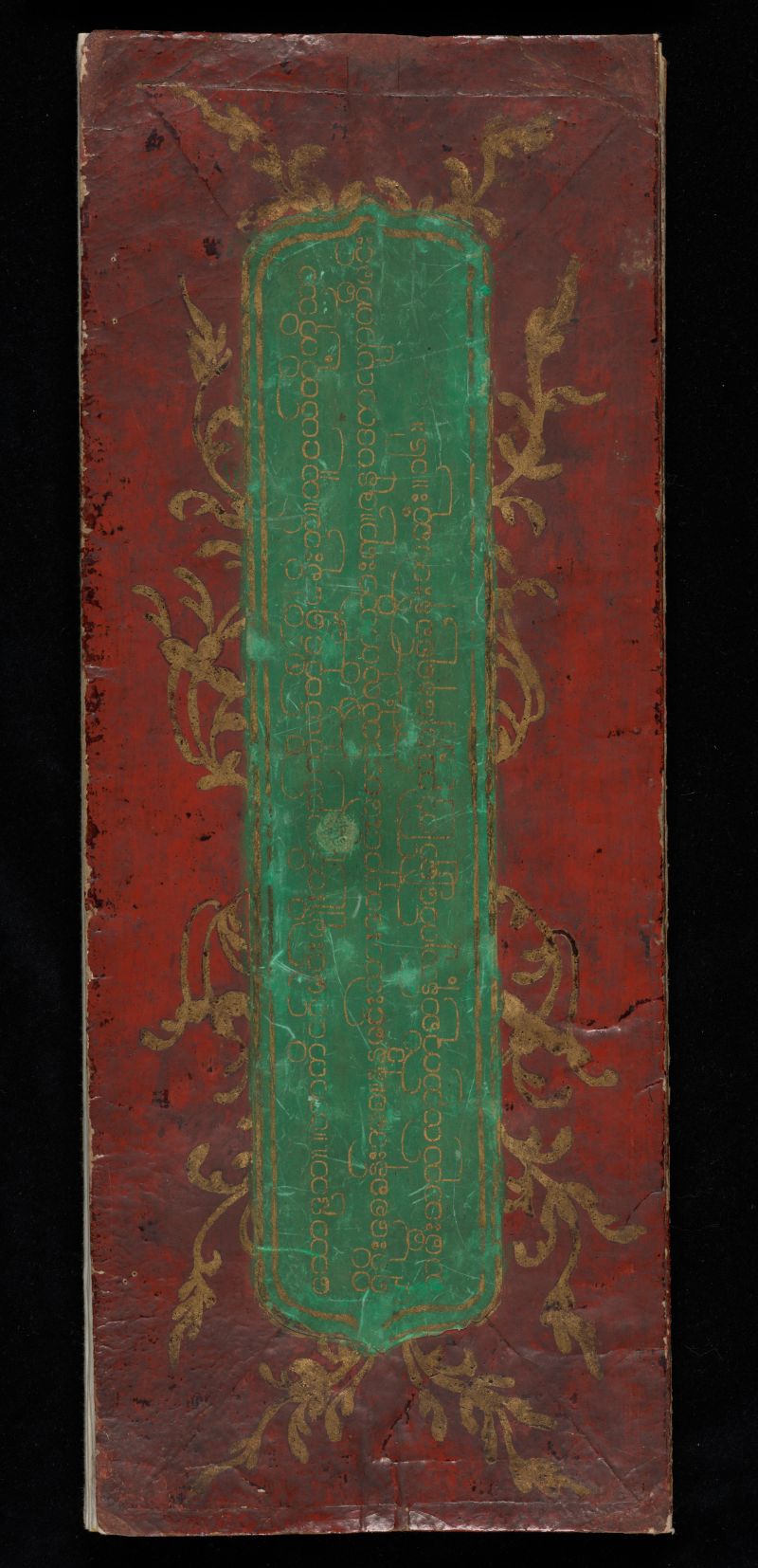 Document
Secondary source
Life of the Buddha
19th century
Ready when you are
Start chatting with Buddha now.
20 messages free · No credit card · Available in 50+ languages.