


Primary sourcePaintingc. 1636-1638
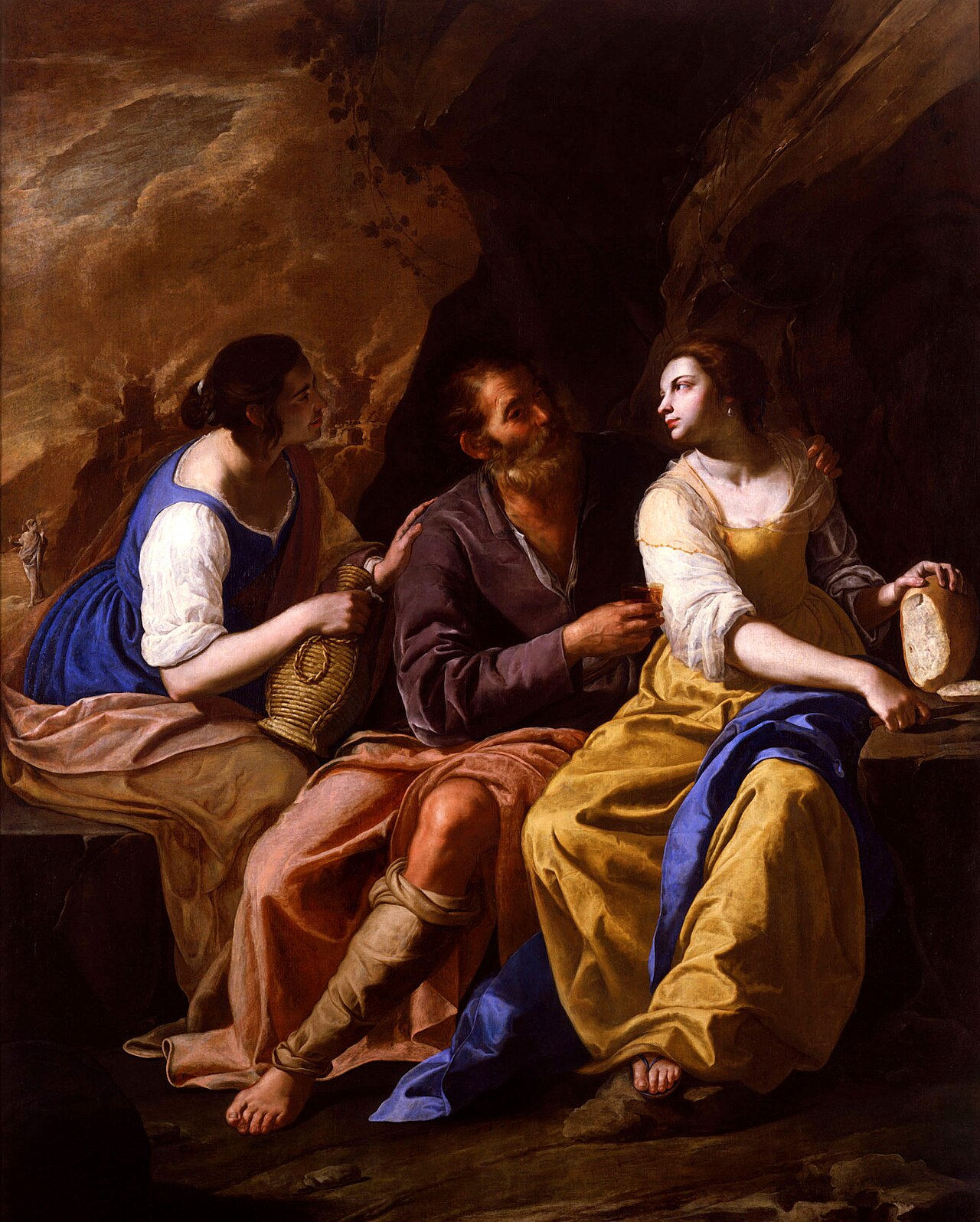
Lot and his Daughters
Artemisia Gentileschi · c. 1636-1638
A biblical painting attributed to Artemisia Gentileschi showing Lot and his daughters after fleeing Sodom.
A Neapolitan-period work attributed to Gentileschi, showing her mature narrative style on a difficult biblical theme.
About this source
What it is
This painting, dated around 1636-1638, depicts the Old Testament story of Lot and his daughters fleeing the destroyed city of Sodom. It is held at the Toledo Museum of Art and has been attributed to Artemisia Gentileschi, though its authorship was long debated, with some scholars once crediting other artists such as Bernardo Cavallino, and later Domenico Gargiulo suggested for parts of the background.
Why it matters
The painting shows how popular and morally charged biblical subjects were reused by Baroque painters, offering both a moral lesson and dramatic, sometimes scandalous, content. Its shifting attribution history illustrates how women artists' works were sometimes misattributed to men, a pattern researchers have traced in Gentileschi's career.
Look closer
- What does the composition emphasize — the danger of Sodom, or the family's intimate drama?
- Why might this subject have appealed to patrons of the period?
- How might uncertain attribution affect how we judge a work of art?
This painting is part of the curated material that grounds the AI version of Artemisia Gentileschi on Humy.ai — when students ask about related events, the AI can quote it and cite it.
More Artemisia Gentileschi sources
Meet the AI Artemisia Gentileschi →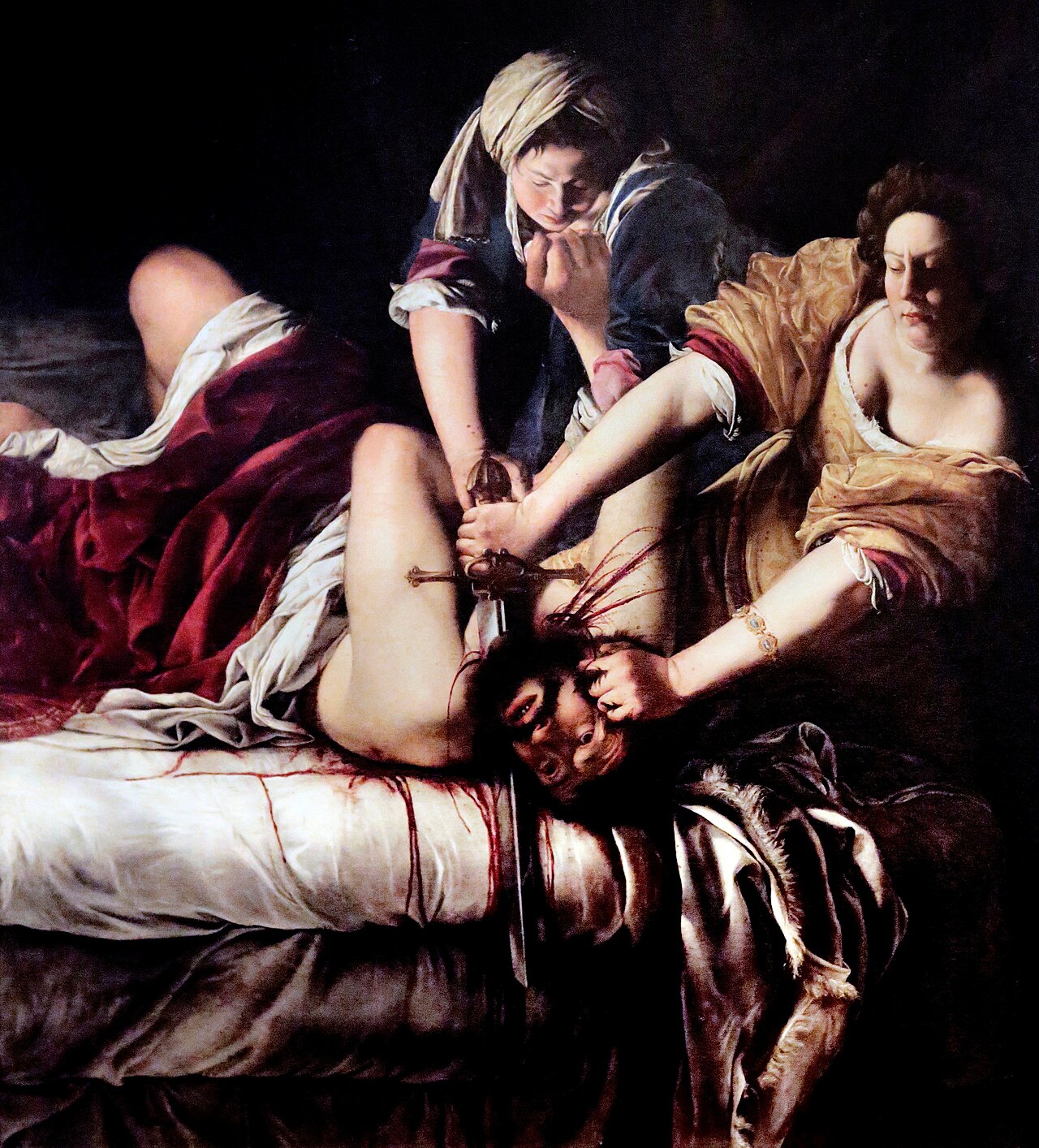 Painting
Primary source
Judith Beheading Holofernes
Artemisia Gentileschi · c. 1620
 Painting
Primary source
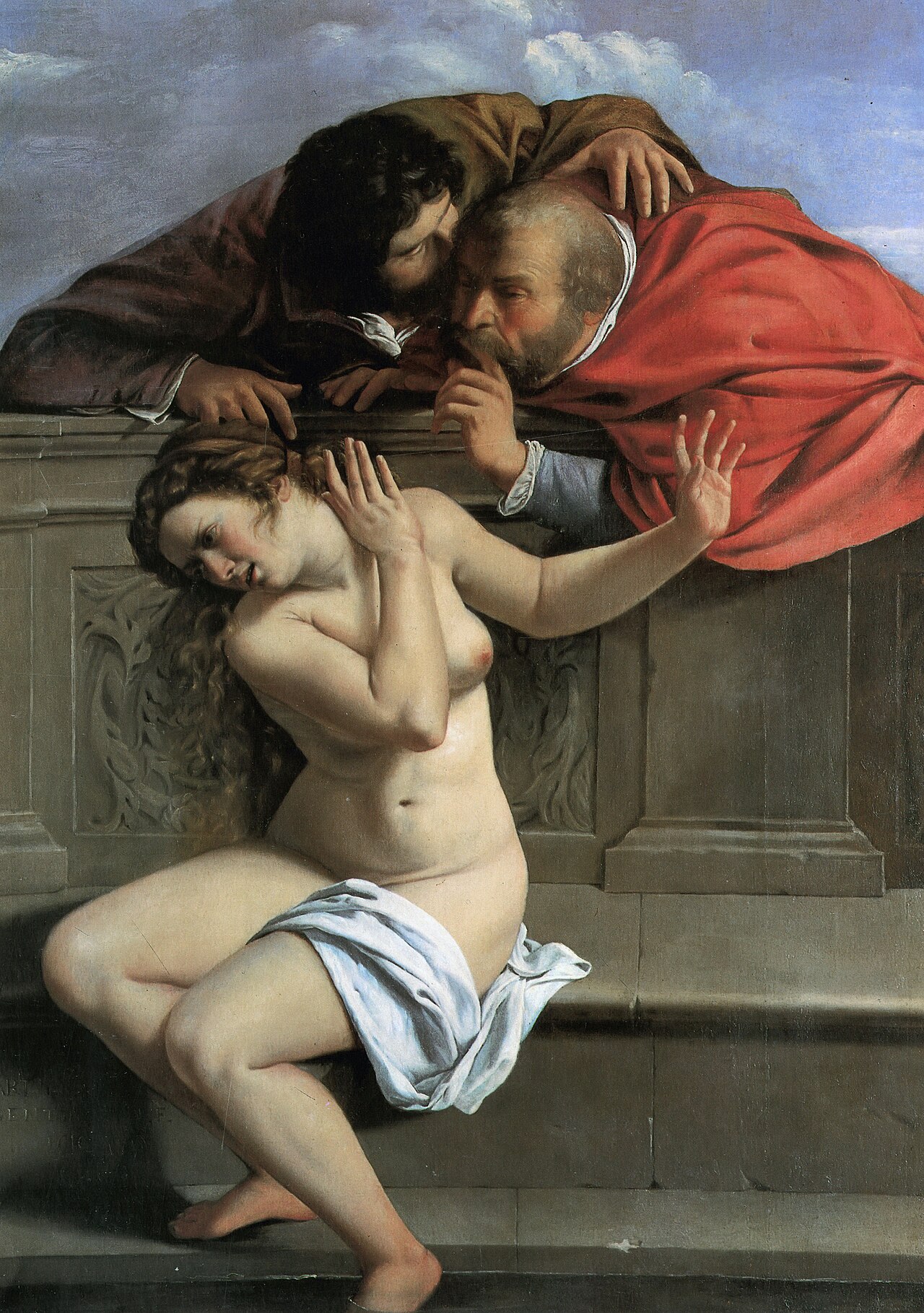
Susanna and the Elders
Artemisia Gentileschi · 1610
 Painting
Primary source
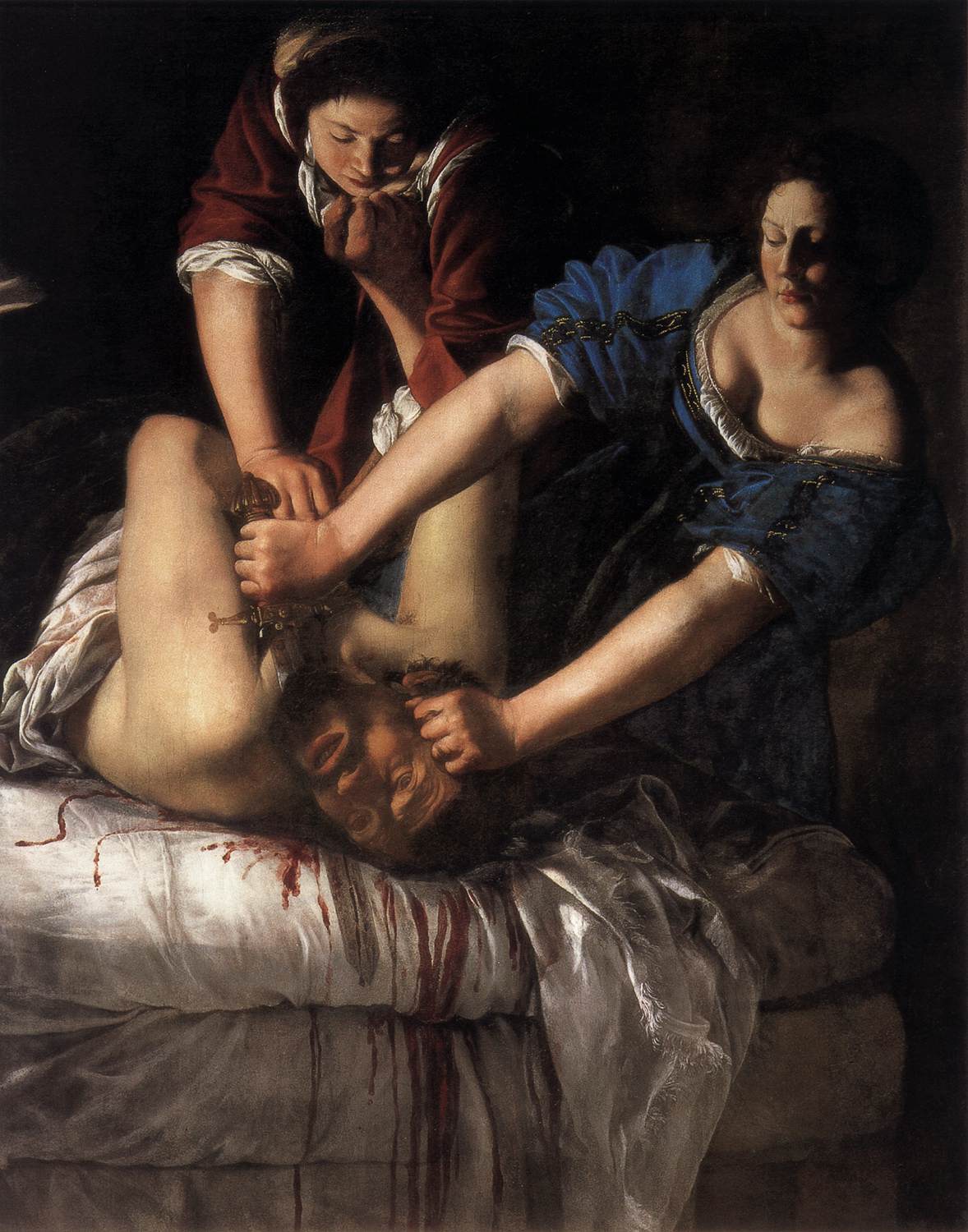
Judith Slaying Holofernes
Artemisia Gentileschi · 1612-1613
 Painting
Primary source
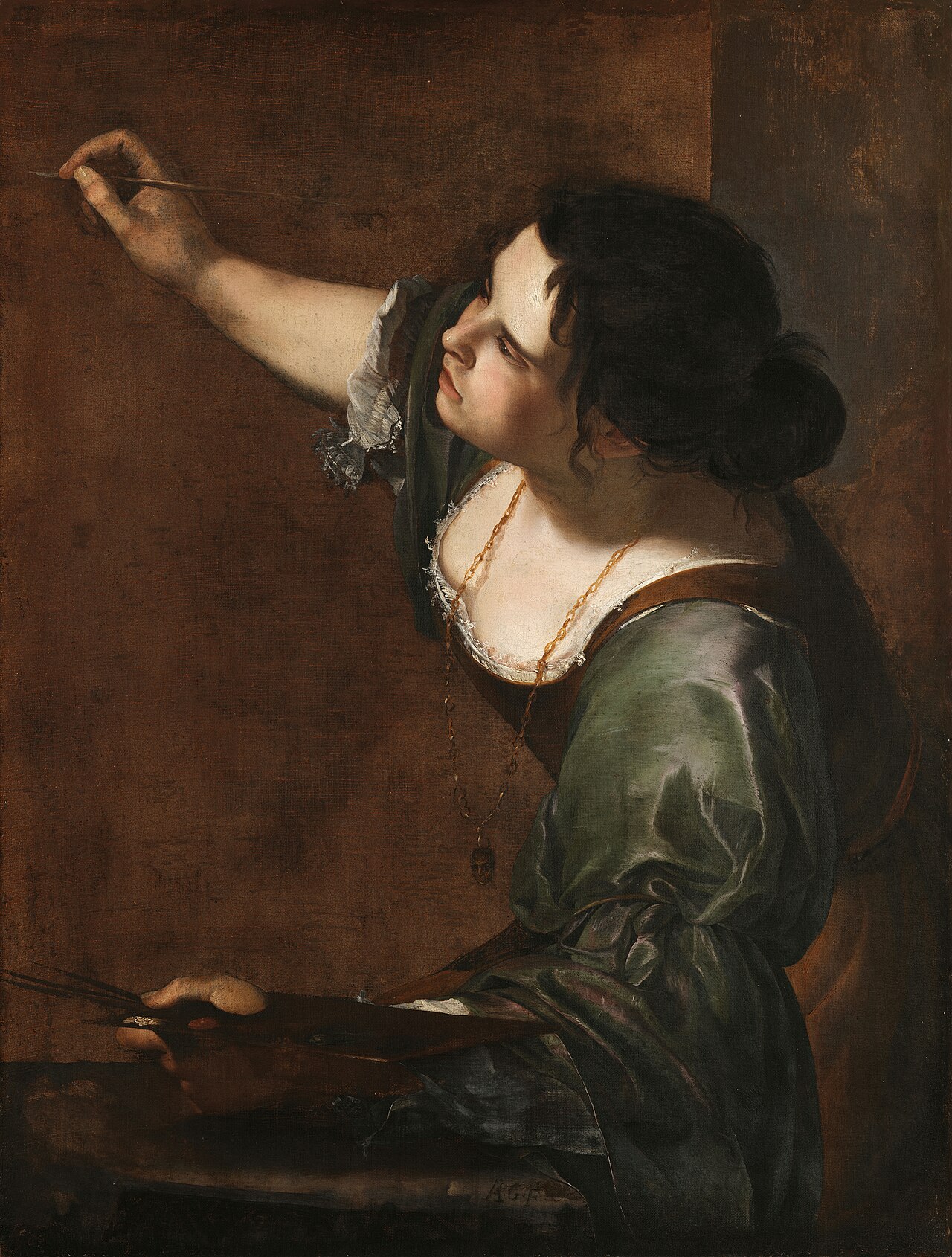
Self-Portrait as the Allegory of Painting
Artemisia Gentileschi · c. 1638-1639
 Painting
Primary source
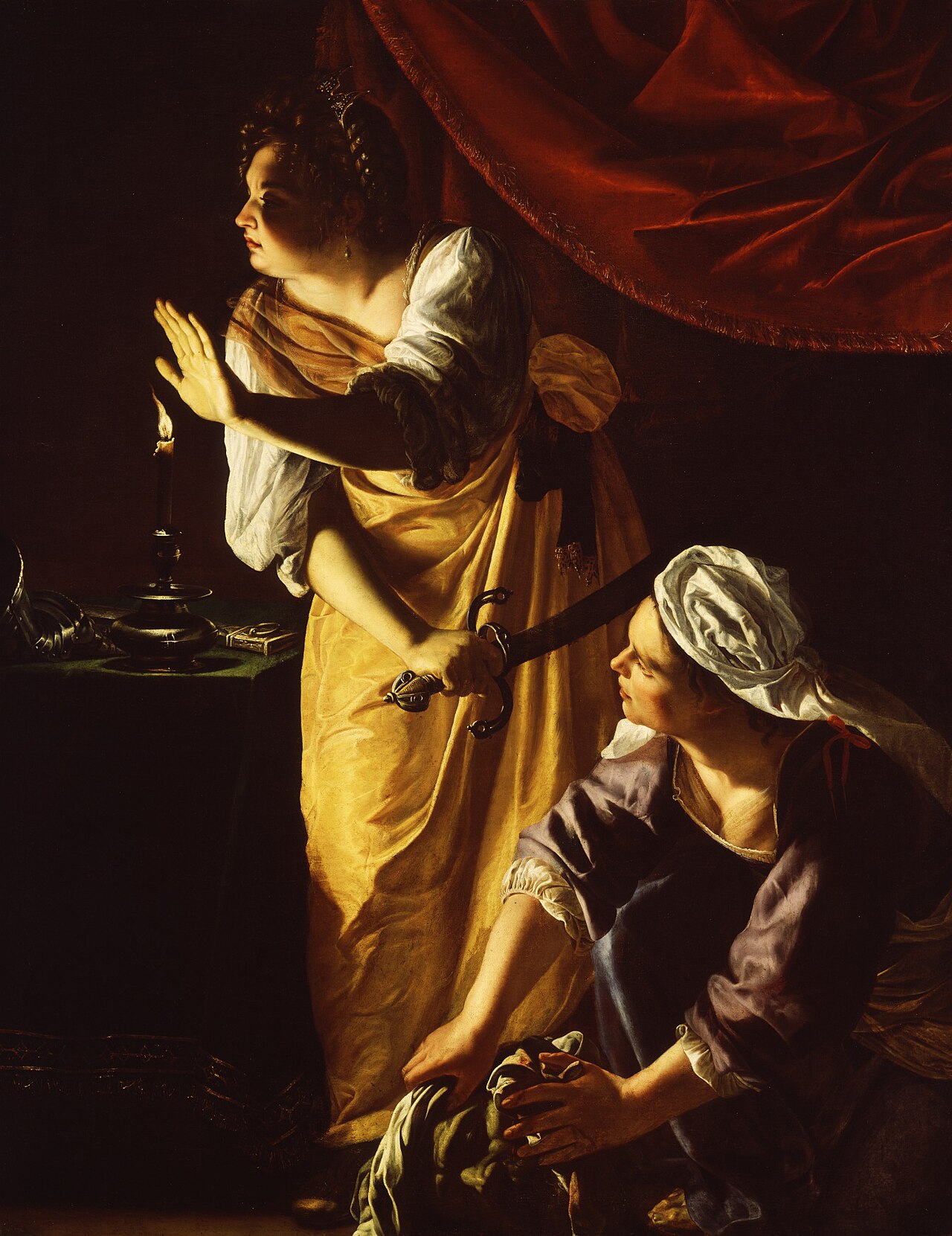
Judith and Maidservant with Head of Holofernes
Artemisia Gentileschi · c. 1623-1625
Ready when you are
Start chatting with Artemisia Gentileschi now.
20 messages free · No credit card · Available in 50+ languages.