


Secondary sourceBookc. 1st–2nd century CE (manuscript c. 1340)
Lotus Sutra
Attributed to the Buddha; Mahayana authors · c. 1st–2nd century CE (manuscript c. 1340)
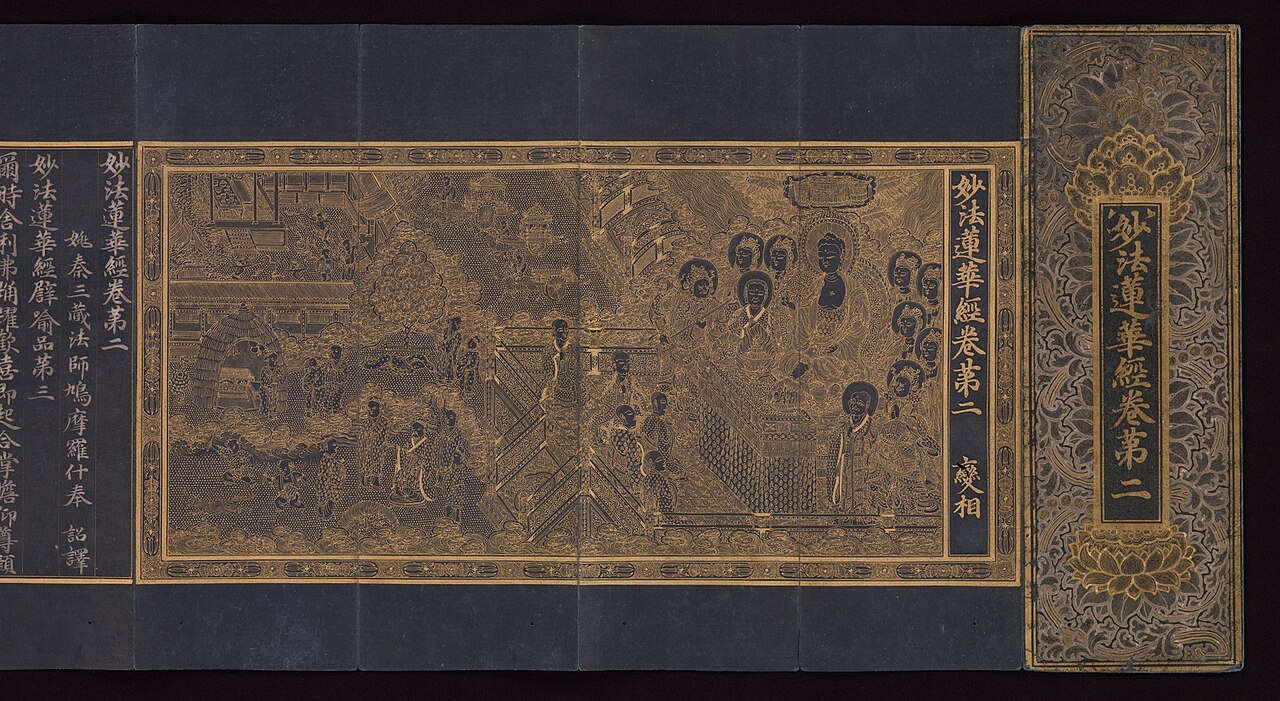
A Mahayana sutra presented as the Buddha's final teaching, preached on Vulture Peak, shown here in an illustrated Korean manuscript.
This sutra reinterprets the Buddha as an eternal teaching figure, central to later Mahayana devotion.
About this source
What it is
The Lotus Sūtra is a Mahayana Buddhist text attributed to the Buddha, dated by scholars to around the 1st–2nd century CE. The illustrated copy shown here is a Korean manuscript from the Koryŏ (Goryeo) Dynasty, made around 1340, written in gold and silver ink on indigo-dyed paper and now held at the Metropolitan Museum of Art.
Why it matters
Buddhists in East Asia have long regarded the Lotus Sūtra as containing the Buddha's final and complete teaching. It presents him not simply as a historical teacher but as an eternal Buddha, a reinterpretation that deeply shaped East Asian Buddhism. The manuscript itself, made centuries later by Korean artisans, shows how devotion to the text inspired luxurious works of art.
Look closer
- Why might believers have used gold and silver ink on such a precious material to copy this text?
- How does presenting the Buddha as
This book is part of the curated material that grounds the AI version of Buddha on Humy.ai — when students ask about related events, the AI can quote it and cite it.
More Buddha sources
Meet the AI Buddha →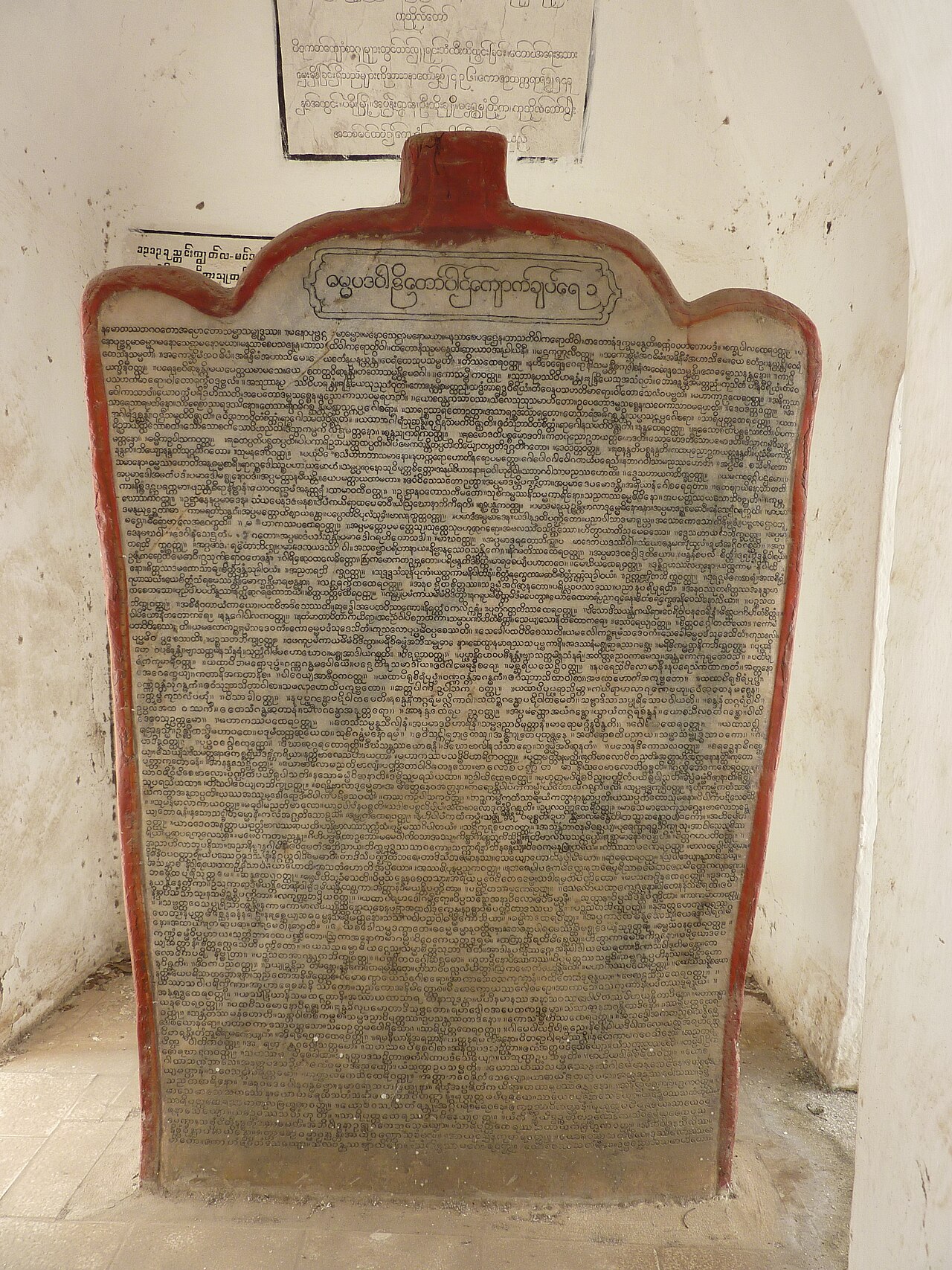 Book
Secondary source
Dhammapada
Attributed to the Buddha · c. 3rd century BCE compilation
 Painting
Secondary source
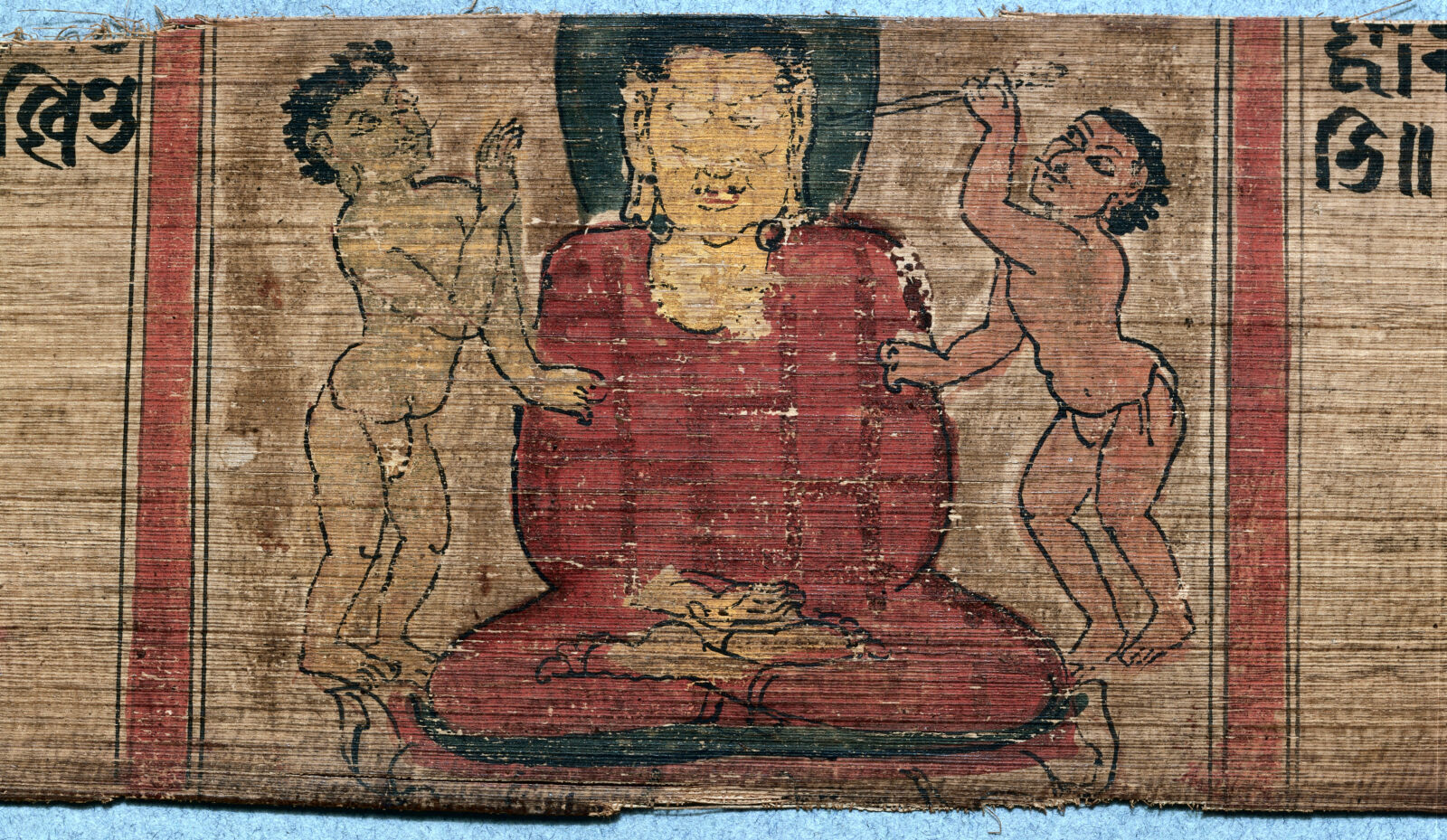
Buddha in Dhyana, Perfection of Wisdom Sutra Manuscript
1074
 Sculpture
Secondary source
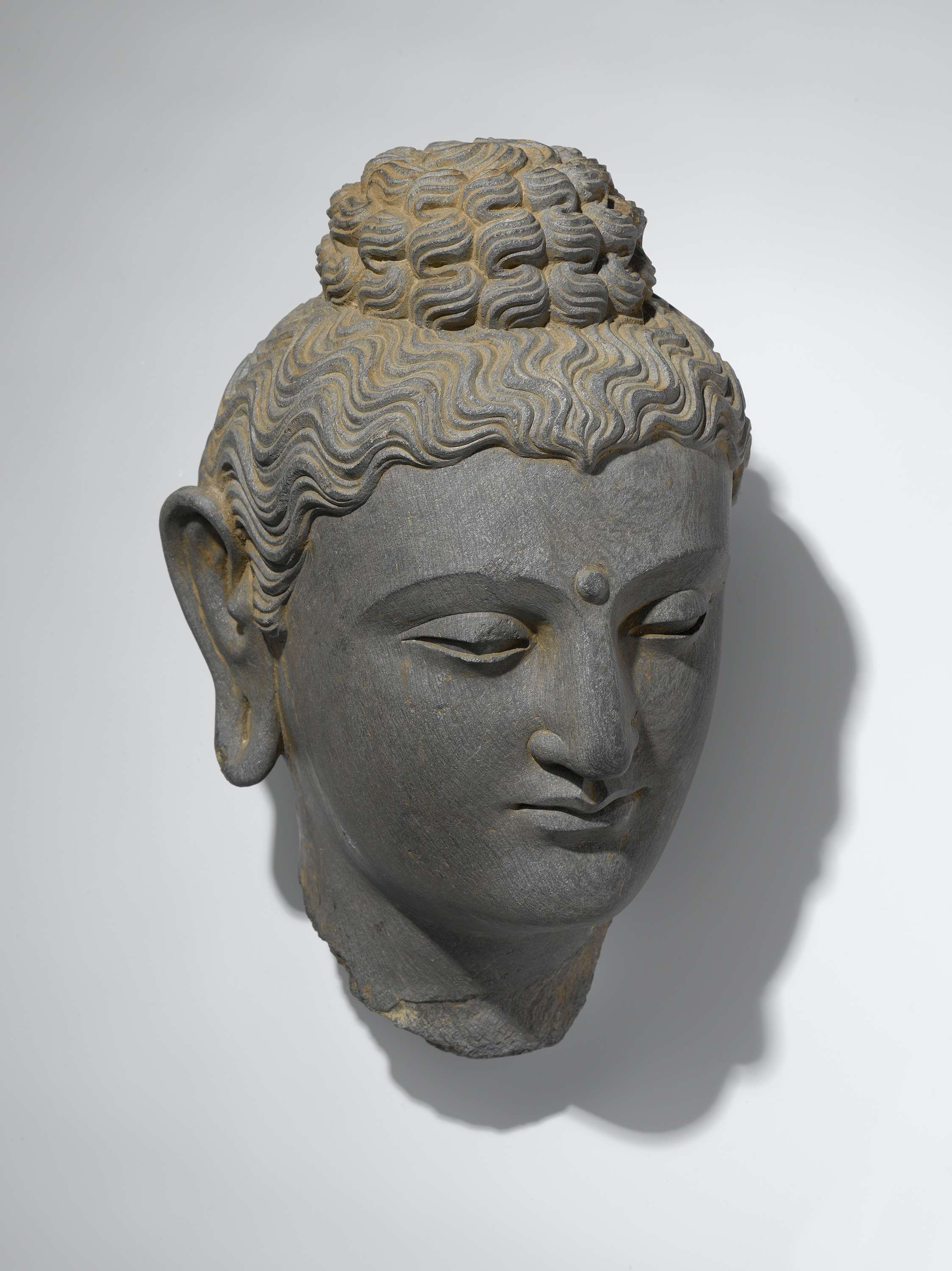
Head of the Buddha, Gandhara style
 Book
Secondary source
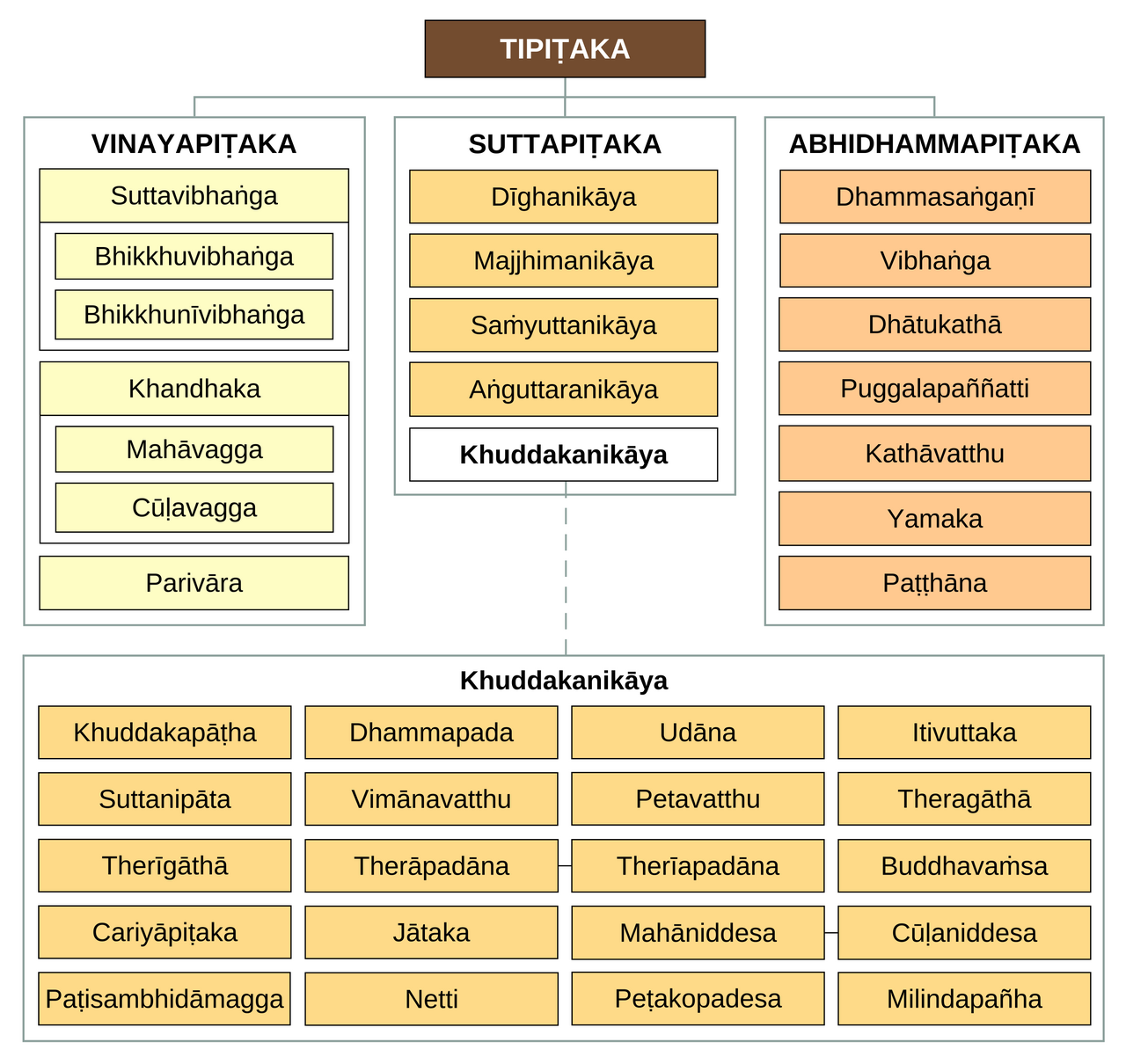
Pali Canon (Tipitaka)
Early Buddhist sangha · oral from 5th century BCE; written c. 29 BCE
 Document
Secondary source
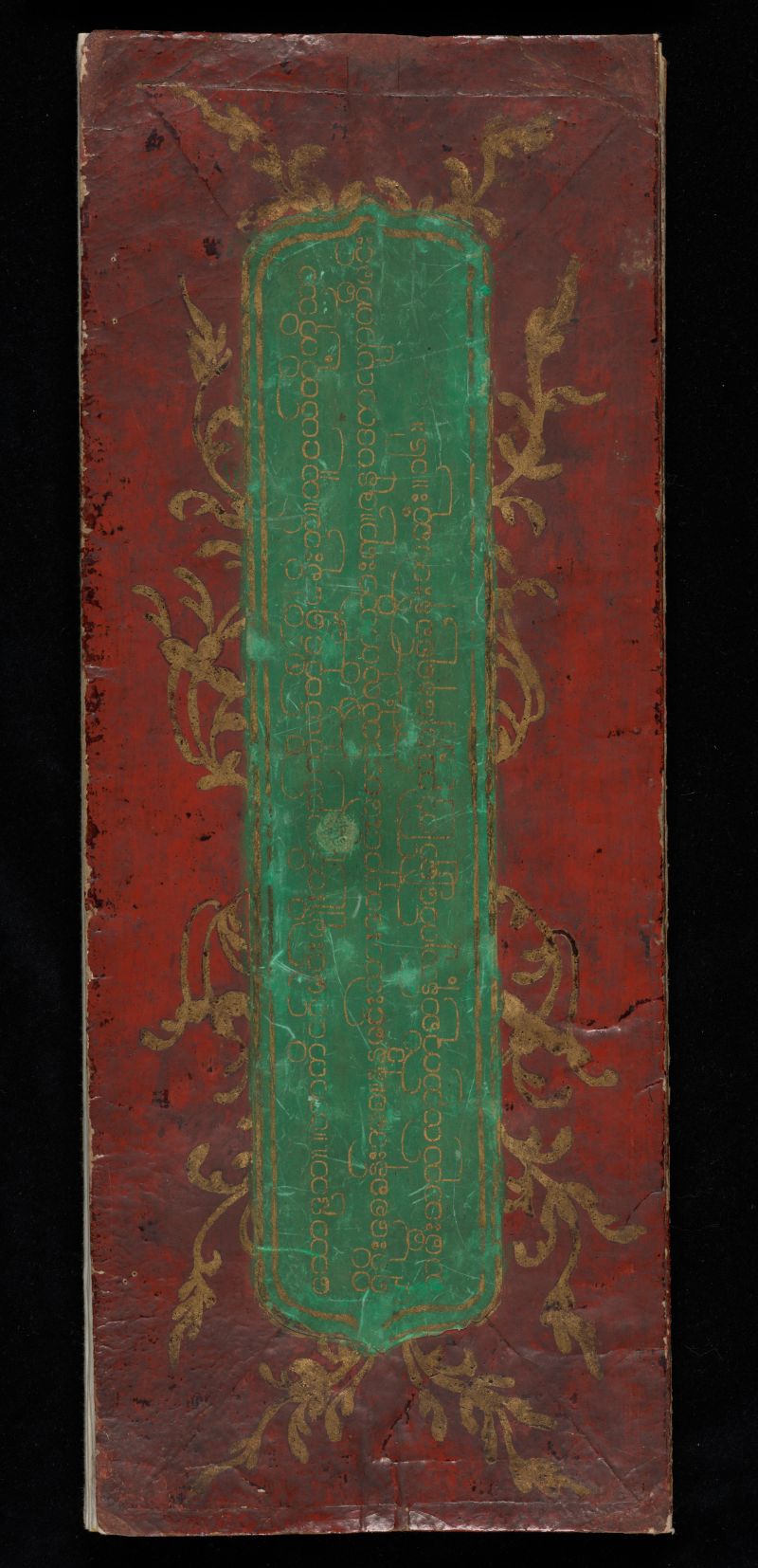
Life of the Buddha
19th century
Ready when you are
Start chatting with Buddha now.
20 messages free · No credit card · Available in 50+ languages.