


Primary sourcePaintingc. late 1620s
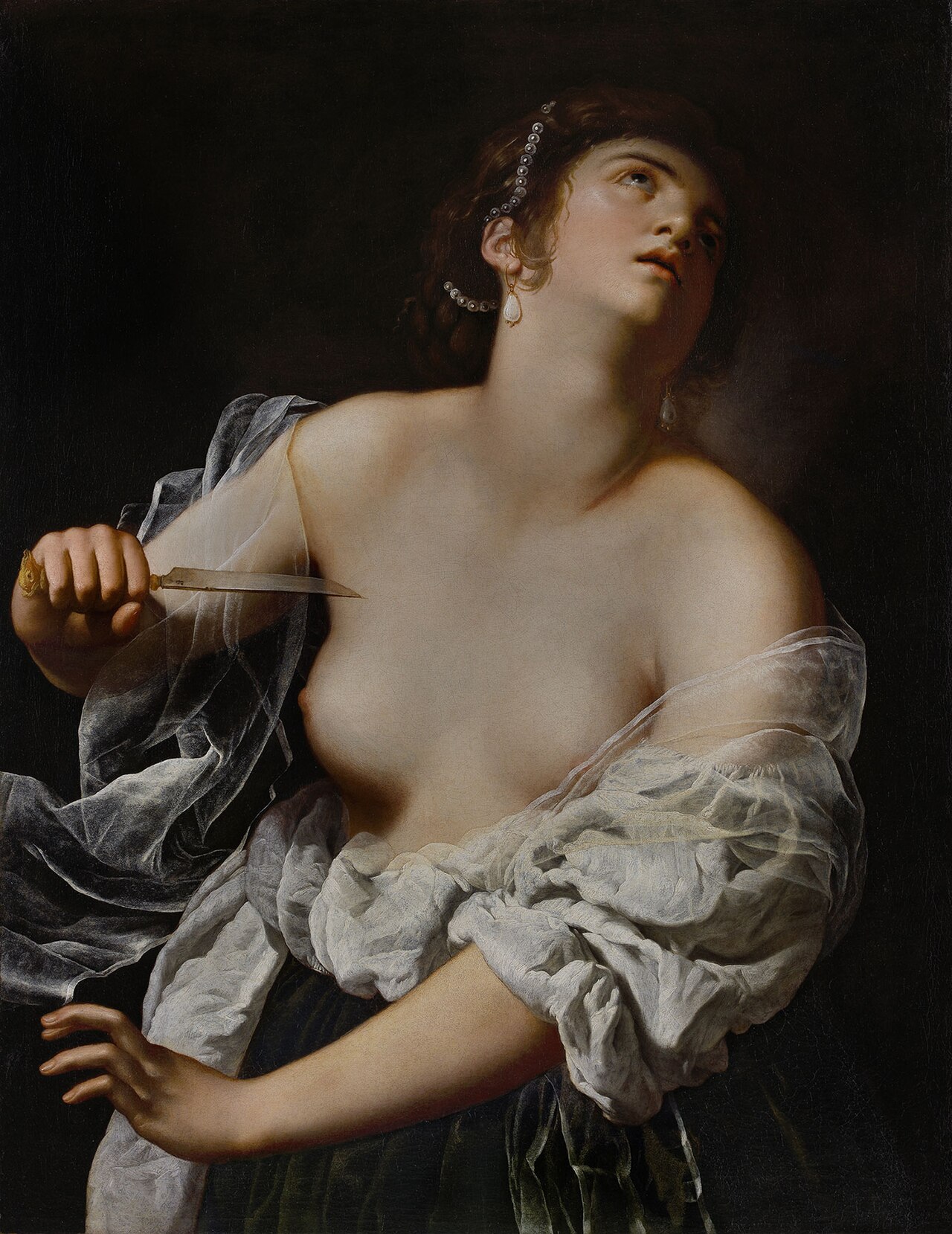
Lucretia
Artemisia Gentileschi · c. late 1620s
A painting by Artemisia Gentileschi depicting the Roman heroine Lucretia at the moment of her suicide, now in the J. Paul Getty Museum.
A painting by Gentileschi of a wronged heroine's suicide, one of several versions she made of this subject.
About this source
What it is
This painting by Artemisia Gentileschi, likely made during her stay in Venice in the late 1620s, shows Lucretia, wife of a Roman consul, holding a dagger to her chest at the moment of her suicide. It is one of three versions she painted of this subject and is now held at the J. Paul Getty Museum.
Why it matters
Lucretia was a legendary figure whose suicide after being wronged became a symbol of honor in Roman history. Gentileschi painted this theme of a wronged woman's decisive final act more than once, and poems written about her work at the time suggest contemporaries recognised and discussed this particular painting. Its rediscovery in a private collection and later record sale show how valuable and sought-after her paintings have become.
Look closer
- What does Lucretia's expression and gesture tell you about the moment Gentileschi chose to depict?
- Why might Gentileschi have returned to this subject more than once in her career?
- How does the painting's long gap in recorded history affect what we can know about who owned or viewed it over time?
This painting is part of the curated material that grounds the AI version of Artemisia Gentileschi on Humy.ai — when students ask about related events, the AI can quote it and cite it.
More Artemisia Gentileschi sources
Meet the AI Artemisia Gentileschi →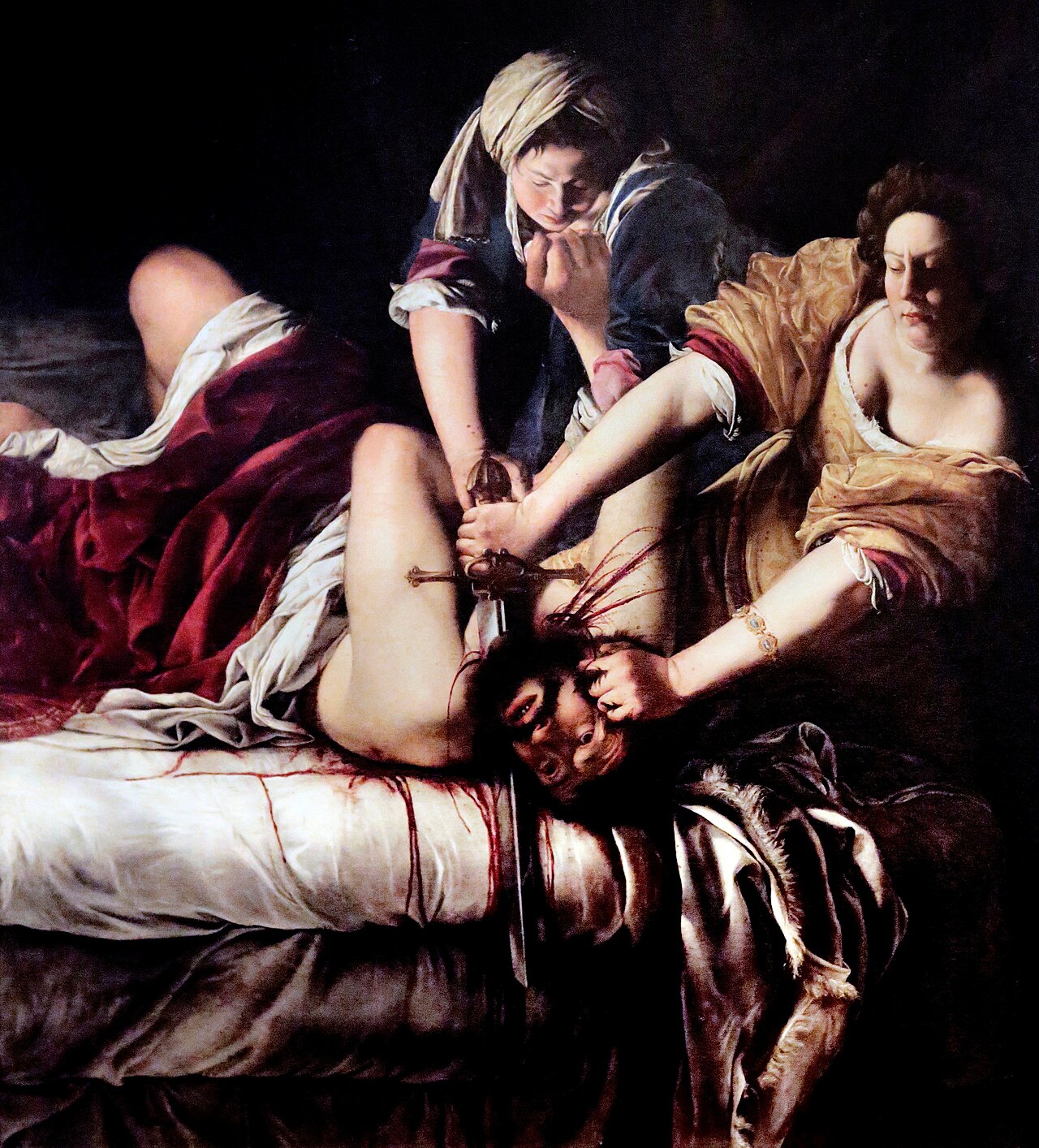 Painting
Primary source
Judith Beheading Holofernes
Artemisia Gentileschi · c. 1620
 Painting
Primary source
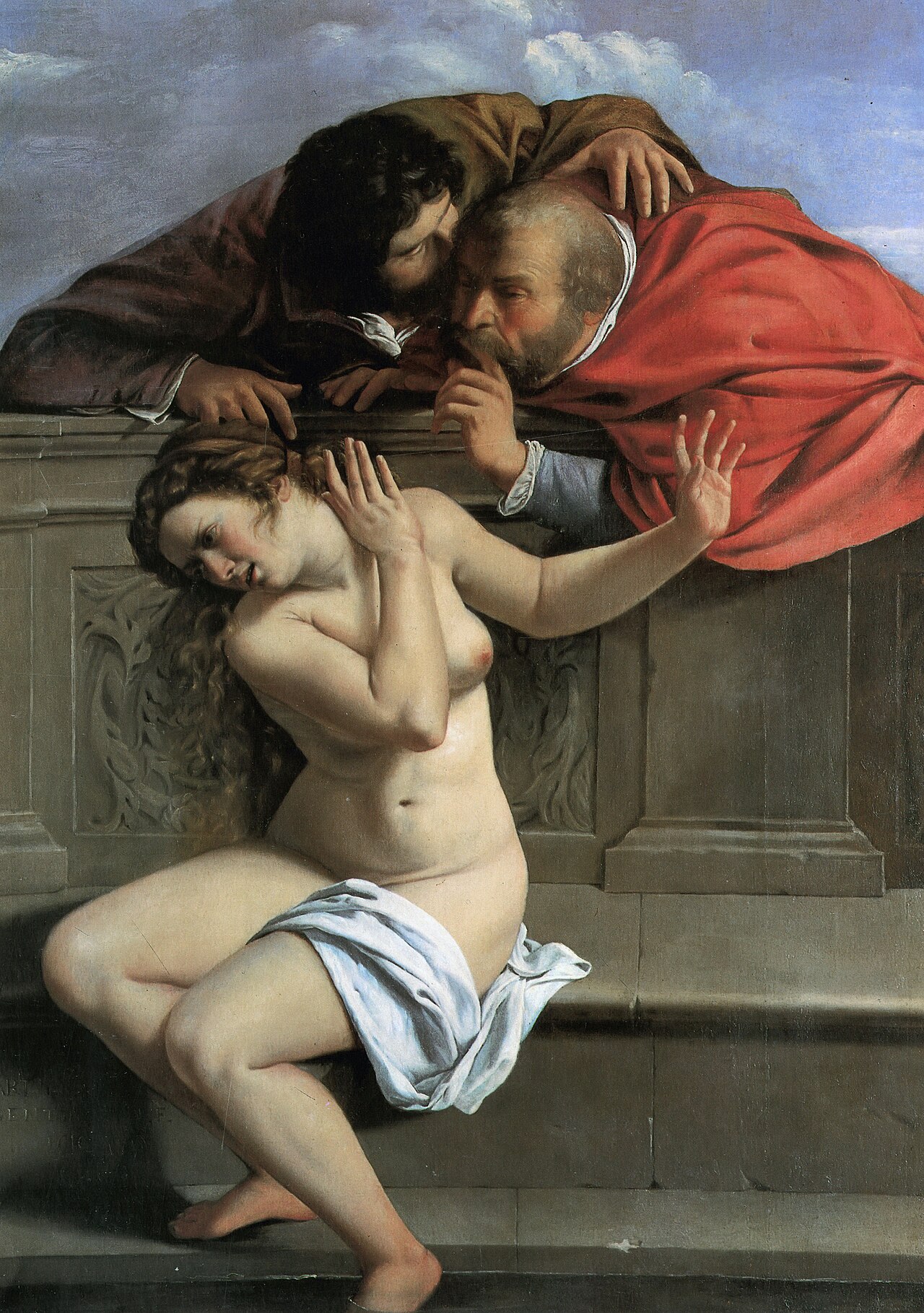
Susanna and the Elders
Artemisia Gentileschi · 1610
 Painting
Primary source
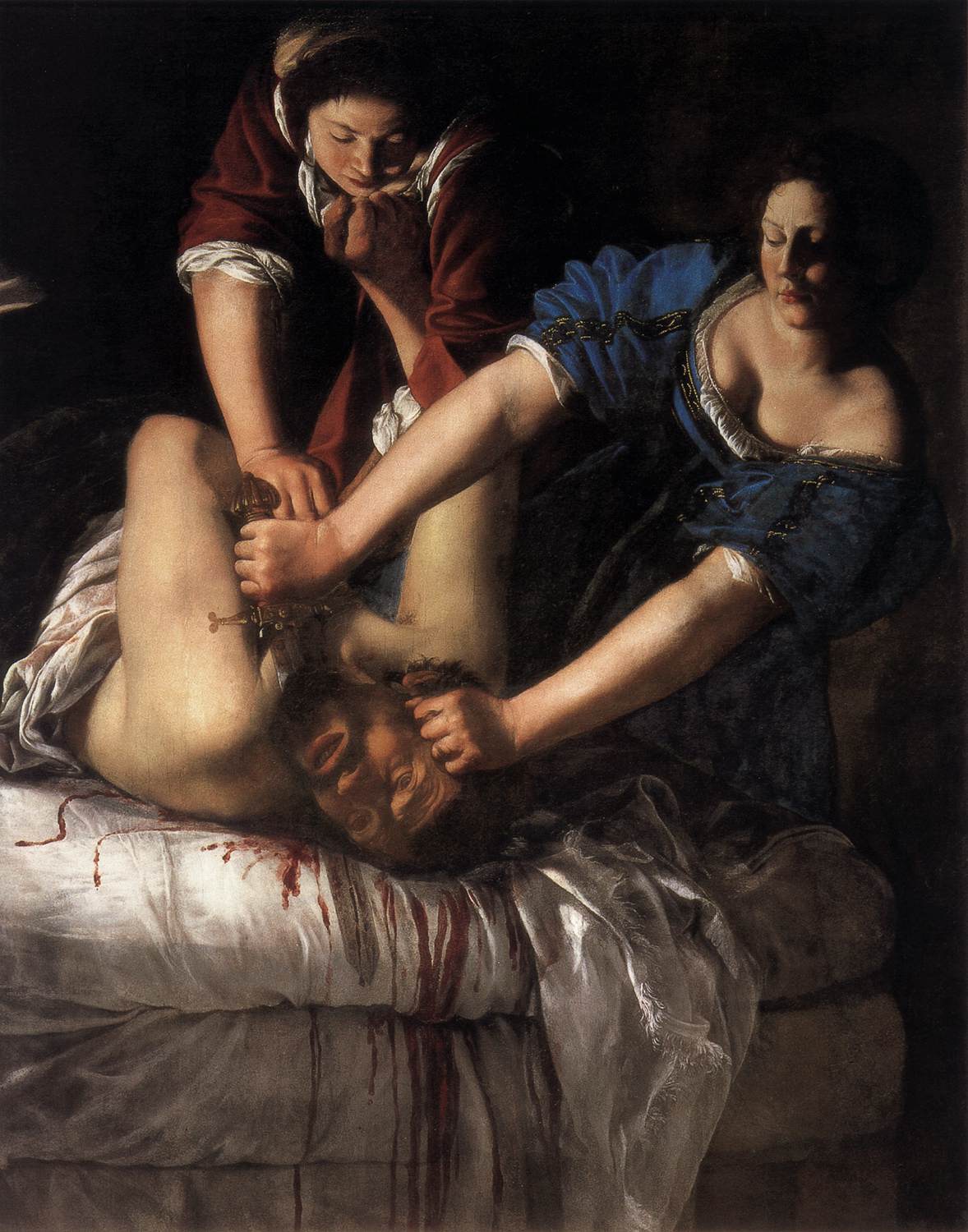
Judith Slaying Holofernes
Artemisia Gentileschi · 1612-1613
 Painting
Primary source
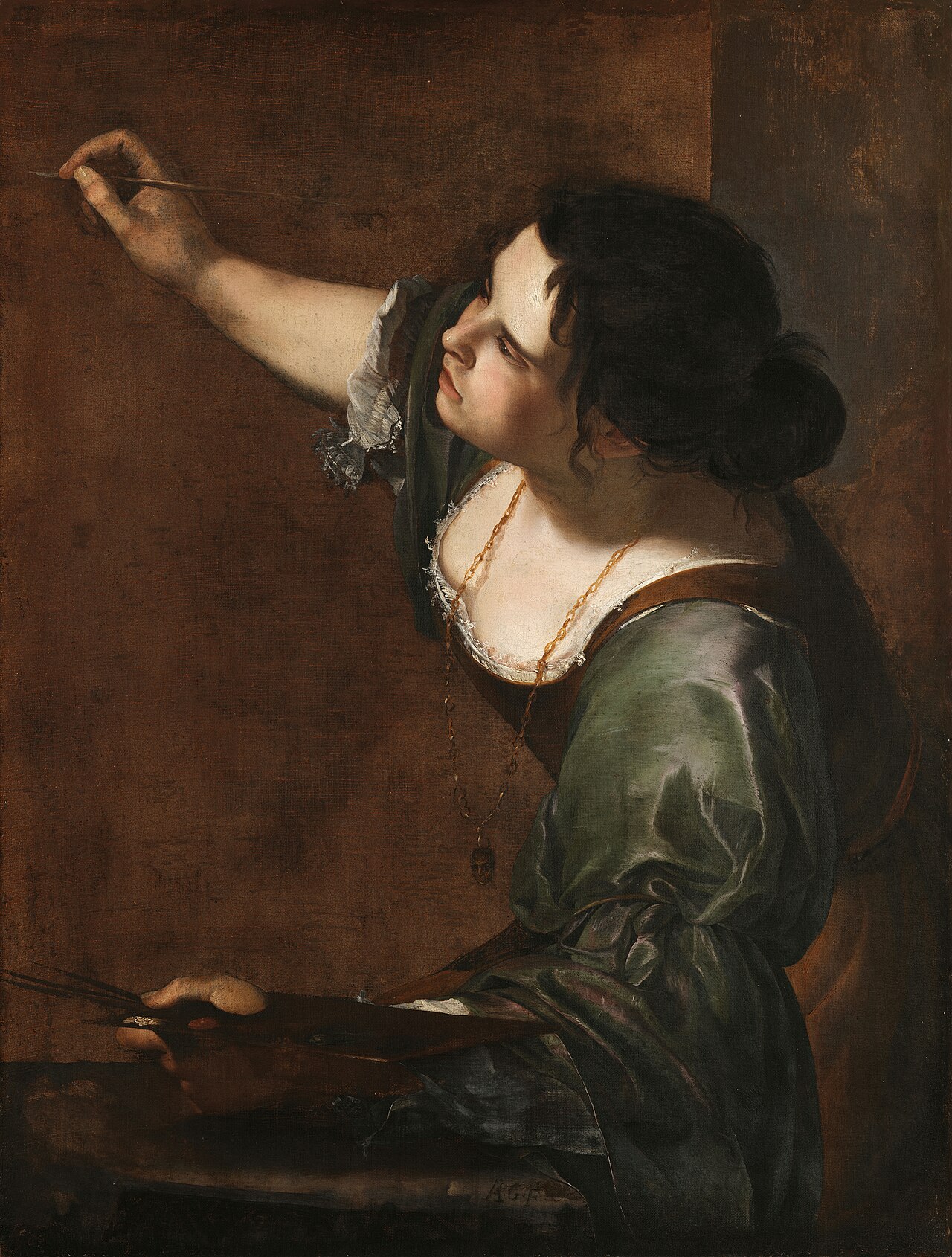
Self-Portrait as the Allegory of Painting
Artemisia Gentileschi · c. 1638-1639
 Painting
Primary source
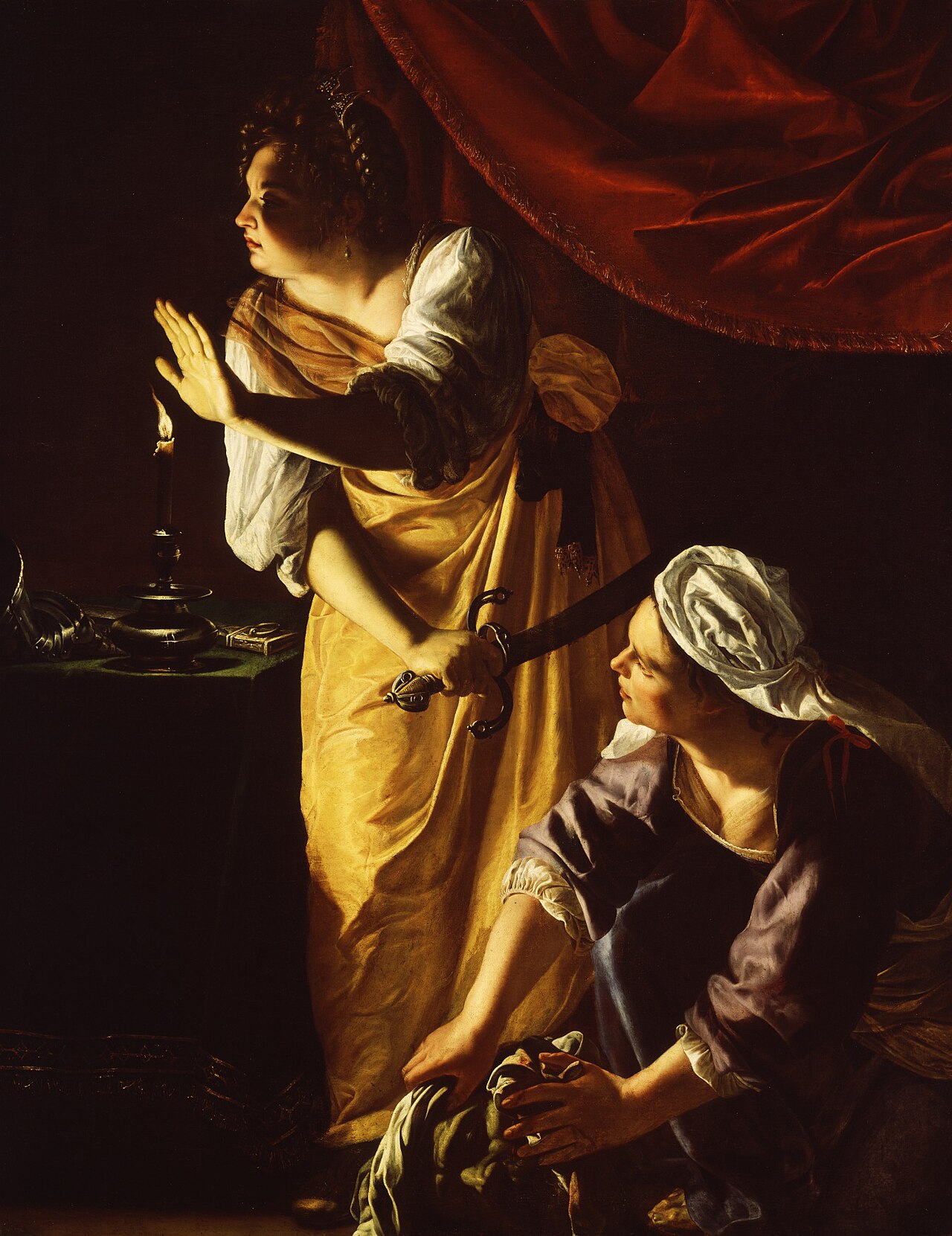
Judith and Maidservant with Head of Holofernes
Artemisia Gentileschi · c. 1623-1625
Ready when you are
Start chatting with Artemisia Gentileschi now.
20 messages free · No credit card · Available in 50+ languages.