


Secondary sourceArtifact3rd century BCE; rebuilt 5th-6th century CE
Mahabodhi Temple
Ashoka (founder); Gupta period builders (present structure) · 3rd century BCE; rebuilt 5th-6th century CE
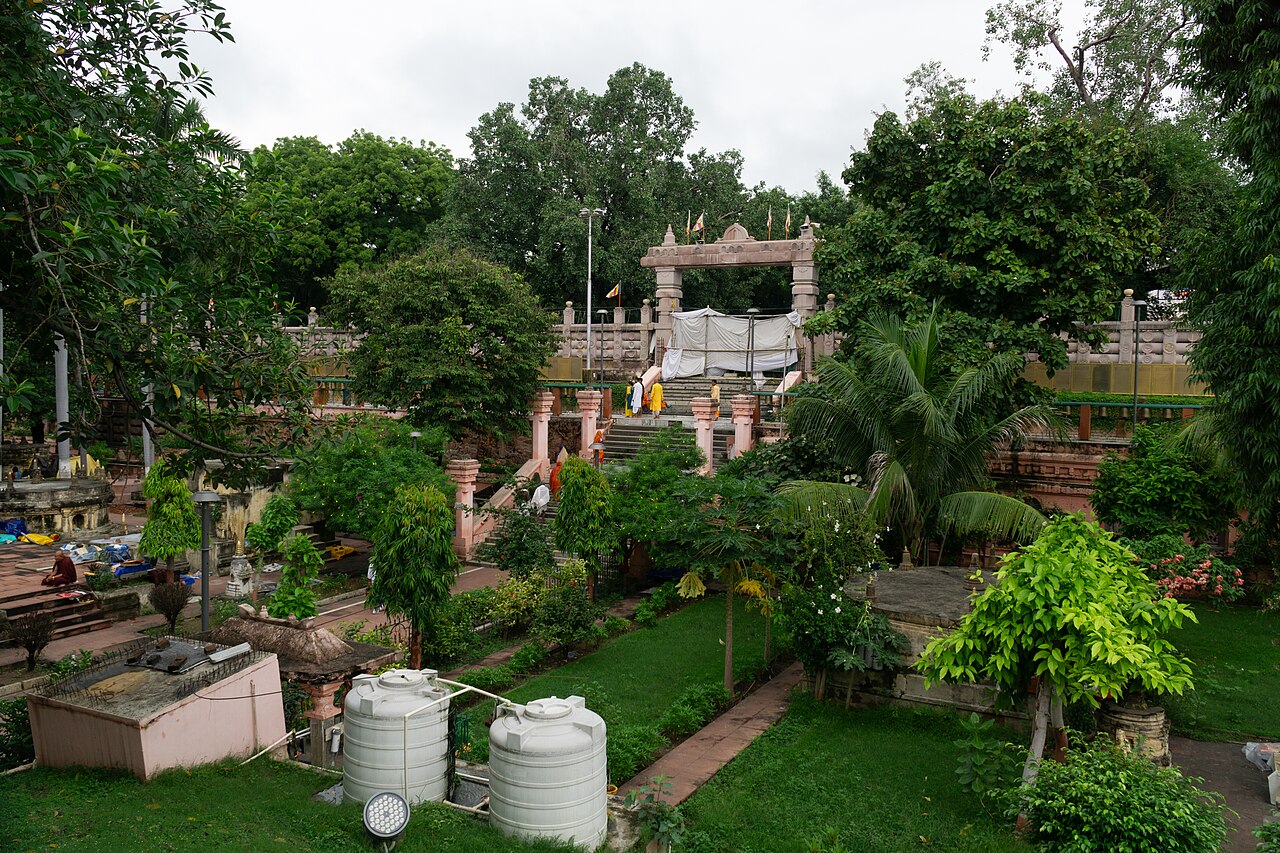
A temple complex at Bodh Gaya marking the spot where the Buddha is believed to have reached awakening under the Bodhi tree.
This temple commemorates the Buddha by marking the traditional site of his awakening.
About this source
What it is
The Mahabodhi Temple stands at Bodh Gaya in Bihar, India. It was founded by the emperor Ashoka in the 3rd century BCE, with the present structure rebuilt during the Gupta period in the 5th-6th centuries CE.
Why it matters
The temple marks the place venerated as the site of the Buddha's awakening. Its continuous rebuilding and veneration since Ashoka's time shows how rulers and followers across centuries honoured the Buddha and kept the memory of this place alive.
Look closer
- Why might a ruler like Ashoka choose to mark this exact spot?
- What does it mean that the temple was rebuilt centuries after it was founded?
- What can a modern photograph of the site tell us, and what can it not tell us, about events said to have happened here long ago?
This artifact is part of the curated material that grounds the AI version of Buddha on Humy.ai — when students ask about related events, the AI can quote it and cite it.
More Buddha sources
Meet the AI Buddha →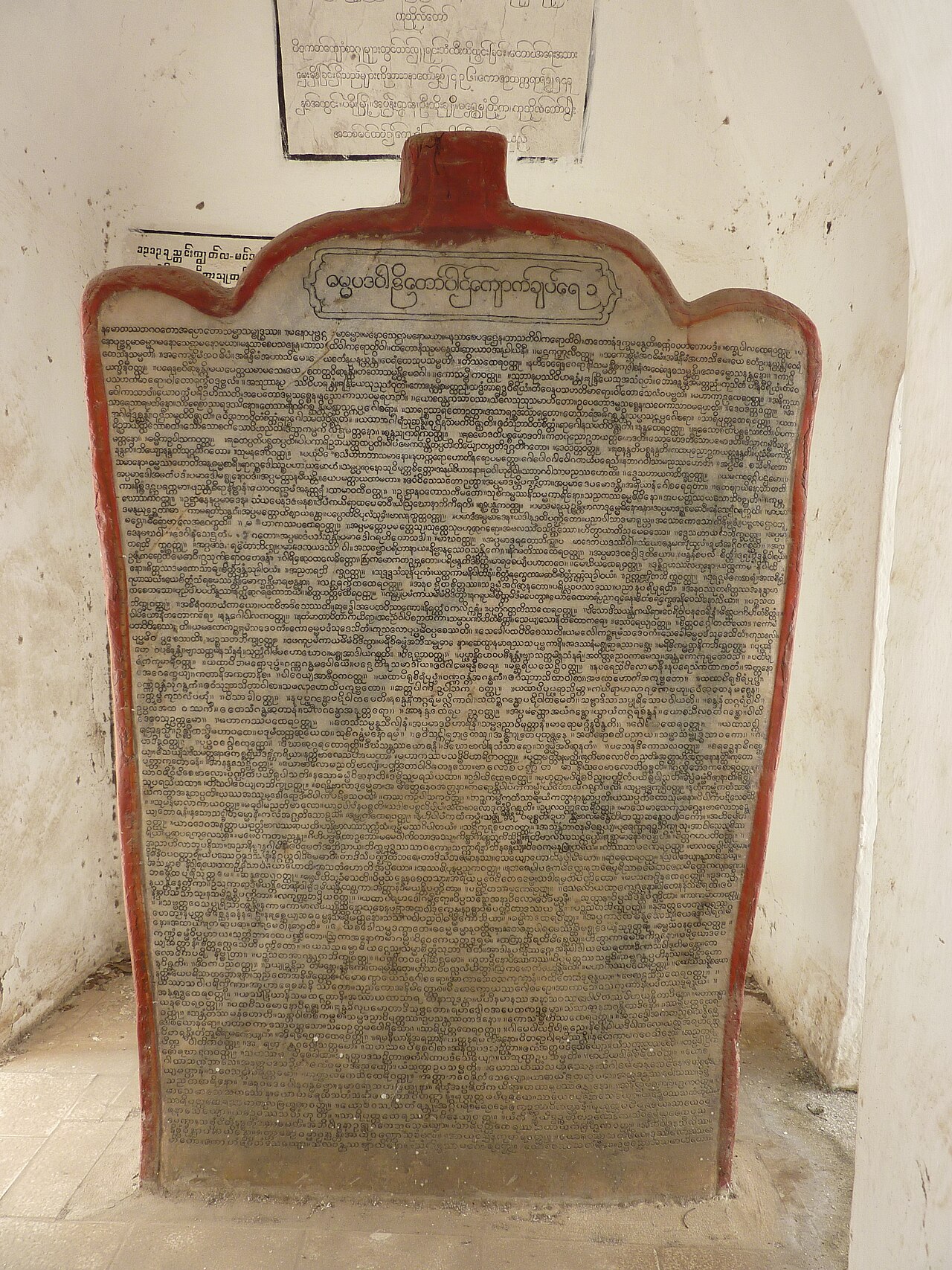 Book
Secondary source
Dhammapada
Attributed to the Buddha · c. 3rd century BCE compilation
 Painting
Secondary source
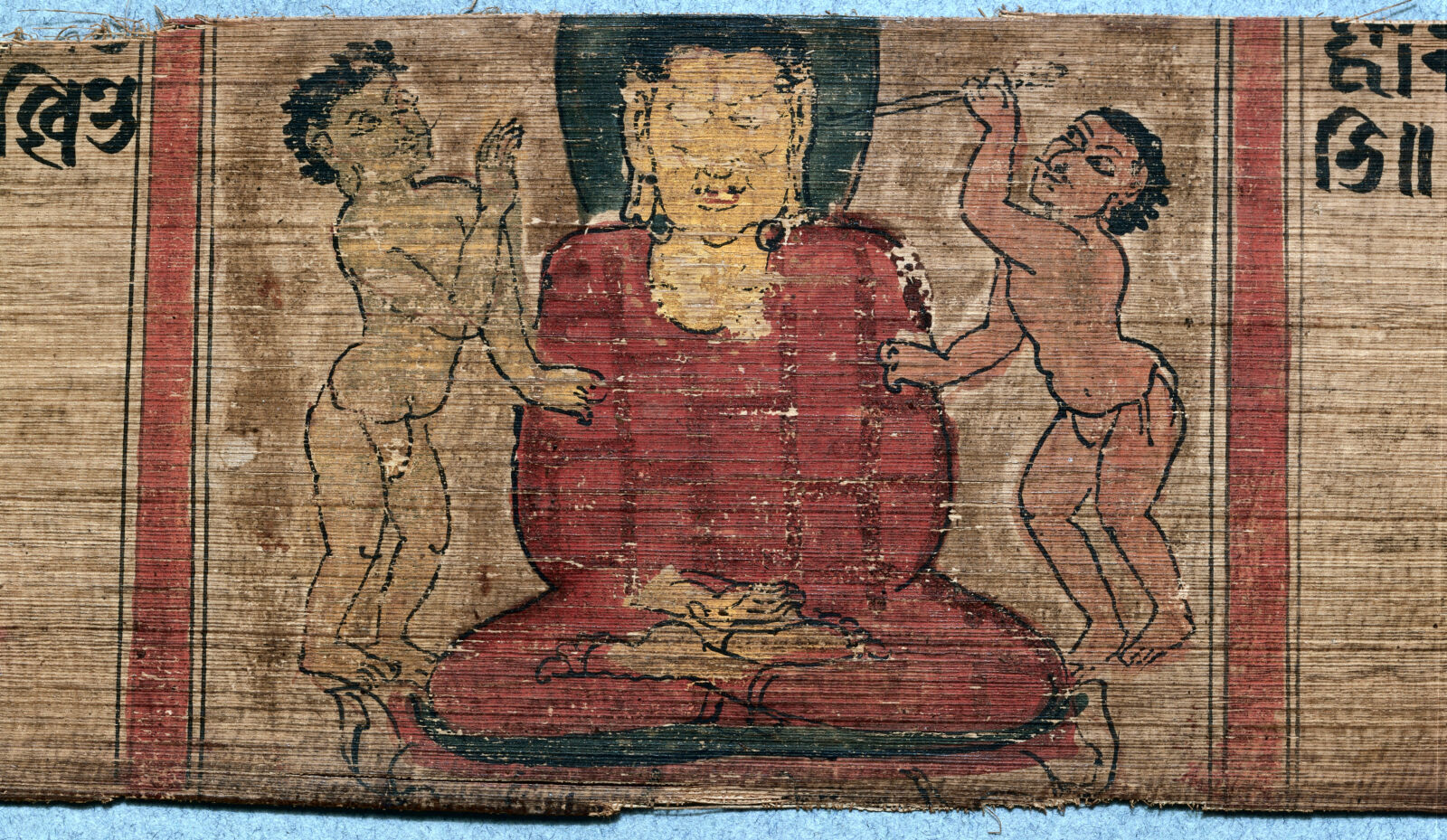
Buddha in Dhyana, Perfection of Wisdom Sutra Manuscript
1074
 Sculpture
Secondary source
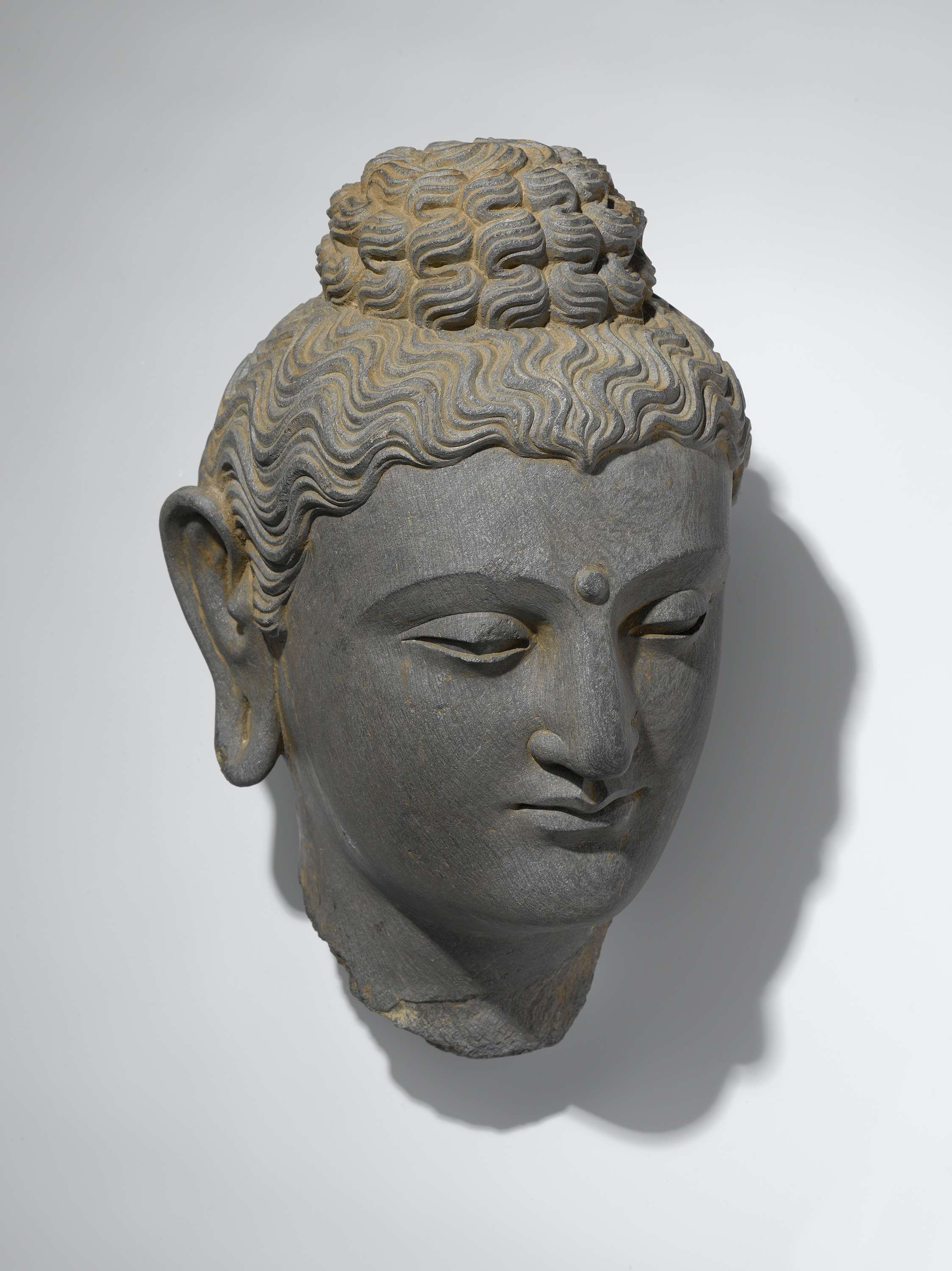
Head of the Buddha, Gandhara style
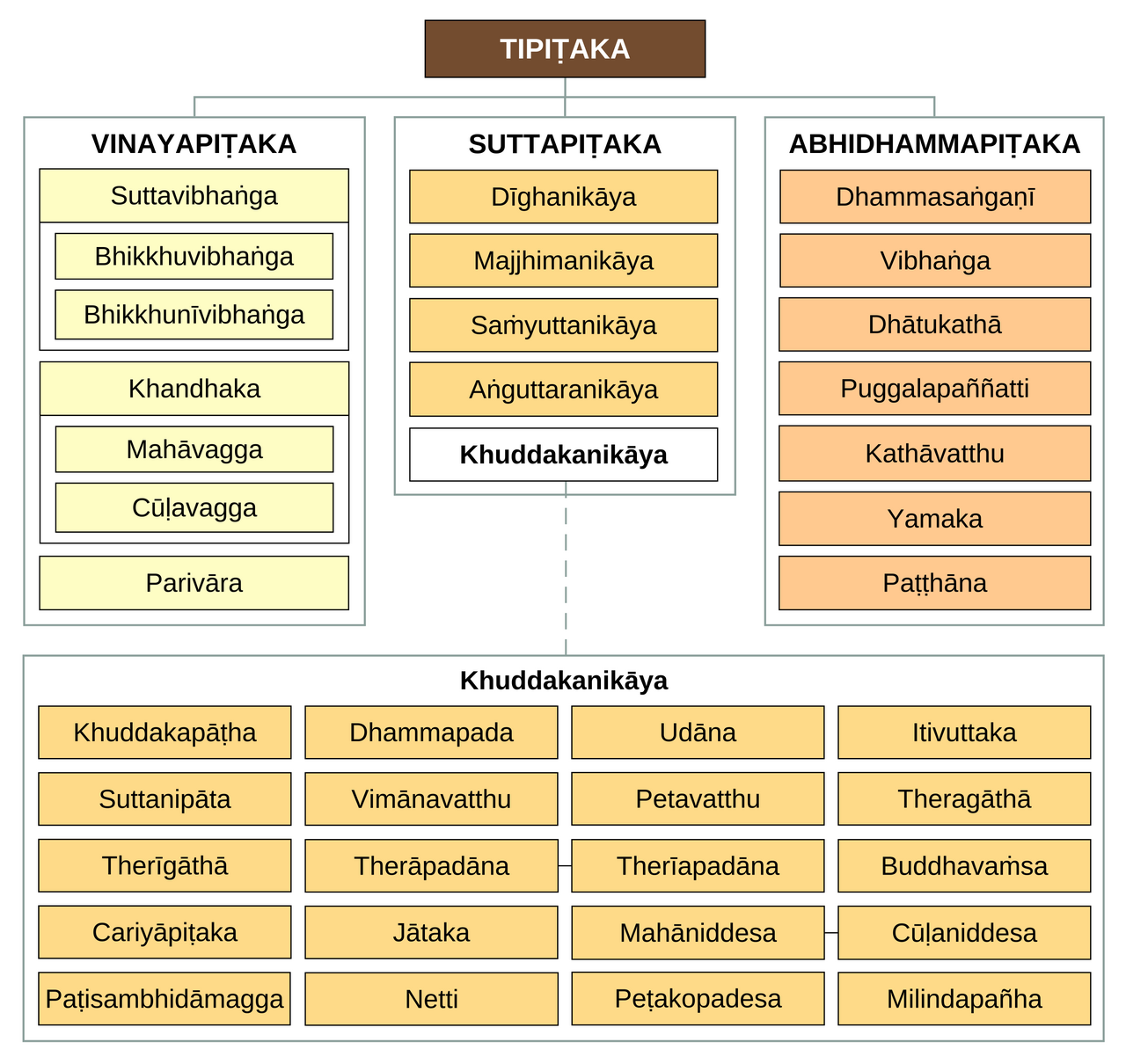 Book
Secondary source
Pali Canon (Tipitaka)
Early Buddhist sangha · oral from 5th century BCE; written c. 29 BCE
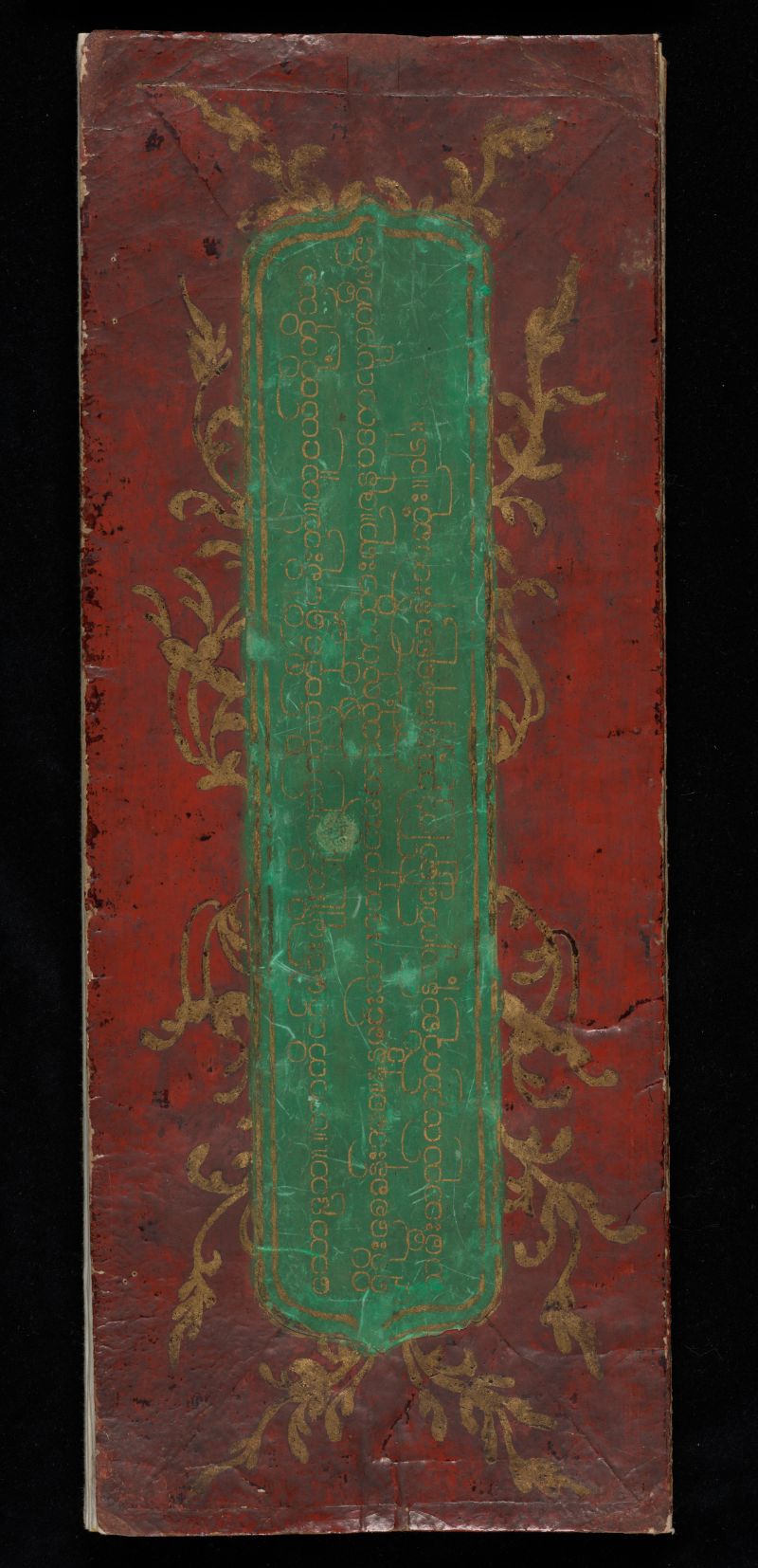 Document
Secondary source
Life of the Buddha
19th century
Ready when you are
Start chatting with Buddha now.
20 messages free · No credit card · Available in 50+ languages.