


Secondary sourceSculpturemoved to Mandalay in 1785
Mahamuni Buddha
moved to Mandalay in 1785
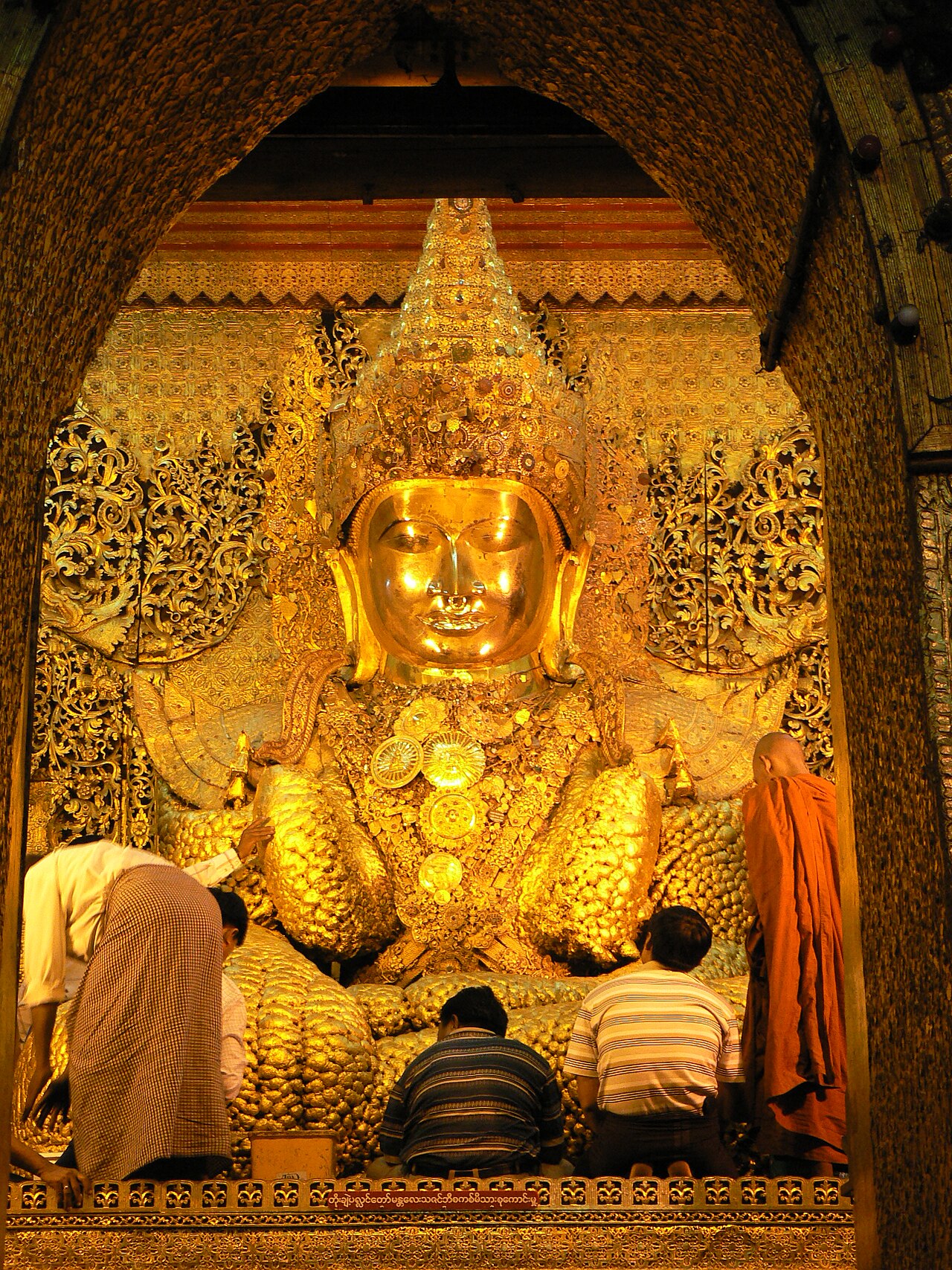
A heavily gilded seated Buddha statue in Mandalay, Myanmar, traditionally said to be a likeness cast during the Buddha's lifetime and among the most venerated images in the country.
Tradition links this statue directly to the Buddha's own lifetime, making it one of the most venerated images associated with him.
About this source
What it is
The Mahamuni Buddha is a large gilded seated statue of the Buddha housed in the Mahamuni Buddha Temple in Mandalay, Myanmar. It was moved to its current location in 1785.
Why it matters
Tradition holds that the statue was cast as a true likeness of the Buddha during his own lifetime, though historically it was brought to Mandalay centuries later. Worshippers regularly press gold leaf onto its surface, which over time has thickened and reshaped the statue, making it Myanmar's most venerated Buddha image and a living example of ongoing devotion.
Look closer
- Why might people believe this statue was made during the Buddha's own lifetime, even if that is not historically certain?
- What does the act of pressing gold leaf onto the statue tell you about how people today express devotion?
- How has repeated gold-leafing physically changed the appearance of the statue over time?
This sculpture is part of the curated material that grounds the AI version of Buddha on Humy.ai — when students ask about related events, the AI can quote it and cite it.
More Buddha sources
Meet the AI Buddha →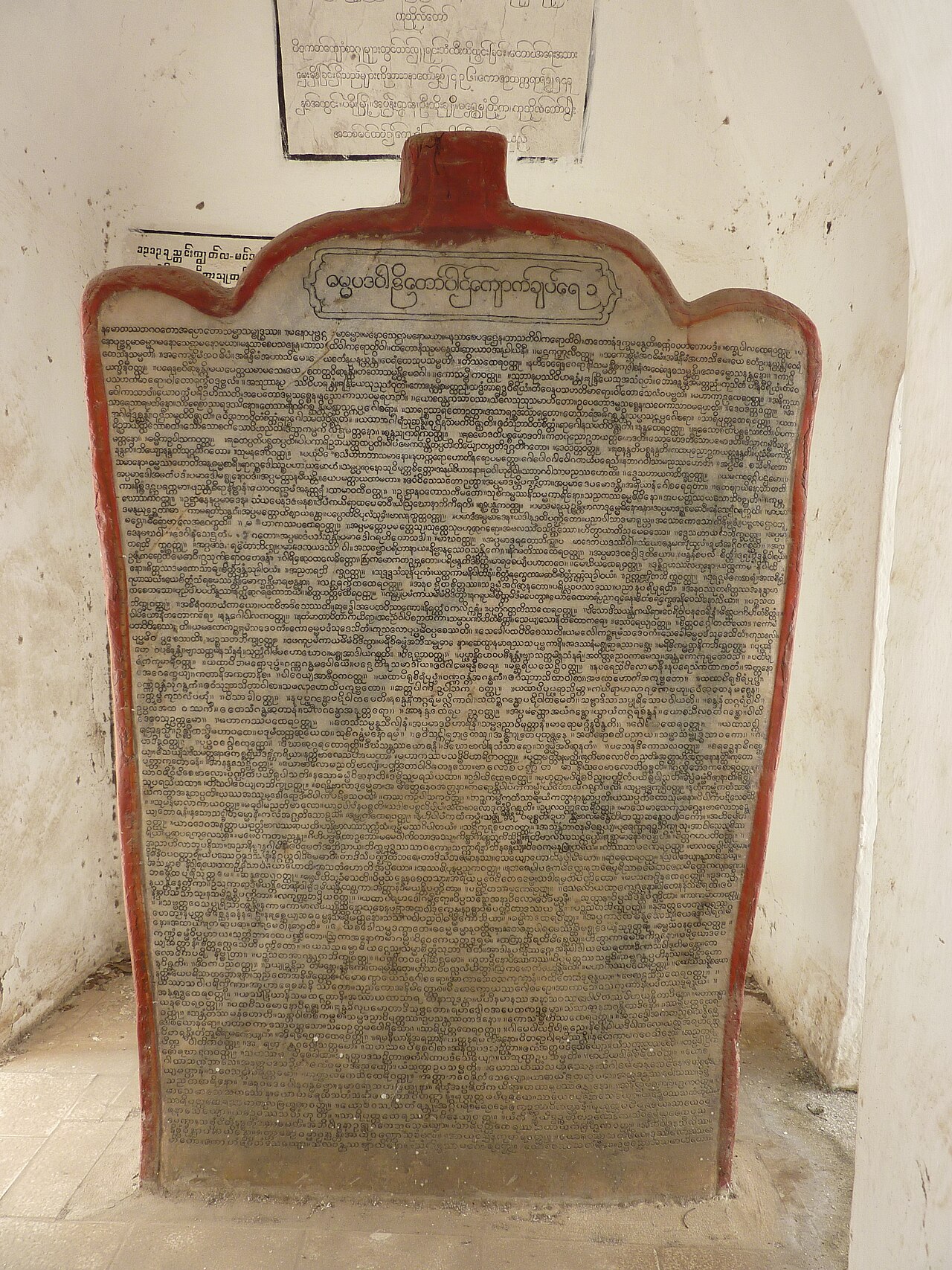 Book
Secondary source
Dhammapada
Attributed to the Buddha · c. 3rd century BCE compilation
 Painting
Secondary source
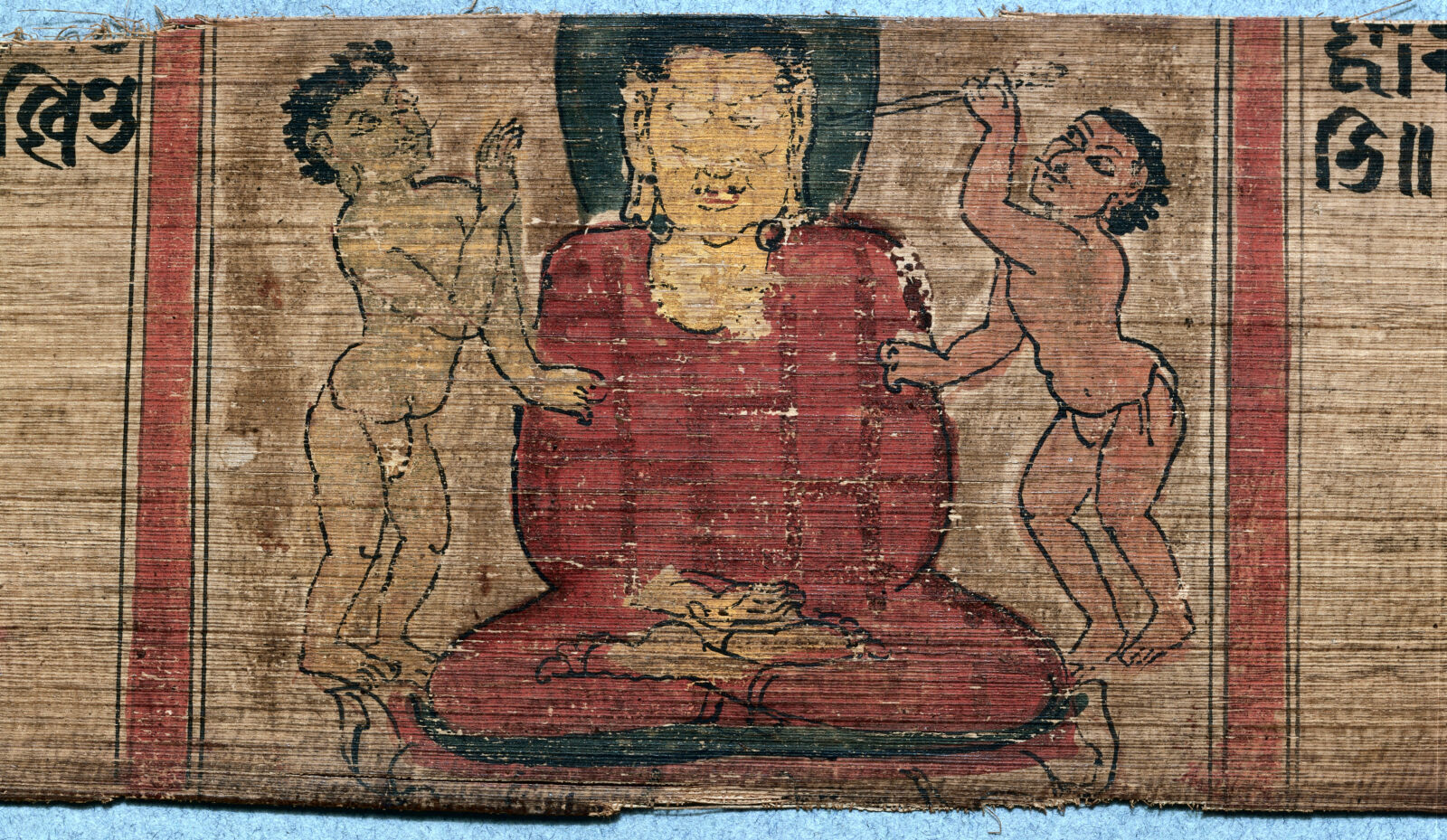
Buddha in Dhyana, Perfection of Wisdom Sutra Manuscript
1074
 Sculpture
Secondary source
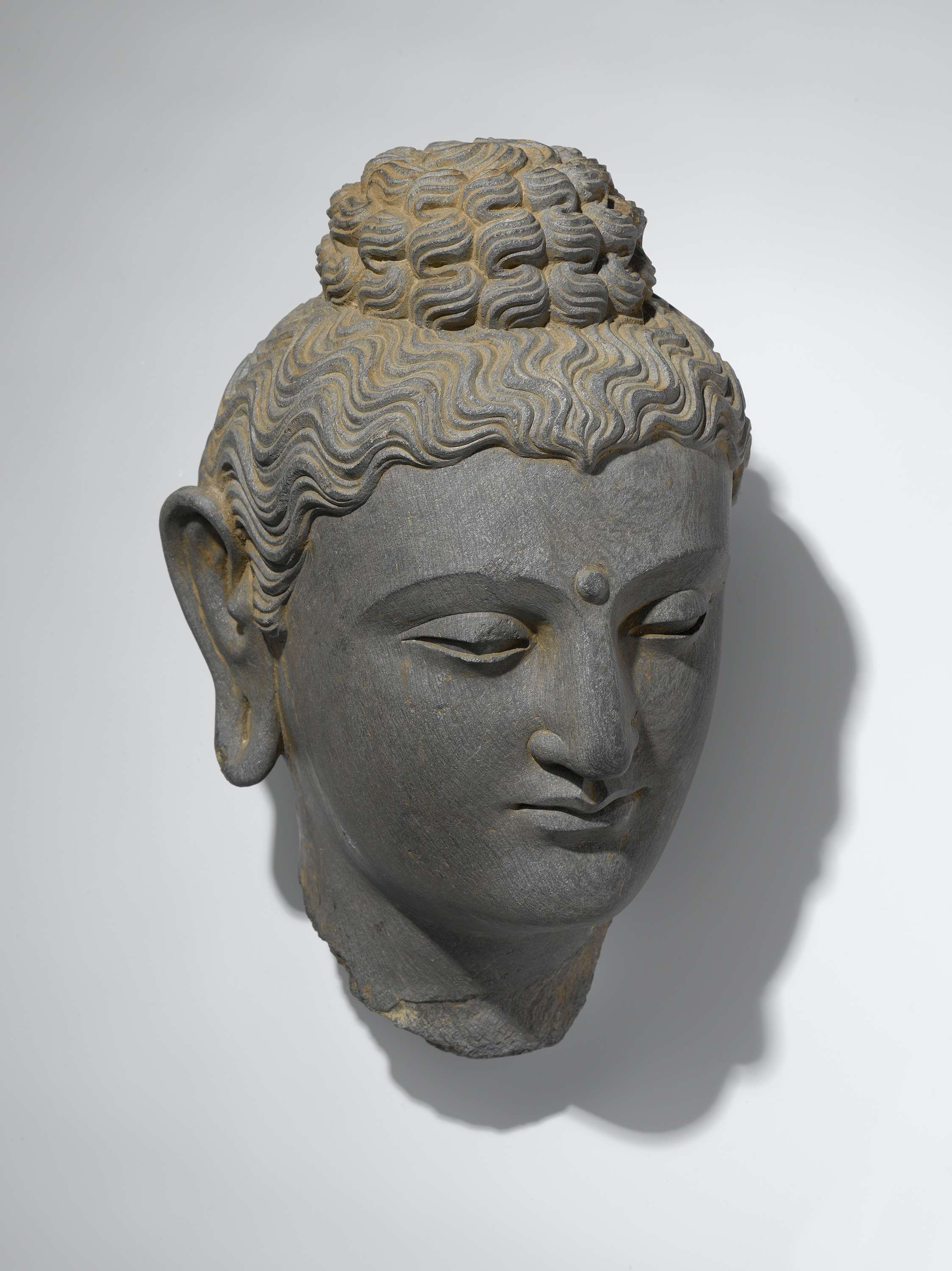
Head of the Buddha, Gandhara style
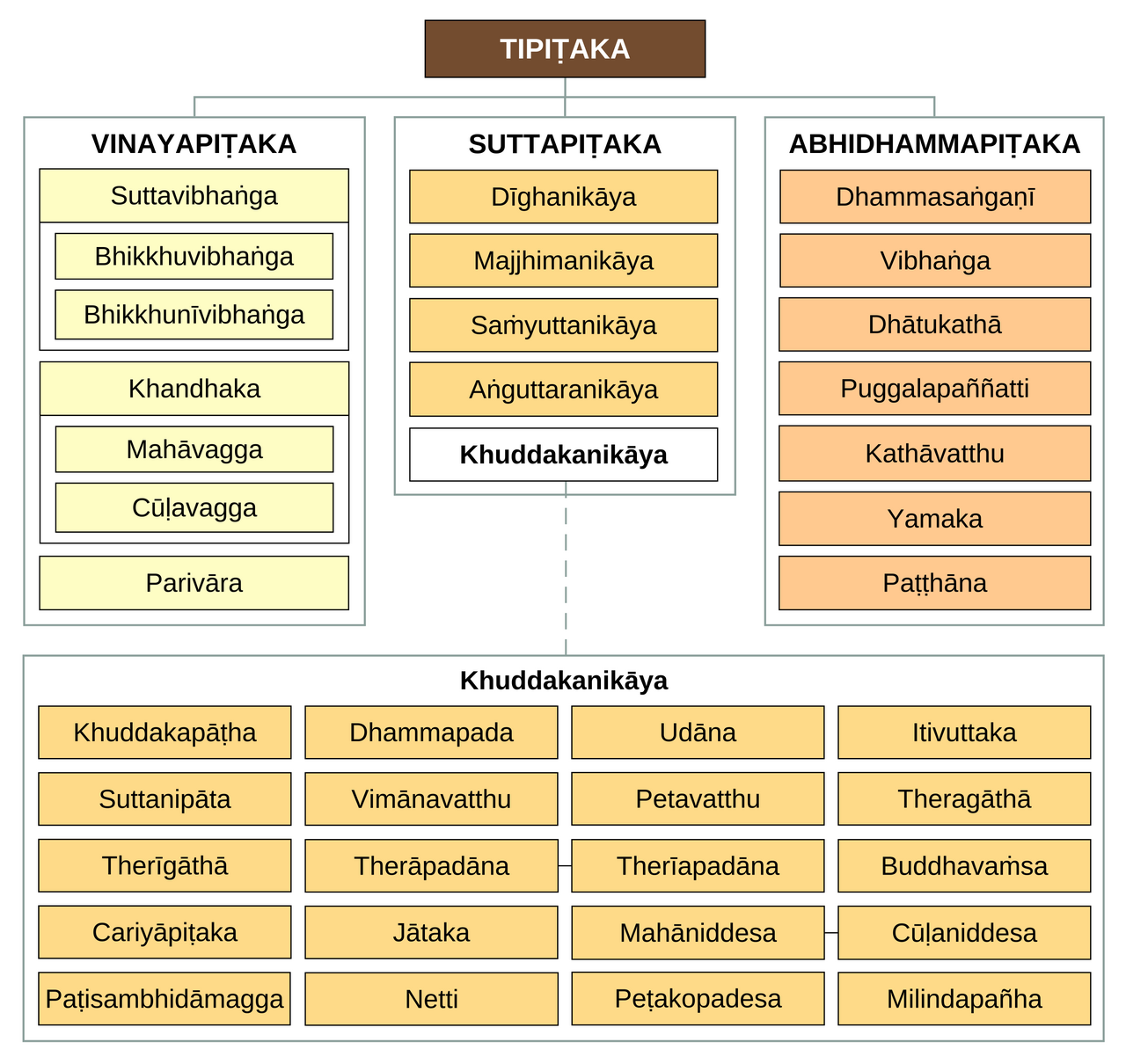 Book
Secondary source
Pali Canon (Tipitaka)
Early Buddhist sangha · oral from 5th century BCE; written c. 29 BCE
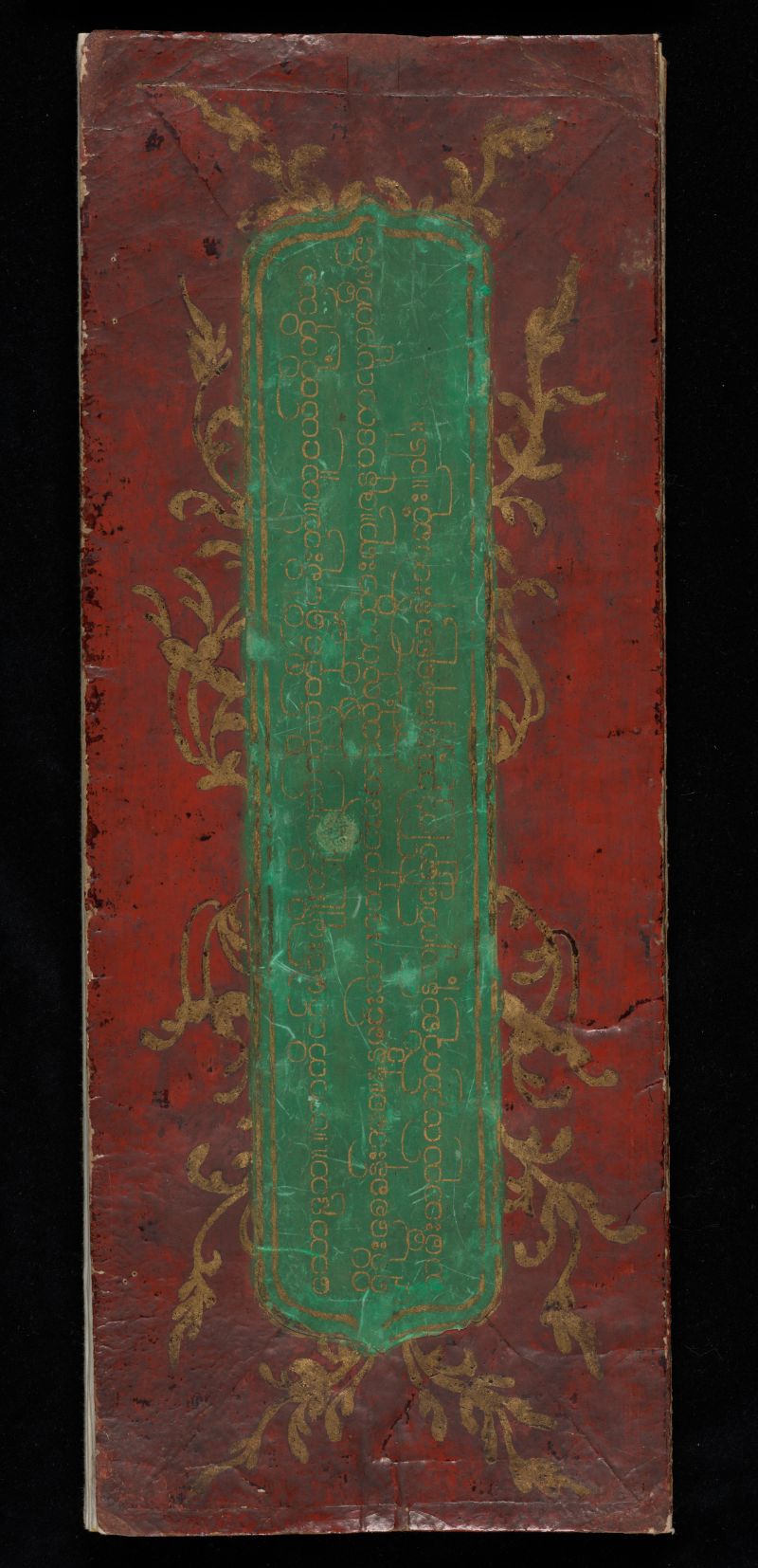 Document
Secondary source
Life of the Buddha
19th century
Ready when you are
Start chatting with Buddha now.
20 messages free · No credit card · Available in 50+ languages.