


Secondary sourceBook
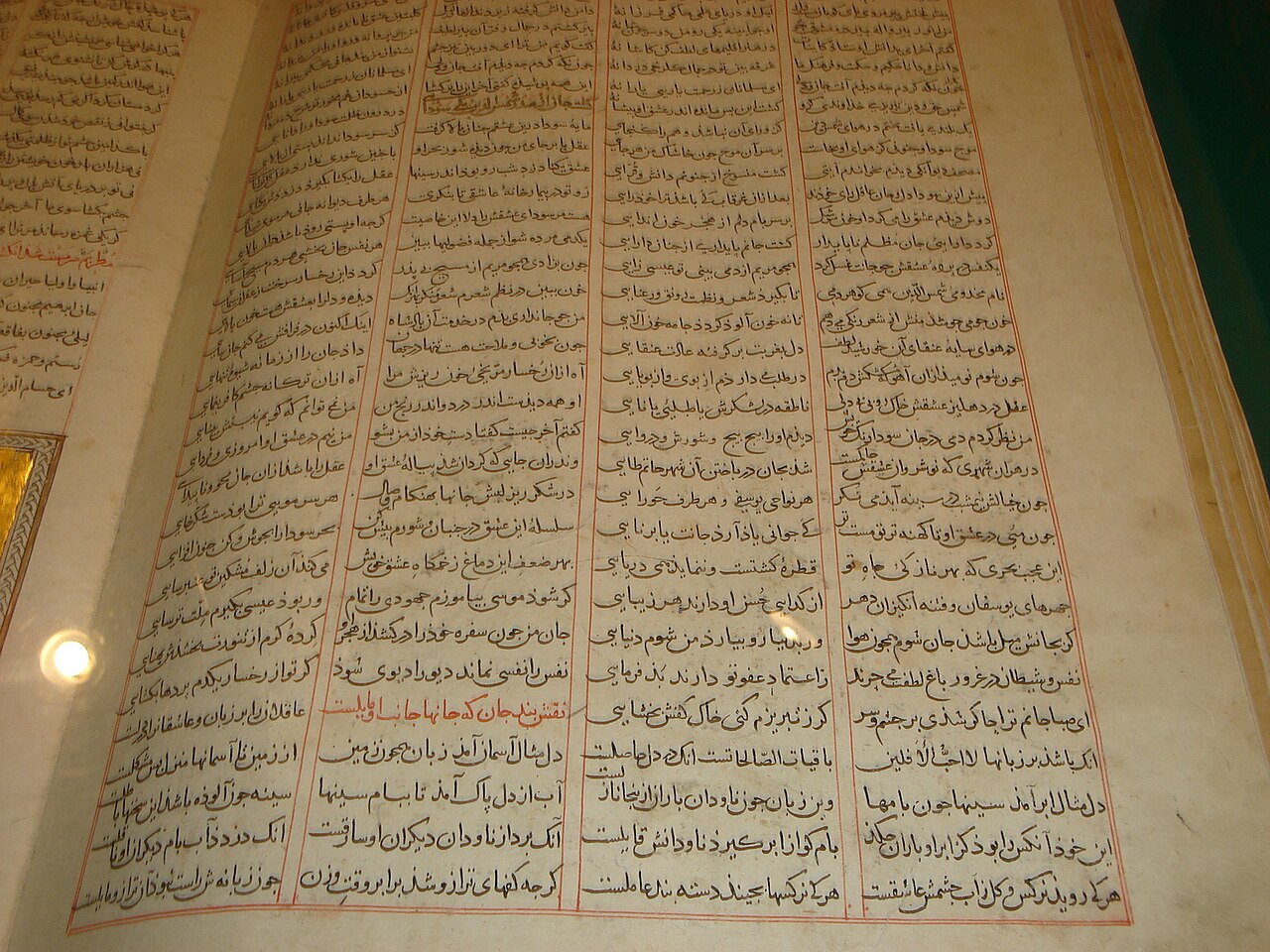
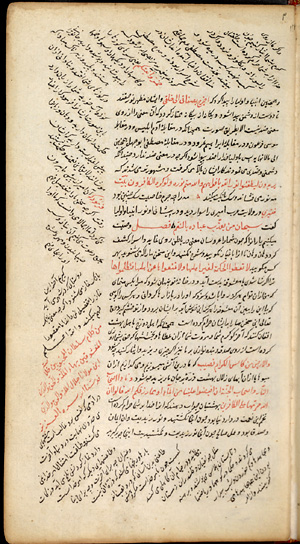
Manuscript of the Masnavi at the Mevlâna Museum
A photograph of an open manuscript copy of Rumi's long poem the Masnavi, on display at his shrine in Konya.
A manuscript of Rumi's poem the Masnavi, preserved and displayed at his own shrine.
About this source
What it is
This photograph shows an open manuscript page written in Persian script in black ink, with red ruled borders, displayed under glass at the Mevlâna Museum in Konya. The museum stands at the site of Rumi's tomb.
Why it matters
The Masnavi is Rumi's major work, a long poem of spiritual teaching. Manuscripts like this one, kept and copied after his death, show how his writing was preserved, studied and revered within the Mevlevi order and beyond, long after he dictated it to his followers.
Look closer
- What details in the layout, like the red lines, suggest care in copying the text?
- Why might this manuscript be displayed at Rumi's shrine rather than in a separate library?
- What does this manuscript not tell us about Rumi's own handwriting or voice?
This book is part of the curated material that grounds the AI version of Rumi (Jalāl ad-Dīn Muhammad Rūmī) on Humy.ai — when students ask about related events, the AI can quote it and cite it.
More Rumi (Jalāl ad-Dīn Muhammad Rūmī) sources
Meet the AI Rumi (Jalāl ad-Dīn Muhammad Rūmī) →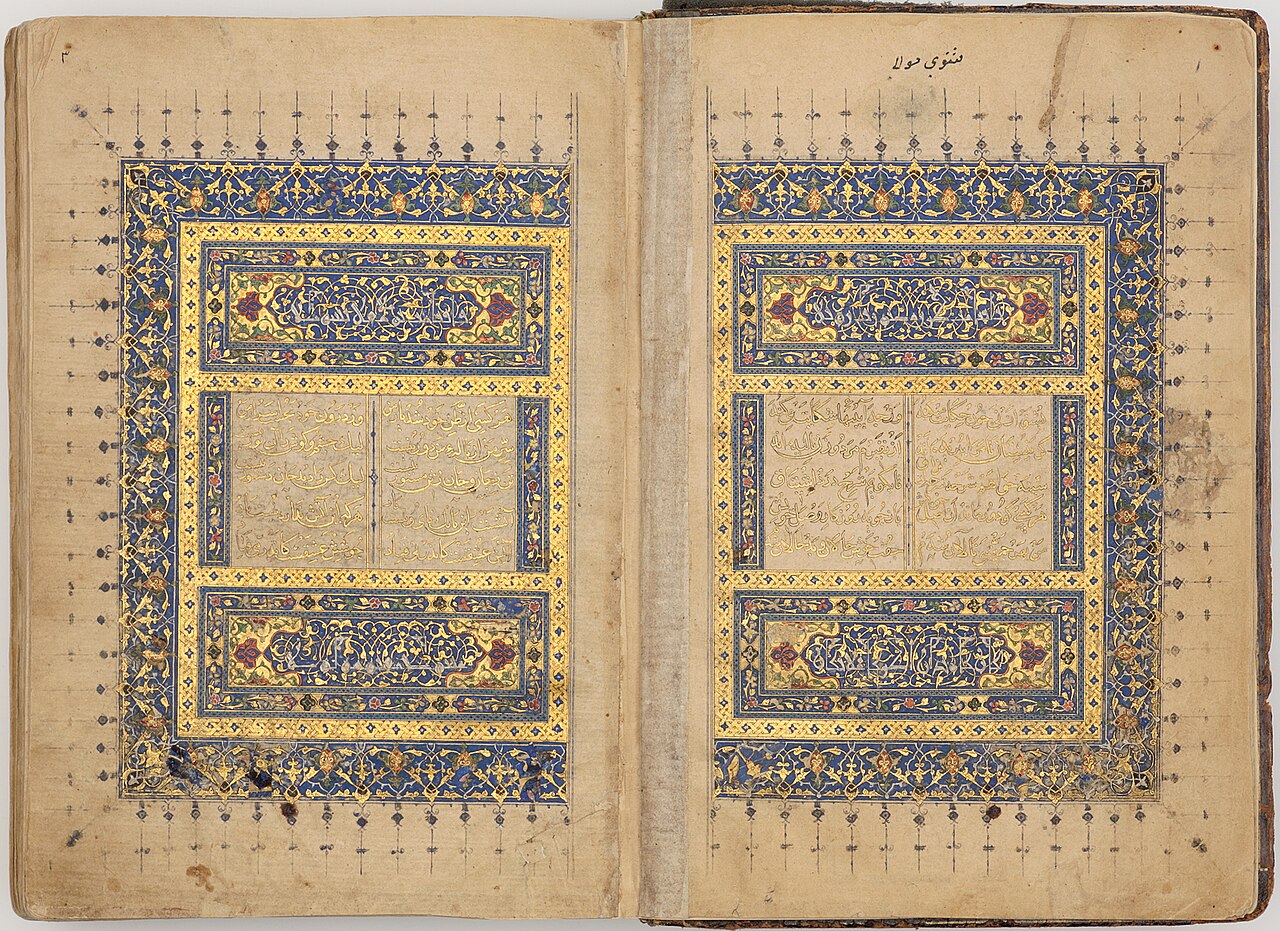 Book
Primary source
Masnavi
Rumi · c. 1258-1273
 Book
Primary source
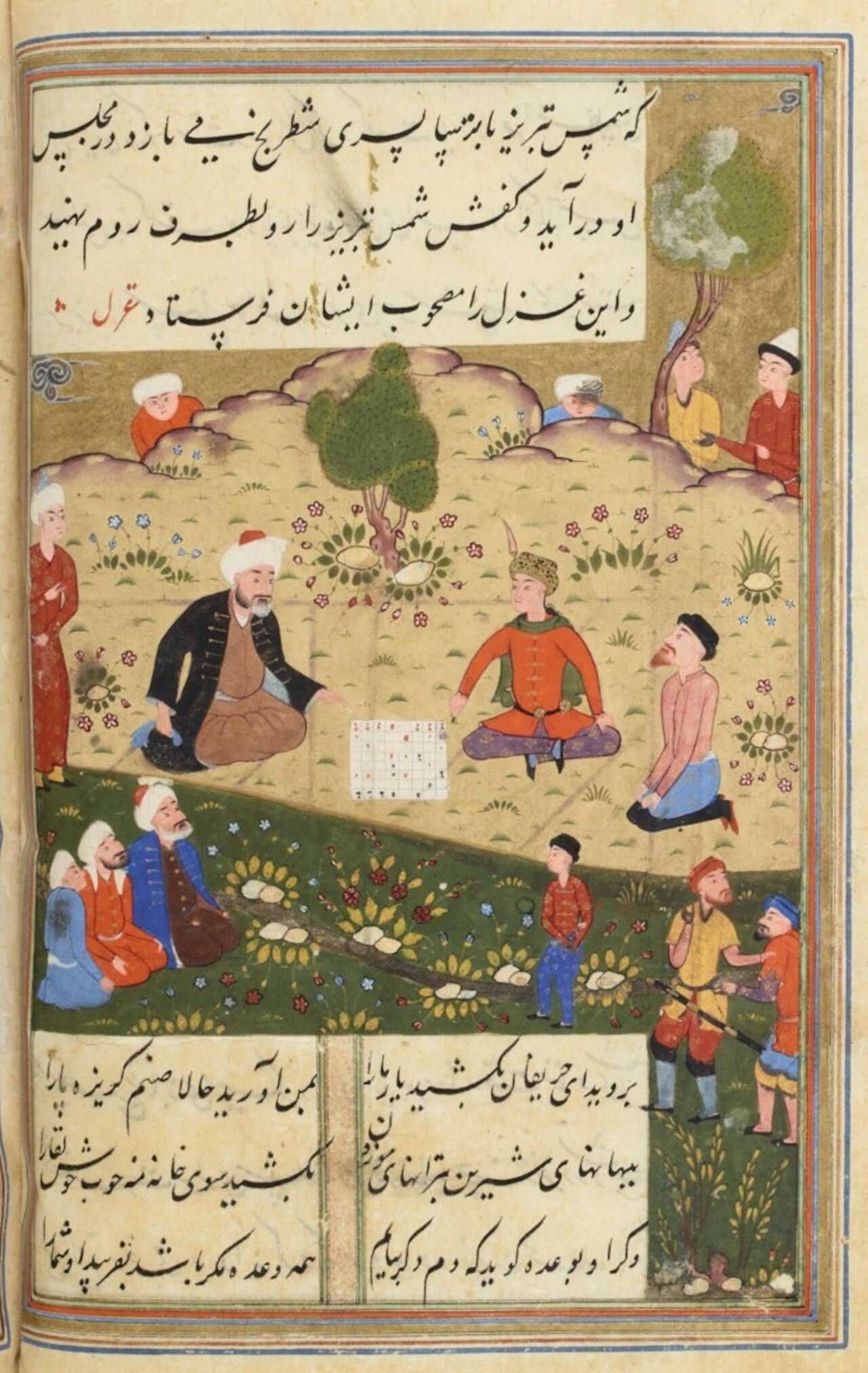
Diwan-e Shams-e Tabrizi
Rumi · c. 1247 onward
 Artifact
Secondary source
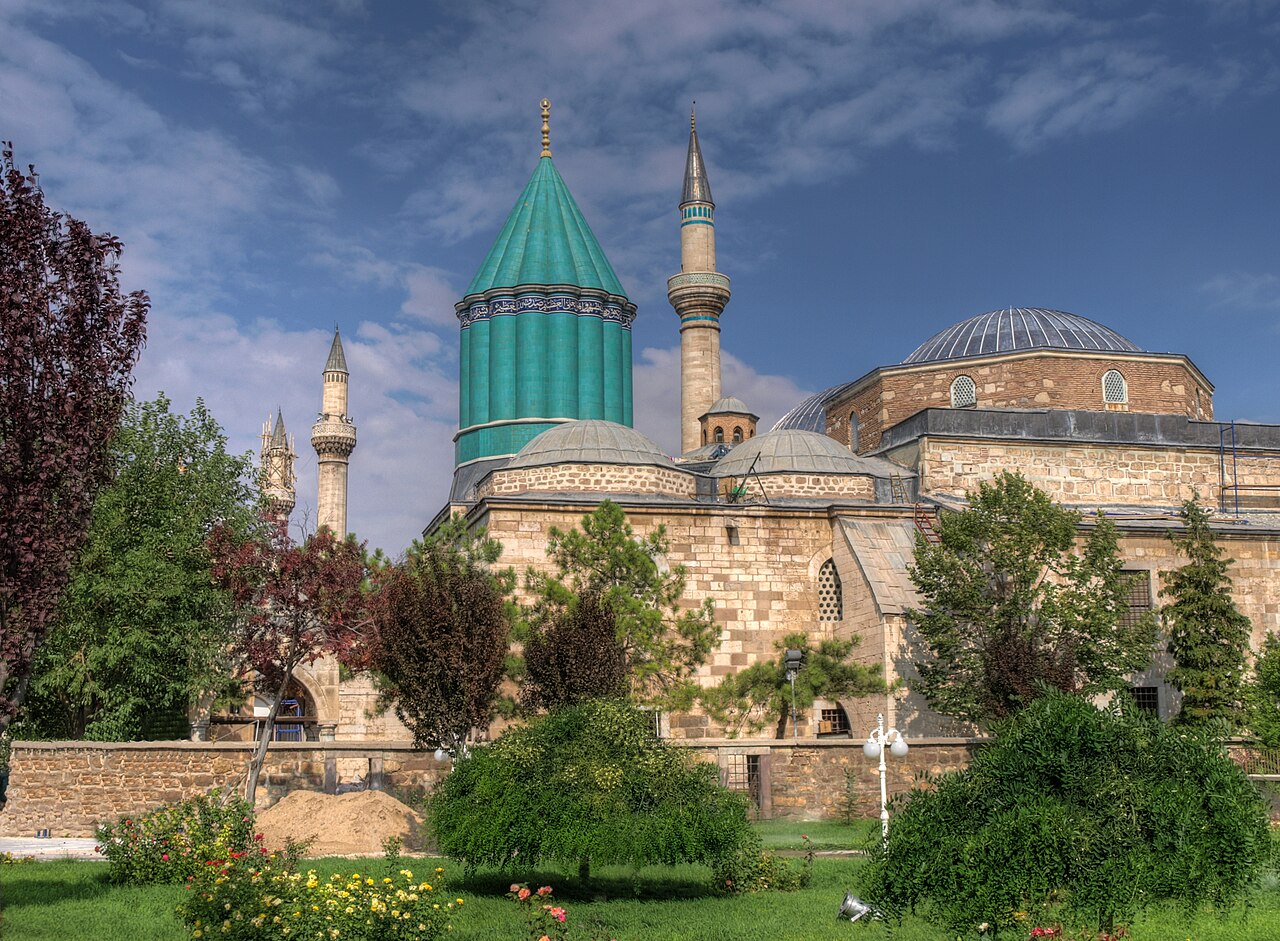
Grave of Rumi
soon after 1273
 Book
Primary source
Fihi Ma Fihi
Rumi · c. 1260-1273
 Artifact
Secondary source
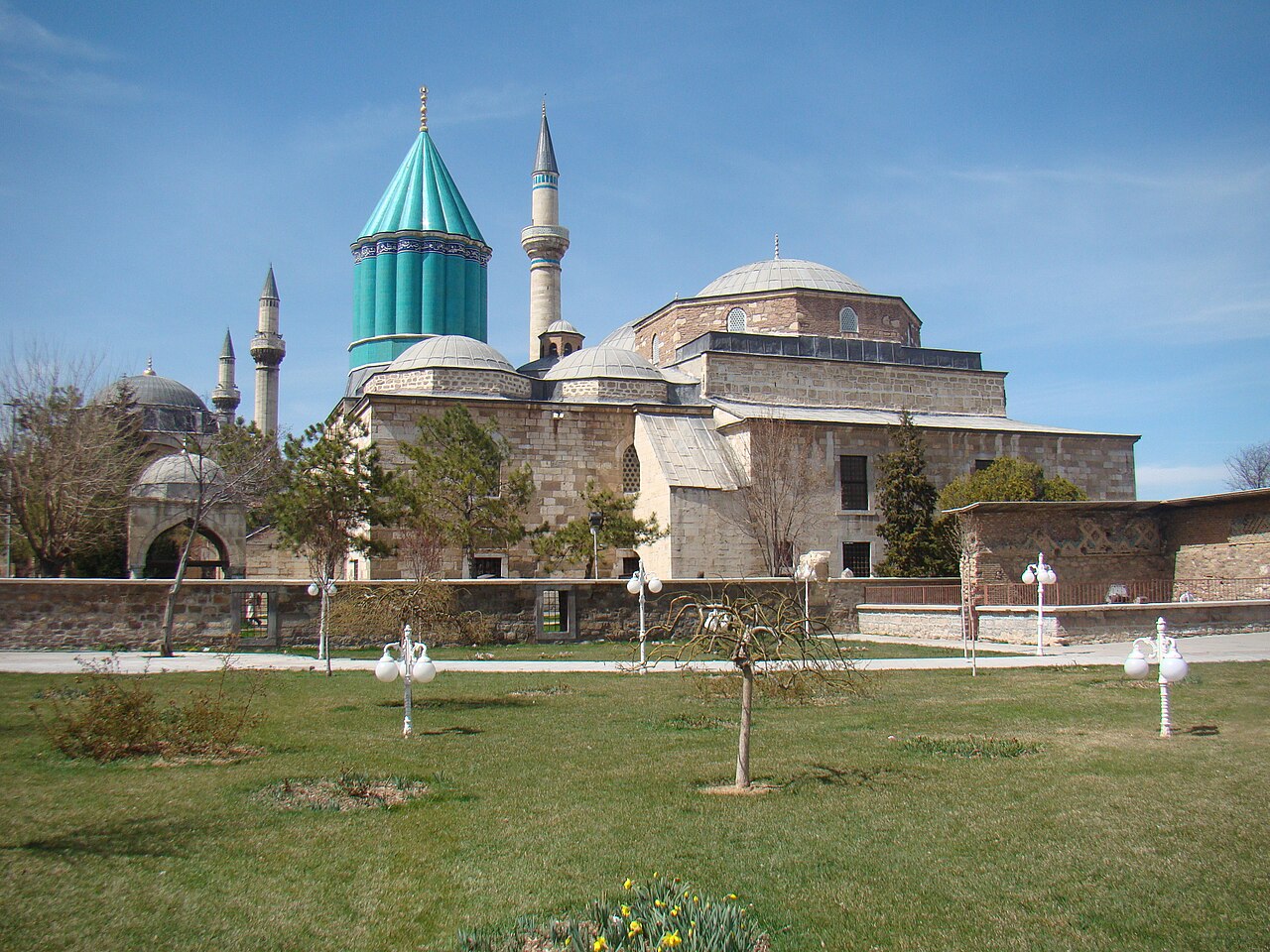
Mevlâna Museum
Badr al-Din Tabrizi (architect) · built soon after 1273; museum since 1926
Ready when you are
Start chatting with Rumi (Jalāl ad-Dīn Muhammad Rūmī) now.
20 messages free · No credit card · Available in 50+ languages.