


Secondary sourcePaintingc. 1000 CE
Mara Experiences the Buddha
c. 1000 CE
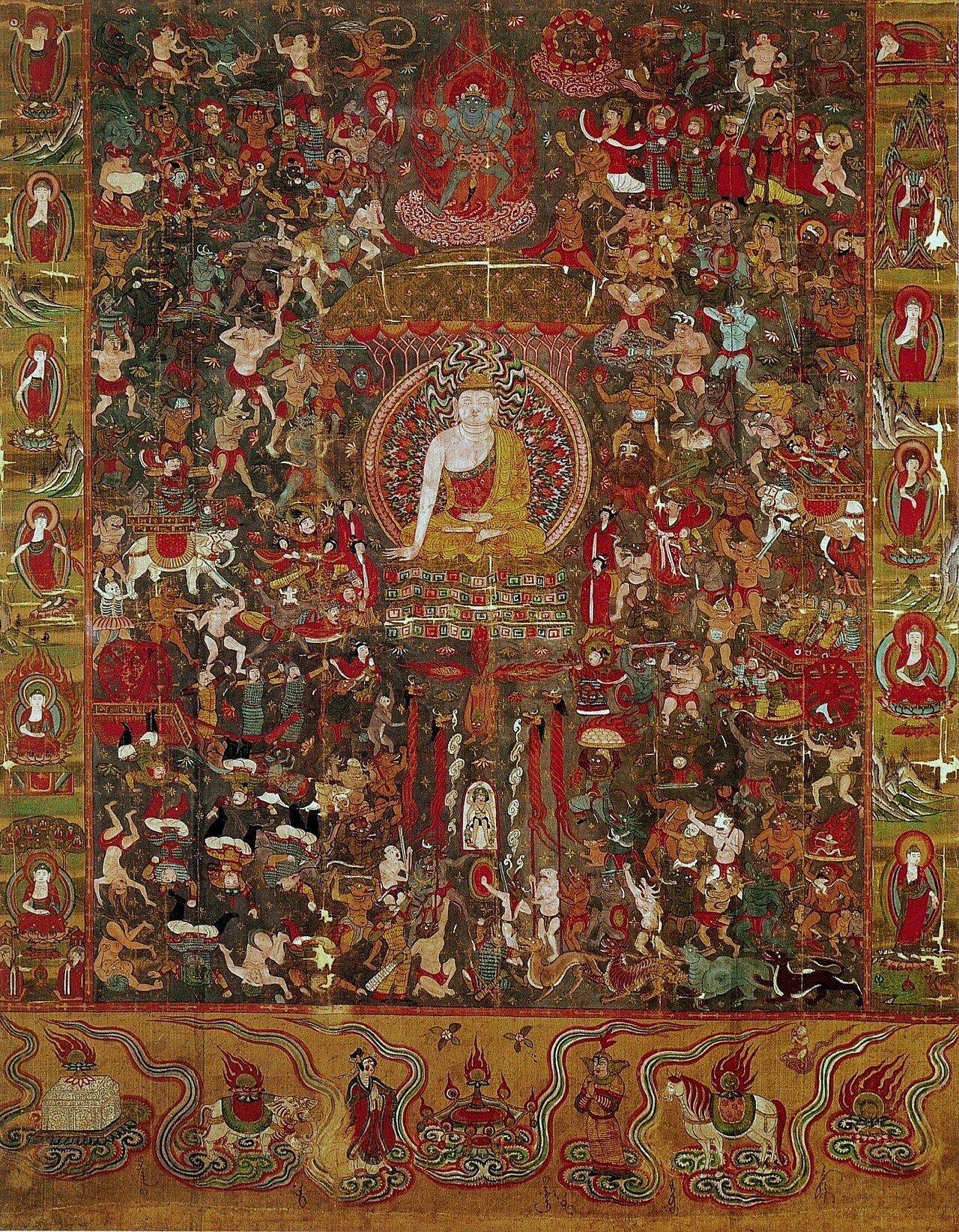
A 10th-century silk painting from Dunhuang depicting Mara's assault on the Buddha, filled with demons and warriors.
This painting depicts the Buddha's trial by the demon Mara, a central story in his life.
About this source
What it is
This silk painting, dated to around 1000 CE, comes from Dunhuang along the Silk Road and is now held at the Guimet Museum. It shows a seated golden Buddha with a haloed back panel, surrounded by crowds of demons and armed warriors.
Why it matters
The painting illustrates the story of Mara's attack on the Buddha, a key episode just before his enlightenment. Found along the Silk Road, it shows how Buddhist art and stories travelled across Central Asia and China, carried by traders, monks, and pilgrims over many centuries.
Why it matters
Dunhuang was a major hub for Buddhist art, and paintings like this reveal the scale and imagination used to depict spiritual struggle in visual form.
Look closer
- What mood does the crowd of demons and warriors create around the Buddha?
- Why do you think the Buddha is shown so much larger and calmer than the figures around him?
- What does this painting suggest about how far Buddhist imagery had spread by this time?
This painting is part of the curated material that grounds the AI version of Buddha on Humy.ai — when students ask about related events, the AI can quote it and cite it.
More Buddha sources
Meet the AI Buddha →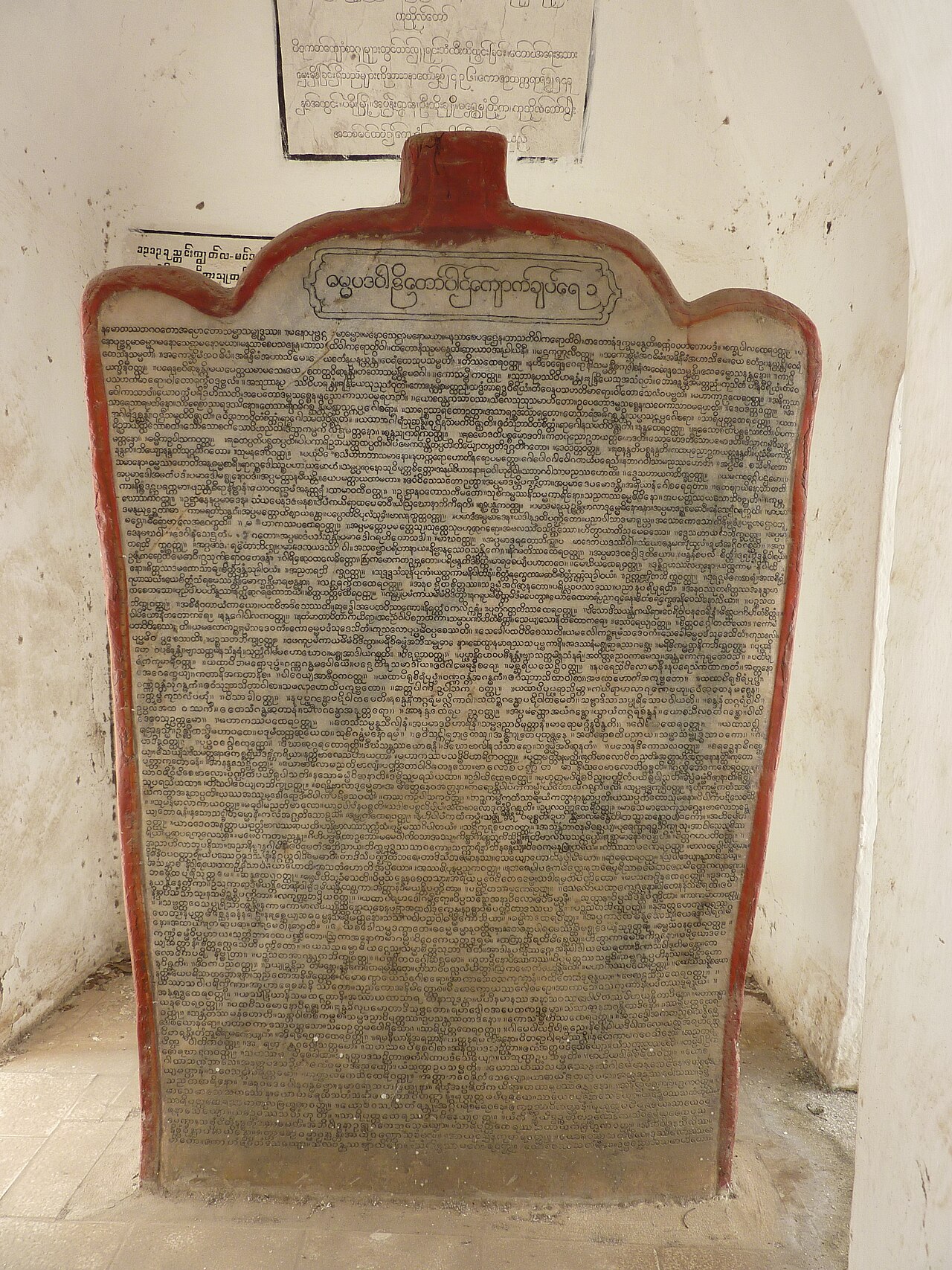 Book
Secondary source
Dhammapada
Attributed to the Buddha · c. 3rd century BCE compilation
 Painting
Secondary source
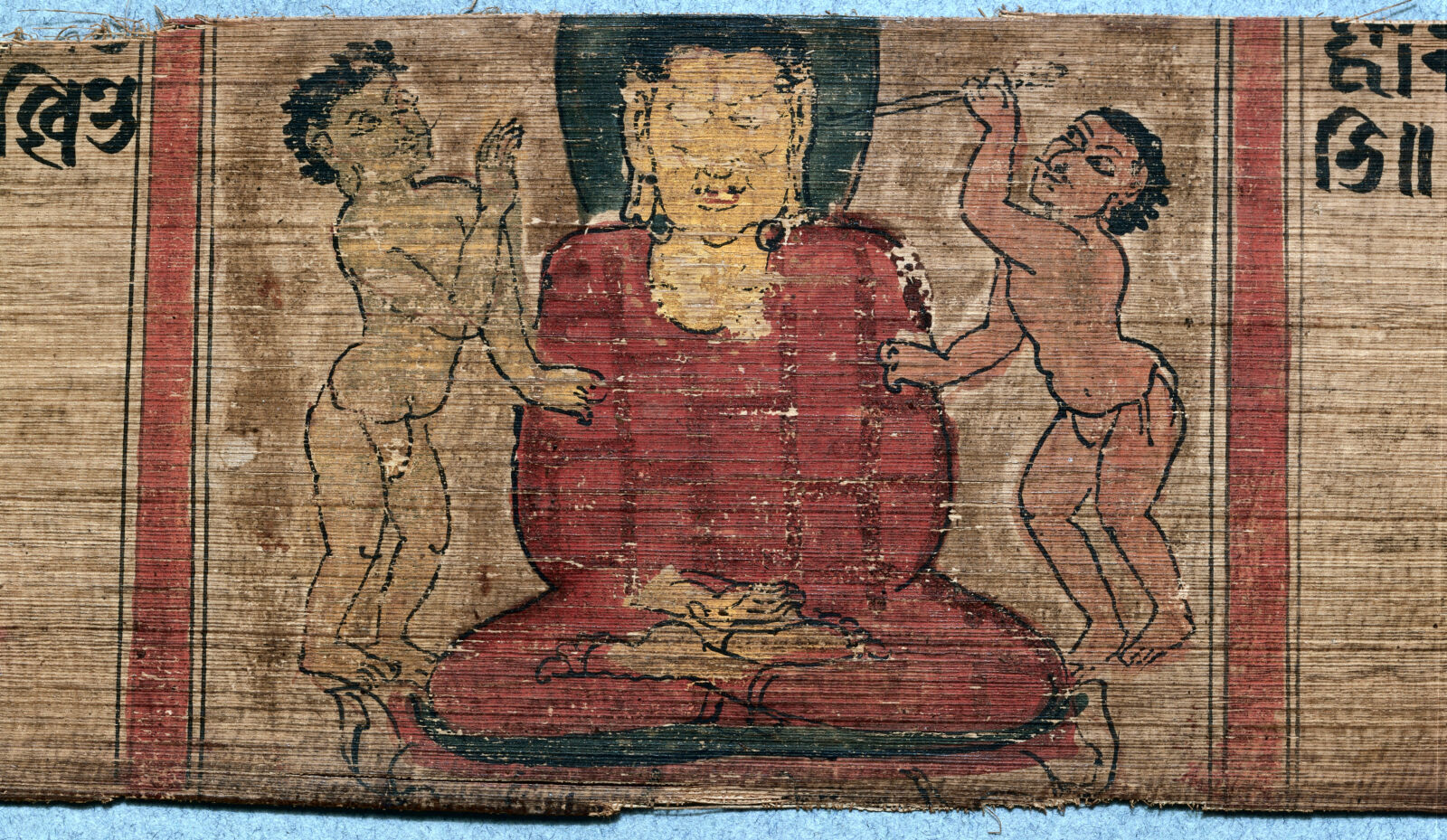
Buddha in Dhyana, Perfection of Wisdom Sutra Manuscript
1074
 Sculpture
Secondary source
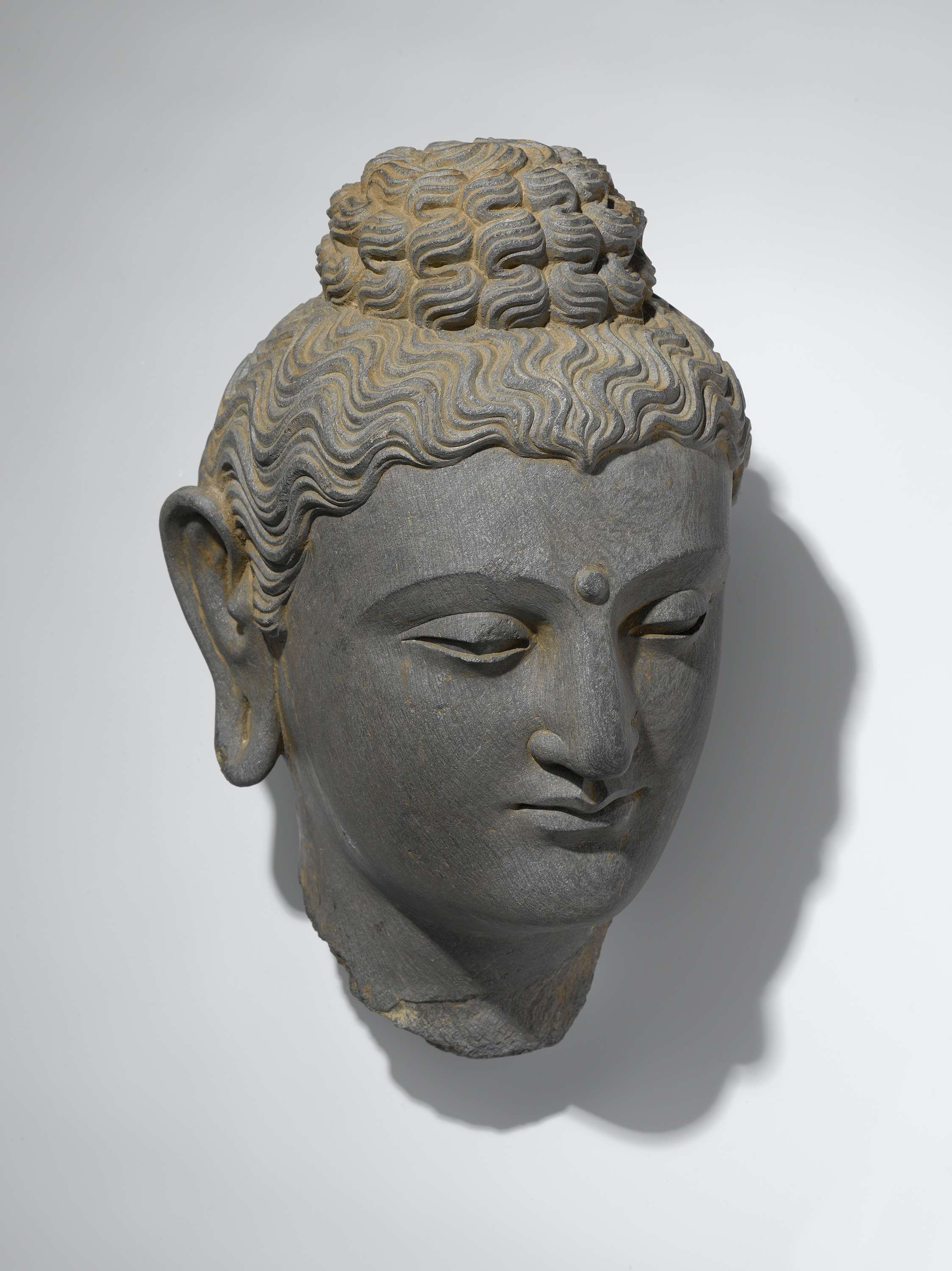
Head of the Buddha, Gandhara style
 Book
Secondary source
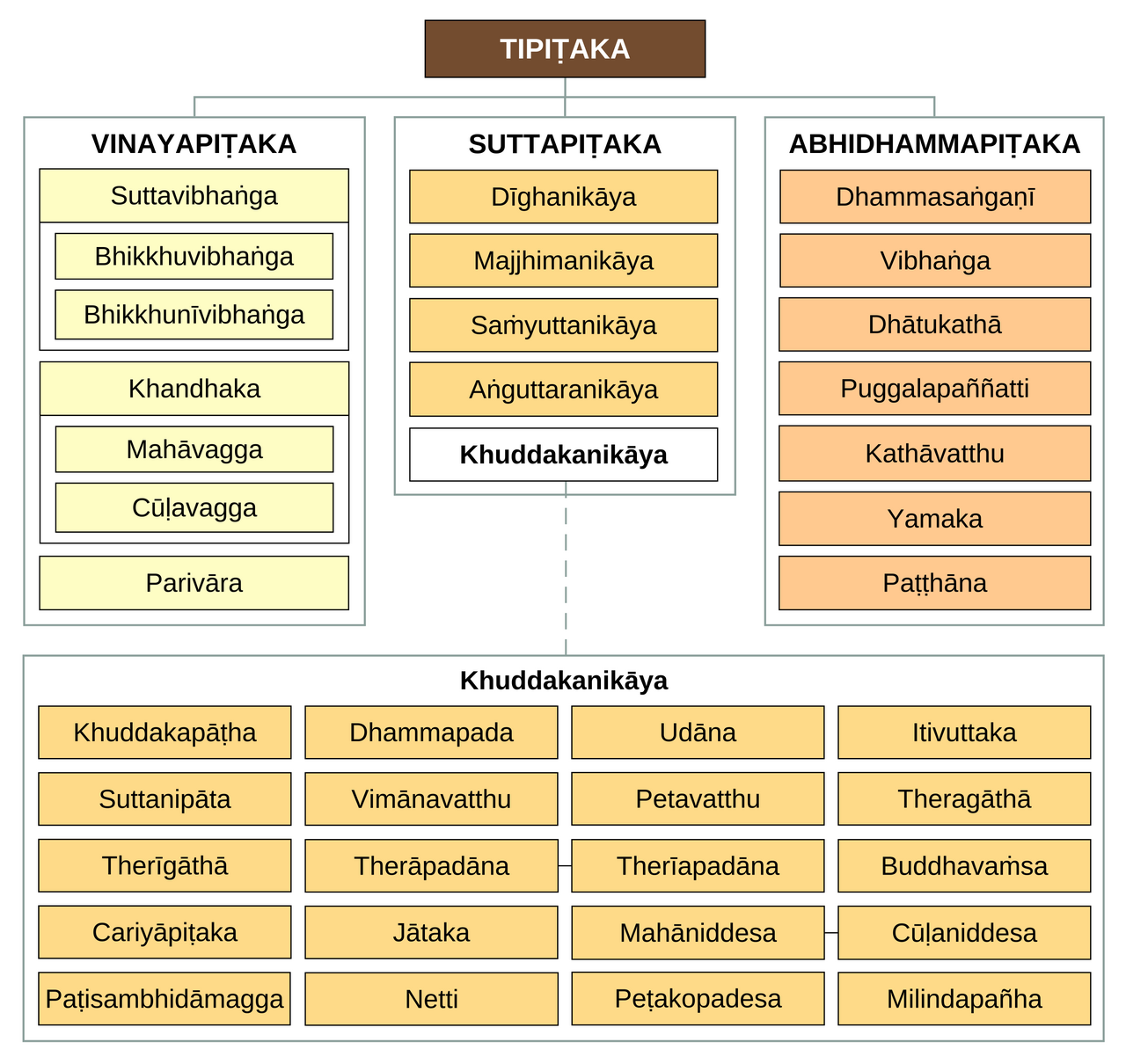
Pali Canon (Tipitaka)
Early Buddhist sangha · oral from 5th century BCE; written c. 29 BCE
 Document
Secondary source
Life of the Buddha
19th century
Ready when you are
Start chatting with Buddha now.
20 messages free · No credit card · Available in 50+ languages.