


Primary sourceSculpturec. 20 BC
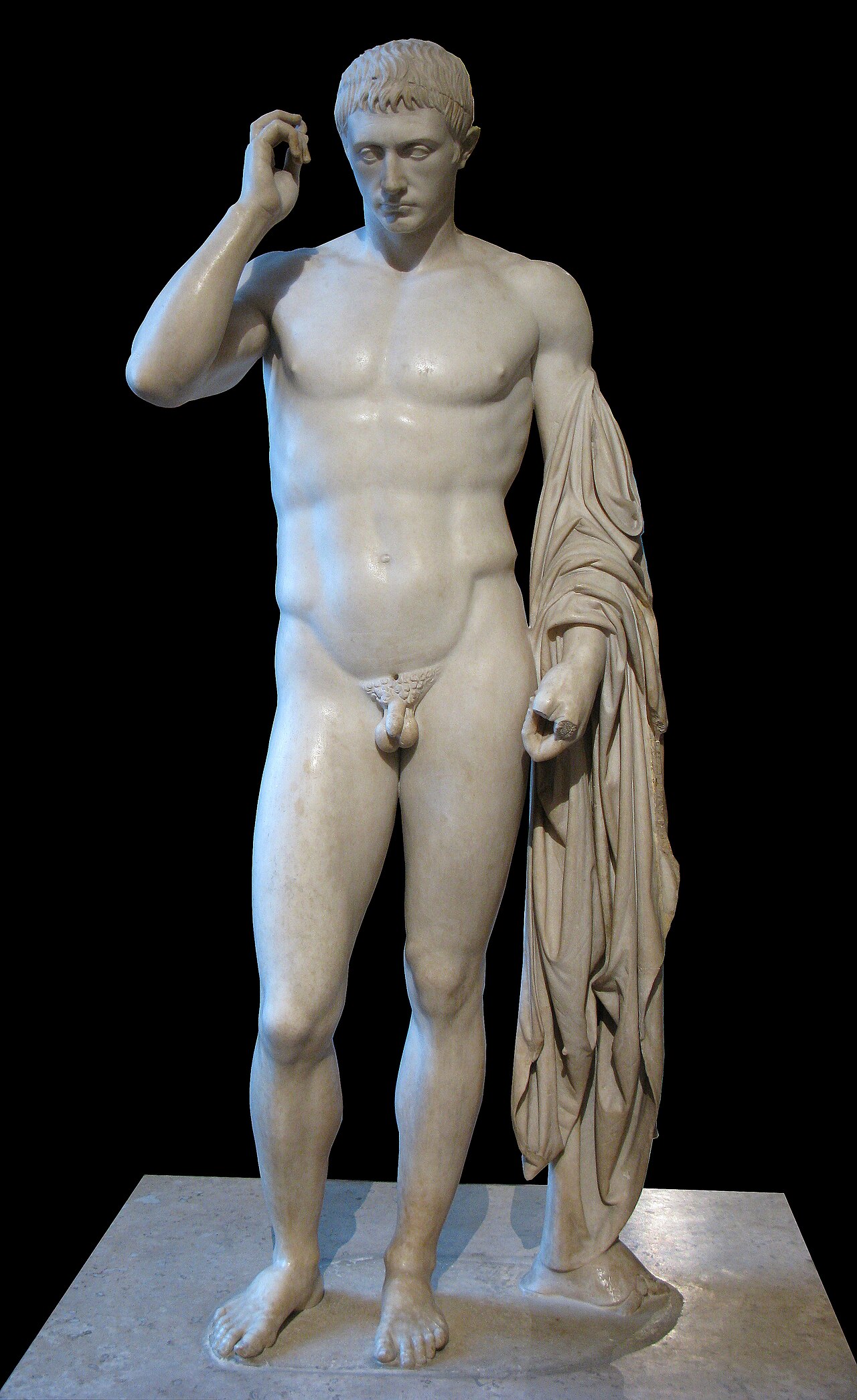
Marcellus as Hermes Logios
Cleomenes the Athenian · c. 20 BC
A marble statue portraying Augustus's nephew and son-in-law Marcellus as the god Hermes, likely commissioned after his early death to serve as a funerary monument.
Commissioned possibly by Augustus to memorialize his nephew and son-in-law Marcellus, showing his dynastic concerns.
About this source
What it is
This marble statue, 1.80 meters tall, was made around 20 BC by Cleomenes the Athenian (or possibly his son). It shows Marcellus, nephew and son-in-law of Augustus, depicted as Hermes Logios, the god of eloquence, using the funerary version of a famous Greek statue type with a Roman portrait head added. It is now in the Louvre, Paris.
Why it matters
Marcellus died young in 23 BC, and his death upset Augustus's plans for succession. This statue, possibly commissioned by Augustus himself, shows how the emperor used Greek artistic traditions to memorialise family members and shape how they would be remembered. It also shows how Roman elites blended their own identity with divine and mythological imagery.
Look closer
- Why might Augustus have chosen to depict his nephew as a god rather than as himself?
- What does the choice of a Greek artistic style tell us about Roman culture at this time?
- What does this statue not tell us about Marcellus as a real person?
This sculpture is part of the curated material that grounds the AI version of Augustus on Humy.ai — when students ask about related events, the AI can quote it and cite it.
More Augustus sources
Meet the AI Augustus →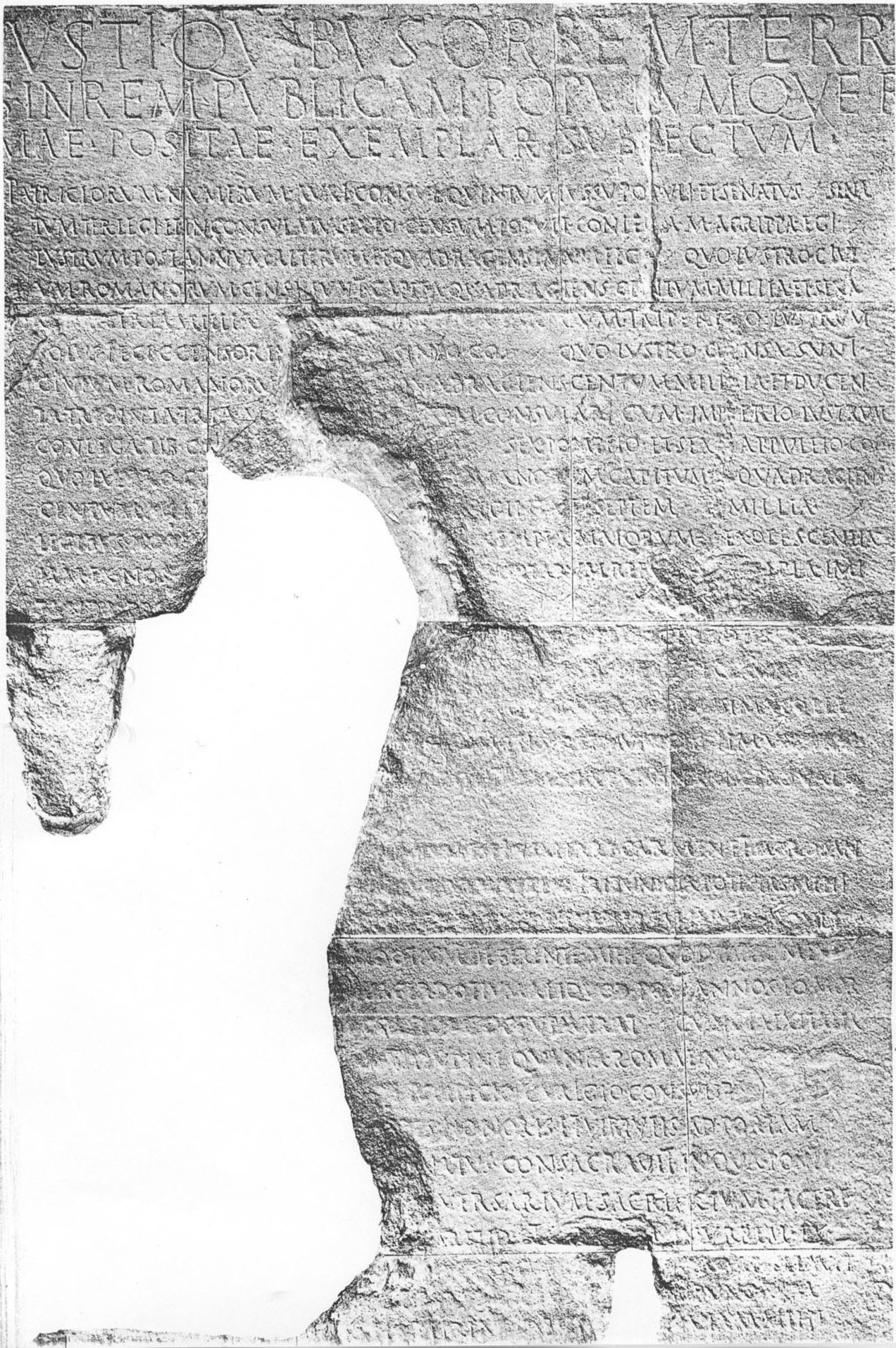 Document
Primary source
Res Gestae Divi Augusti
Augustus · 14 AD
 Painting
Secondary source
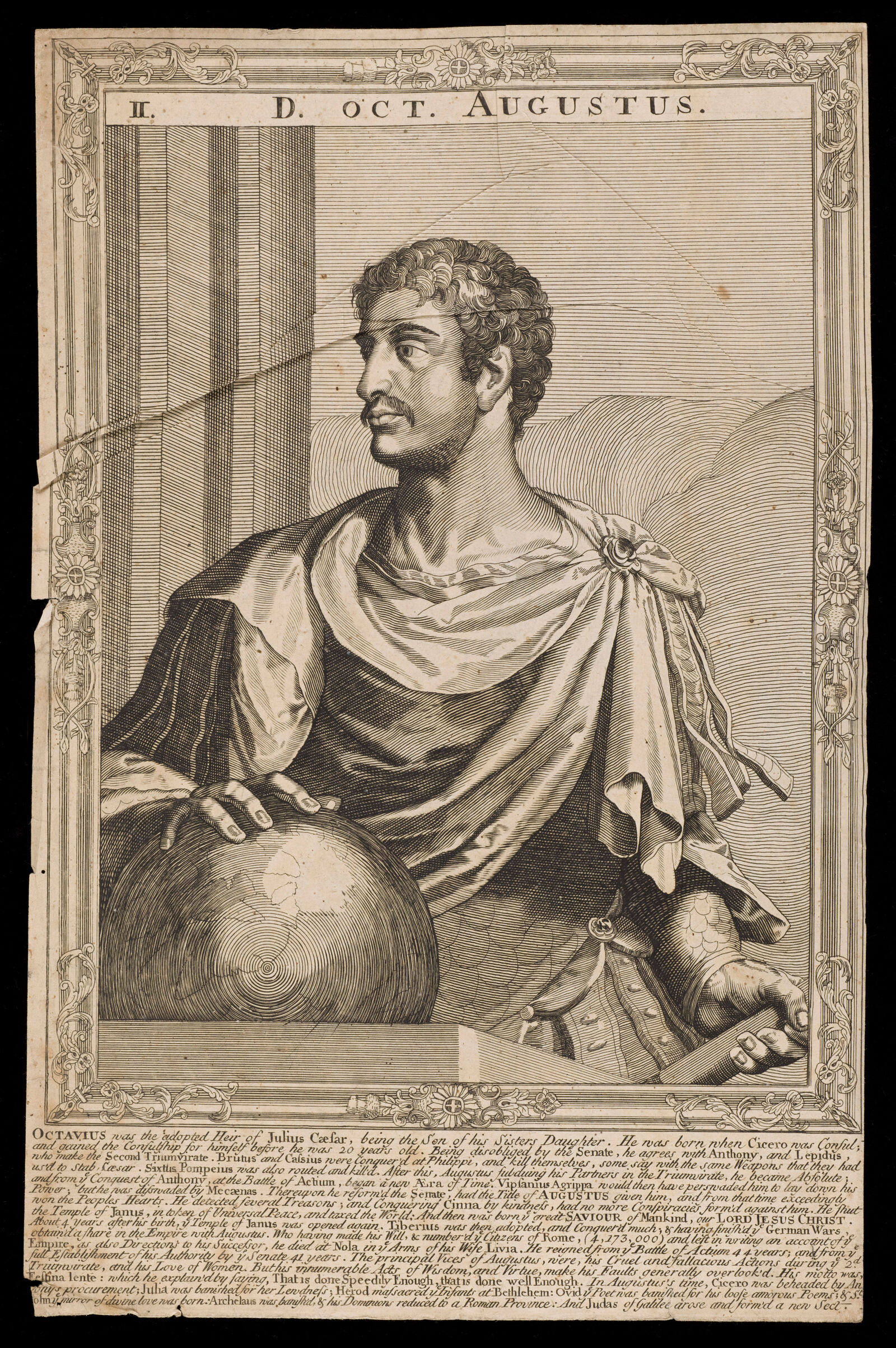
Emperor Augustus with Globe
After Titian (engraving by A. Sadeler, after Titian) · between 1700 and 1799 (possibly 17th century)
 Sculpture
Primary source
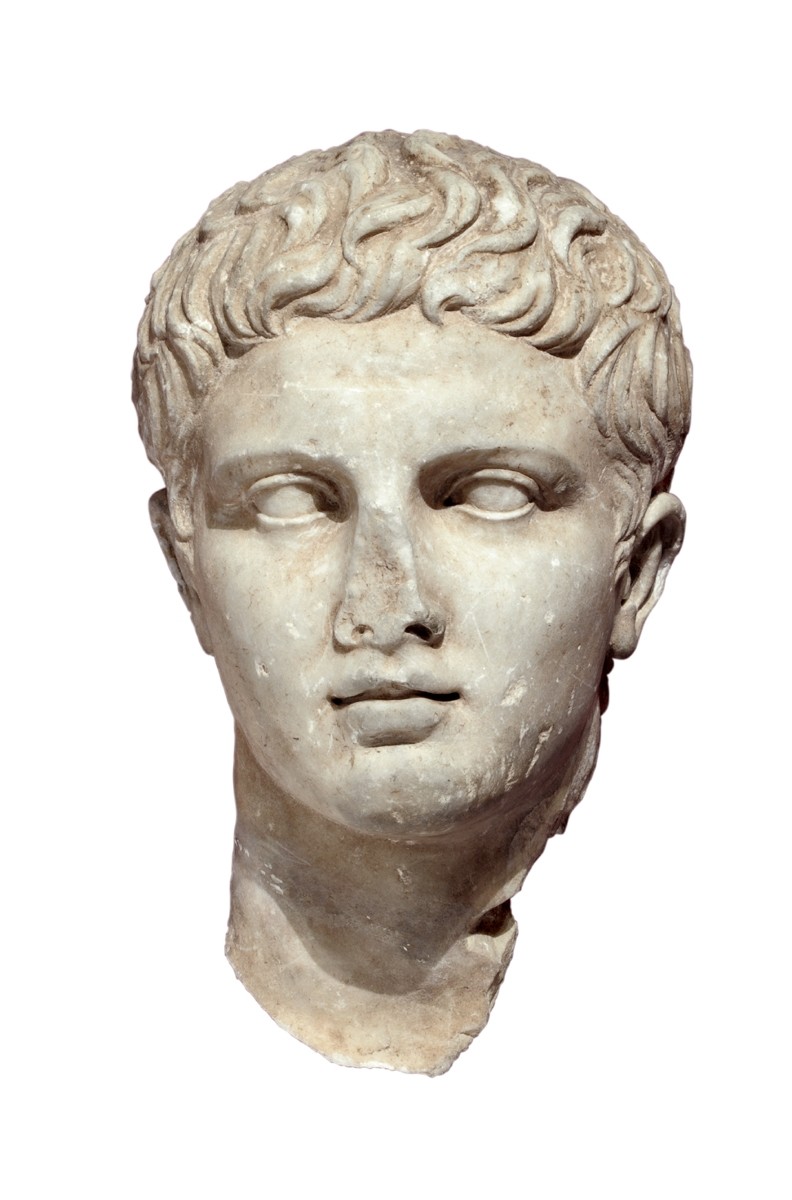
Relief Head of the Young Augustus
 Sculpture
Secondary source
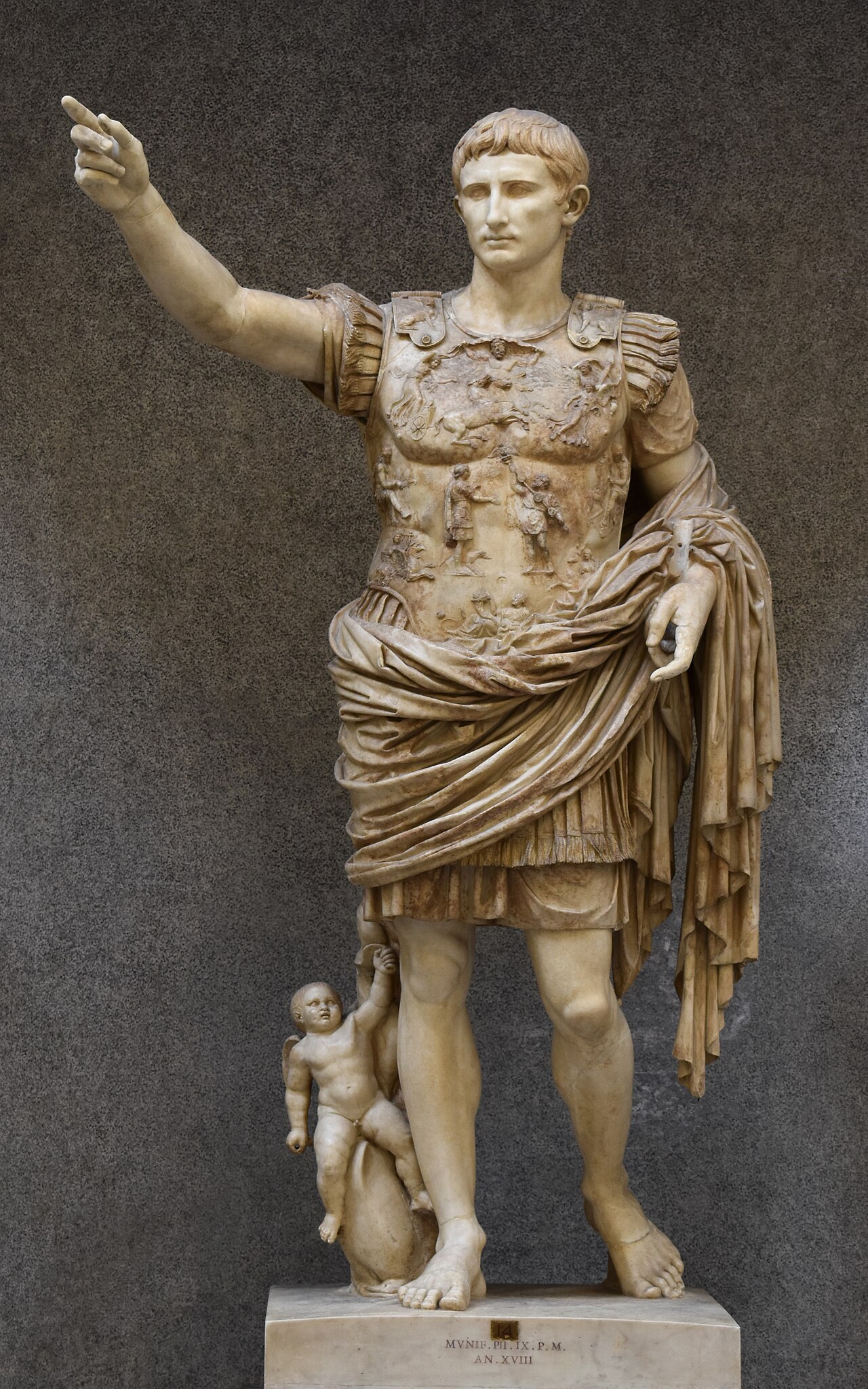
Augustus of Prima Porta
c. 19 BCE or later
 Artifact
Primary source
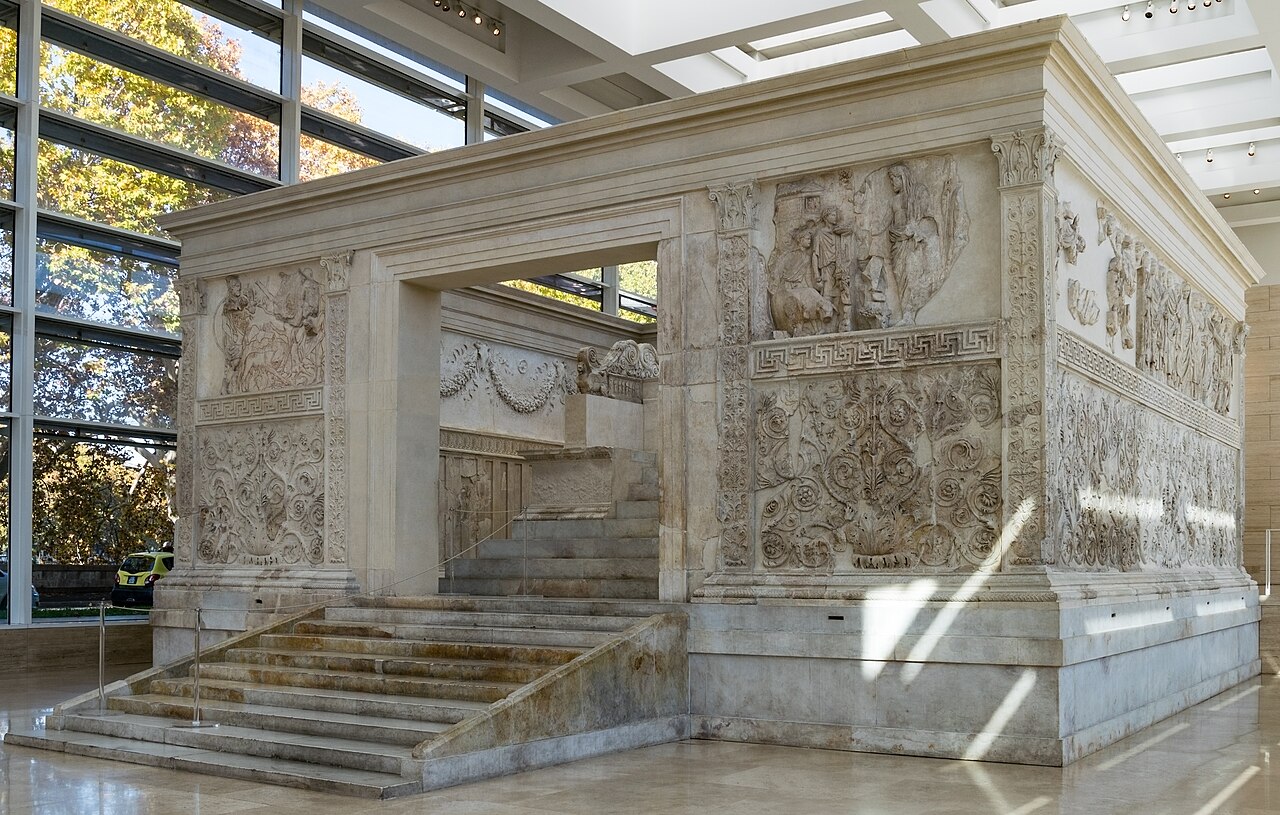
Ara Pacis
13-9 BCE
Ready when you are
Start chatting with Augustus now.
20 messages free · No credit card · Available in 50+ languages.