


Primary sourcePainting1640
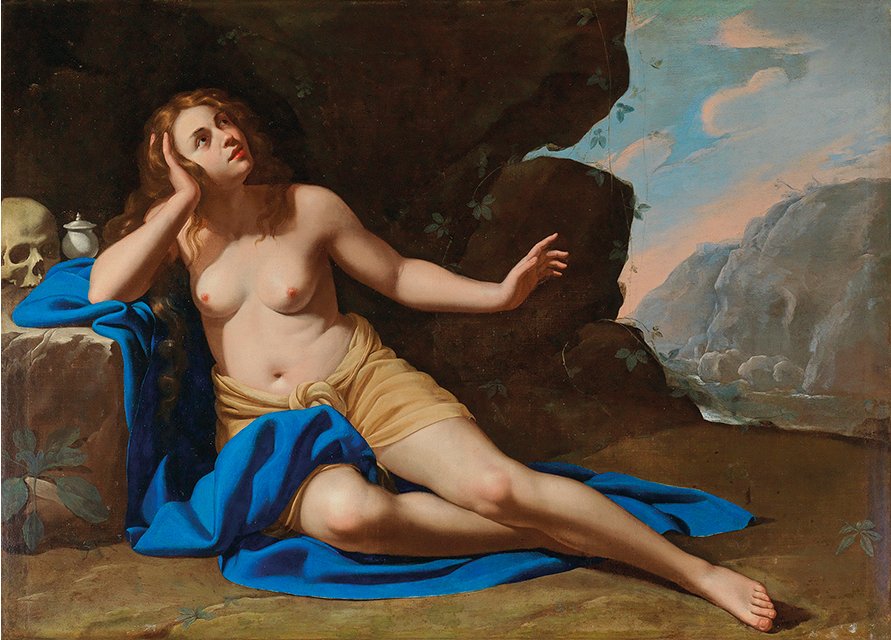
Mary Magdalene in Ecstasy
Artemisia Gentileschi / Onofrio Palumbo · 1640
A late religious painting of Mary Magdalene made by Artemisia Gentileschi with the assistance of Onofrio Palumbo.
A collaborative late work showing Gentileschi's workshop practice and continued engagement with religious subjects.
About this source
What it is
This oil-on-canvas painting shows Mary Magdalene reclining in a rocky landscape, gazing upward, with a skull nearby as a symbol of mortality. It was painted in 1640 by Artemisia Gentileschi, with background assistance from her workshop collaborator Onofrio Palumbo.
Why it matters
The painting shows how Gentileschi ran a workshop later in her career, working with assistants on large commissions. The emotional, dramatic pose of Mary Magdalene reflects the Baroque interest in intense religious feeling, a style Gentileschi mastered throughout her life.
Look closer
- What details in the painting suggest Mary Magdalene's spiritual experience?
- Why might Gentileschi have used an assistant for parts of this work?
- What does the skull symbolize, and why include it in a religious scene?
This painting is part of the curated material that grounds the AI version of Artemisia Gentileschi on Humy.ai — when students ask about related events, the AI can quote it and cite it.
More Artemisia Gentileschi sources
Meet the AI Artemisia Gentileschi →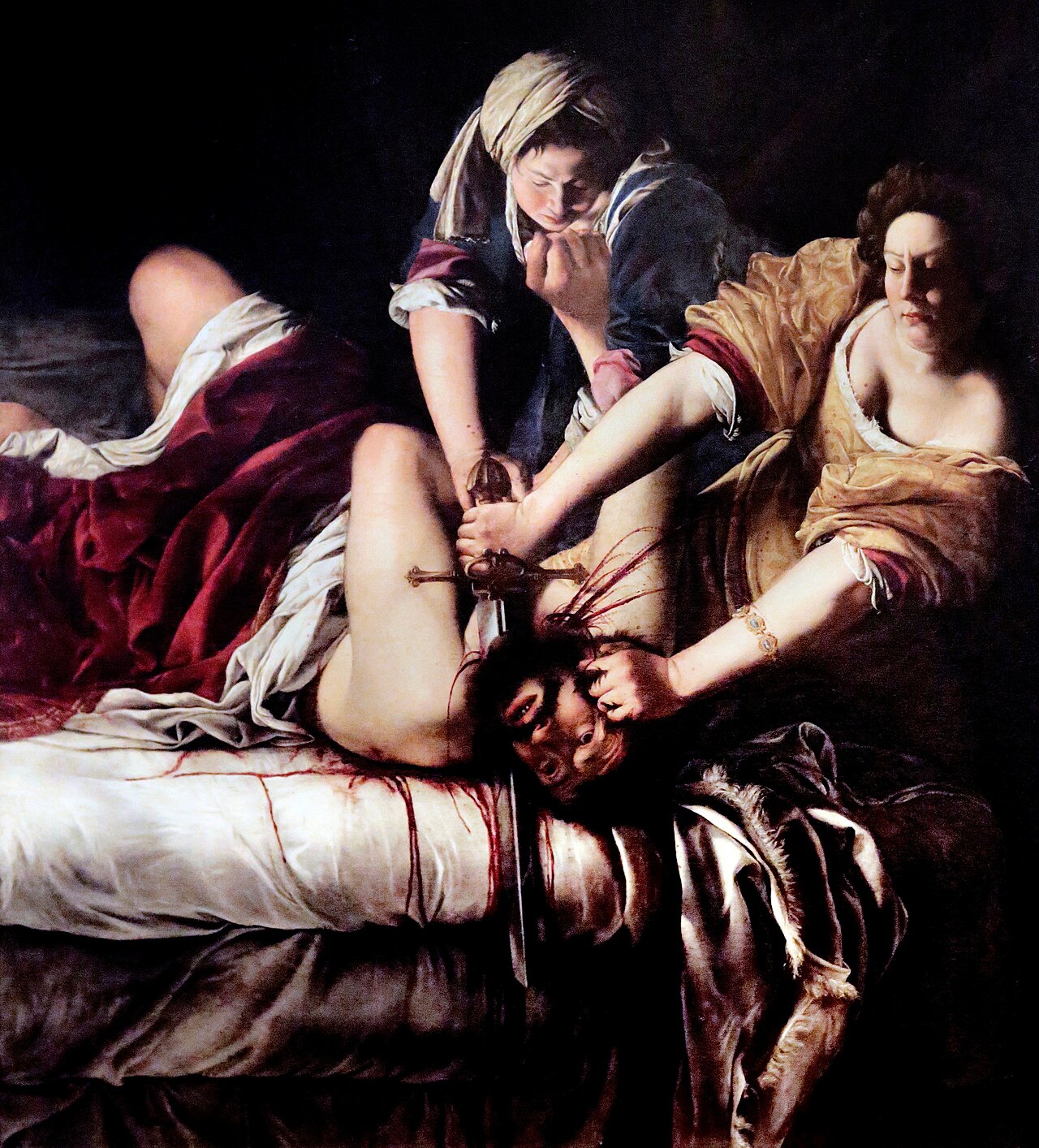 Painting
Primary source
Judith Beheading Holofernes
Artemisia Gentileschi · c. 1620
 Painting
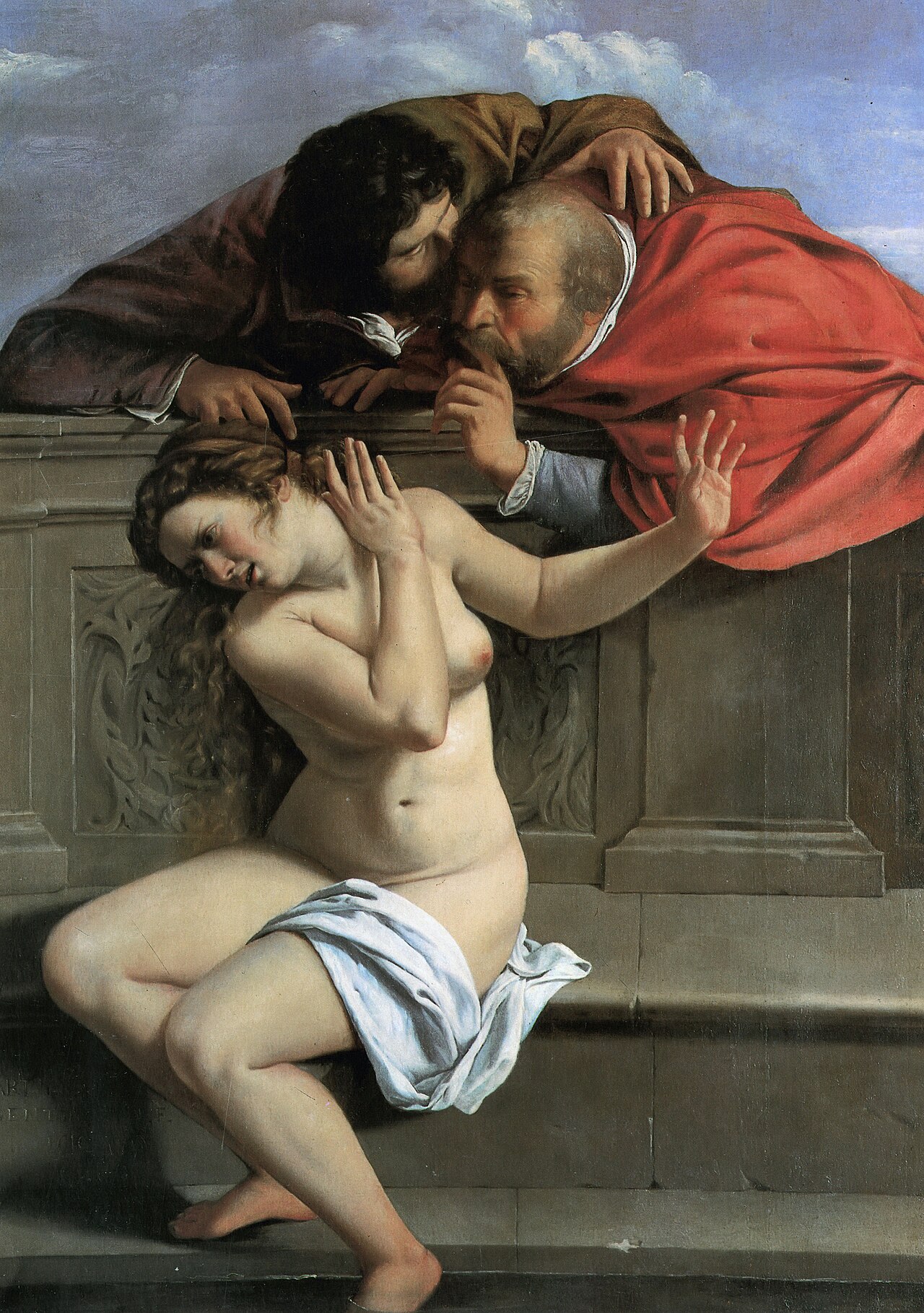
Primary source
Susanna and the Elders
Artemisia Gentileschi · 1610
 Painting
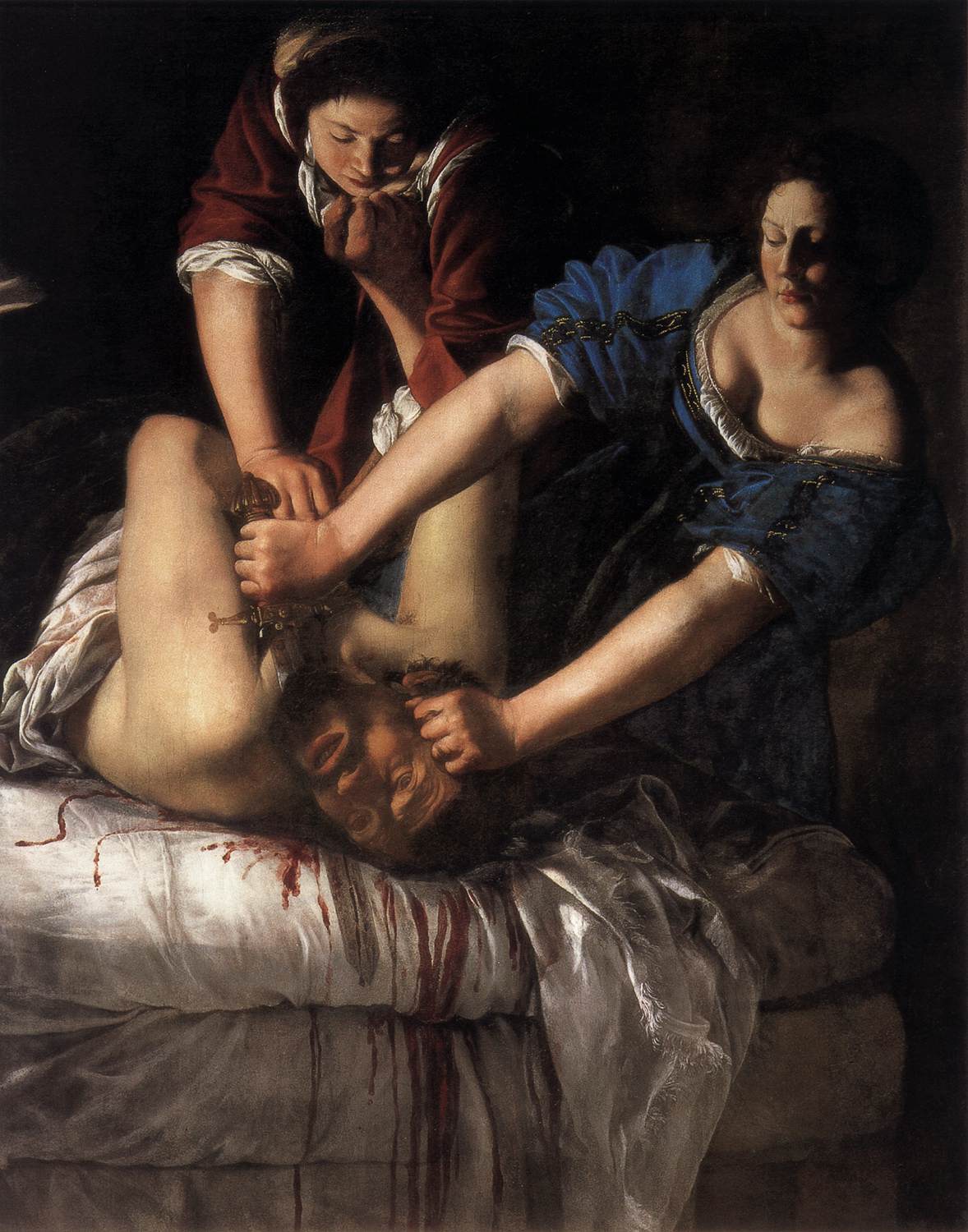
Primary source
Judith Slaying Holofernes
Artemisia Gentileschi · 1612-1613
 Painting
Primary source
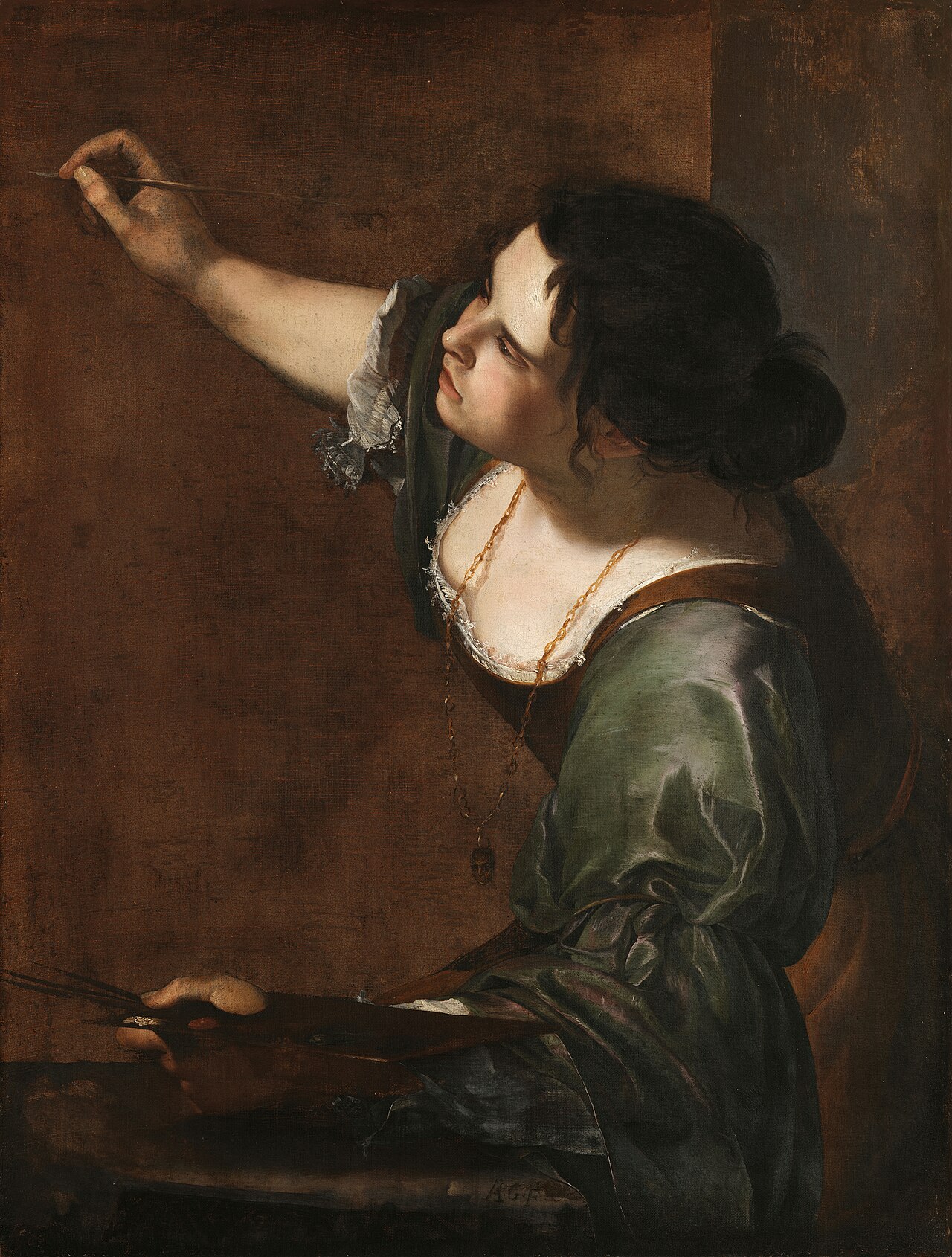
Self-Portrait as the Allegory of Painting
Artemisia Gentileschi · c. 1638-1639
 Painting
Primary source
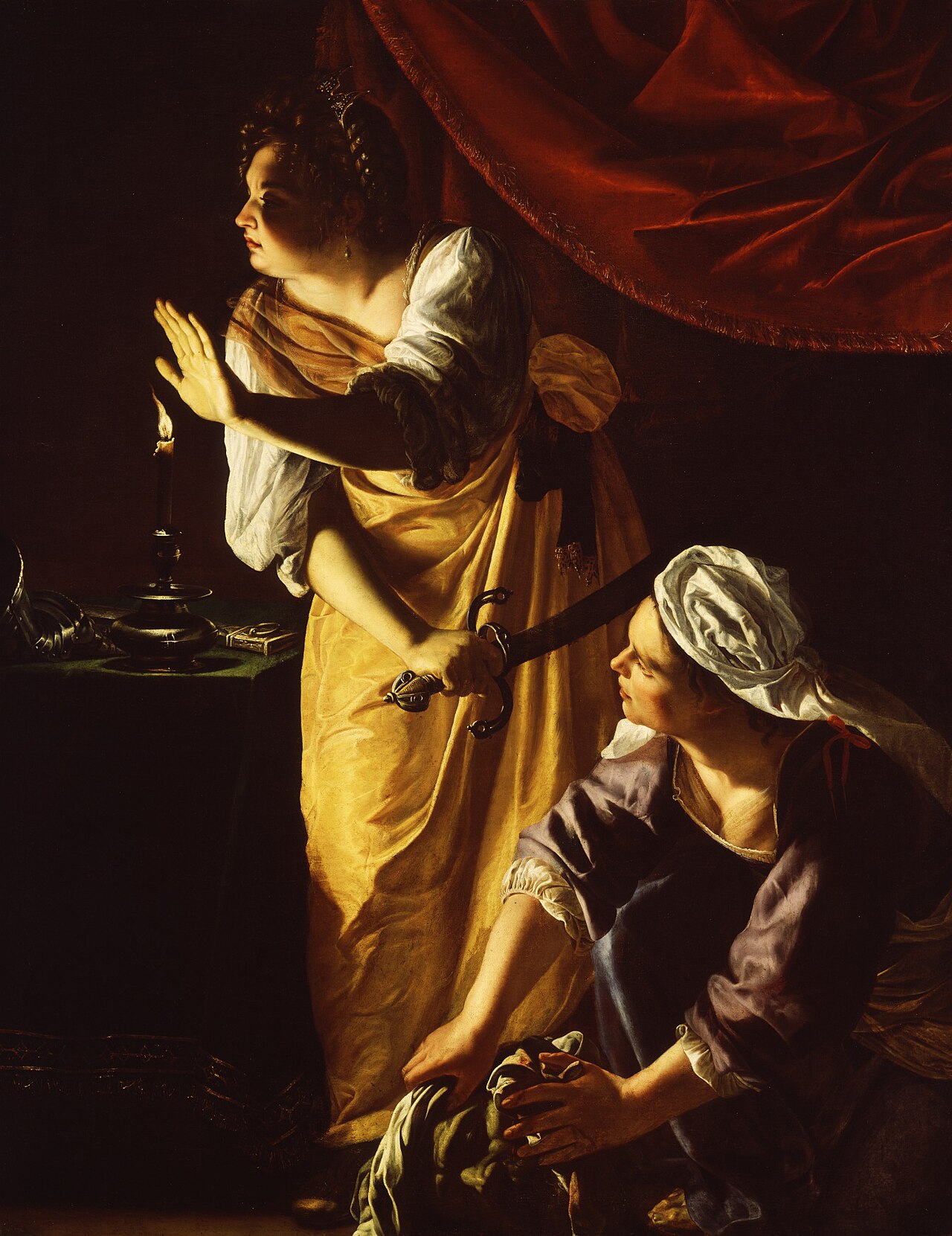
Judith and Maidservant with Head of Holofernes
Artemisia Gentileschi · c. 1623-1625
Ready when you are
Start chatting with Artemisia Gentileschi now.
20 messages free · No credit card · Available in 50+ languages.