


Secondary sourceArtifact3rd century BCE
Maski Inscription of the Word Buddha
3rd century BCE
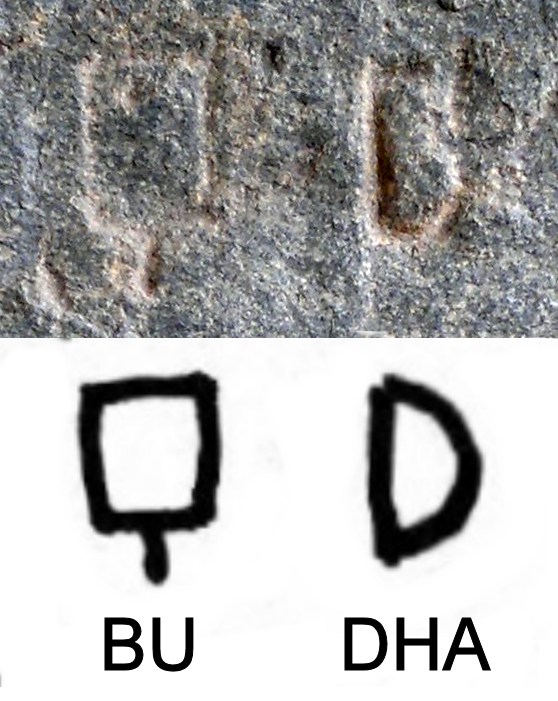
A 3rd-century BCE rock inscription from Ashoka's Maski edict, carrying one of the earliest known written uses of the title 'Buddha'.
This inscription preserves one of the earliest written uses of the Buddha's title, centuries after he lived.
About this source
What it is
This photograph shows Brahmi script carved into rock, part of an edict issued by the emperor Ashoka in the 3rd century BCE. The inscription includes the word 'Buddha'.
The image shows the carved letters along with a line drawing identifying the individual characters.
Why it matters
This is one of the earliest surviving written records of the title 'Buddha'. It shows how, centuries after his life, rulers such as Ashoka were spreading and recording Buddhist teaching in stone across the Indian subcontinent.
Look closer
- Why might a ruler like Ashoka have wanted to carve words about the Buddha into rock for everyone to see?
- What does the survival of this word tell us about how Buddhism spread after the Buddha's lifetime?
- How does a line drawing help historians read worn or faded inscriptions?
This artifact is part of the curated material that grounds the AI version of Buddha on Humy.ai — when students ask about related events, the AI can quote it and cite it.
More Buddha sources
Meet the AI Buddha →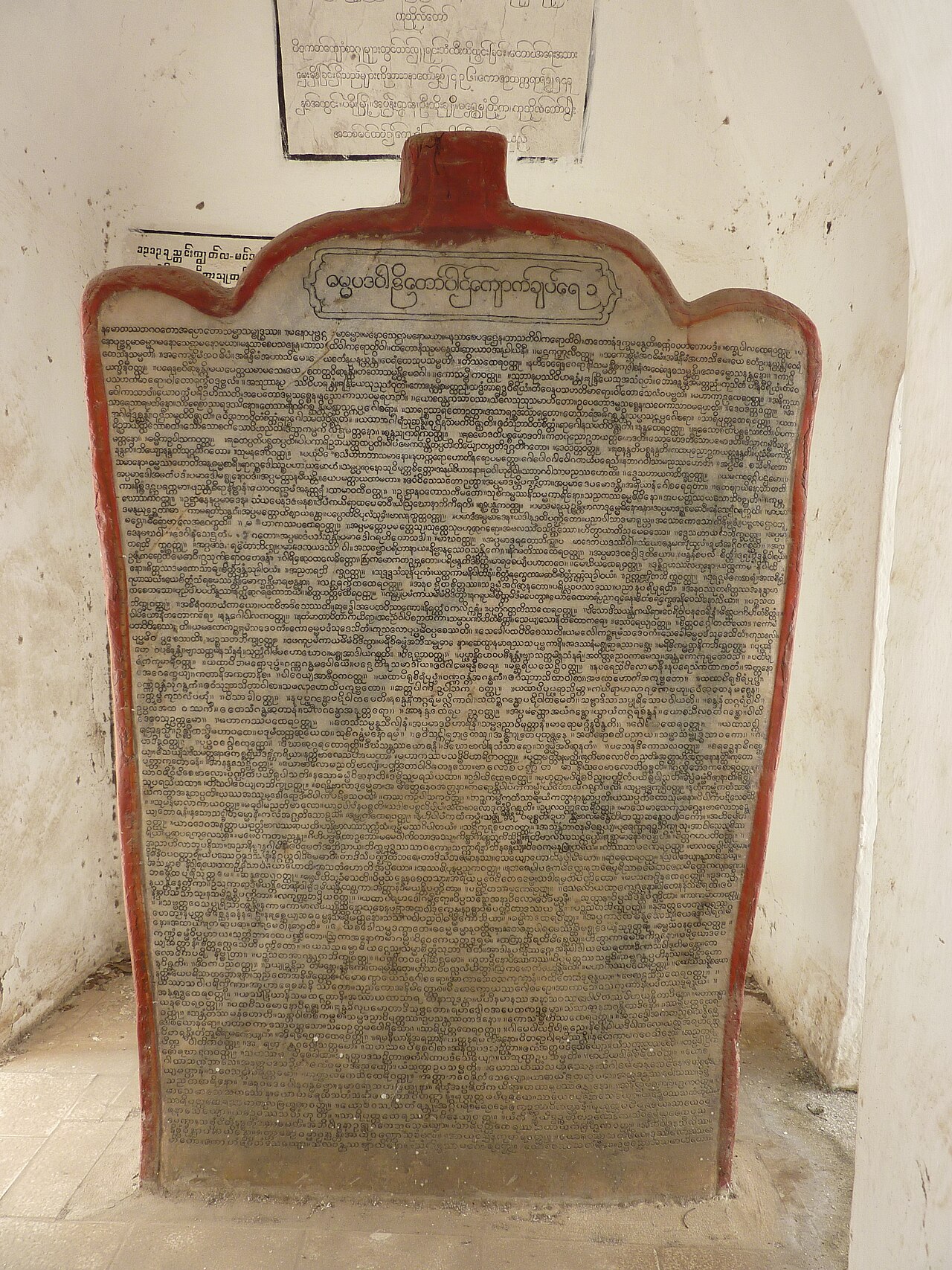 Book
Secondary source
Dhammapada
Attributed to the Buddha · c. 3rd century BCE compilation
 Painting
Secondary source
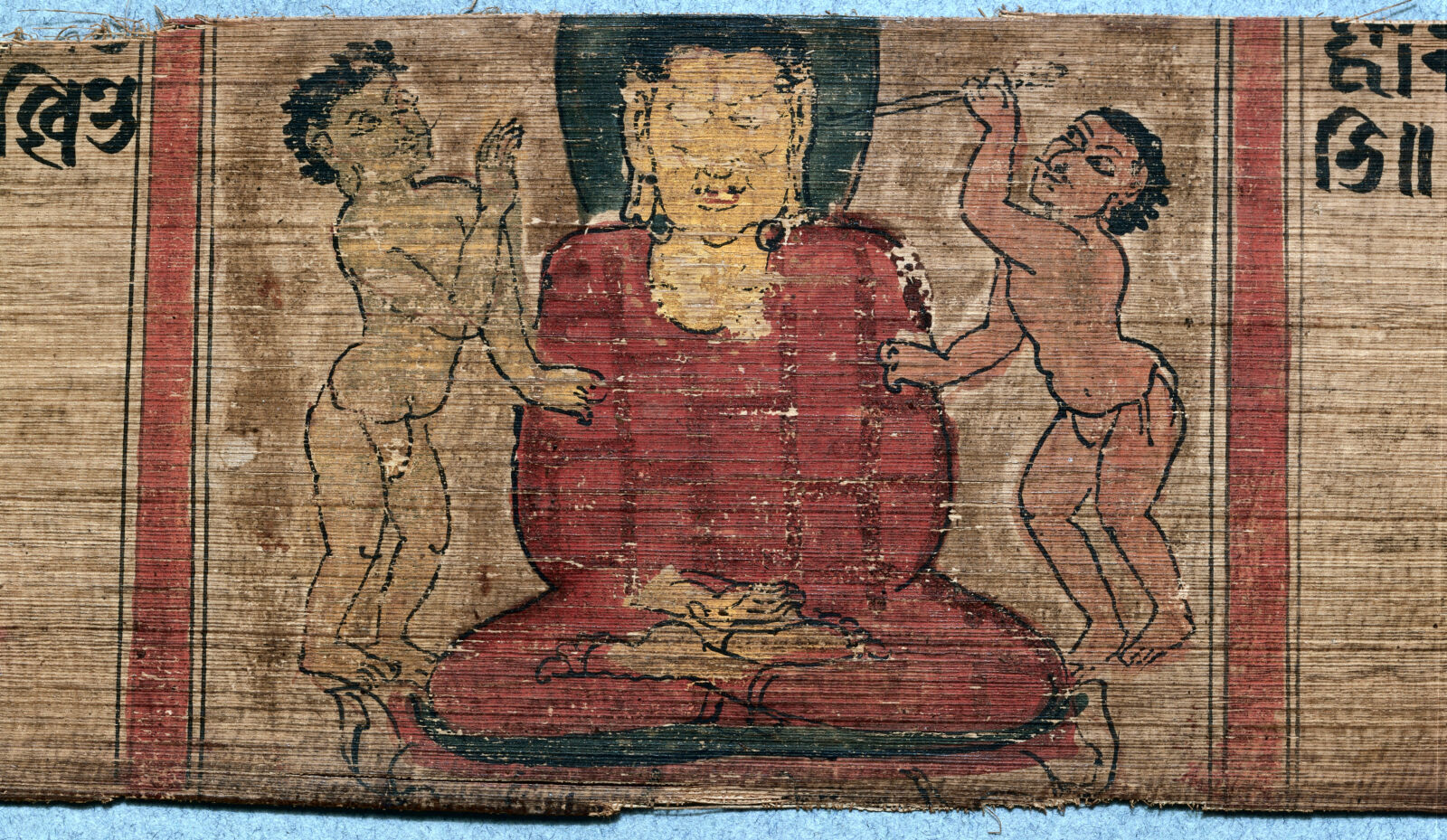
Buddha in Dhyana, Perfection of Wisdom Sutra Manuscript
1074
 Sculpture
Secondary source
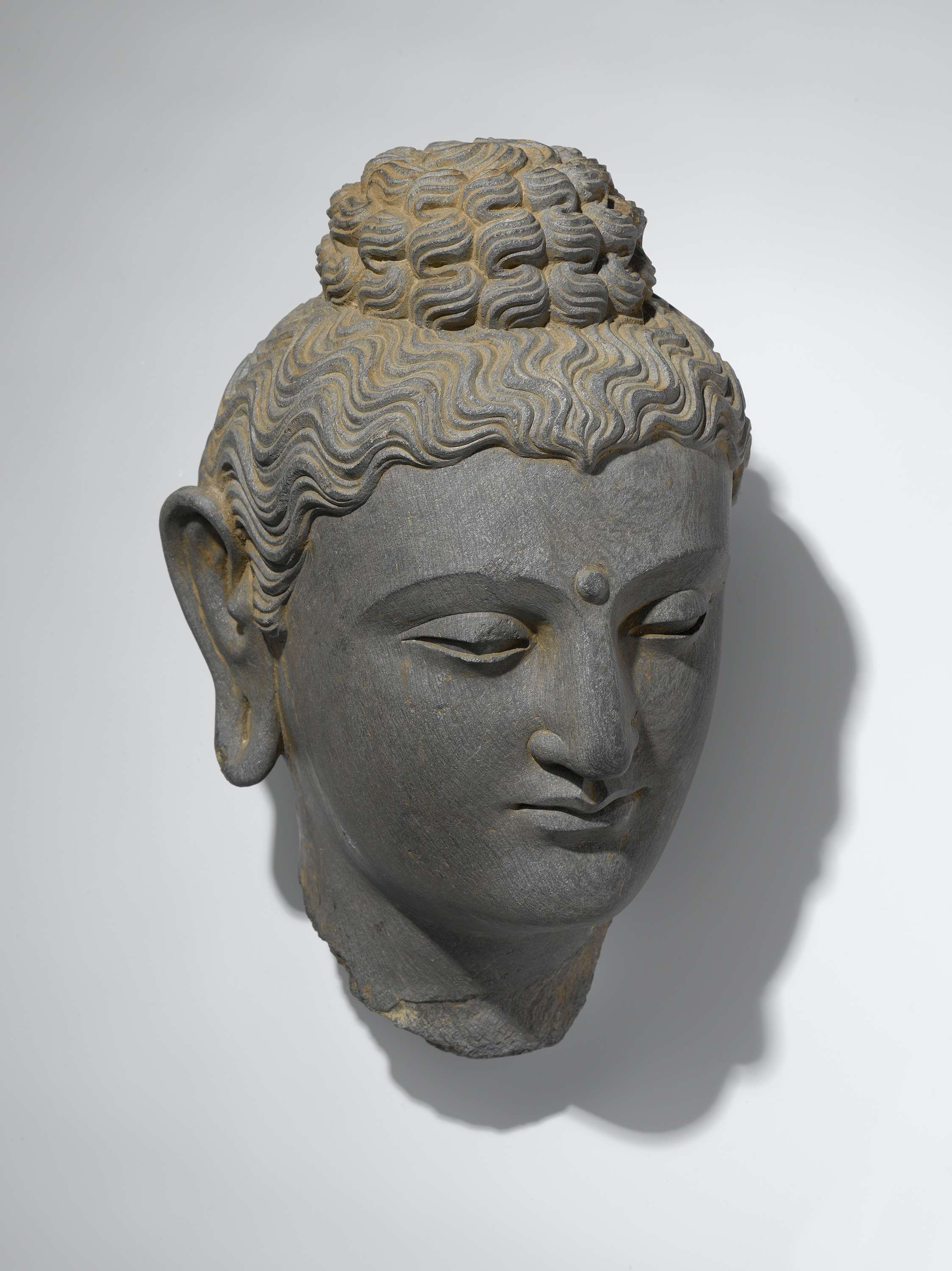
Head of the Buddha, Gandhara style
 Book
Secondary source
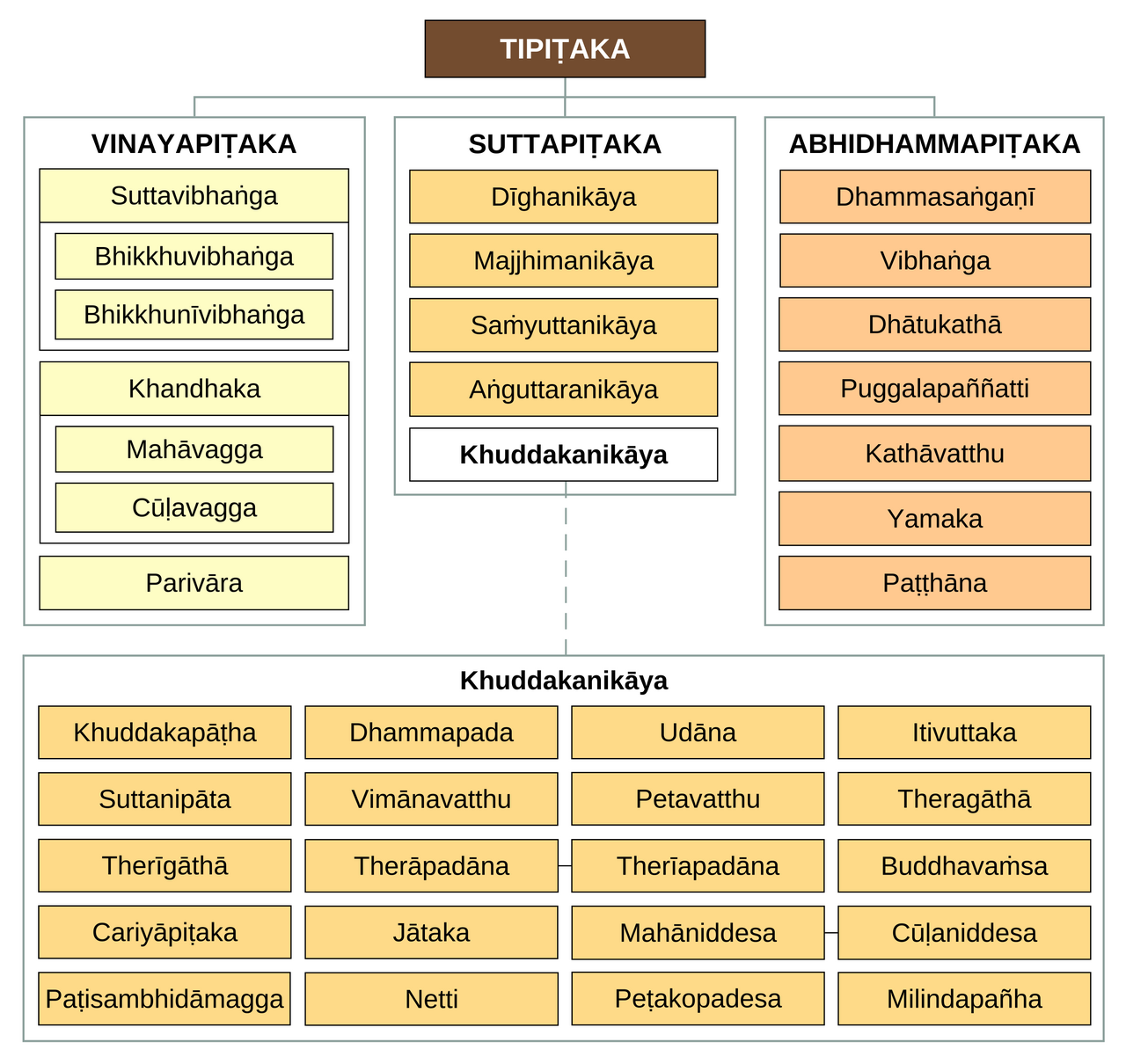
Pali Canon (Tipitaka)
Early Buddhist sangha · oral from 5th century BCE; written c. 29 BCE
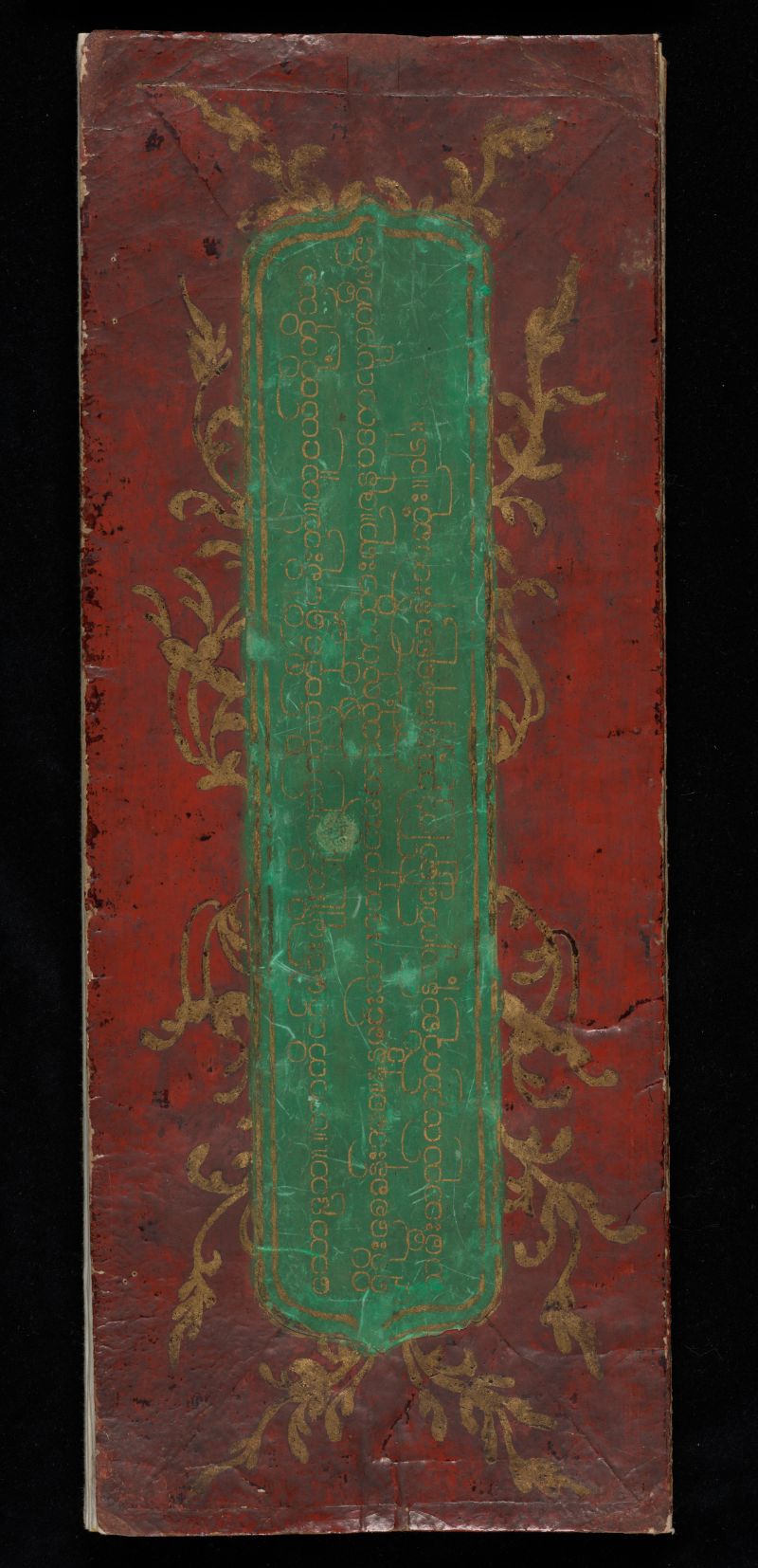 Document
Secondary source
Life of the Buddha
19th century
Ready when you are
Start chatting with Buddha now.
20 messages free · No credit card · Available in 50+ languages.