


Secondary sourceDocument1874
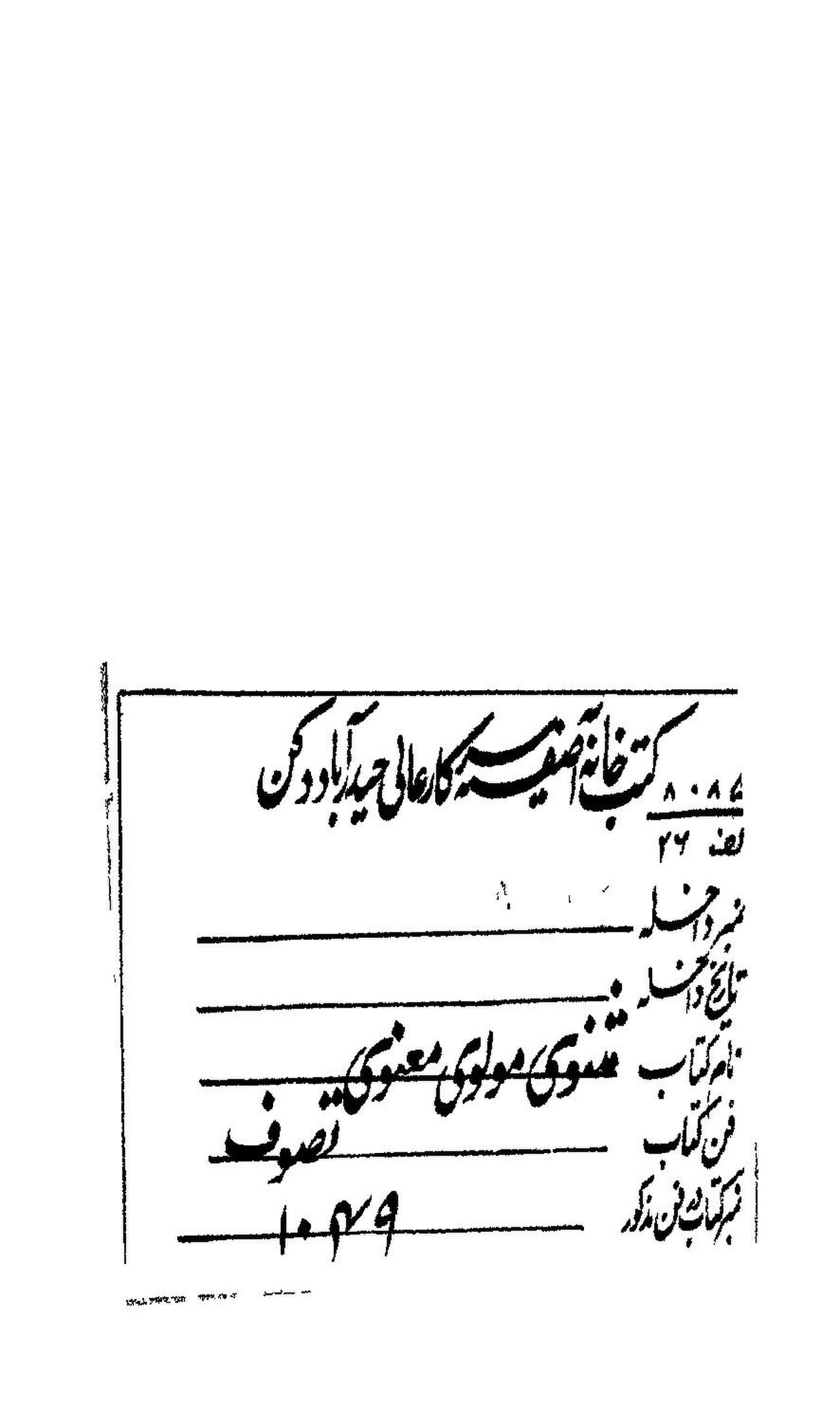
Masnavi-i Ma'navi Library Register Card, 1874
1874
A library catalogue card recording a Persian-language copy of Rumi's Masnavi held at a Hyderabad library.
A library record of a copy of Rumi's own poem, showing how his work was preserved and catalogued.
About this source
What it is
This is a scanned library register card from the Kutubkhana Asifiya Sarkar Ali in Hyderabad Deccan, written in Urdu and Persian script. It records a copy of the Masnavi Maulavi Ma'navi, the great poem by Rumi (Jalal al-Din Balkhi), with a catalogue number and date filled in.
Why it matters
The card itself is not the poem but evidence of how libraries collected, numbered and preserved Rumi's work centuries after his death. It shows the long chain of copying and cataloguing that kept his poetry alive across regions and centuries.
- What details on the card tell you this is a library record rather than the poem itself?
- Why might a library keep careful records of which copies of a famous text it owns?
- What does this card leave out about the poem's content or meaning?
This document is part of the curated material that grounds the AI version of Rumi (Jalāl ad-Dīn Muhammad Rūmī) on Humy.ai — when students ask about related events, the AI can quote it and cite it.
More Rumi (Jalāl ad-Dīn Muhammad Rūmī) sources
Meet the AI Rumi (Jalāl ad-Dīn Muhammad Rūmī) →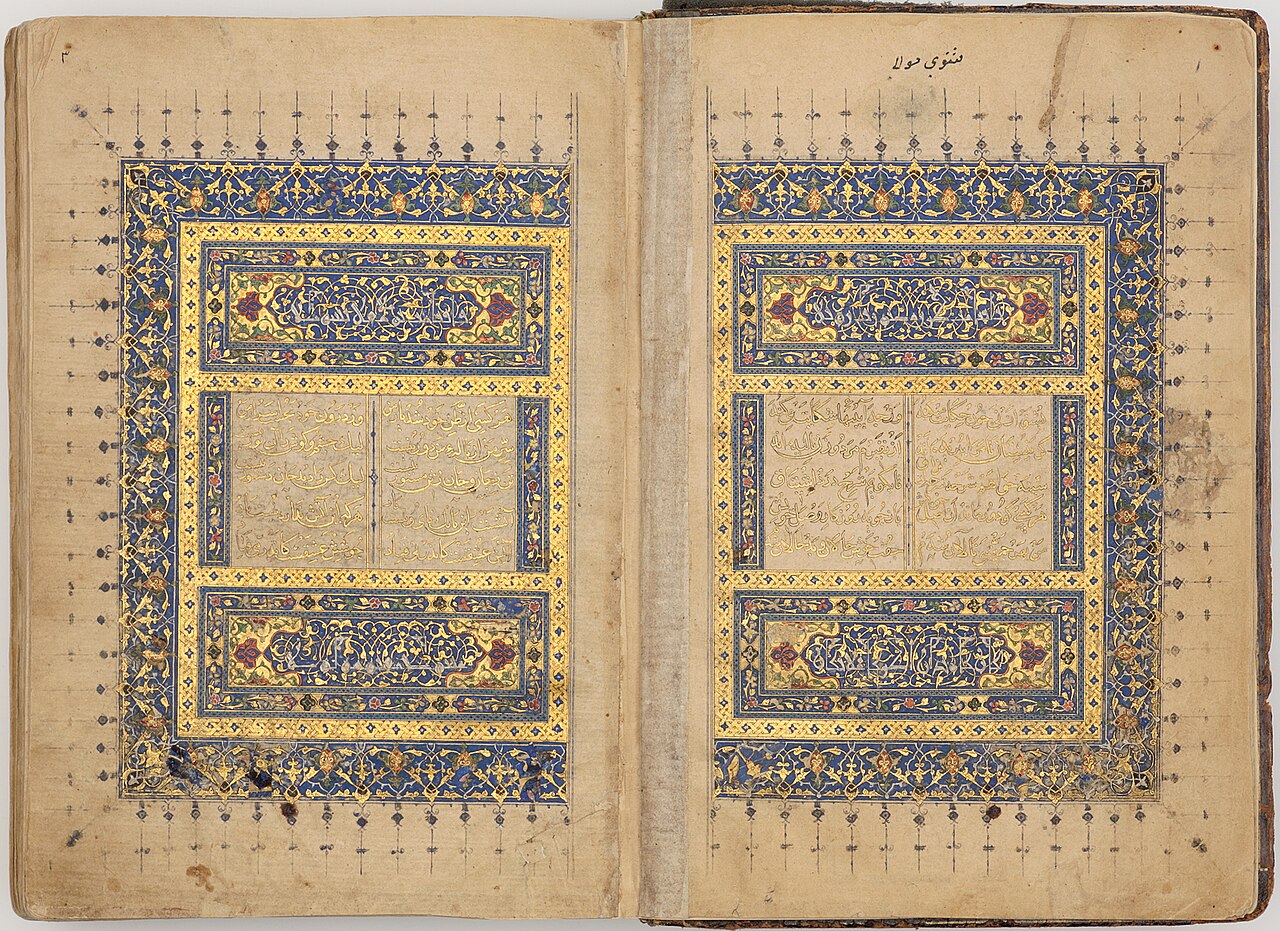 Book
Primary source
Masnavi
Rumi · c. 1258-1273
 Book
Primary source
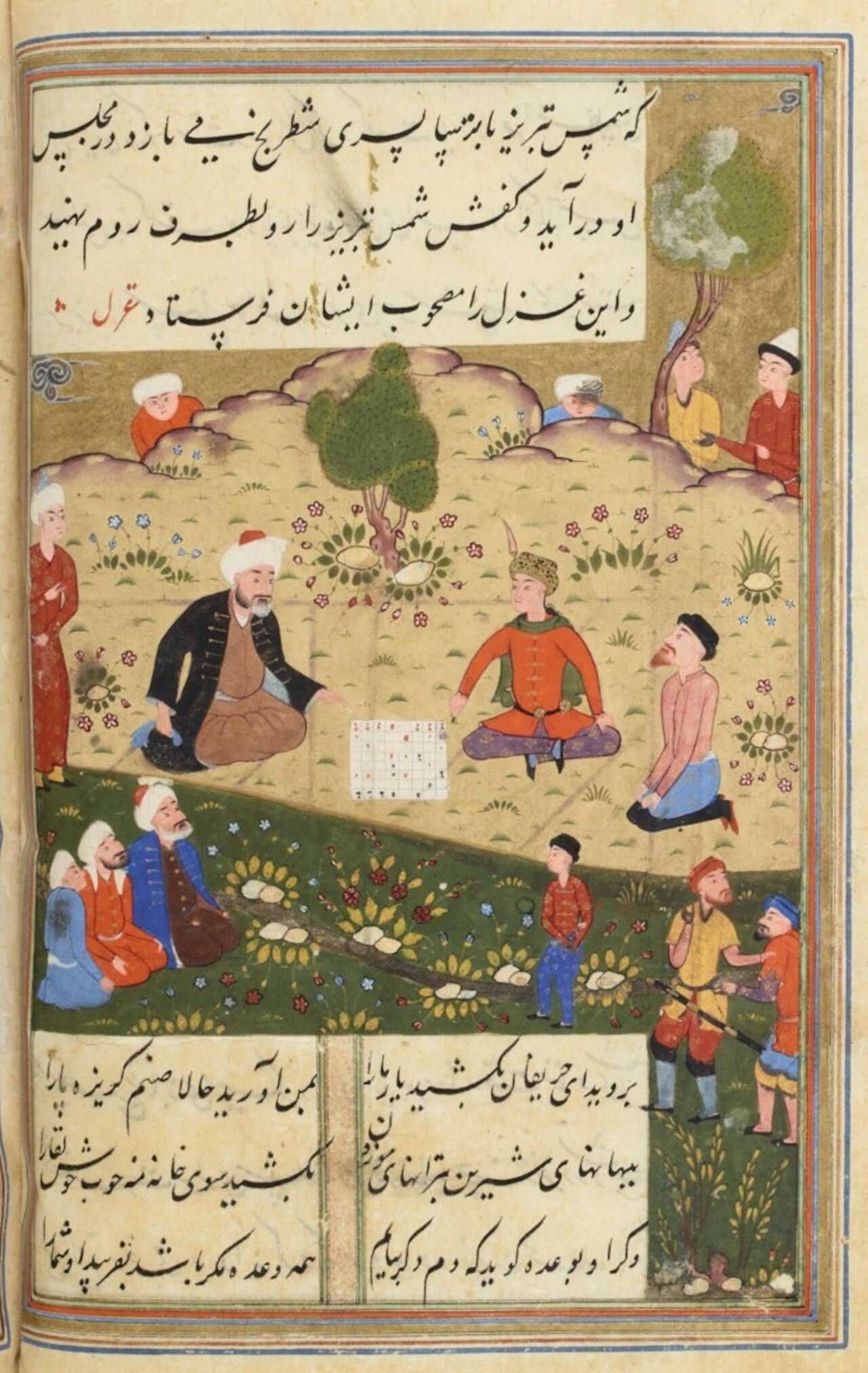
Diwan-e Shams-e Tabrizi
Rumi · c. 1247 onward
 Artifact
Secondary source
Grave of Rumi
soon after 1273
 Book
Primary source
Fihi Ma Fihi
Rumi · c. 1260-1273
 Artifact
Secondary source
Mevlâna Museum
Badr al-Din Tabrizi (architect) · built soon after 1273; museum since 1926
Ready when you are
Start chatting with Rumi (Jalāl ad-Dīn Muhammad Rūmī) now.
20 messages free · No credit card · Available in 50+ languages.