


Primary sourceBook1898
Masnavi I Ma'navi (Whinfield translation)
Rumi · 1898
An abridged 1898 English translation of Rumi's great Persian poem, letting students read his own words in a shortened English form.
This is Rumi's own major poem, here translated and abridged for English readers.
About this source
What it is
This is an abridged English translation of Rumi's long poem the Masnavi, made by E. H. Whinfield and published in 1898. It is available to read as a Wikisource text.
Why it matters
The Masnavi is one of Rumi's major works, written originally in Persian in the 13th century. This translation made the poem's teachings and stories accessible to English readers, shaping how Rumi was understood in the West.
- How might a translation change the meaning or feeling of the original poem?
- Why do you think the translator chose to abridge the work rather than translate it in full?
- What themes do you notice in the opening lines about the reed-flute?
This book is part of the curated material that grounds the AI version of Rumi (Jalāl ad-Dīn Muhammad Rūmī) on Humy.ai — when students ask about related events, the AI can quote it and cite it.
More Rumi (Jalāl ad-Dīn Muhammad Rūmī) sources
Meet the AI Rumi (Jalāl ad-Dīn Muhammad Rūmī) →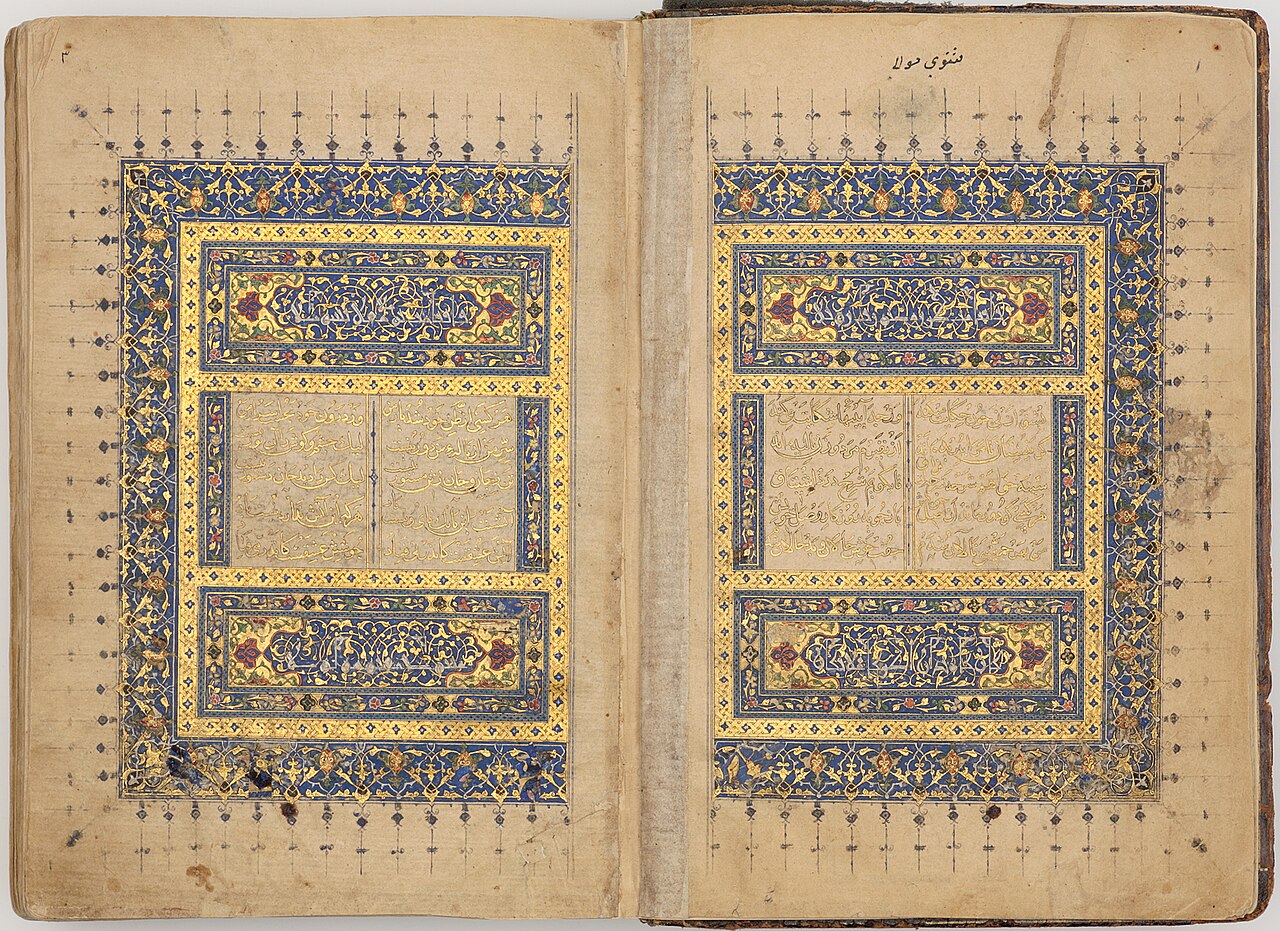 Book
Primary source
Masnavi
Rumi · c. 1258-1273
 Book
Primary source
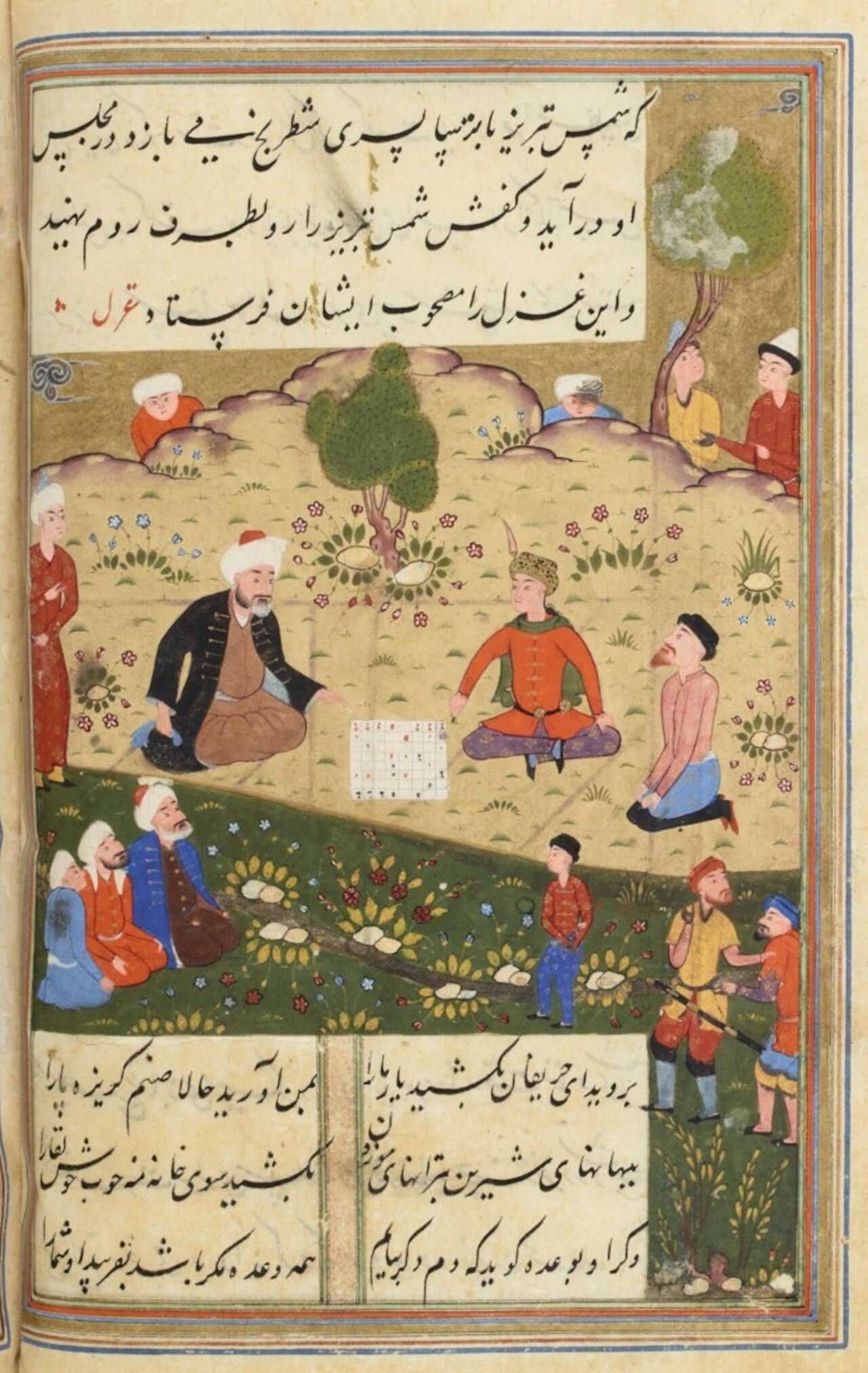
Diwan-e Shams-e Tabrizi
Rumi · c. 1247 onward
 Artifact
Secondary source
Grave of Rumi
soon after 1273
 Book
Primary source
Fihi Ma Fihi
Rumi · c. 1260-1273
 Artifact
Secondary source
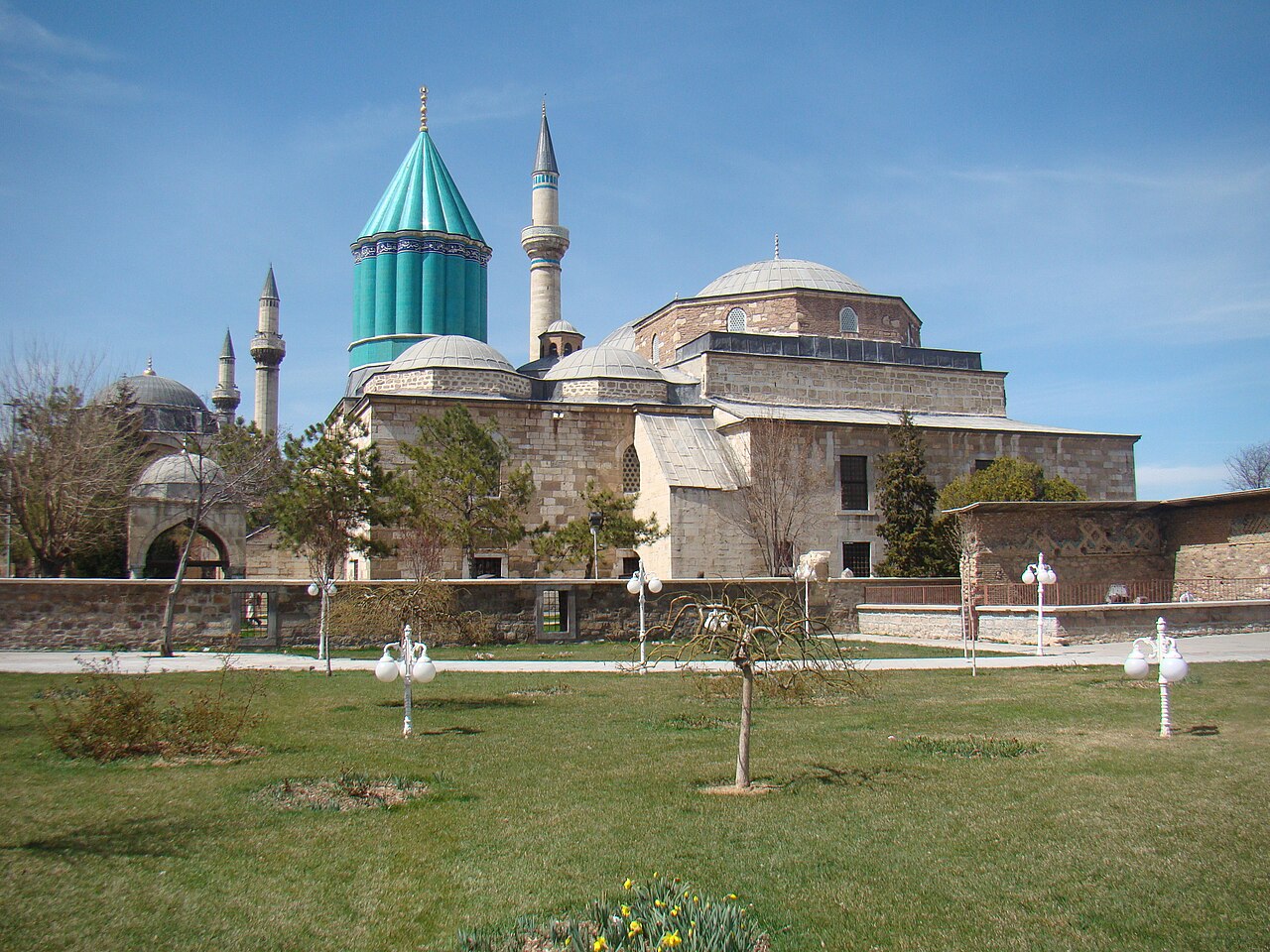
Mevlâna Museum
Badr al-Din Tabrizi (architect) · built soon after 1273; museum since 1926
Ready when you are
Start chatting with Rumi (Jalāl ad-Dīn Muhammad Rūmī) now.
20 messages free · No credit card · Available in 50+ languages.