


Secondary sourceDocument643 BCE
Meluhha passage of the Rassam cylinder
Theophilus Goldridge Pinches · 643 BCE
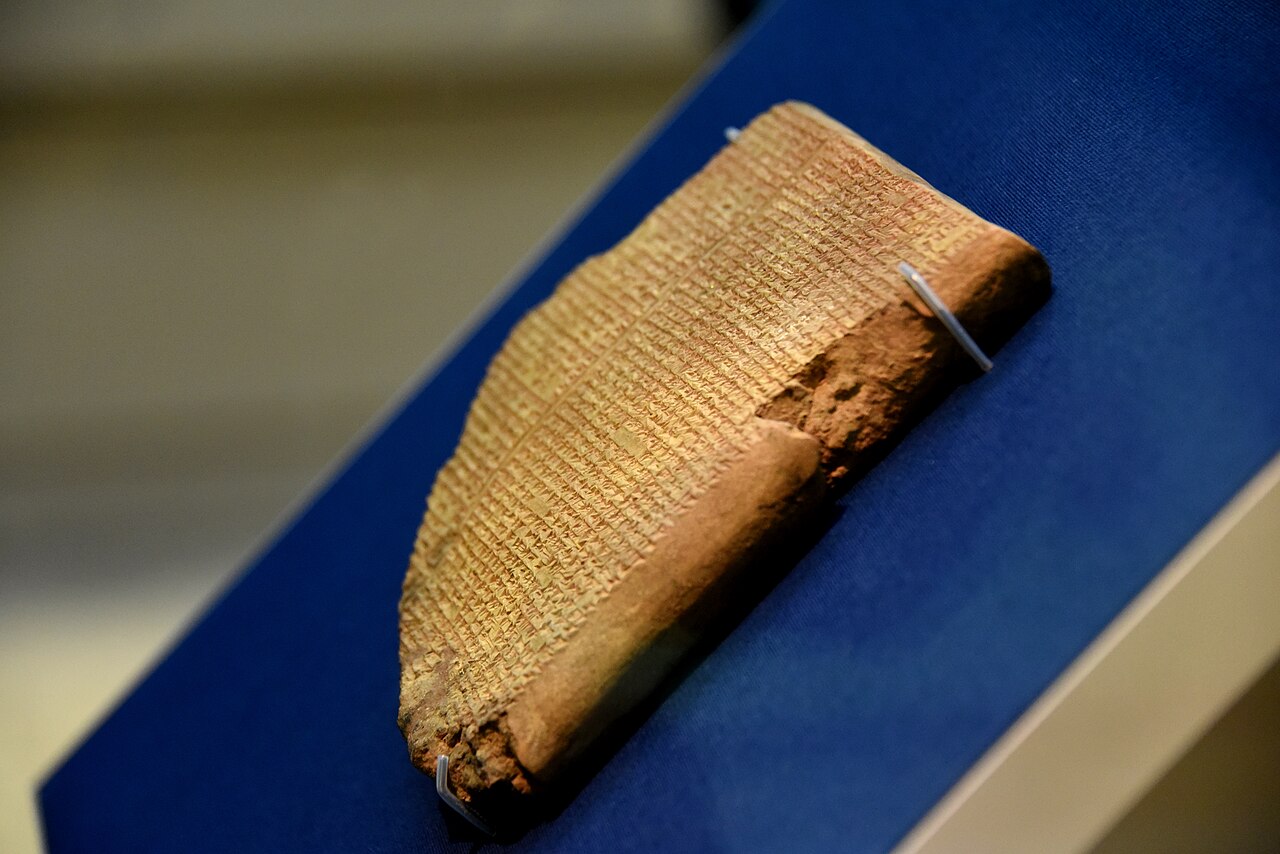
A modern copy of a passage from Ashurbanipal's own Rassam cylinder, showing the cuneiform name Meluhha. It links the king directly to his own written words.
This passage comes from Ashurbanipal's own Rassam cylinder, so it preserves his written words about a distant land.

About this source
What it is
This image shows a short passage from Ashurbanipal's own Rassam cylinder, which names Meluhha. The signs are a modern copy of his words, made by the scholar Theophilus Goldridge Pinches, who lived from 1856 to 1934. The record gives the date 643 BCE, and the Commons file was uploaded on 24 June 2020.
Why it matters
Ashurbanipal ruled Assyria from 685 to 631 BCE. In the Rassam cylinder he wrote in his own voice, and this passage uses the name Meluhha. Scholars such as Pinches copied and studied these texts so that later readers could understand the king's words.
Look closer
- What signs do you see, and how are they arranged in a single row?
- Why is this a modern copy rather than the cylinder itself, and what might a copy change?
- Why might the king have chosen to mention Meluhha in his own record?
This document is part of the curated material that grounds the AI version of Ashurbanipal on Humy.ai — when students ask about related events, the AI can quote it and cite it.
More Ashurbanipal sources
Meet the AI Ashurbanipal →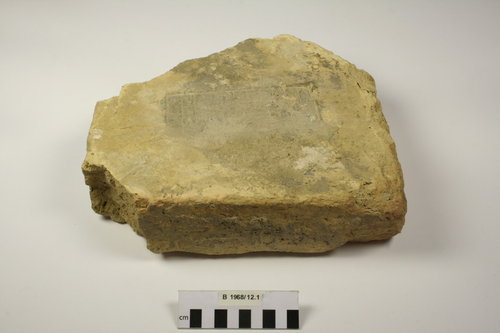 Artifact
Primary source
Baked Brick Naming King Ashurbanipal
7th century BCE
 Sculpture
Primary source
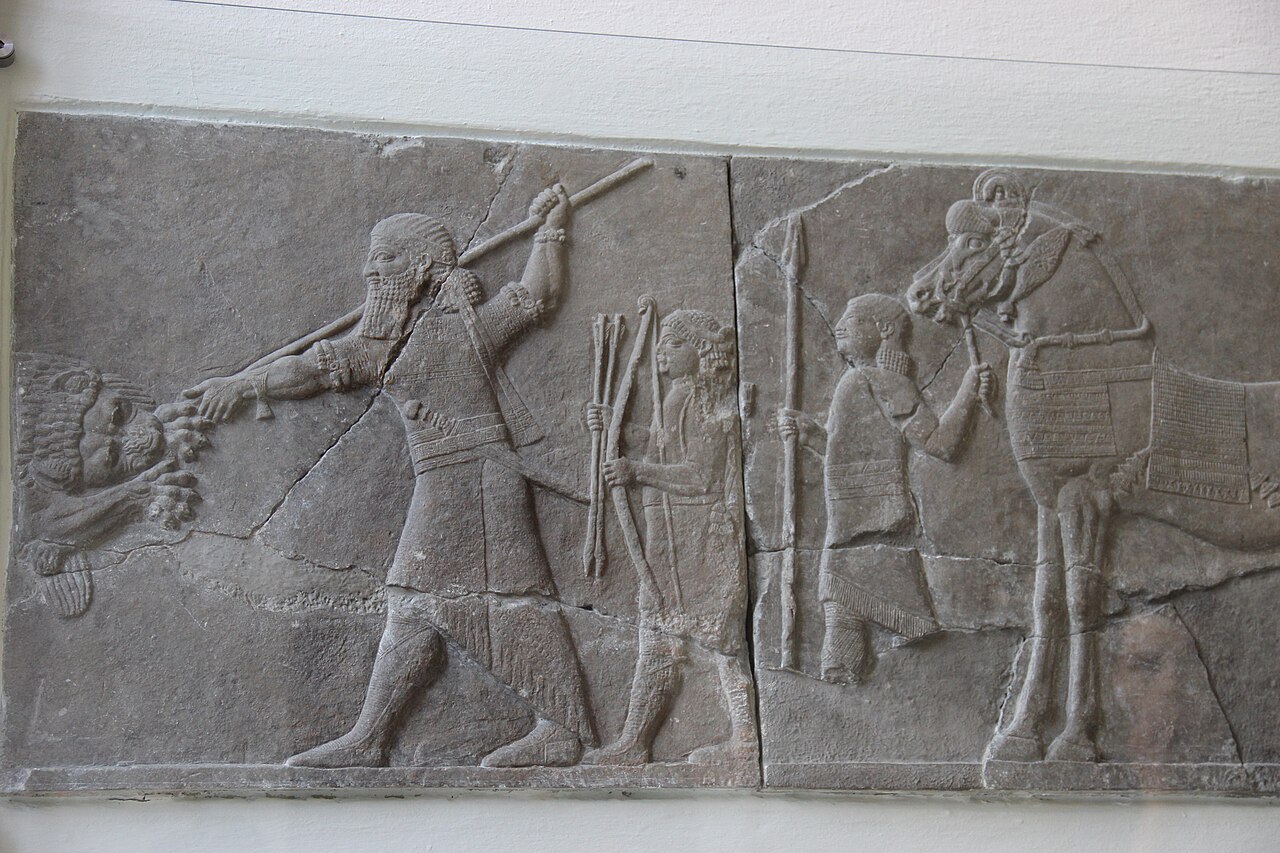
Lion Hunt of Ashurbanipal
Assyrian royal sculptors · c. 645–635 BCE
 Document
Primary source
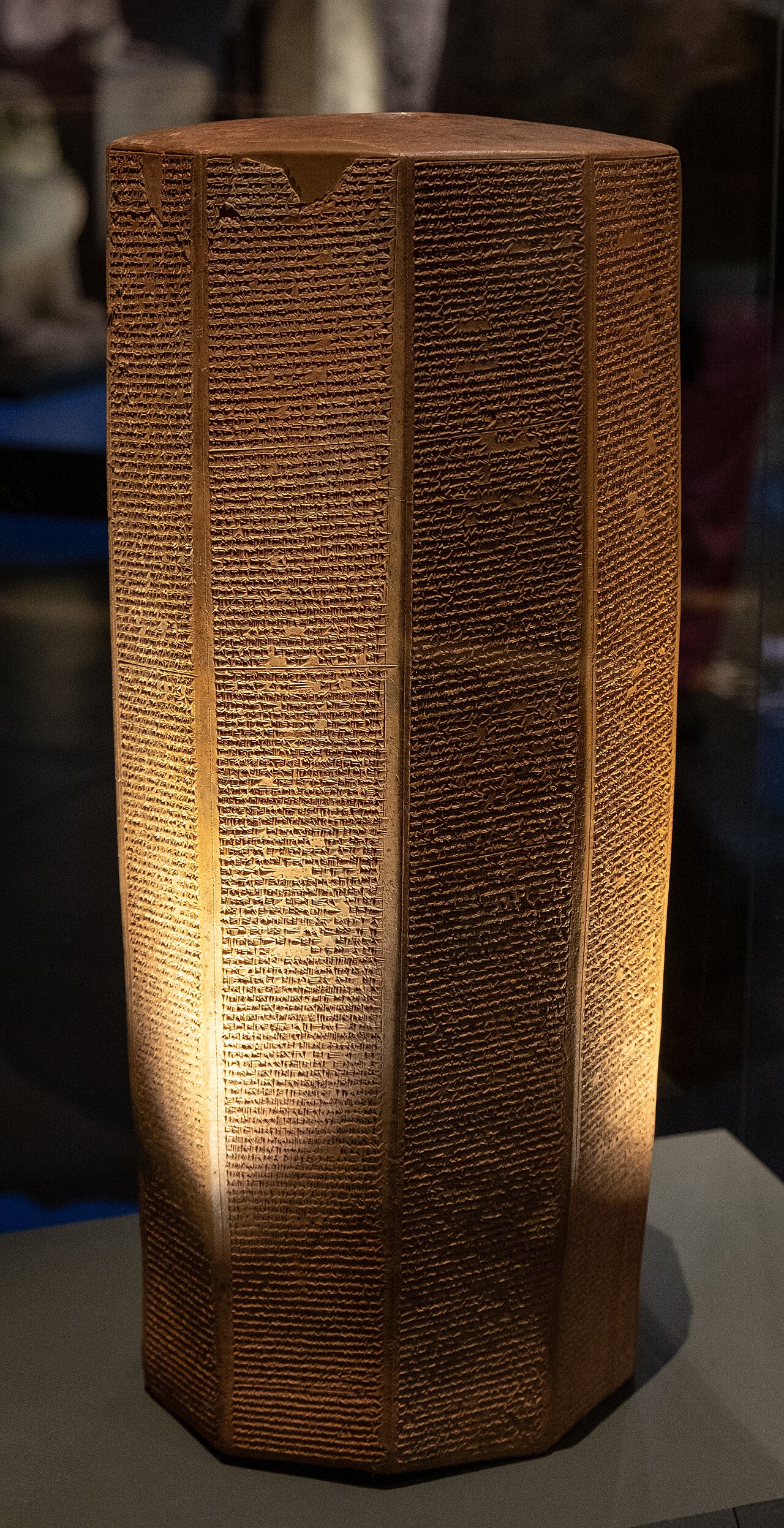
Rassam Prism of Ashurbanipal
643 BCE
 Painting
Secondary source
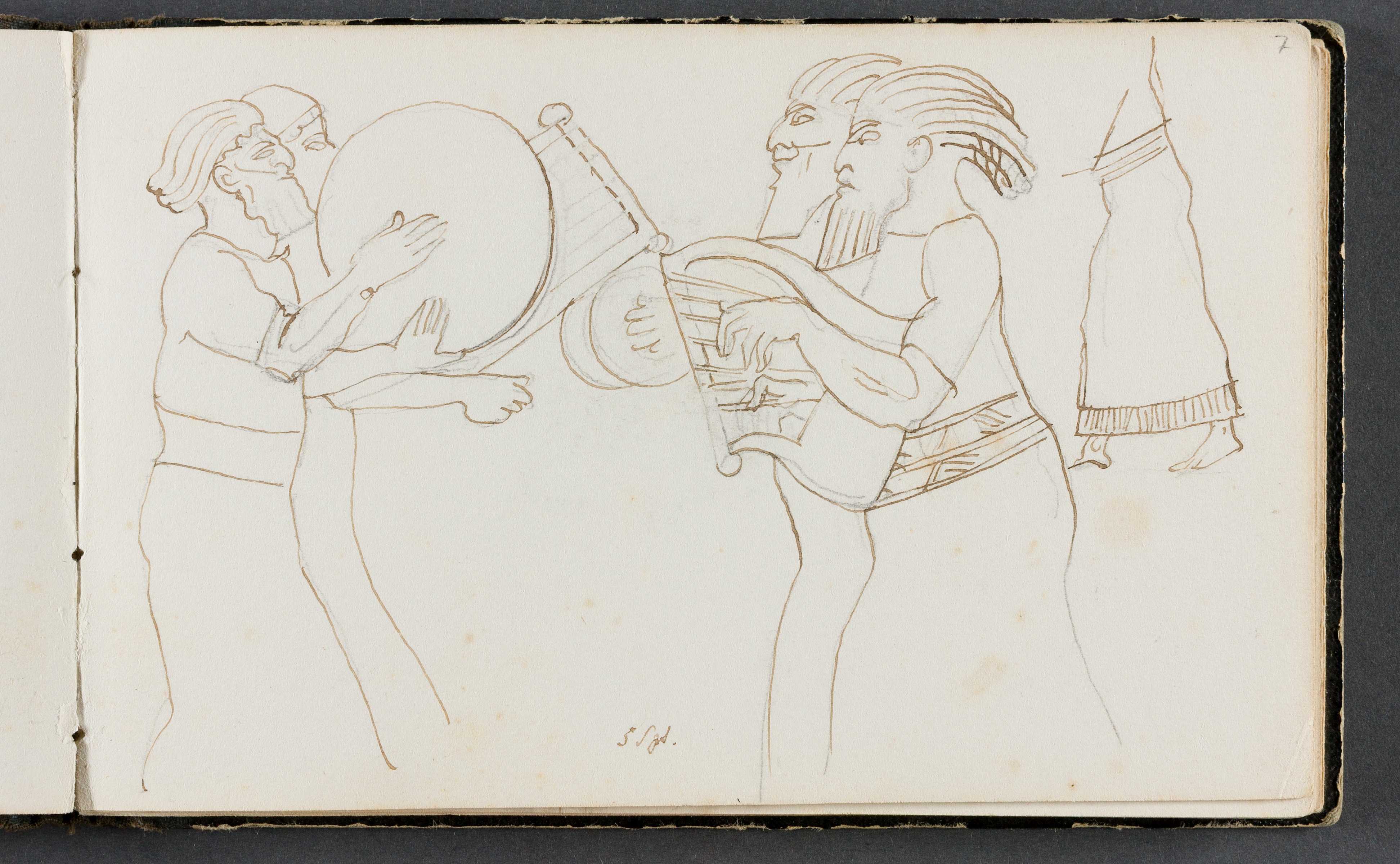
Relief with Musicians from the Palace of Ashurbanipal in Nineveh
 Document
Primary source
Flood Tablet
Scribes of Ashurbanipal's library · 7th century BCE
Ready when you are
Start chatting with Ashurbanipal now.
20 messages free · No credit card · Available in 50+ languages.