


Secondary sourceBook1900
Menakıb-ı Mevlana
Lokmani Dede · 1900
An Ottoman-era hagiographic biography of Rumi, written centuries after his death to record legends about his life.
This later biography records legends about Rumi's life, showing how he was remembered long after his death.
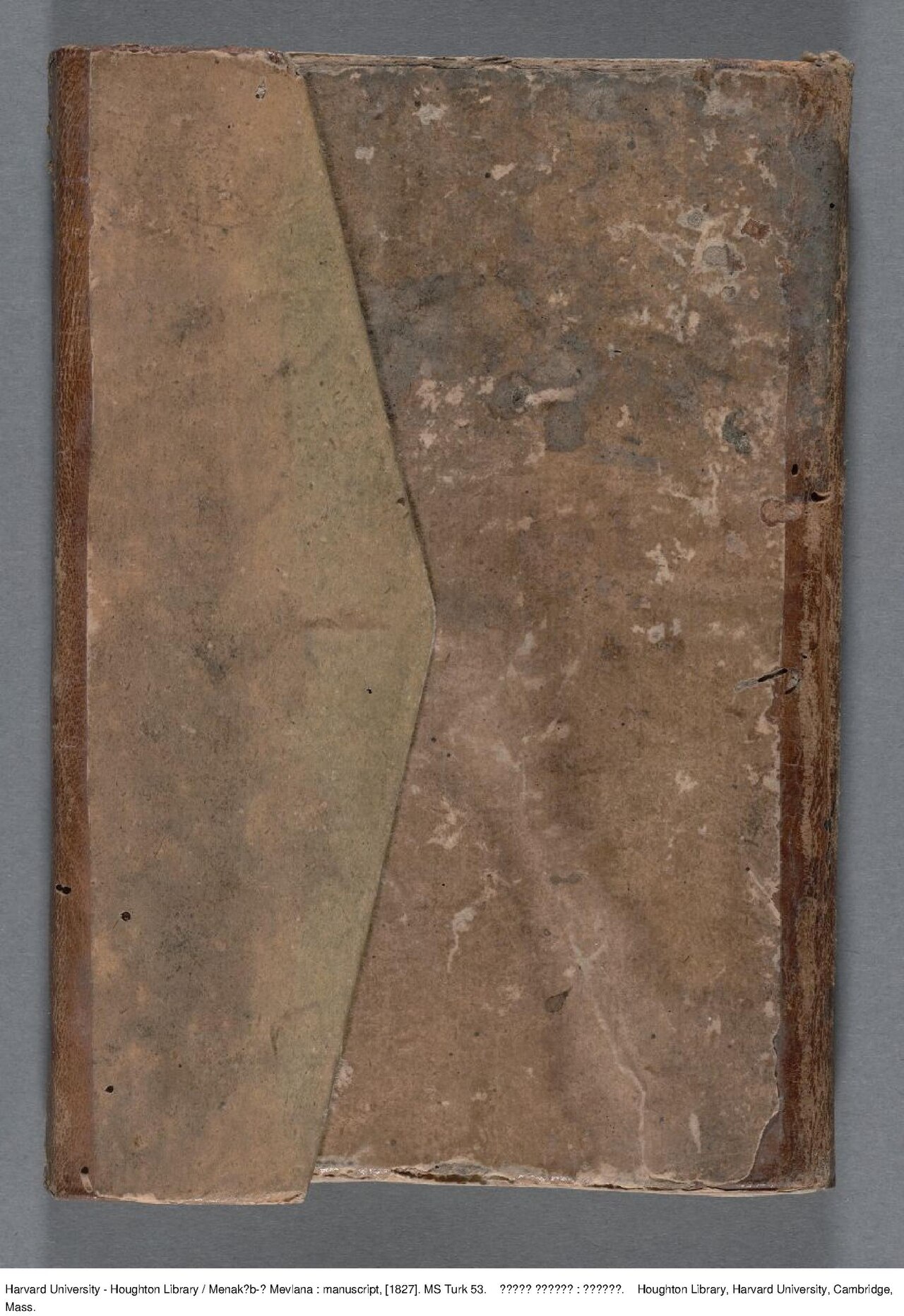
About this source
What it is
This is a 1900 printed edition of the Menakıb-ı Mevlana (Legends of Mevlana), an Ottoman biography of Rumi written by Lokmani Dede. The copy shown is held in a research library collection.
Why it matters
This book does not come from Rumi's own time. It was written long after he died to preserve stories and legends about his life, shaping how later generations in the Ottoman Empire remembered him as a saintly teacher.
Look closer
- Why might legends about a holy figure grow more detailed over time?
- What does it tell us that this book was still being printed in 1900, centuries after Rumi lived?
- How might a hagiography differ from a modern biography?
This book is part of the curated material that grounds the AI version of Rumi (Jalāl ad-Dīn Muhammad Rūmī) on Humy.ai — when students ask about related events, the AI can quote it and cite it.
More Rumi (Jalāl ad-Dīn Muhammad Rūmī) sources
Meet the AI Rumi (Jalāl ad-Dīn Muhammad Rūmī) →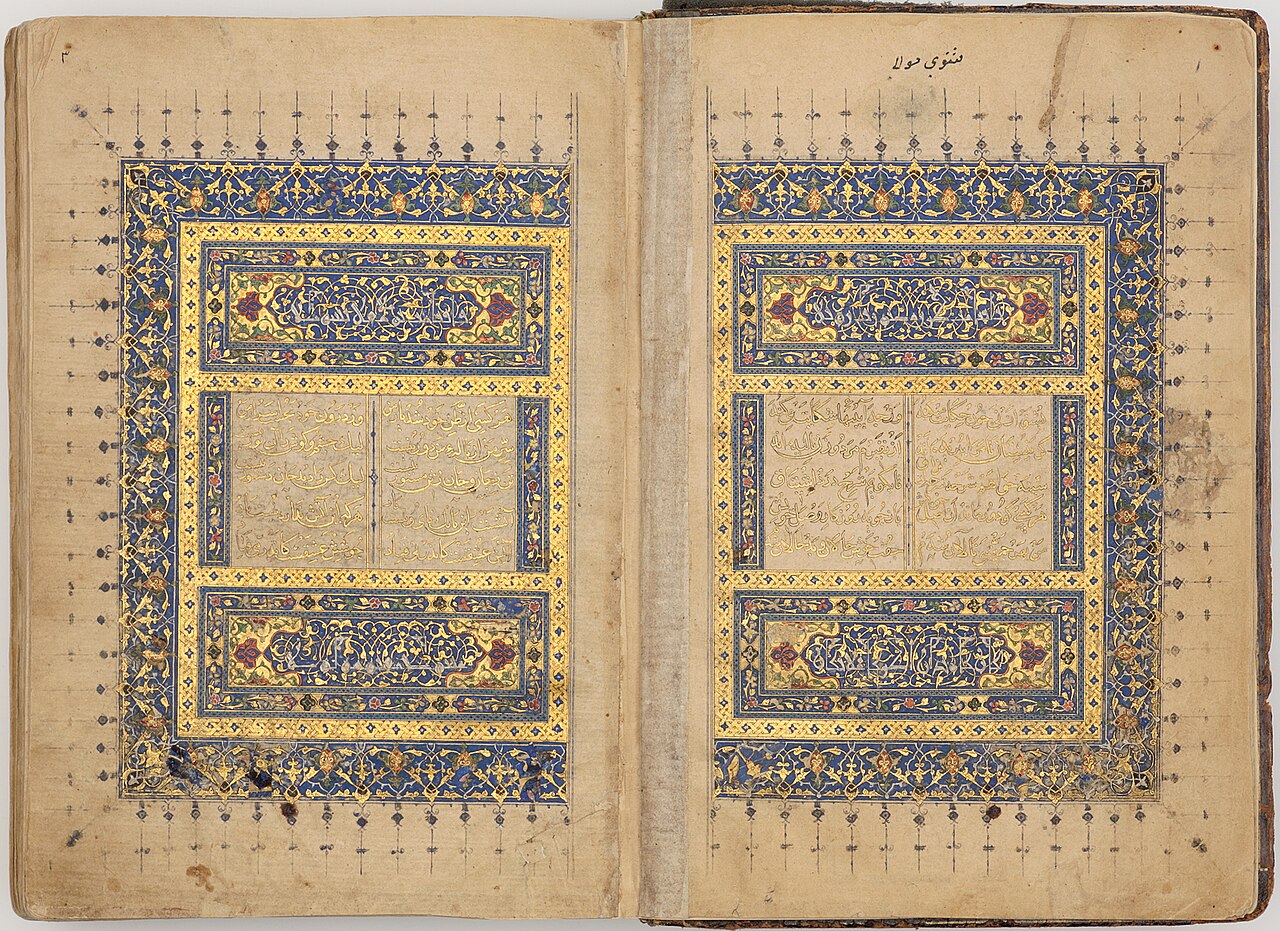 Book
Primary source
Masnavi
Rumi · c. 1258-1273
 Book
Primary source
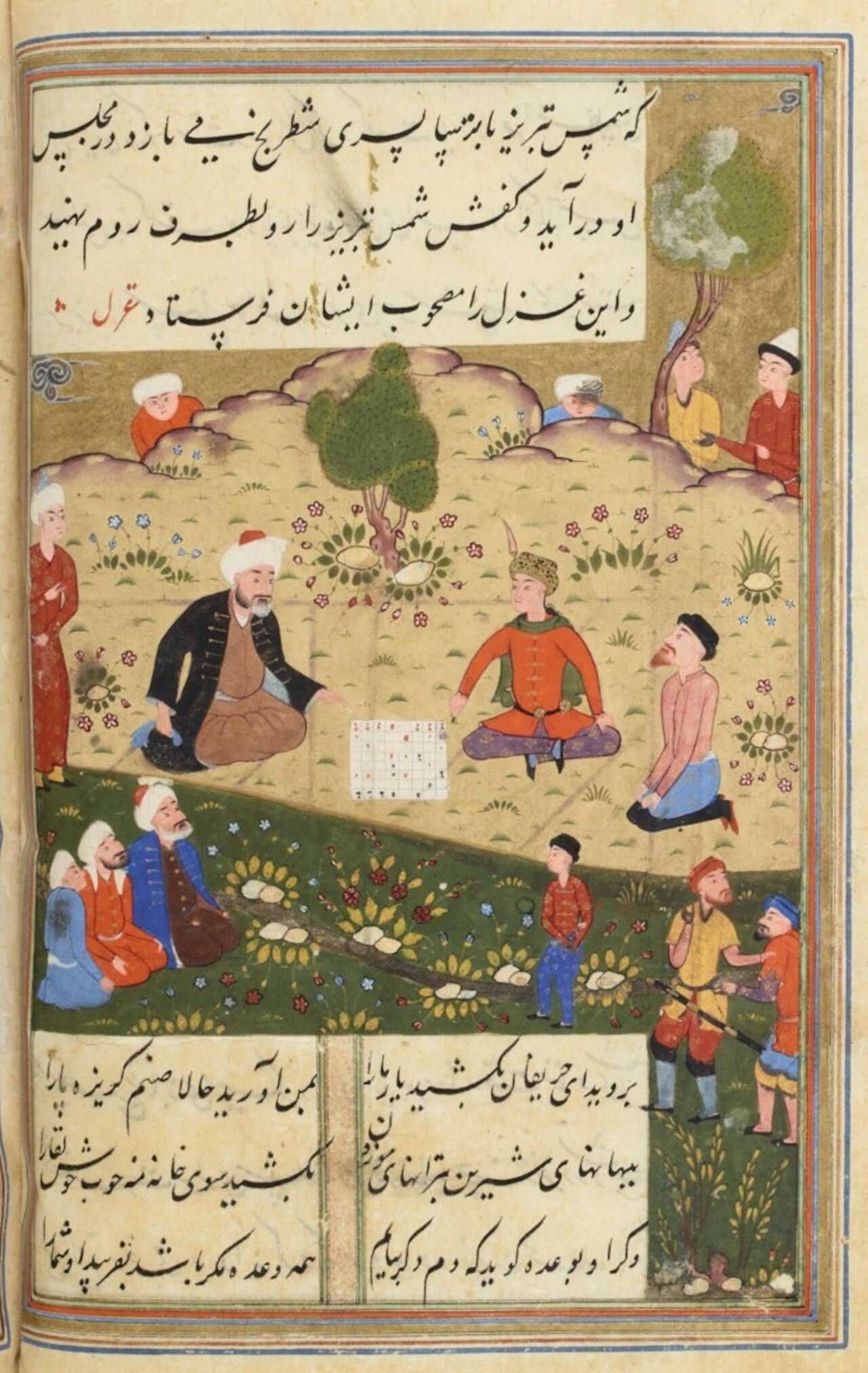
Diwan-e Shams-e Tabrizi
Rumi · c. 1247 onward
 Artifact
Secondary source
Grave of Rumi
soon after 1273
 Book
Primary source
Fihi Ma Fihi
Rumi · c. 1260-1273
 Artifact
Secondary source
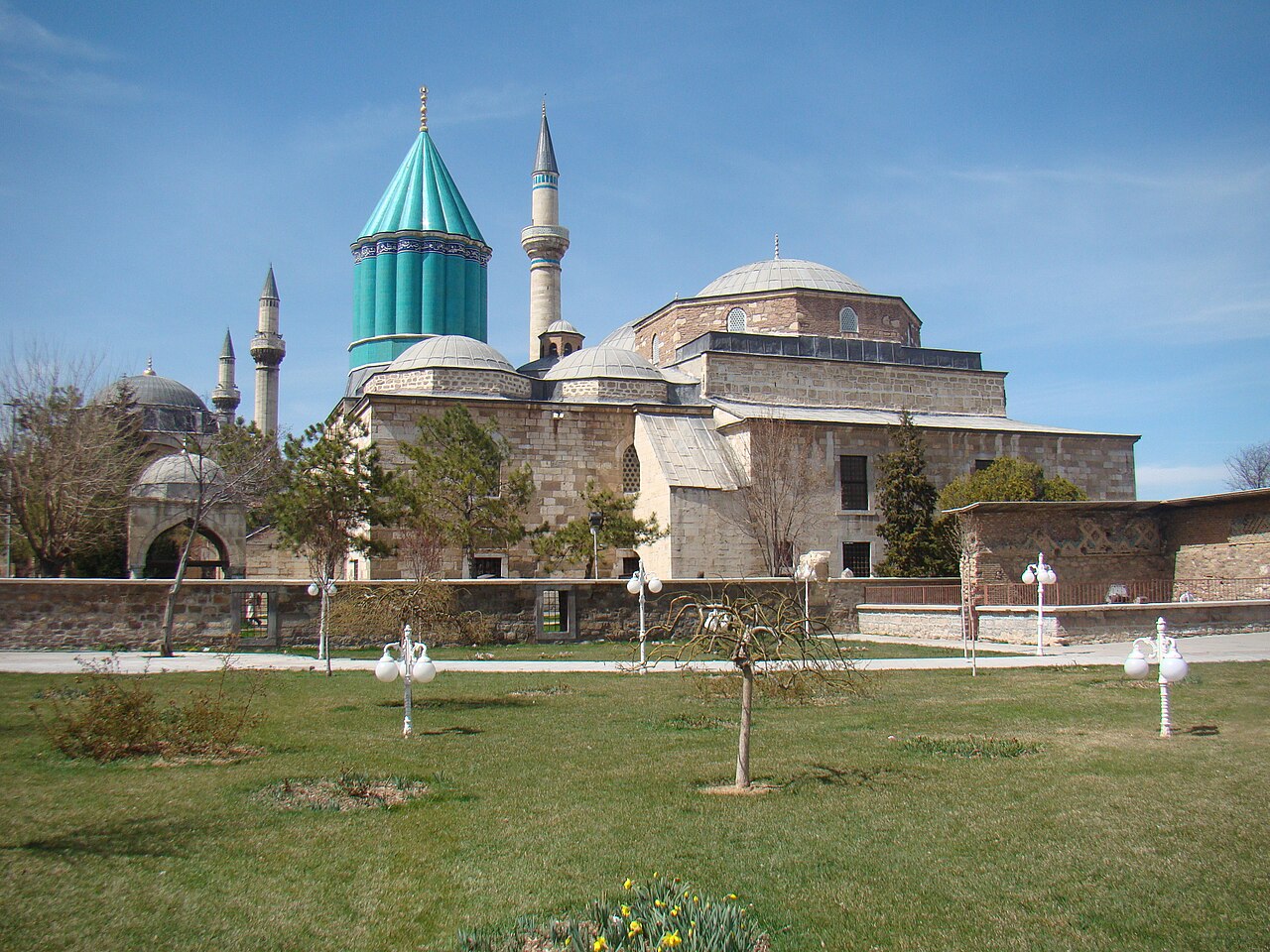
Mevlâna Museum
Badr al-Din Tabrizi (architect) · built soon after 1273; museum since 1926
Ready when you are
Start chatting with Rumi (Jalāl ad-Dīn Muhammad Rūmī) now.
20 messages free · No credit card · Available in 50+ languages.