


Secondary sourceBookc. 385 BC
Meno
Plato · c. 385 BC
Plato's dialogue in which Socrates questions a slave boy about geometry and debates virtue with Meno and Anytus, one of his future accusers.
Written by Plato, this dialogue presents Socrates's teaching method and Plato's theory of recollection through a staged conversation.
About this source
What it is
Meno is a Socratic dialogue written by Plato around 385 BC, set at an earlier date around 402 BC. It follows a conversation between Socrates and Meno, a visitor from Thessaly, about whether virtue can be taught.
Why it matters
The dialogue shows Socrates' distinctive method of questioning, including his famous demonstration with one of Meno's slaves to illustrate his theory that learning is a kind of recollection. It also features Anytus, an Athenian politician who later became one of Socrates' prosecutors, adding a note of foreshadowing to their exchange about virtue.
Look closer
- Why might Plato have included Anytus, a future accuser of Socrates, as a character in this conversation about virtue?
- What does the questioning of the slave boy suggest about Socrates' view of knowledge and learning?
- This dialogue was written years after Socrates died — how might that shape the way his ideas are presented?
This book is part of the curated material that grounds the AI version of Plato and Socrates on Humy.ai — when students ask about related events, the AI can quote it and cite it.
More Plato sources
Meet the AI Plato →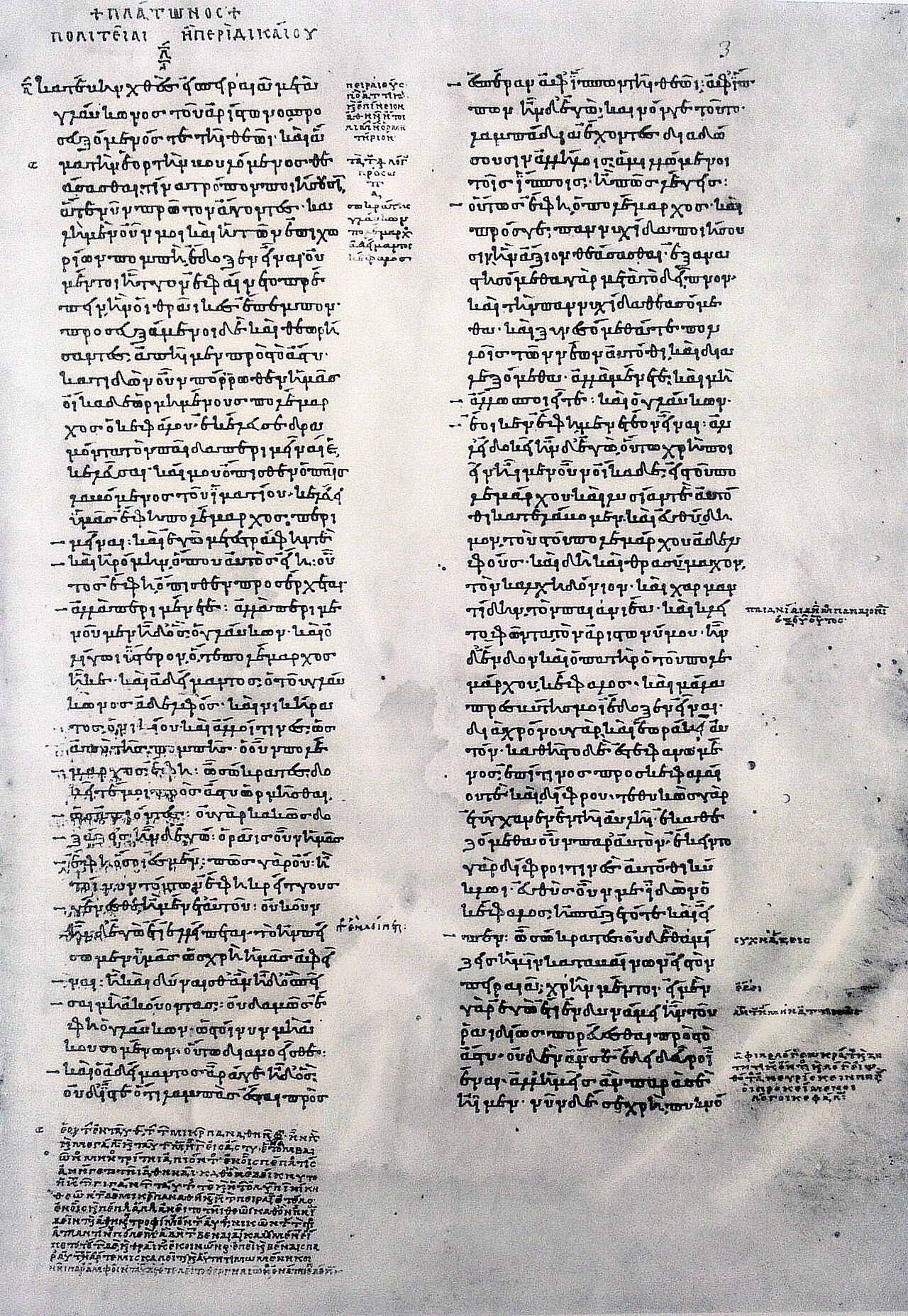 Book
Secondary source
The Republic
Plato · c. 375 BC
 Book
Primary source
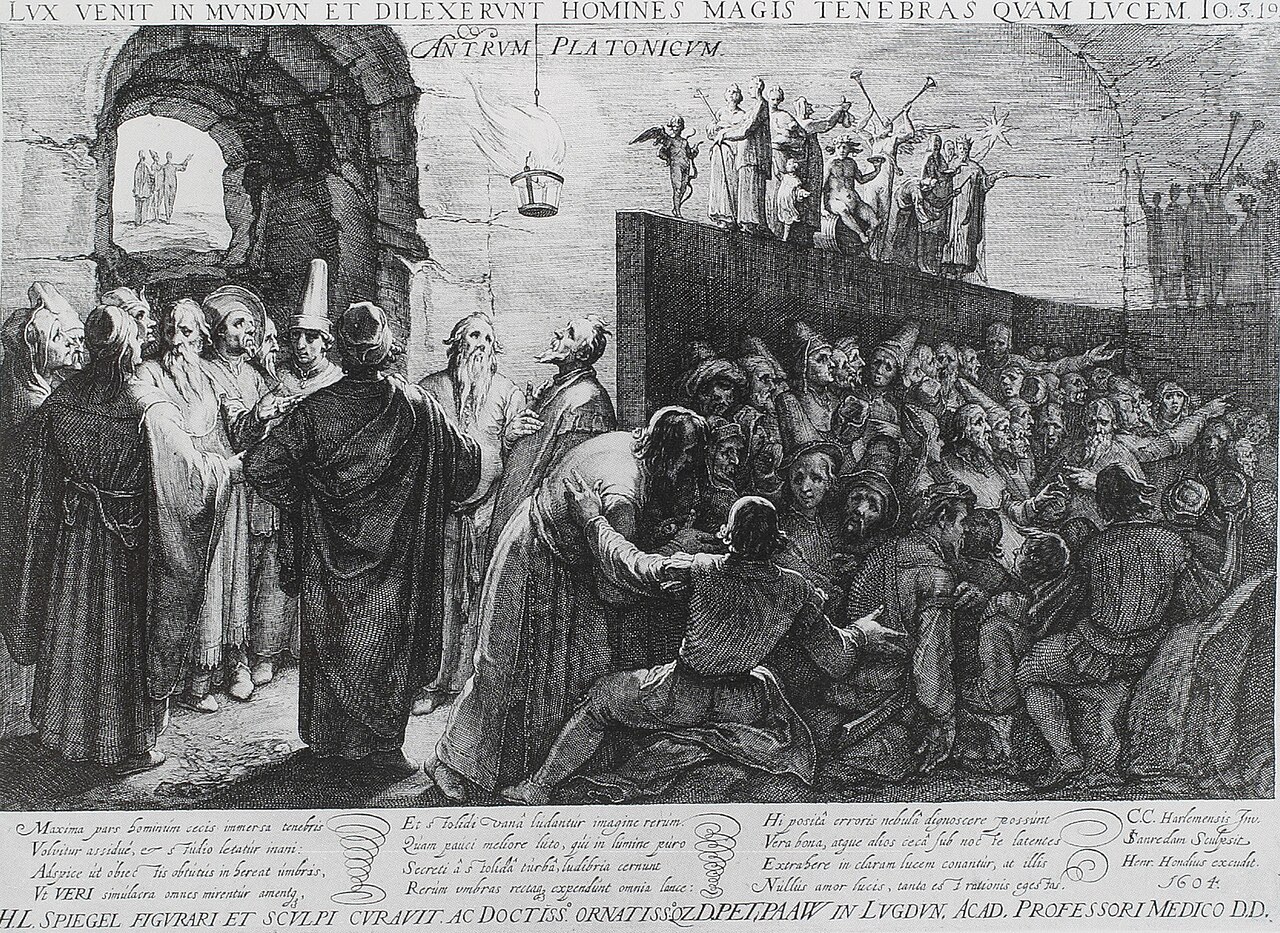
Allegory of the Cave
Plato · c. 400 BC
Secondary source
Apology
Plato · c. 395 BC
 Sculpture
Secondary source
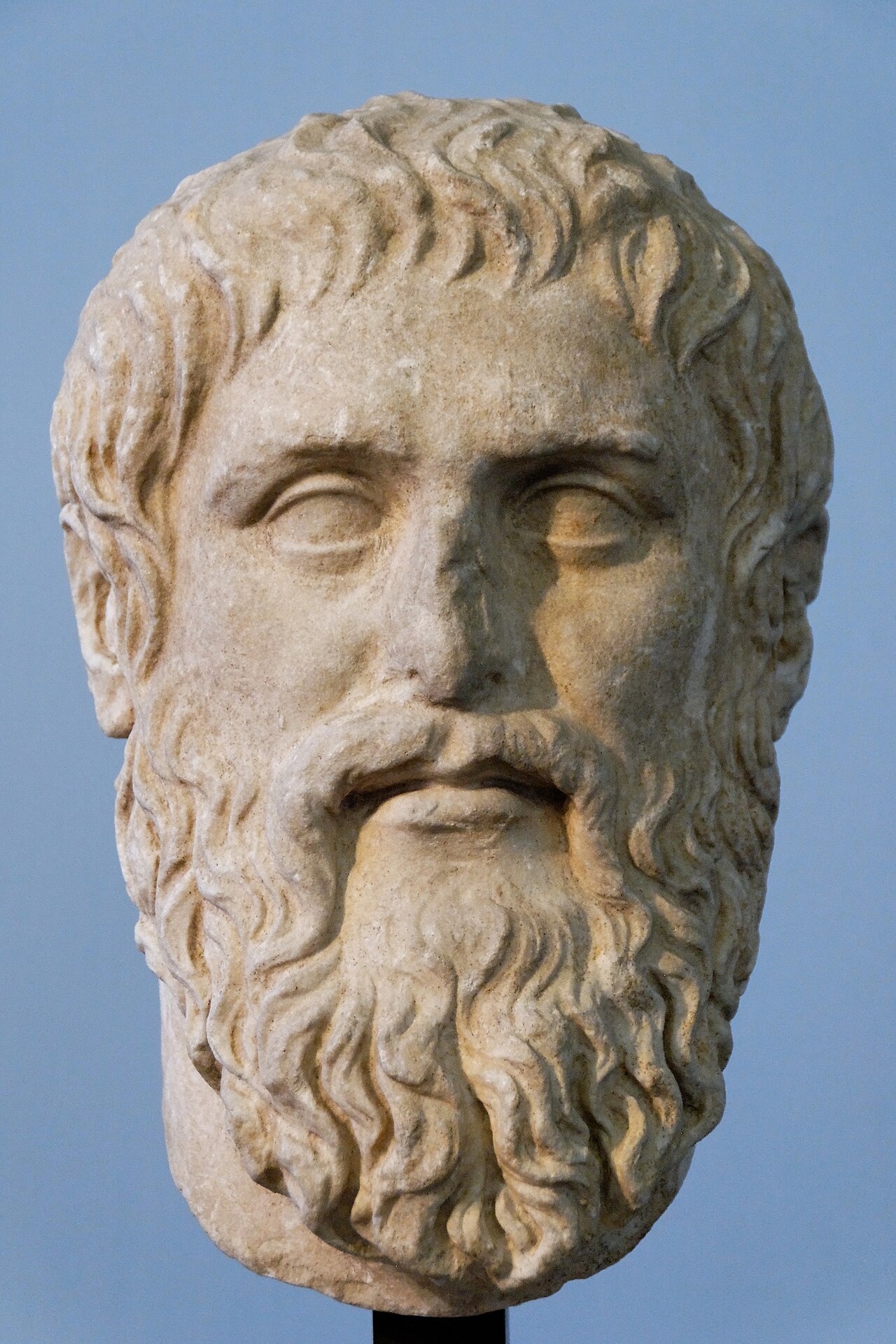
Portrait of Plato
Silanion (original type) · ca. 370 BC (original type); this copy Roman era
 Book
Secondary source
Phaedo
Plato · c. 360 BC
Ready when you are
Start chatting with Plato now.
20 messages free · No credit card · Available in 50+ languages.