


Primary sourceSculpture27-25 BC
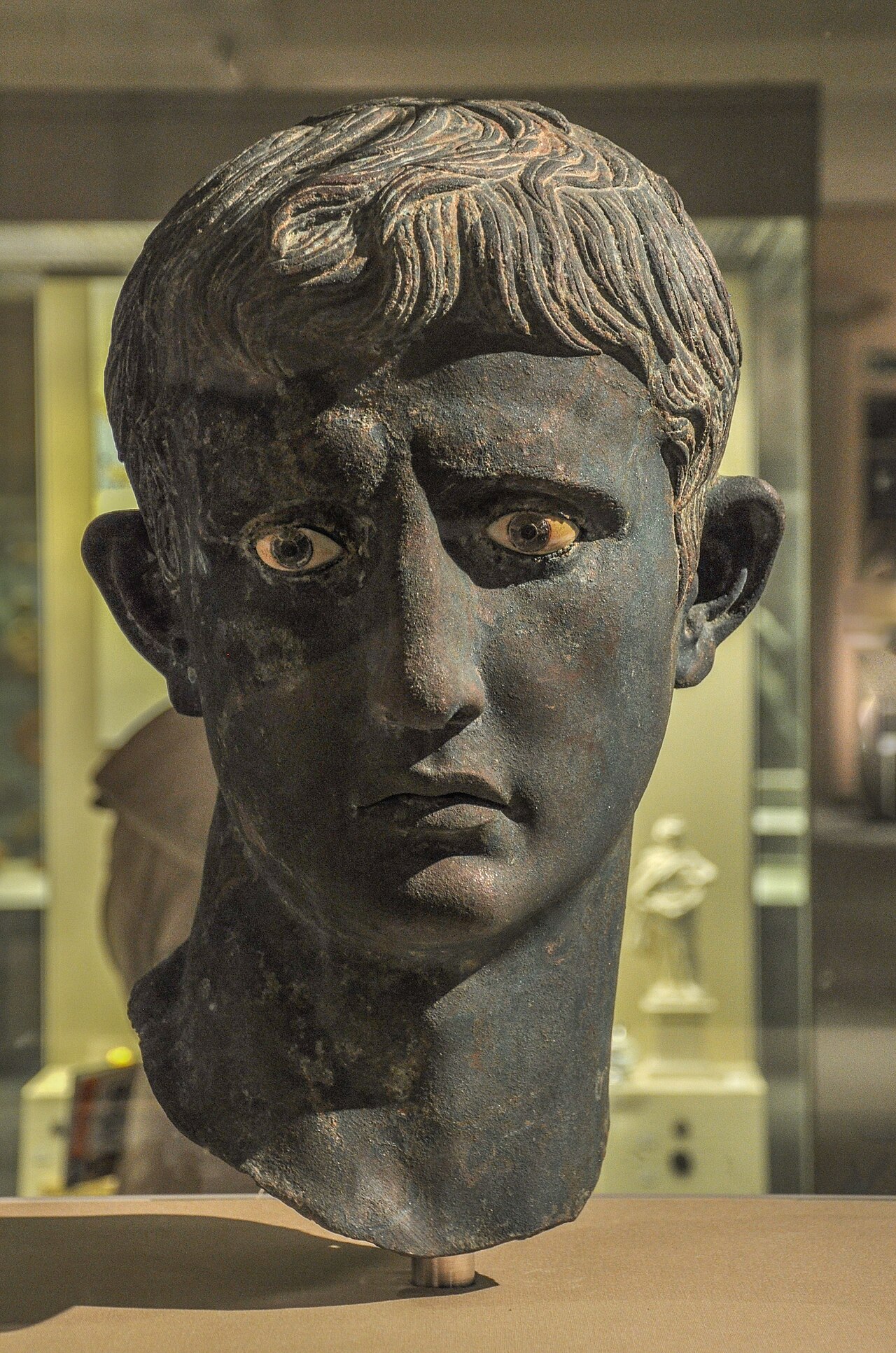
Meroë Head
27-25 BC
A larger-than-life bronze head from a statue of Augustus, looted from Egypt by Kushite forces and buried as a symbol of defiance.
A portrait head of Augustus, captured and buried by Kushite forces as an act of symbolic defiance against him.
About this source
What it is
This bronze head comes from a large statue of Augustus, made around 27-25 BC. It was found buried under a temple staircase at Meroë in modern Sudan in 1910 and is now held by the British Museum.
The head had been cut from a full statue that once stood in a town in Roman Egypt. According to ancient sources, it was seized by the forces of the Kushite queen Amanirenas in a raid in 24 BC, after which it was carried south and placed under the steps of a temple.
Why it matters
Statues of Augustus were set up across the empire to remind people, many of whom could not read, of his power. By burying his head under a staircase leading to a shrine, the Kushites turned a symbol of Roman authority into something people literally trampled on, a direct insult aimed at Augustus and a sign of Kushite resistance and queen Amanirenas's victory.
Look closer
- Why would an enemy keep an image of Augustus instead of destroying it?
- What does placing the head under a doorway suggest about its meaning to the people of Meroë?
- How does this object show that not everyone in the ancient world saw Augustus as all-powerful?
This sculpture is part of the curated material that grounds the AI version of Augustus on Humy.ai — when students ask about related events, the AI can quote it and cite it.
More Augustus sources
Meet the AI Augustus →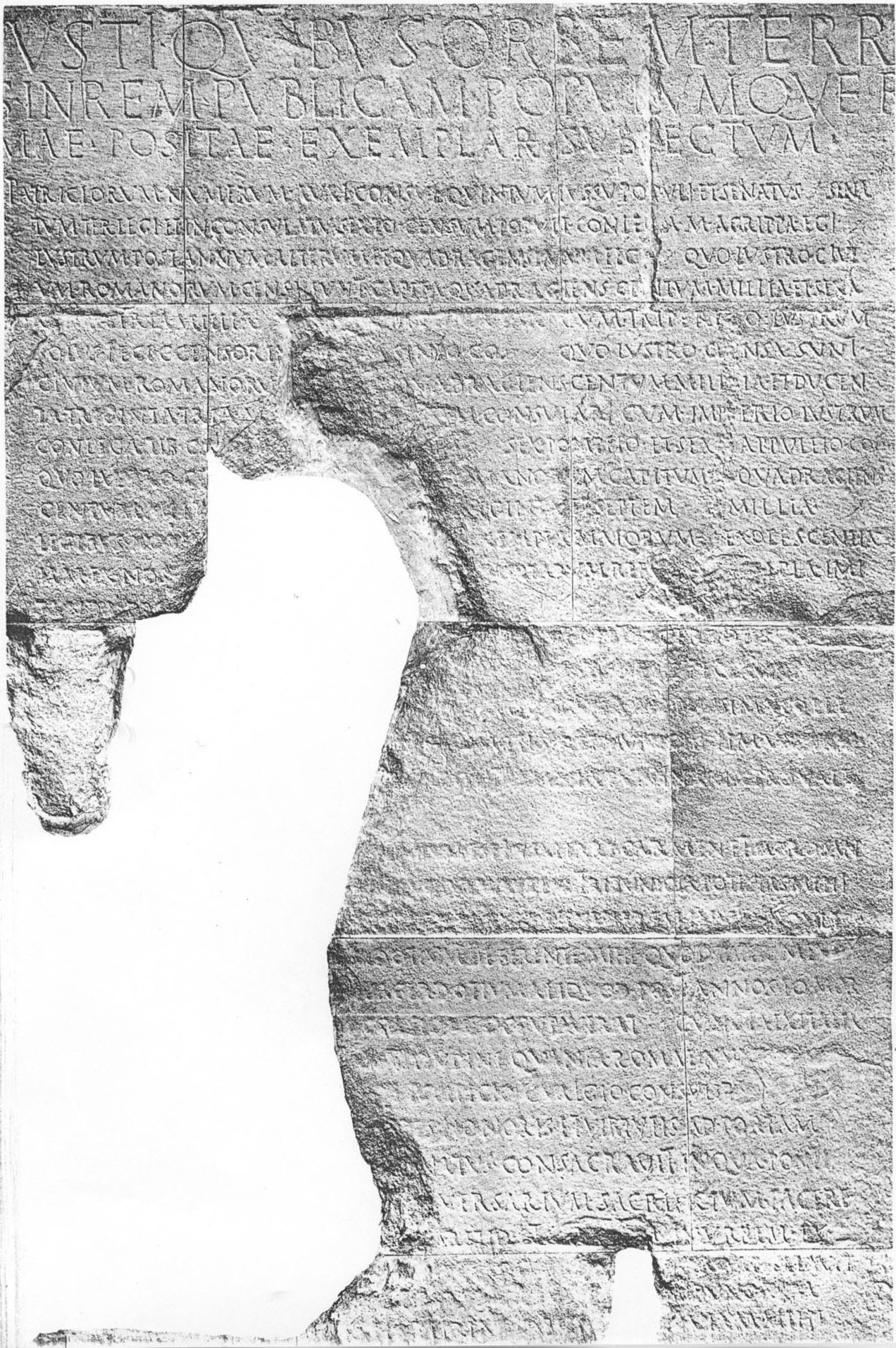 Document
Primary source
Res Gestae Divi Augusti
Augustus · 14 AD
 Painting
Secondary source
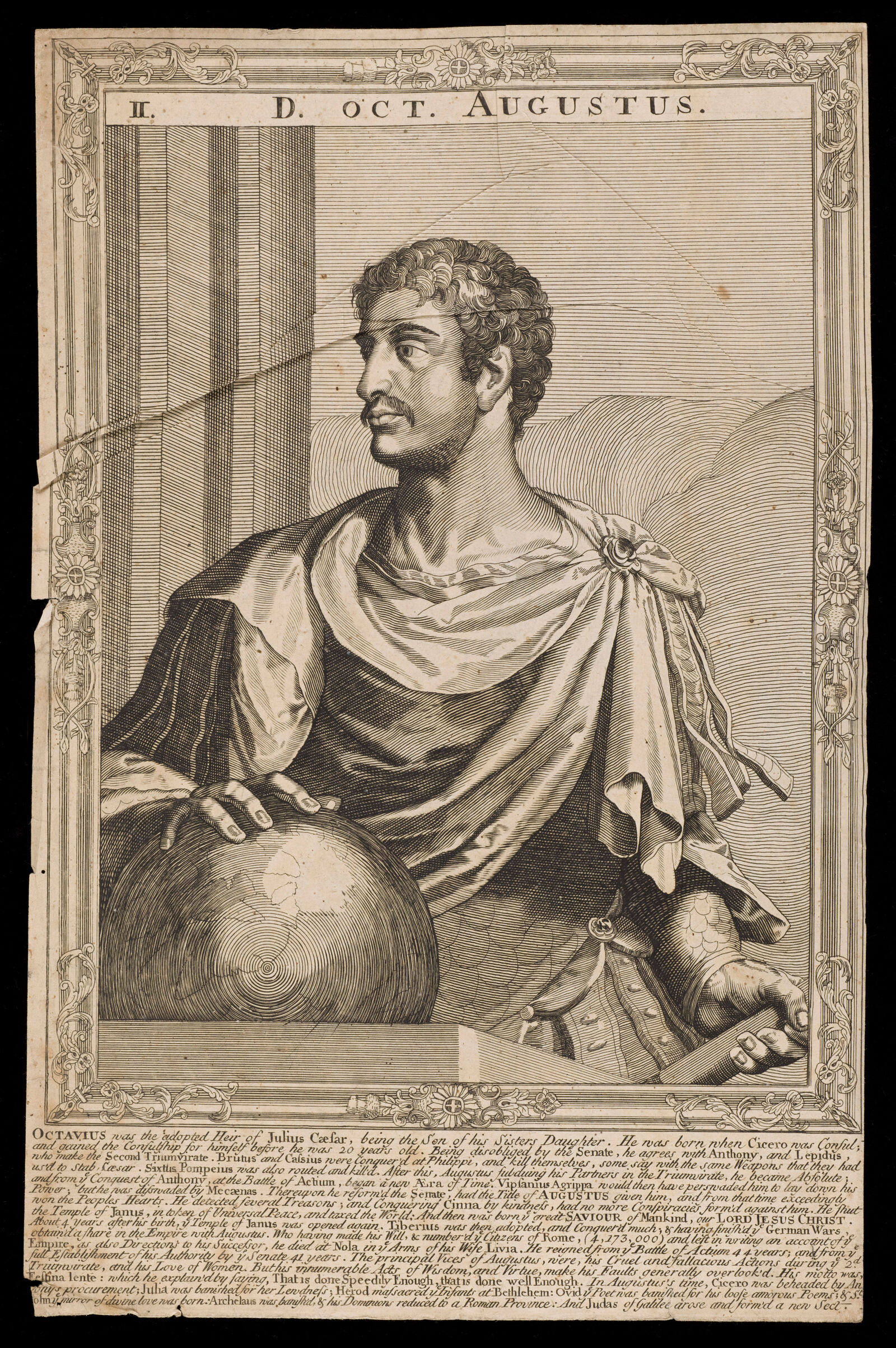
Emperor Augustus with Globe
After Titian (engraving by A. Sadeler, after Titian) · between 1700 and 1799 (possibly 17th century)
 Sculpture
Primary source
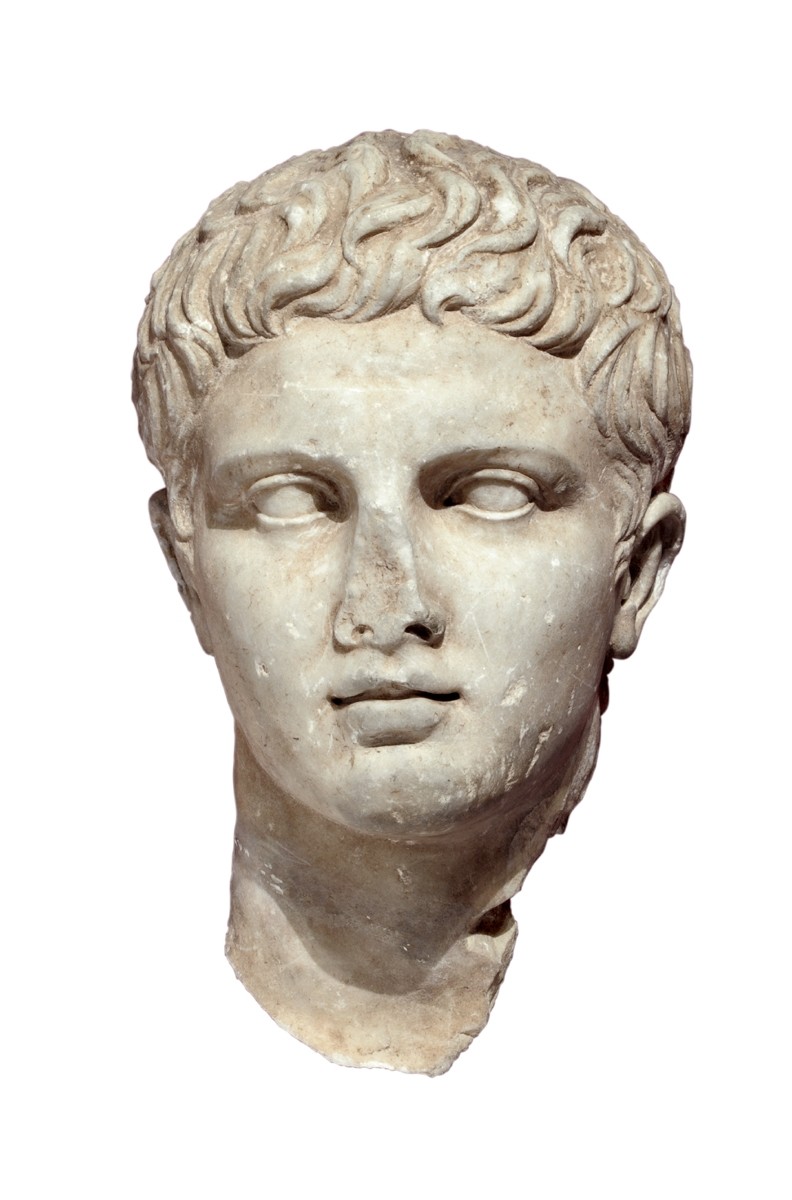
Relief Head of the Young Augustus
 Sculpture
Secondary source
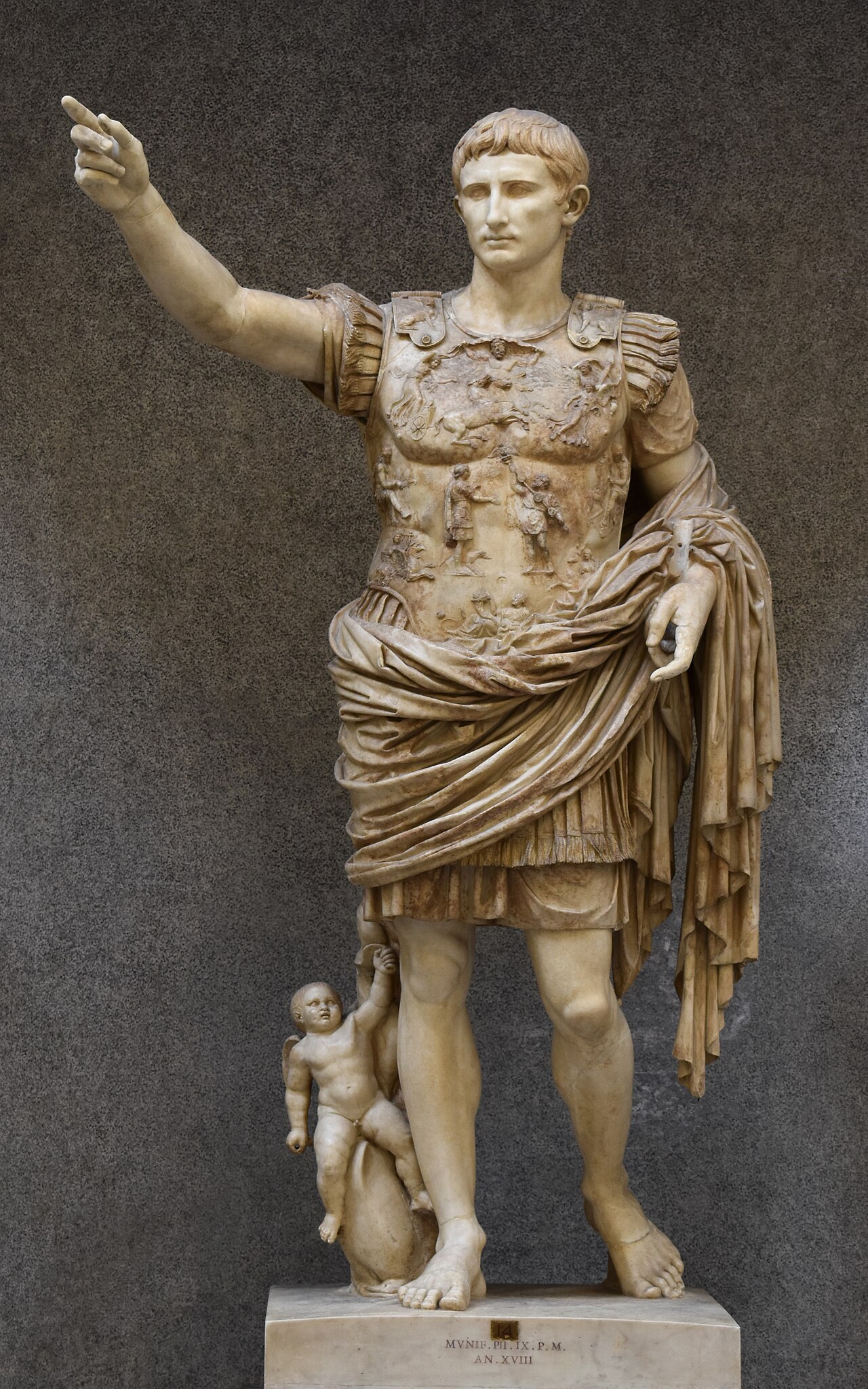
Augustus of Prima Porta
c. 19 BCE or later
 Artifact
Primary source
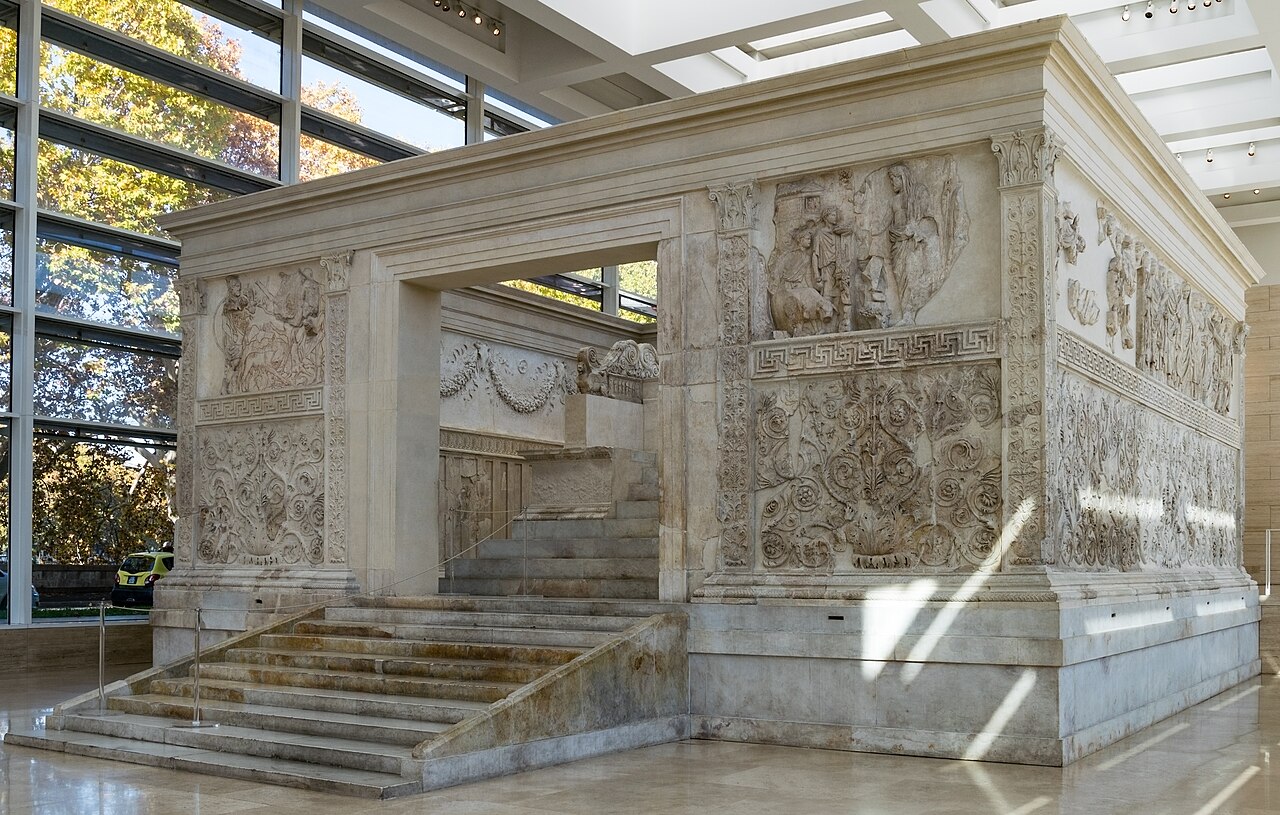
Ara Pacis
13-9 BCE
Ready when you are
Start chatting with Augustus now.
20 messages free · No credit card · Available in 50+ languages.