


Primary sourceBookc. 340 BC
Meteorology
Aristotle · c. 340 BC
Aristotle's treatise explaining weather, earthquakes and comets, the oldest comprehensive work on the subject.
This treatise is Aristotle's own explanation of natural phenomena, showing his approach to science before modern instruments existed.
About this source
What it is
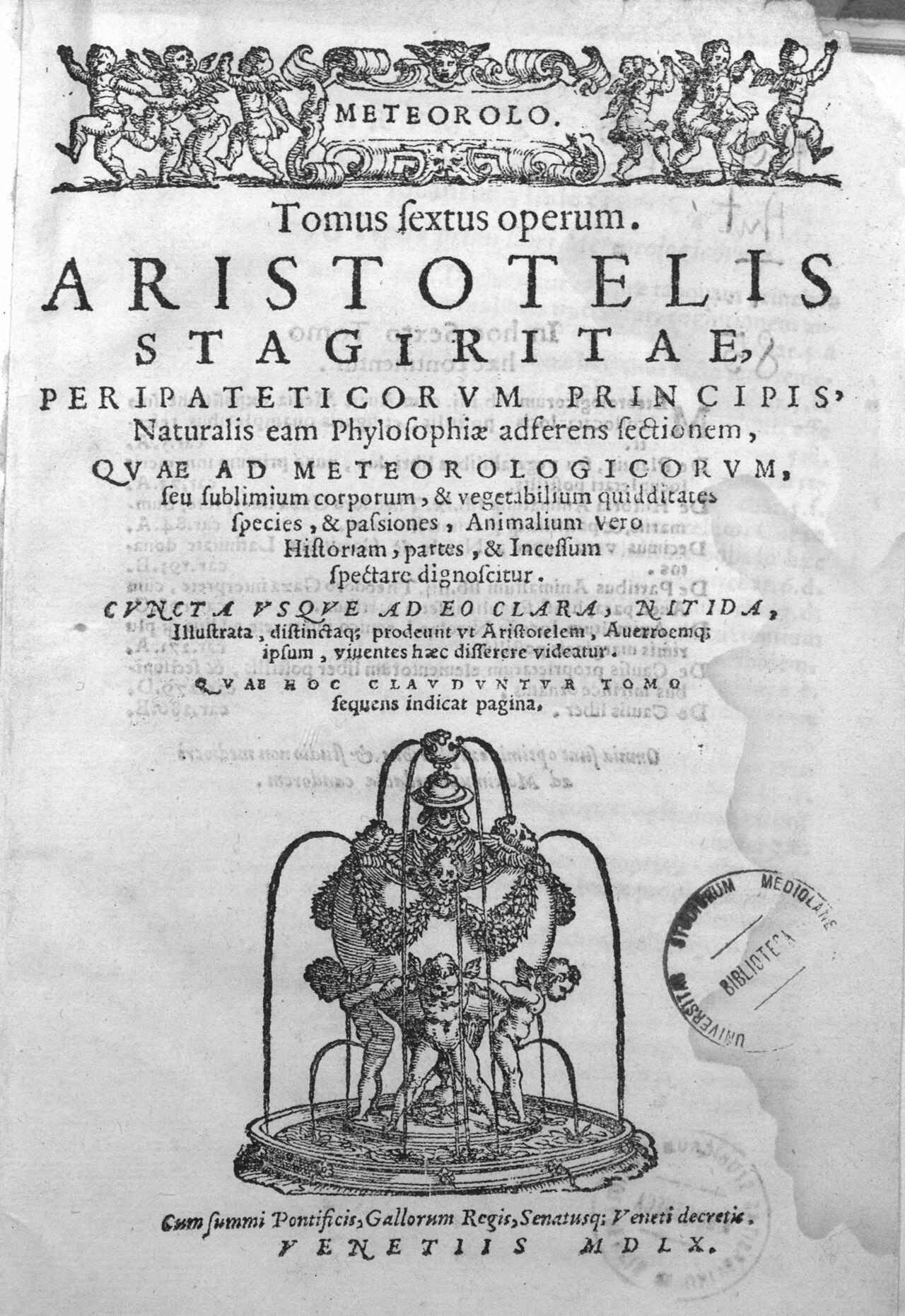
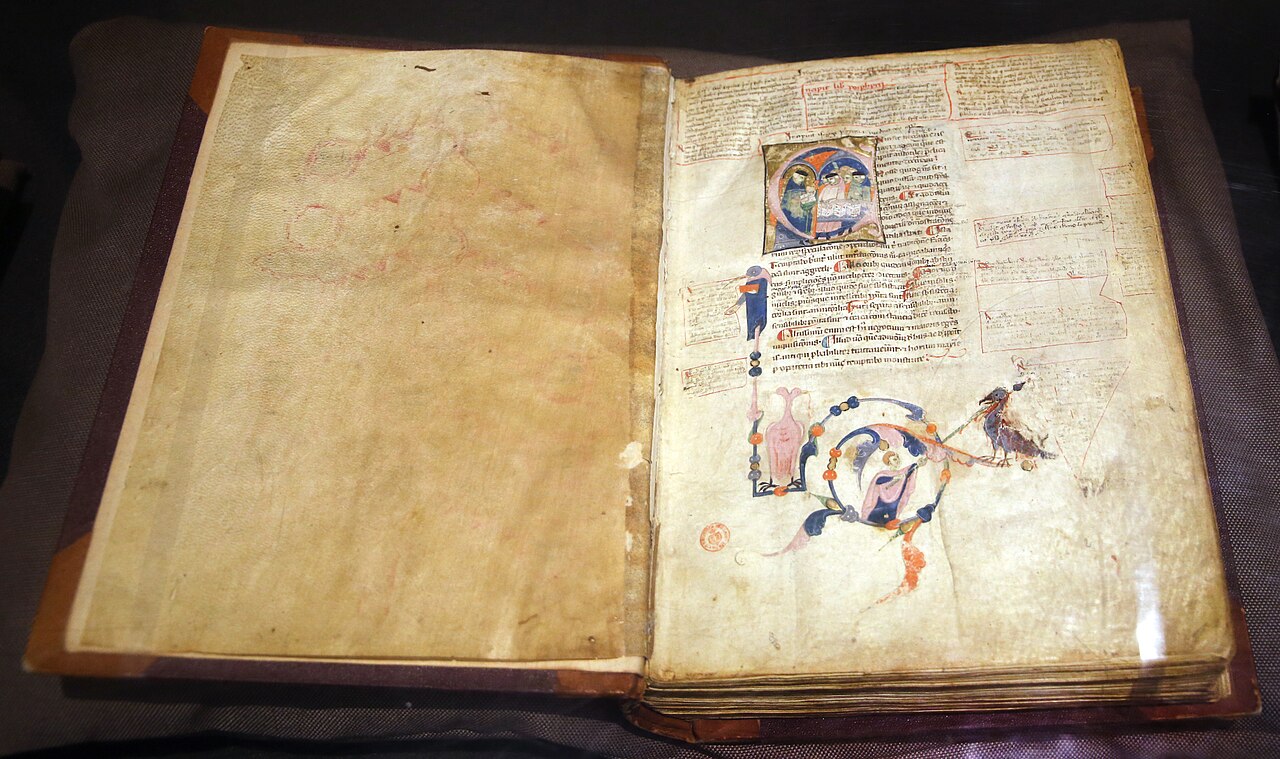
Meteorology is a treatise written by Aristotle around 340 BC. In four books it explains phenomena of air, water and earth, including evaporation, earthquakes and comets, using his theory of four elements. The image shows the title page of a 1560 Venetian printed edition of his collected works.
Why it matters
This is the oldest surviving comprehensive treatise on weather and remained the basis for meteorology in Western Europe for almost two thousand years. It shows how Aristotle combined observation with deductive reasoning, and how his ideas were copied, translated into Arabic and Latin, and printed for centuries after his death.
Look closer
- What does the printed title page tell you about how Aristotle's works were preserved and valued centuries later?
- How did Aristotle explain weather without instruments like thermometers?
- Why might later scientists eventually reject his four-element theory?
This book is part of the curated material that grounds the AI version of Aristotle on Humy.ai — when students ask about related events, the AI can quote it and cite it.
More Aristotle sources
Meet the AI Aristotle →

Ready when you are
Start chatting with Aristotle now.
20 messages free · No credit card · Available in 50+ languages.