


Secondary sourceDocument1885-1890
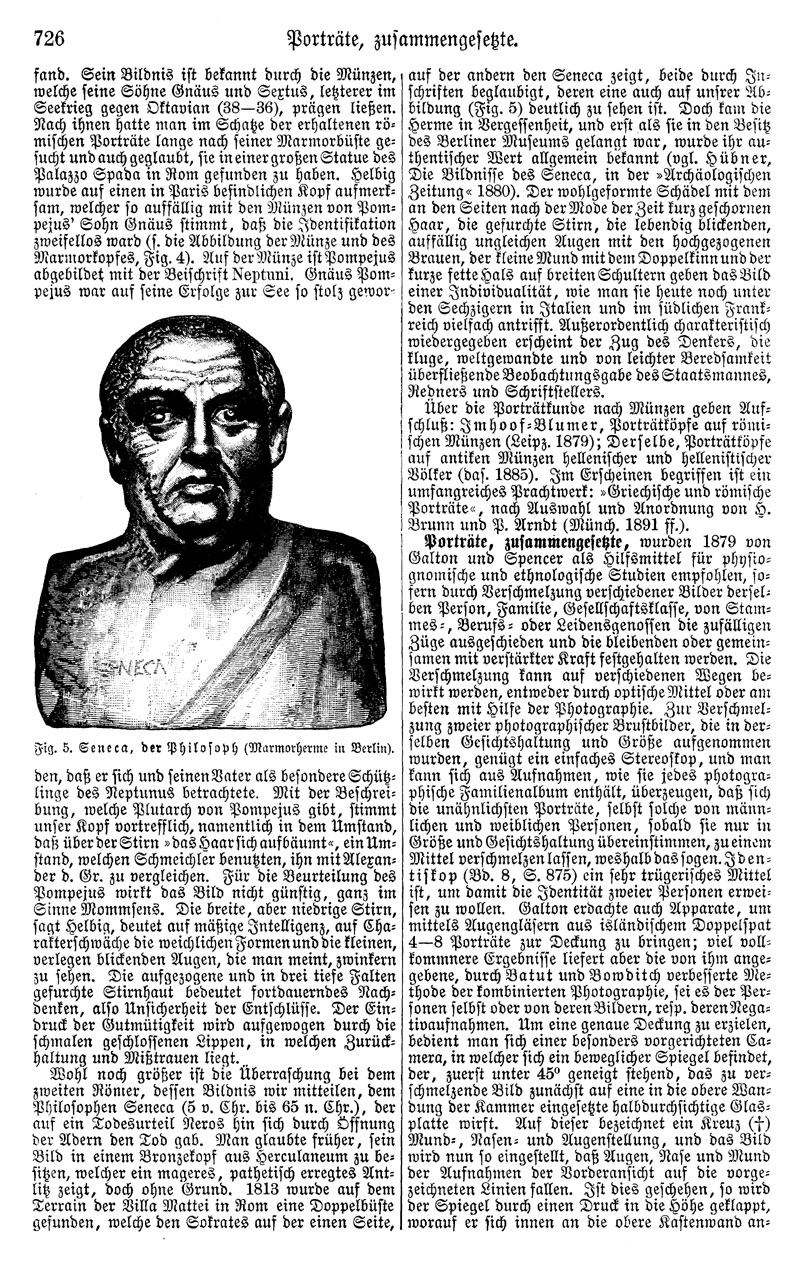
Meyers Konversationslexikon page with portrait of Seneca
Joseph Meyer · 1885-1890
A page from a nineteenth-century German encyclopedia, with an entry and a woodcut bust of Seneca. It is a later reference work about him, not a record from his lifetime.
A later German encyclopedia entry on Seneca, useful for seeing how he was described in the nineteenth century.
About this source
What it is
This is page 742 of Volume 18 of Meyers Konversationslexikon, a German illustrated encyclopedia, 4th edition (1885-1890), printed in black-letter (fraktur) type. The page holds an entry and a woodcut engraving of a bust of Seneca, captioned as a marble herm in Berlin. The creator named in the record is Joseph Meyer.
Why it matters
Encyclopedias show how a period understood a historical figure. This page was written more than eighteen centuries after Seneca died in 65 CE, so it reflects nineteenth-century German scholarship and the way the bust was used to represent him. It is a useful reference, not a witness to his life.
Look closer
- What does the bust show, and how does the caption identify it?
- Why might an encyclopedia of this period include a picture of a sculpture rather than a text about his life?
- What does the entry leave out, and whose knowledge of Seneca might it be based on?
This document is part of the curated material that grounds the AI version of Seneca on Humy.ai — when students ask about related events, the AI can quote it and cite it.
More Seneca sources
Meet the AI Seneca →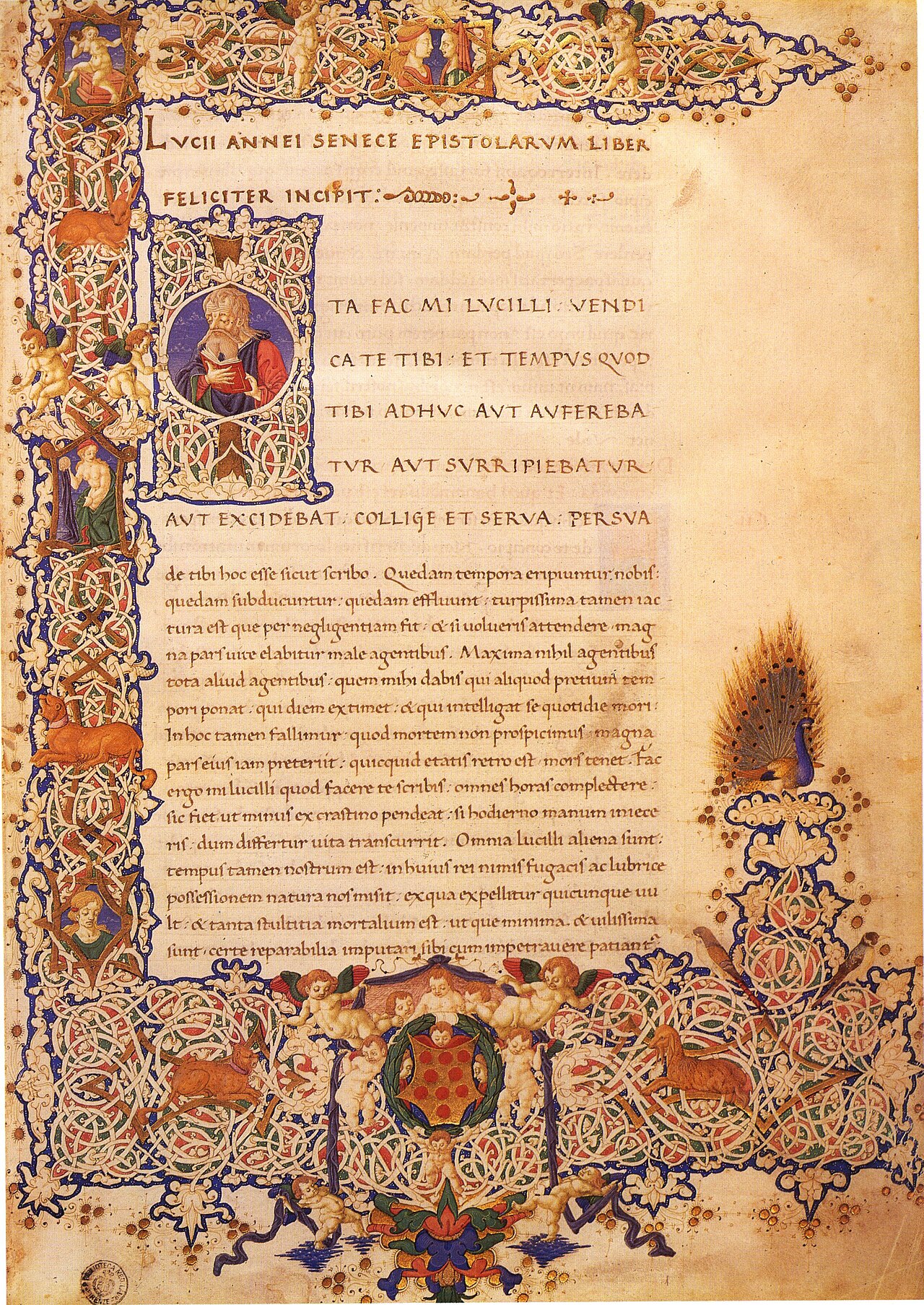 Letter
Primary source
Epistulae Morales ad Lucilium
Seneca · c. 62-65 CE
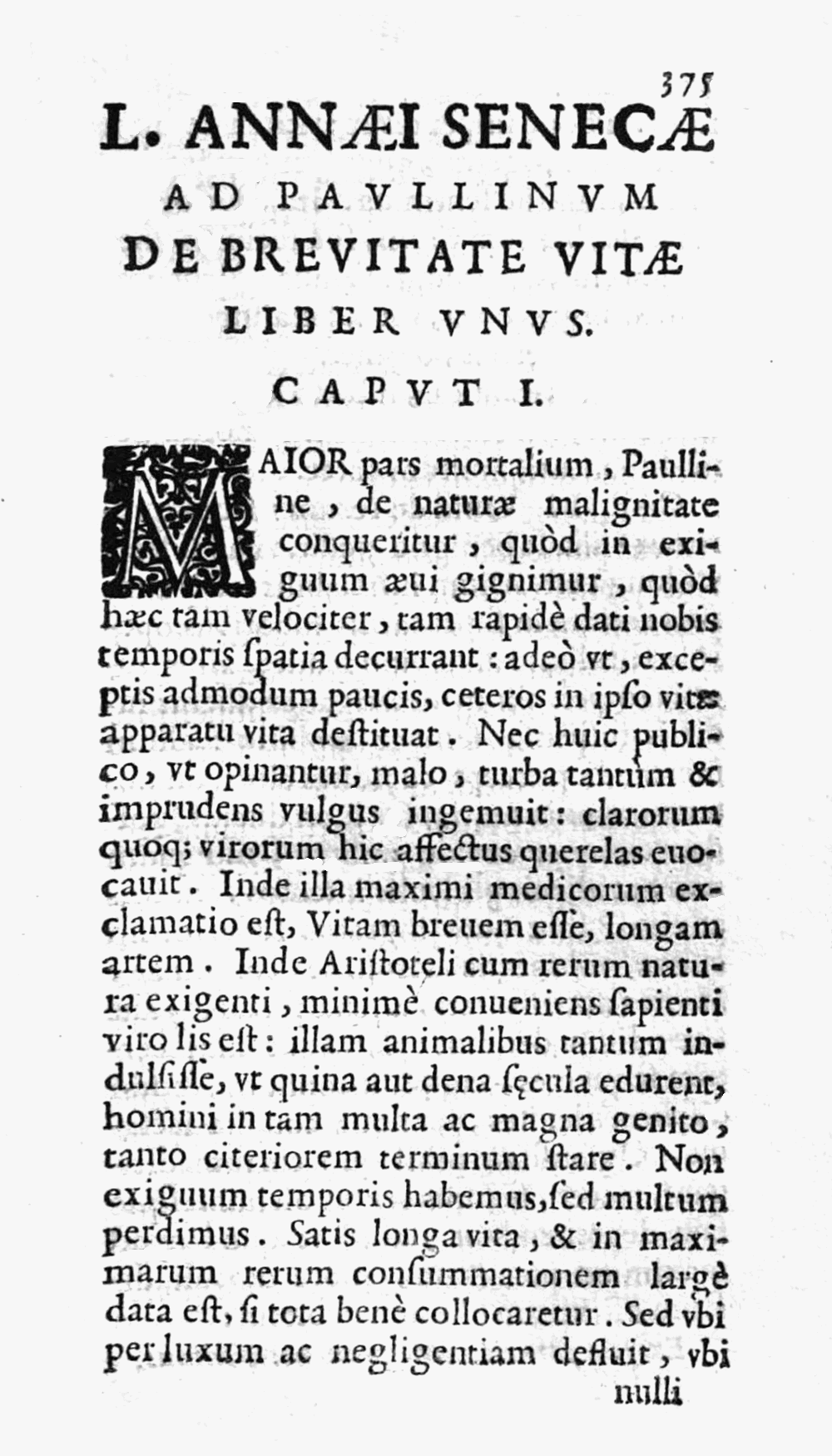 Book
Primary source
De Brevitate Vitae
Seneca · c. 49 CE
 Book
Secondary source
Annals
Tacitus · c. AD 116 or later
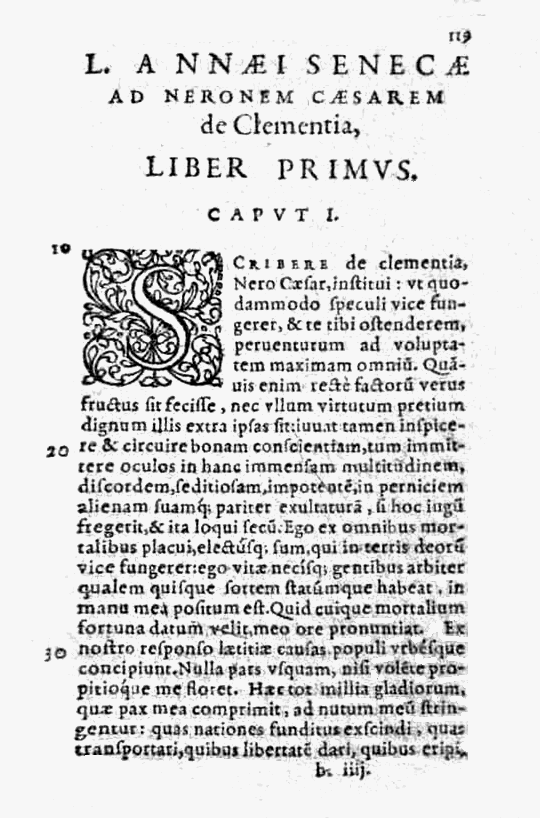 Book
Primary source
De Clementia
Seneca · 55-56 CE
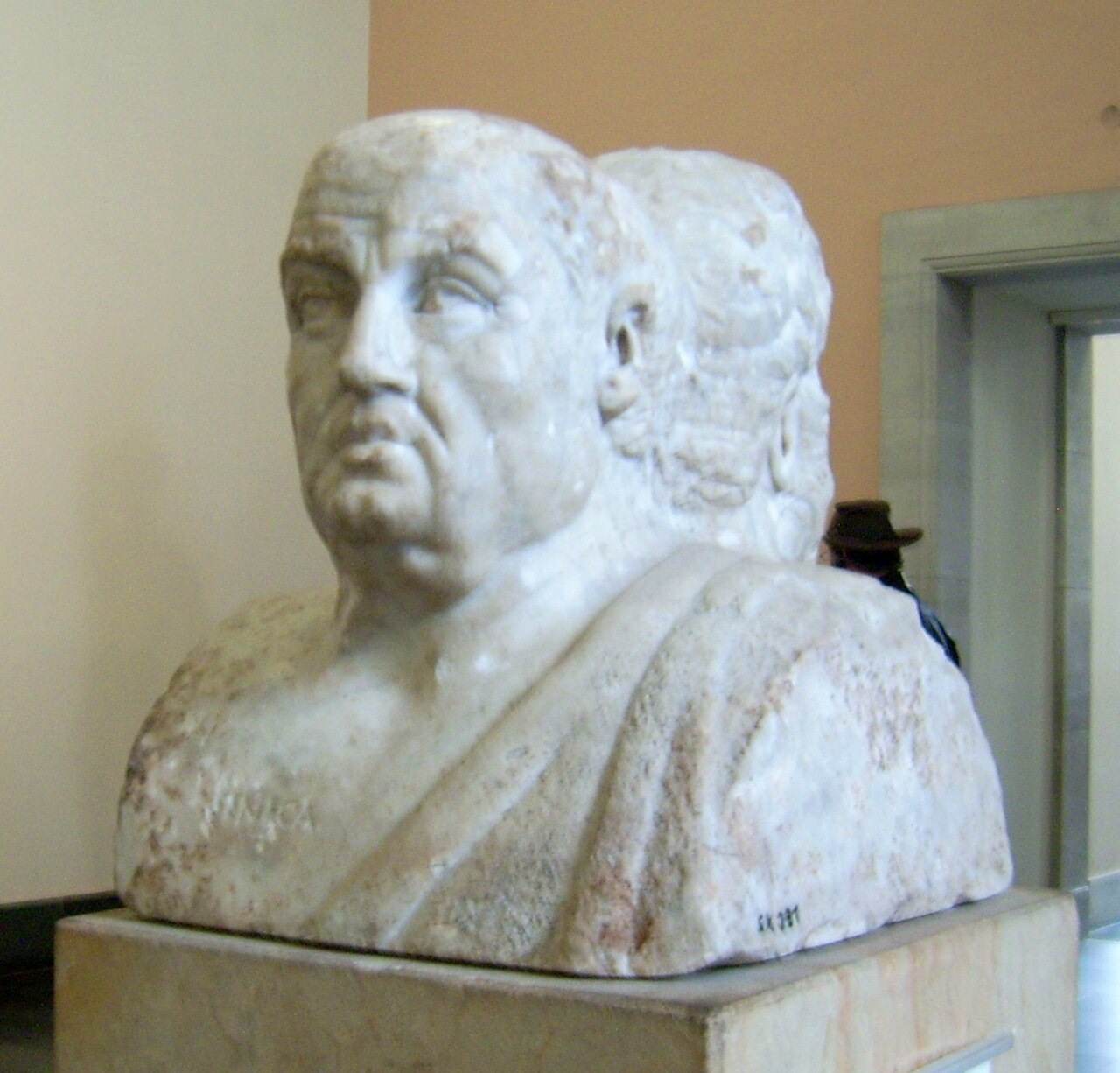 Sculpture
Secondary source
Double Herm of Socrates and Seneca
first half of the 3rd century AD
Ready when you are
Start chatting with Seneca now.
20 messages free · No credit card · Available in 50+ languages.