


Secondary sourceArtifact
Mieza
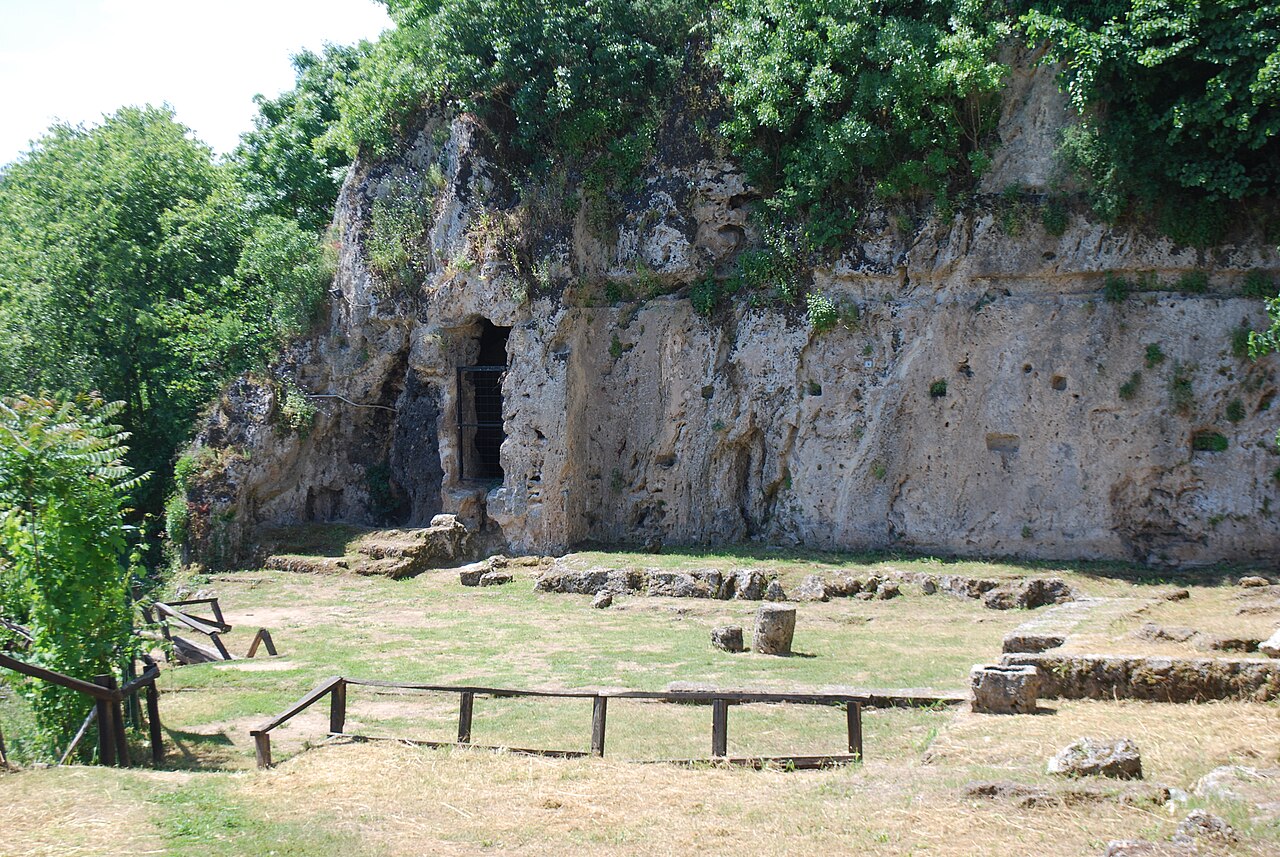
Ancient Macedonian site traditionally identified as where Aristotle taught the young Alexander the Great.
This site is traditionally identified as the place where Aristotle taught the young Alexander the Great.
About this source
What it is
Mieza was a town in ancient Macedonia, now the site of modern Lefkadia near Náousa, Greece. Tradition holds that Aristotle taught the young Alexander the Great here, in a rock-cut area with caves and a colonnade known as the Nymphaeum, between about 343 and 340 BCE.
Why it matters
Philip II of Macedon reportedly hired Aristotle to educate his son Alexander and rewarded him by rebuilding Aristotle's hometown of Stagira. The site connects the philosopher directly to the future conqueror and his companions, such as Hephaestion and Ptolemy I Soter, who were also educated here. Archaeological excavation since 1954 has uncovered the school site along with nearby tombs and a theater.
Look closer
- What does the choice of a natural, outdoor setting suggest about ancient education?
- Why might a king want his son taught by a philosopher rather than a soldier?
- What is missing from the physical ruins that written sources must fill in?
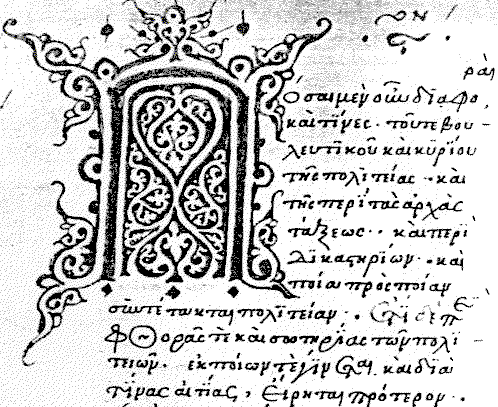
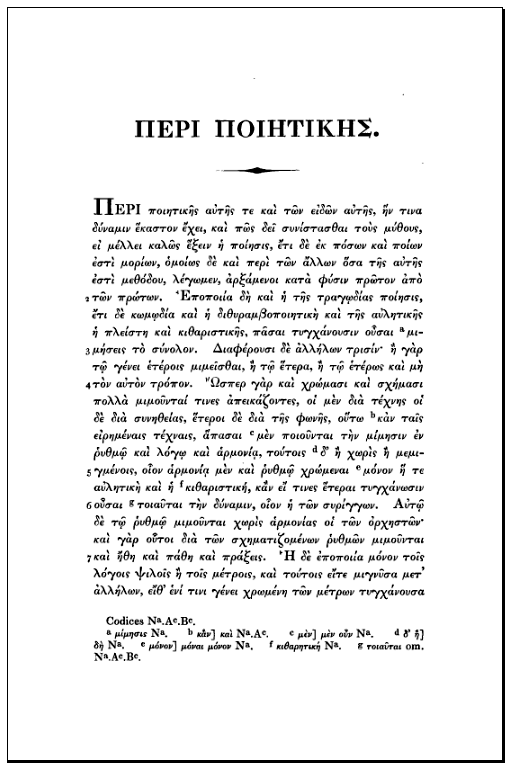
This artifact is part of the curated material that grounds the AI version of Aristotle on Humy.ai — when students ask about related events, the AI can quote it and cite it.
More Aristotle sources
Meet the AI Aristotle →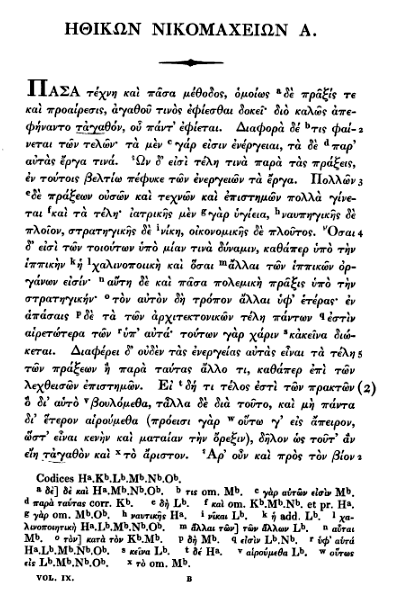

Ready when you are
Start chatting with Aristotle now.
20 messages free · No credit card · Available in 50+ languages.