


Secondary sourcePainting1634
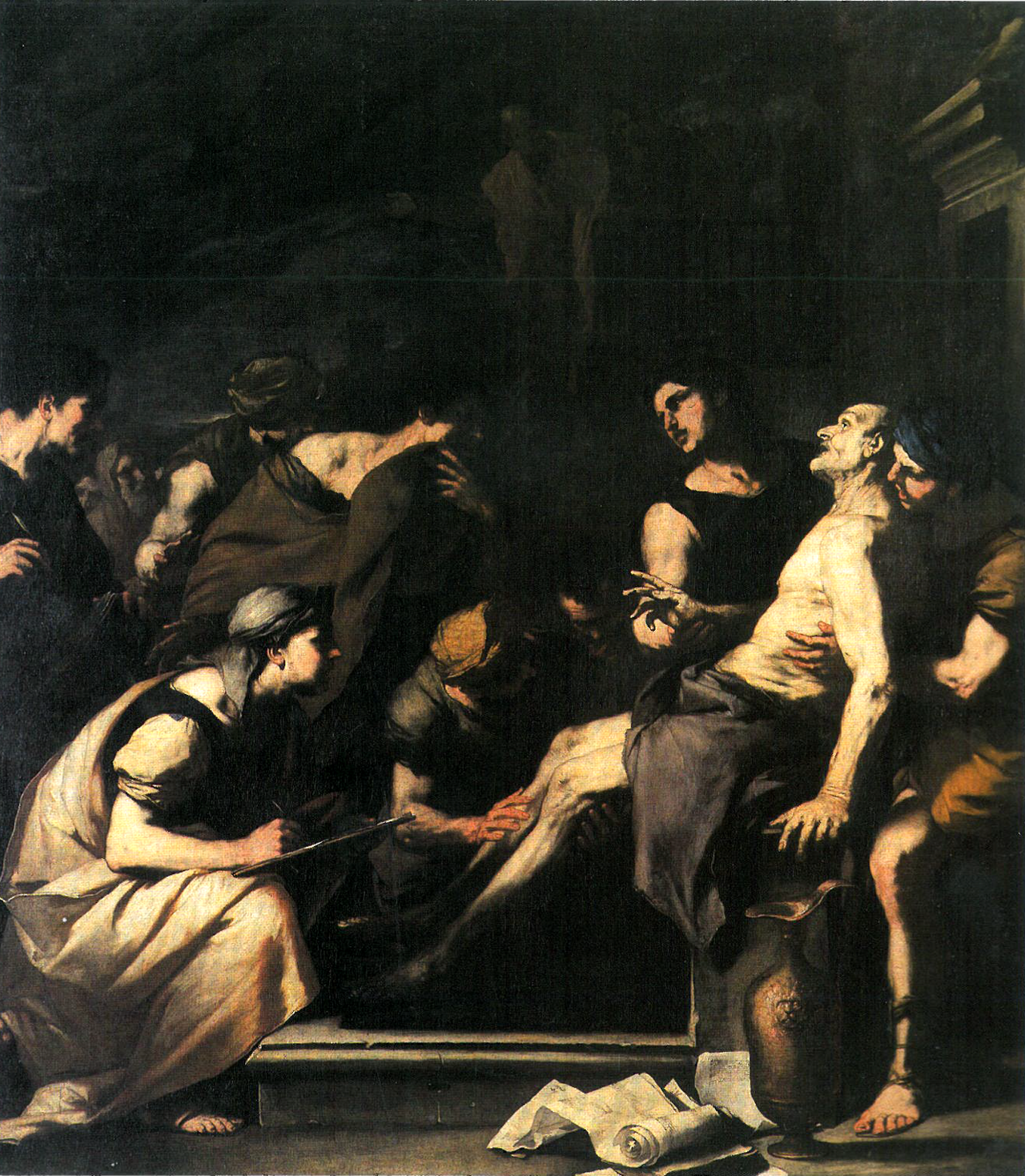
Morte di Seneca
Luca Giordano · 1634
A 1634 painting by Luca Giordano, held in the Bavarian State Painting Collections in Munich, showing an imagined scene of Seneca's death in a dark setting.
Seneca is the subject of this later painting of his death, which shows how a seventeenth-century artist imagined his final scene.
About this source
What it is
This is Morte di Seneca, a dark baroque painting by Luca Giordano dated 1634. It is held in the Bavarian State Painting Collections in Munich. It shows an old, emaciated man reclining and gazing upward while attendants tend to him. A woman in a white dress and headscarf writes on a tablet, and a bronze vessel and scrolls lie at the bottom of the picture. Figures emerge from shadow.
Why it matters
Seneca was a Roman philosopher and statesman who died in 65 CE. Giordano painted this scene about sixteen centuries later, and the museum describes it as a later imagined scene. It shows how a painter working in Naples in the seventeenth century used strong light and shadow to make a famous death dramatic. The picture reflects the artistic style of its time more than any record of what happened.
Look closer
- How does the light and dark in the painting guide your eye?
- What is the woman writing, and why might the painter include her?
- What does the painting leave out about Seneca's life and writings?
This painting is part of the curated material that grounds the AI version of Seneca on Humy.ai — when students ask about related events, the AI can quote it and cite it.
More Seneca sources
Meet the AI Seneca →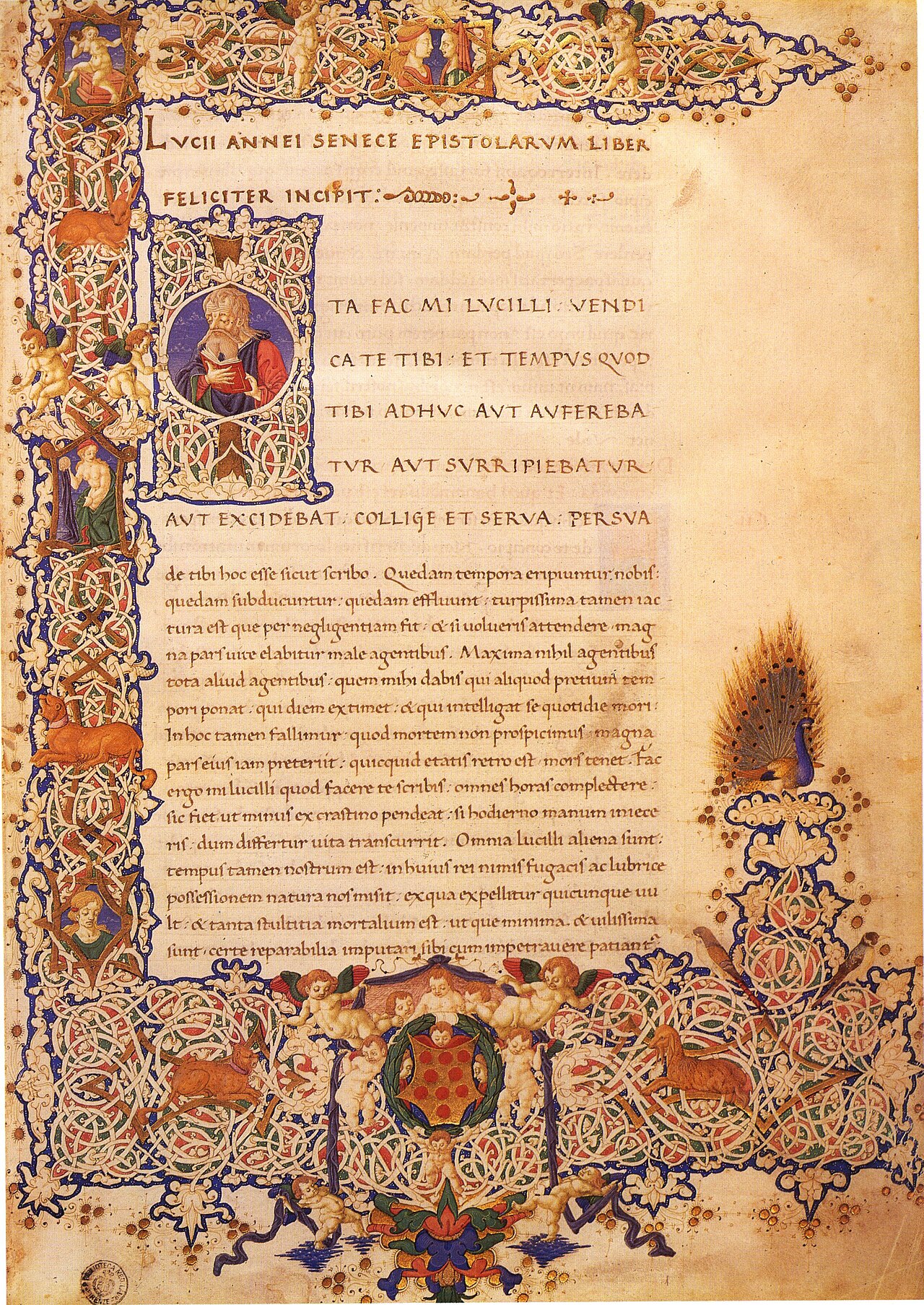 Letter
Primary source
Epistulae Morales ad Lucilium
Seneca · c. 62-65 CE
 Book
Primary source
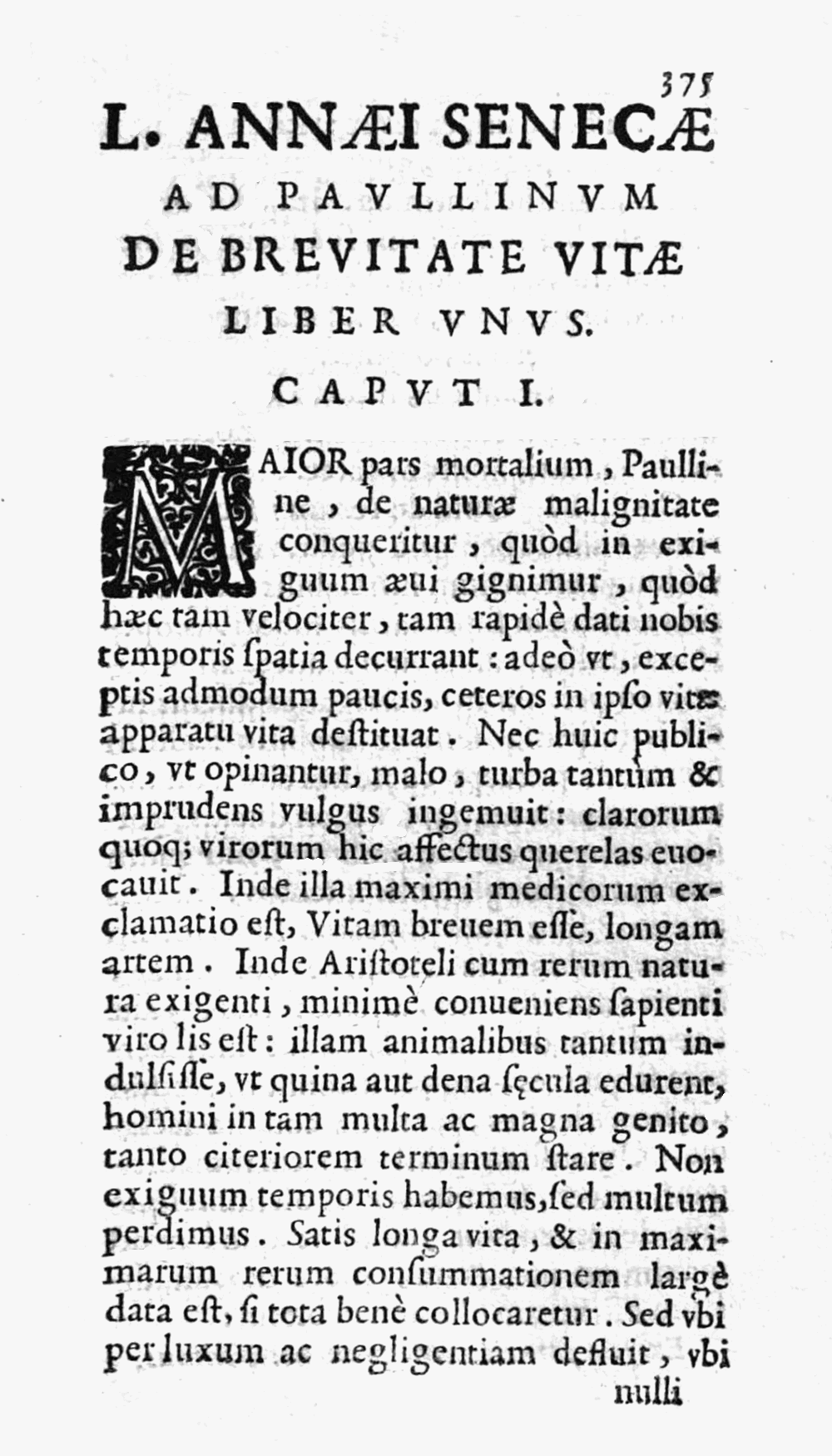
De Brevitate Vitae
Seneca · c. 49 CE
 Book
Secondary source
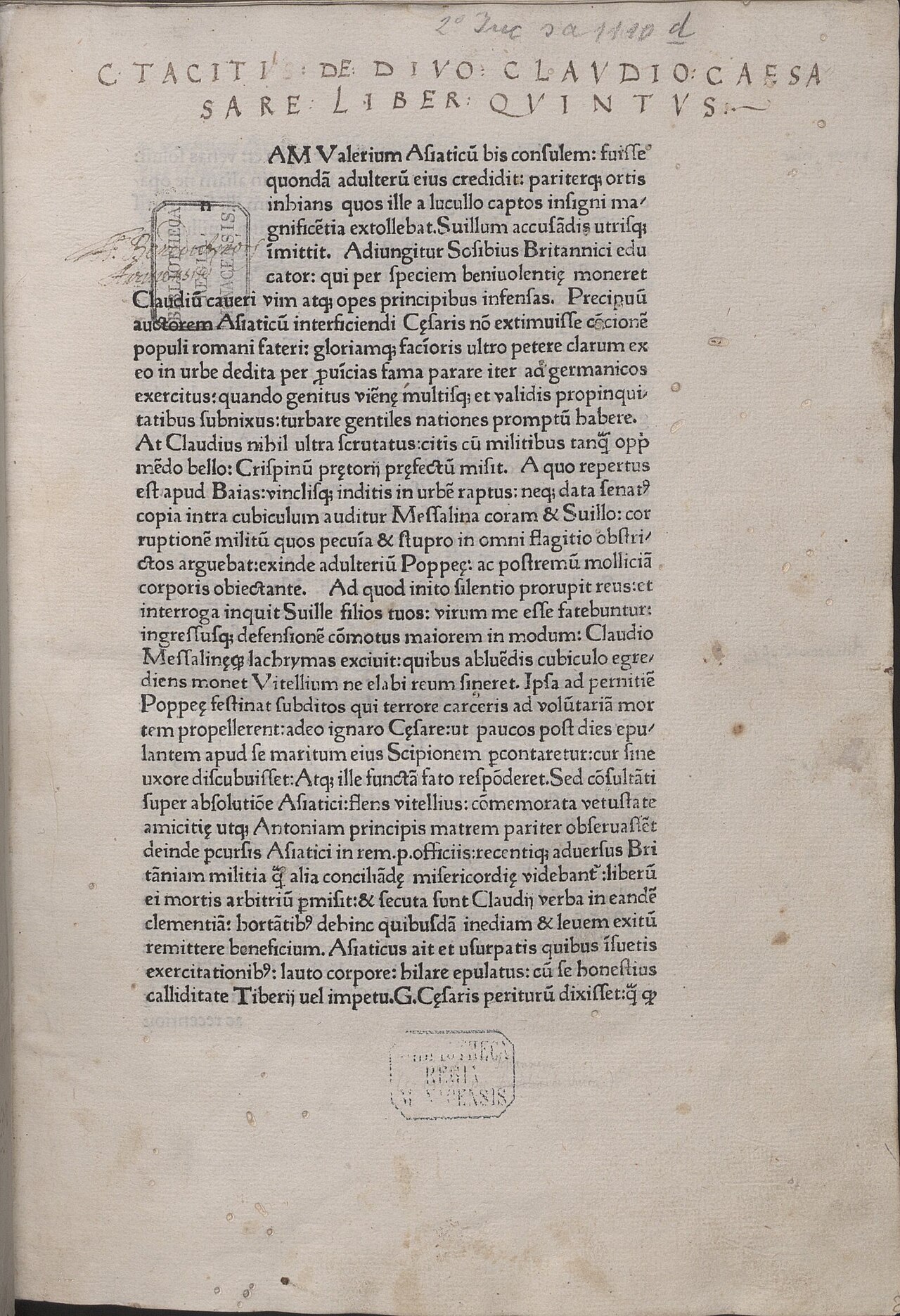
Annals
Tacitus · c. AD 116 or later
 Book
Primary source
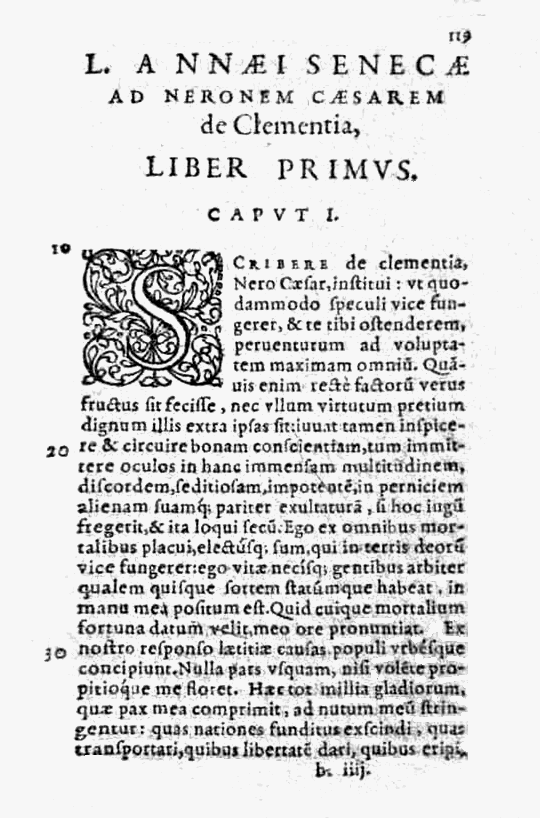
De Clementia
Seneca · 55-56 CE
 Sculpture
Secondary source
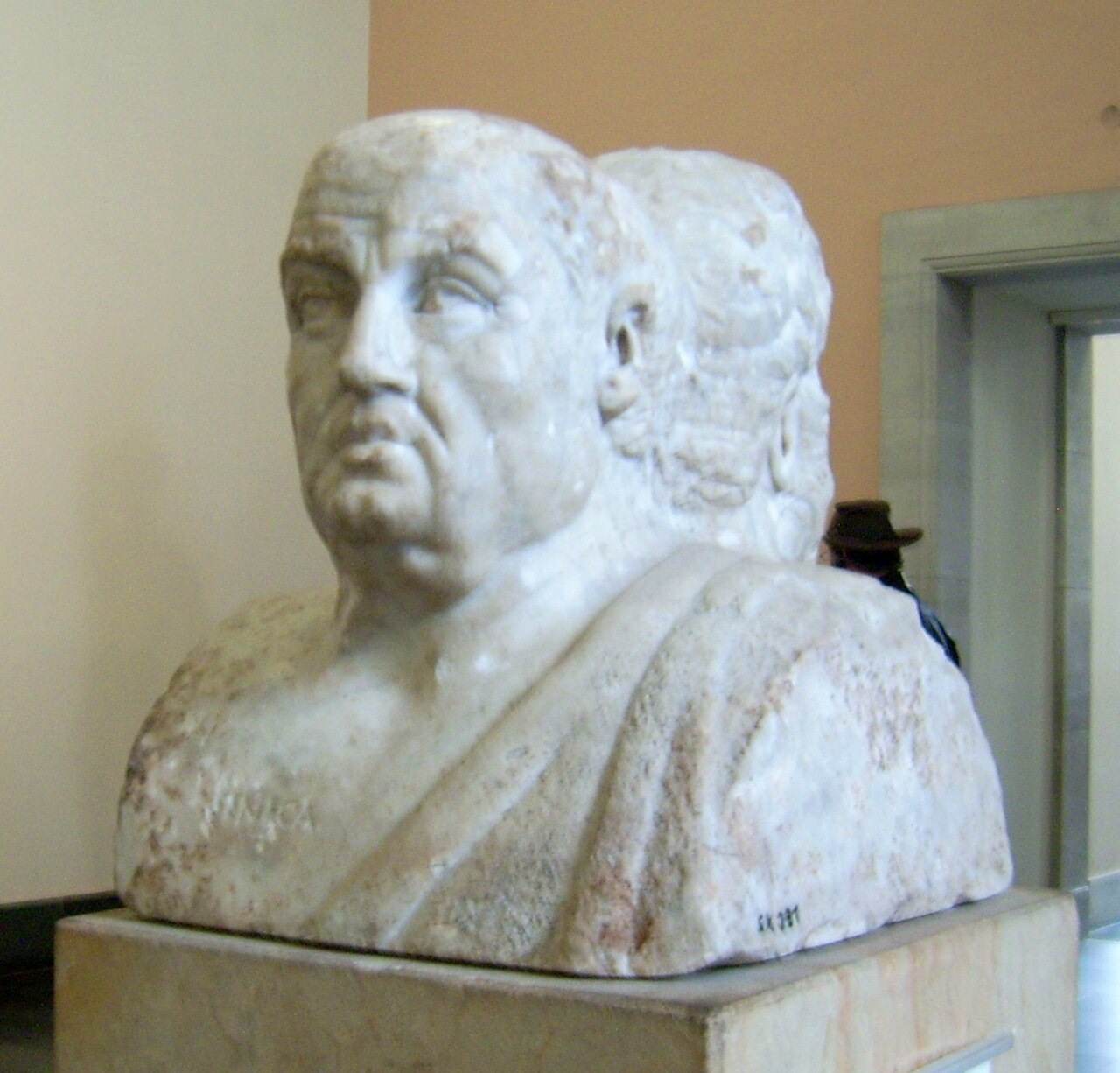
Double Herm of Socrates and Seneca
first half of the 3rd century AD
Ready when you are
Start chatting with Seneca now.
20 messages free · No credit card · Available in 50+ languages.