


Secondary sourceBook1522
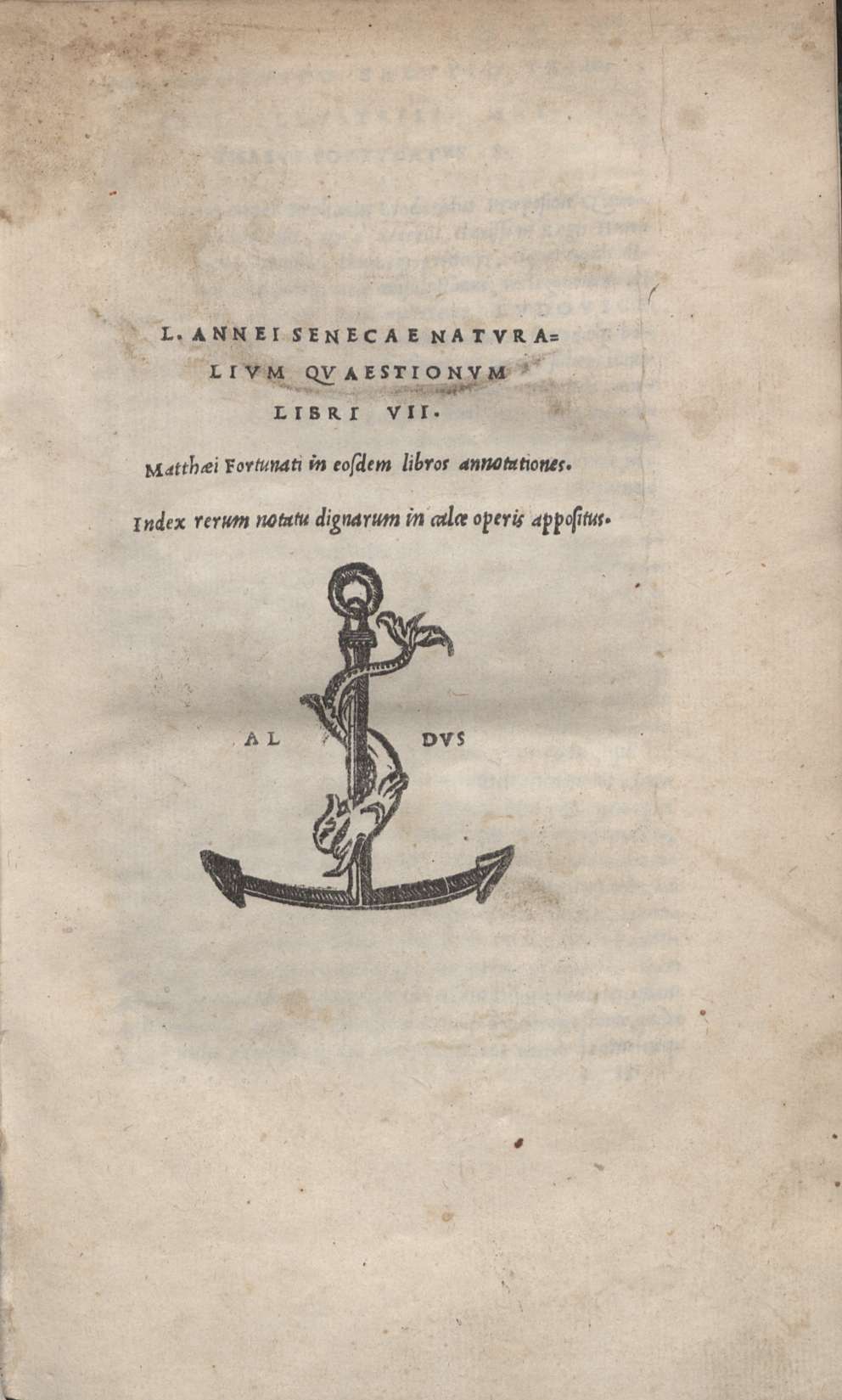
Naturales Quaestiones (1522 printed edition)
Lucius Annaeus Seneca · 1522
An early 16th-century printed edition of Seneca's scientific work on nature, with annotations by Matthaeus Fortunatus.
This printed edition transmits Seneca's own scientific writings to Renaissance readers.
About this source
What it is
This is the title page of a 1522 printed edition of Seneca's Naturales Quaestiones (Natural Questions), a work in seven books originally written by Seneca. This edition includes annotations by Matthaeus Fortunatus and carries the printer's mark of an anchor entwined with a dolphin.
Why it matters
The printing shows that Renaissance scholars were still studying Seneca's ideas about nature, such as comets, earthquakes and weather, more than 1400 years after he wrote them. The presence of a scholarly commentator's notes shows how later thinkers engaged critically with ancient science rather than simply copying it.
Look closer
- Why would a printer include an anchor-and-dolphin symbol on the title page?
- What does it mean that someone added annotations to Seneca's original text?
- What might this tell us about which ancient texts Renaissance scholars thought were still useful?
This book is part of the curated material that grounds the AI version of Seneca on Humy.ai — when students ask about related events, the AI can quote it and cite it.
More Seneca sources
Meet the AI Seneca →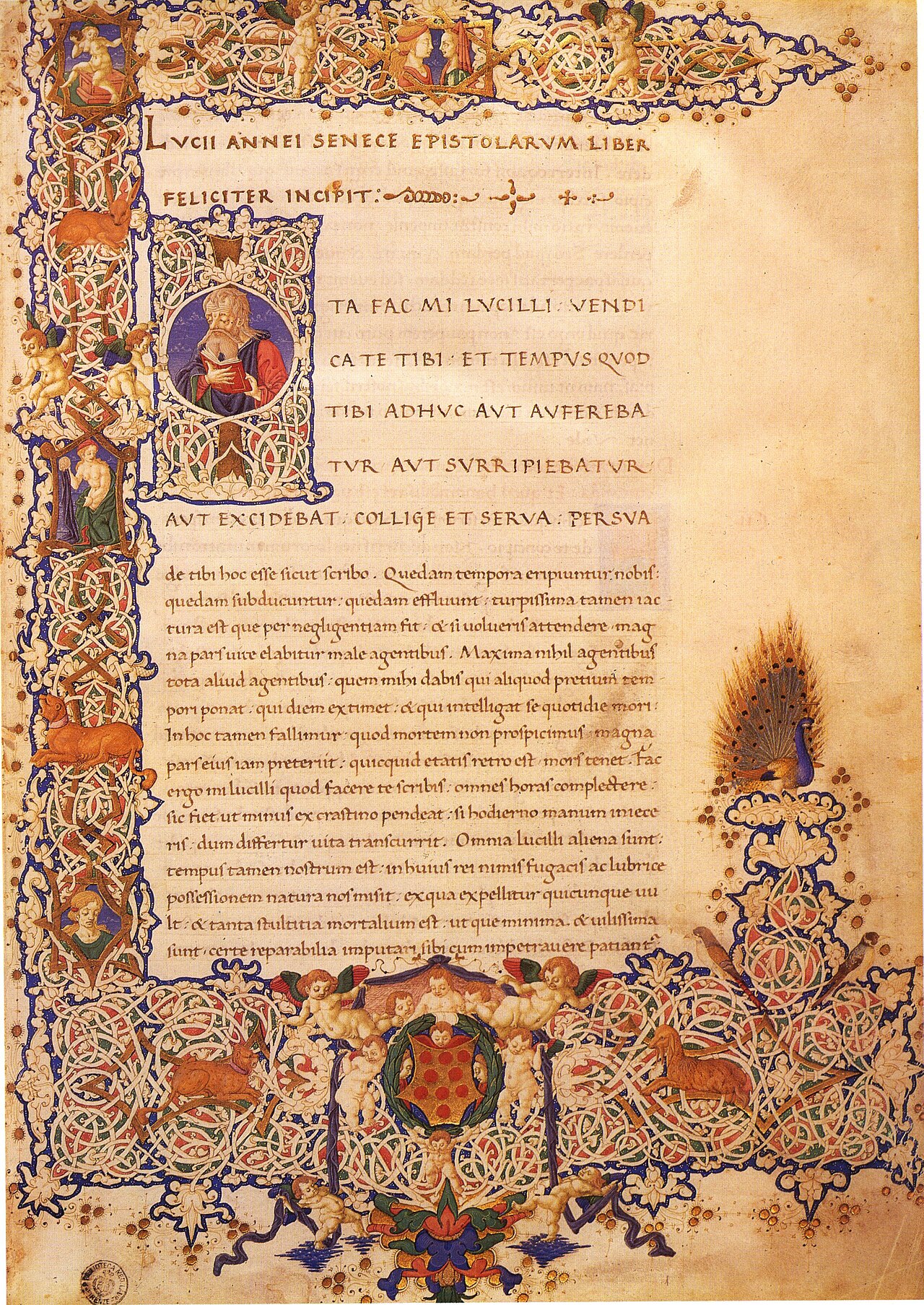 Letter
Primary source
Epistulae Morales ad Lucilium
Seneca · c. 62-65 CE
 Book
Primary source
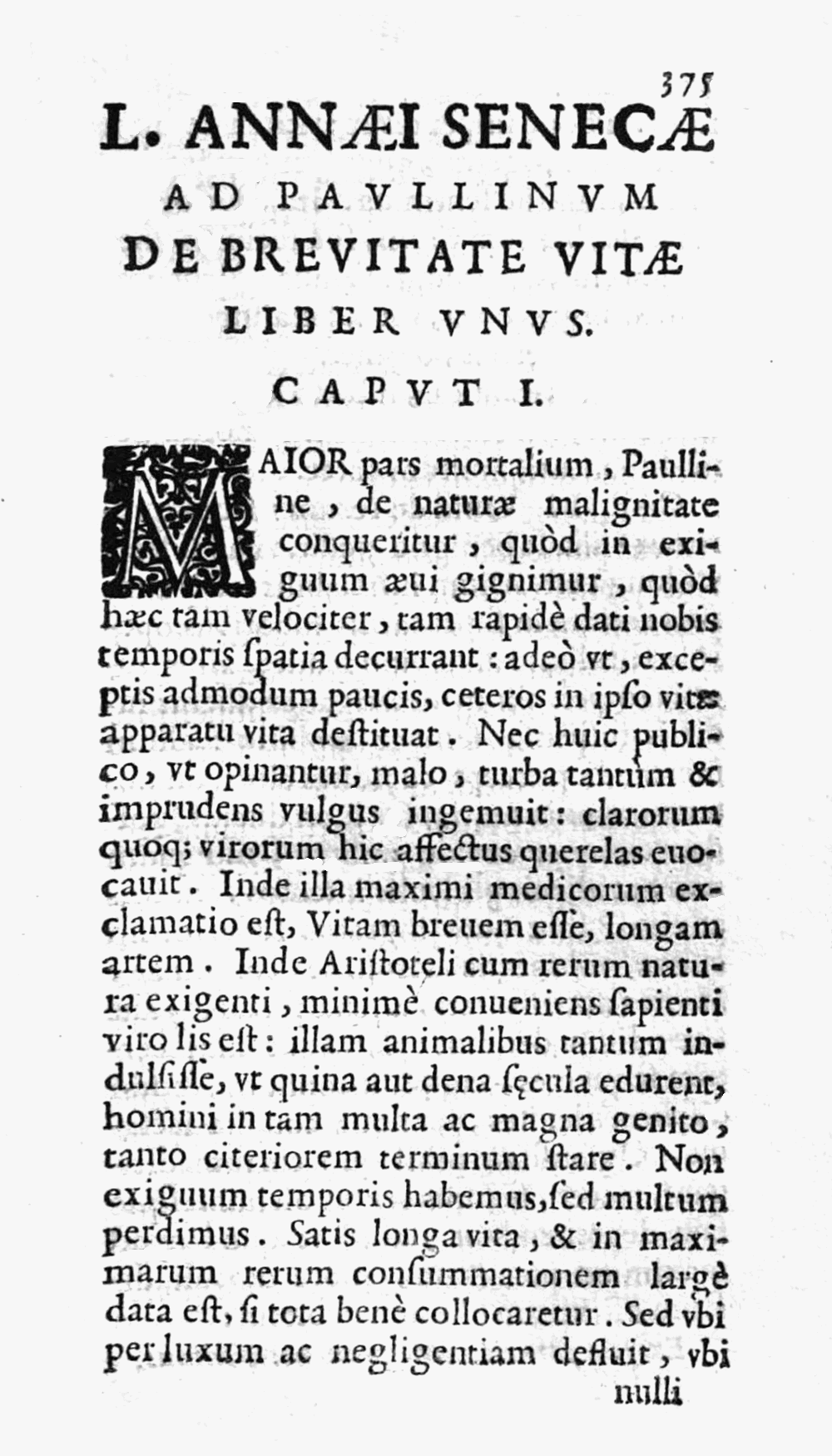
De Brevitate Vitae
Seneca · c. 49 CE
 Book
Secondary source
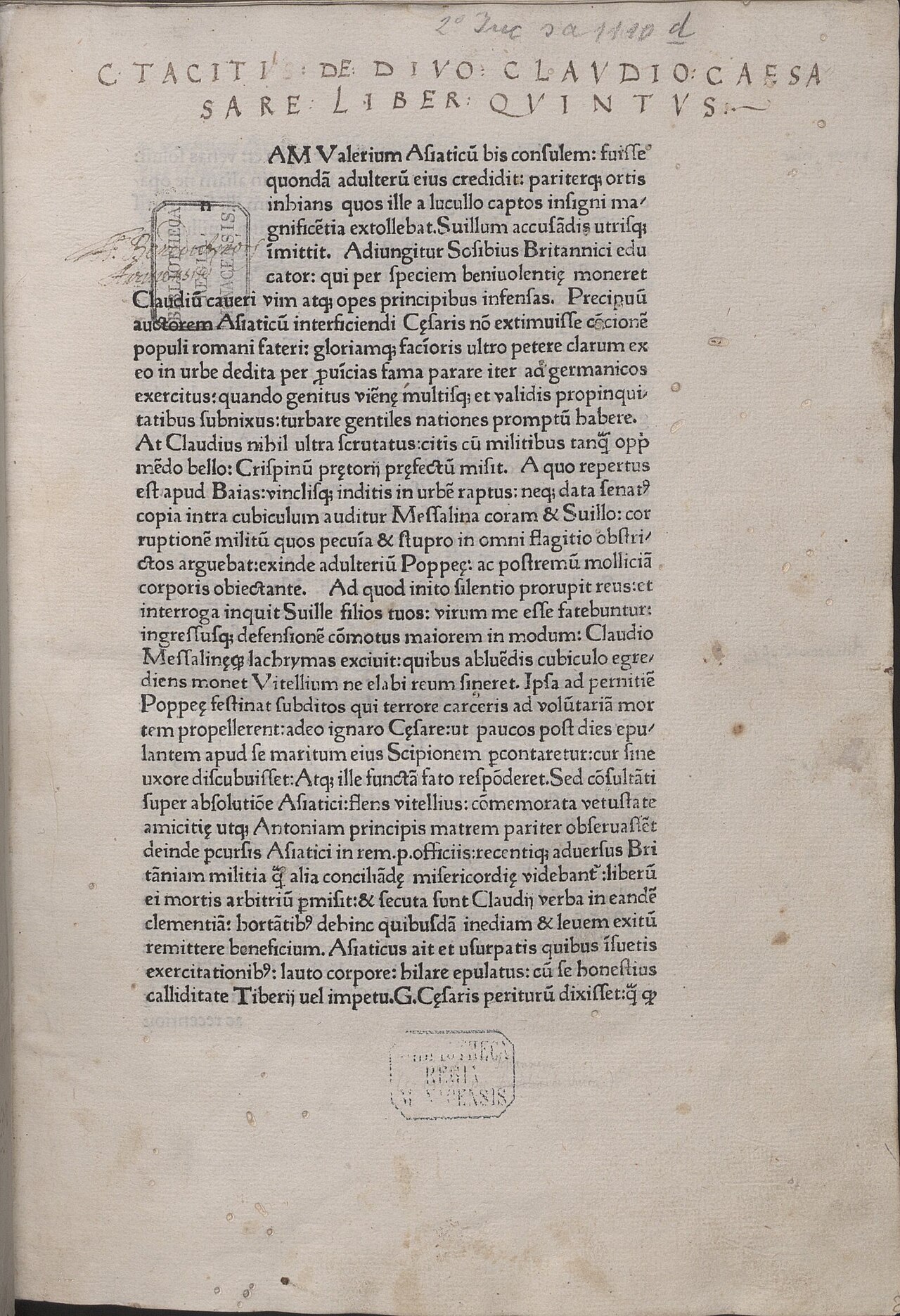
Annals
Tacitus · c. AD 116 or later
 Book
Primary source
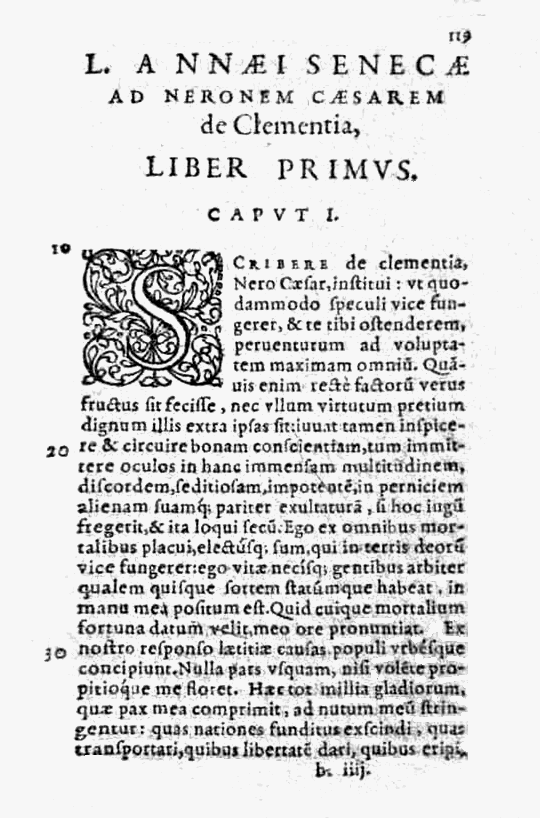
De Clementia
Seneca · 55-56 CE
 Sculpture
Secondary source
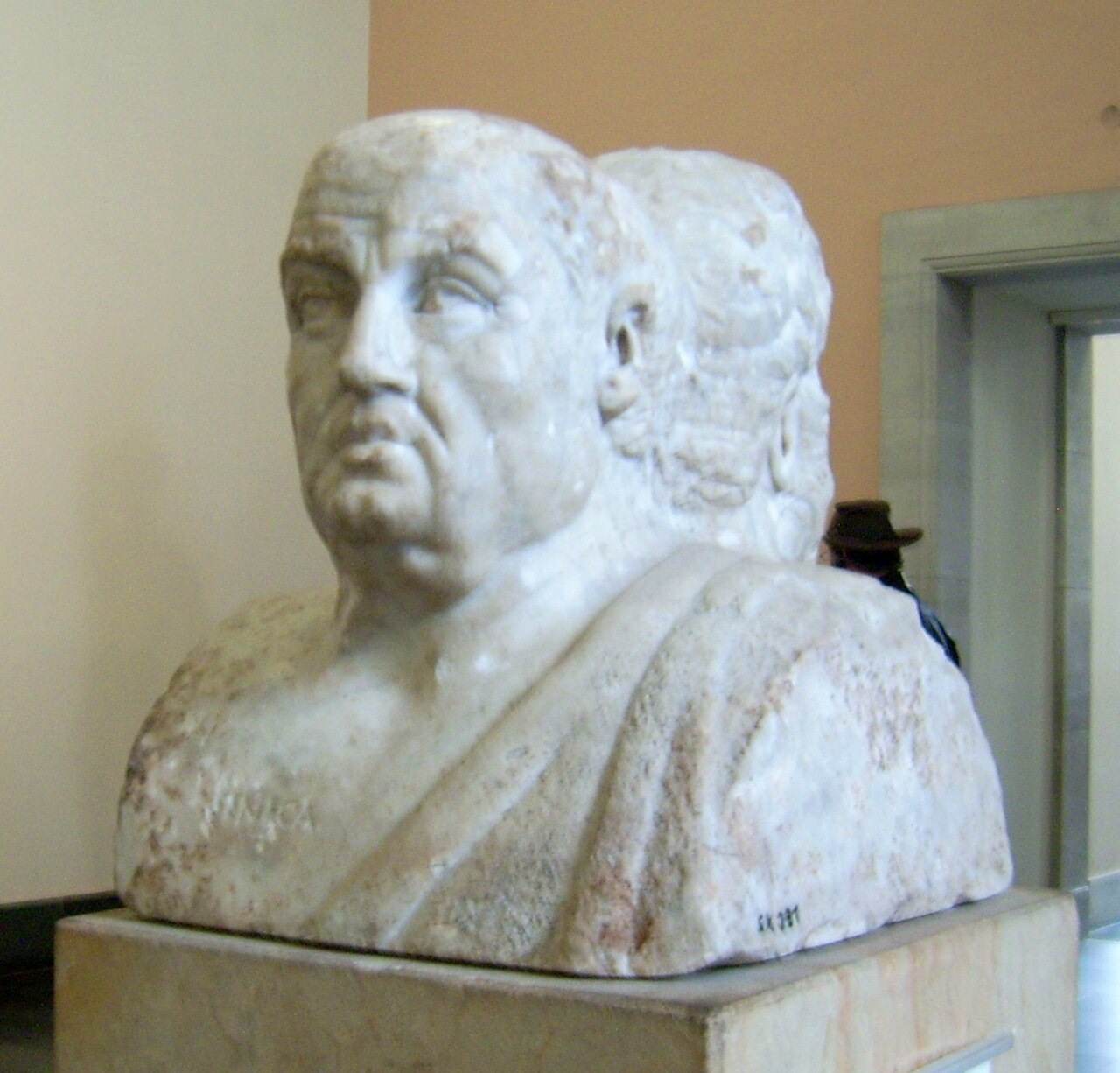
Double Herm of Socrates and Seneca
first half of the 3rd century AD
Ready when you are
Start chatting with Seneca now.
20 messages free · No credit card · Available in 50+ languages.