


Primary sourceArtifactc. 595-589 BCE (carved); re-erected in Rome 10 BCE
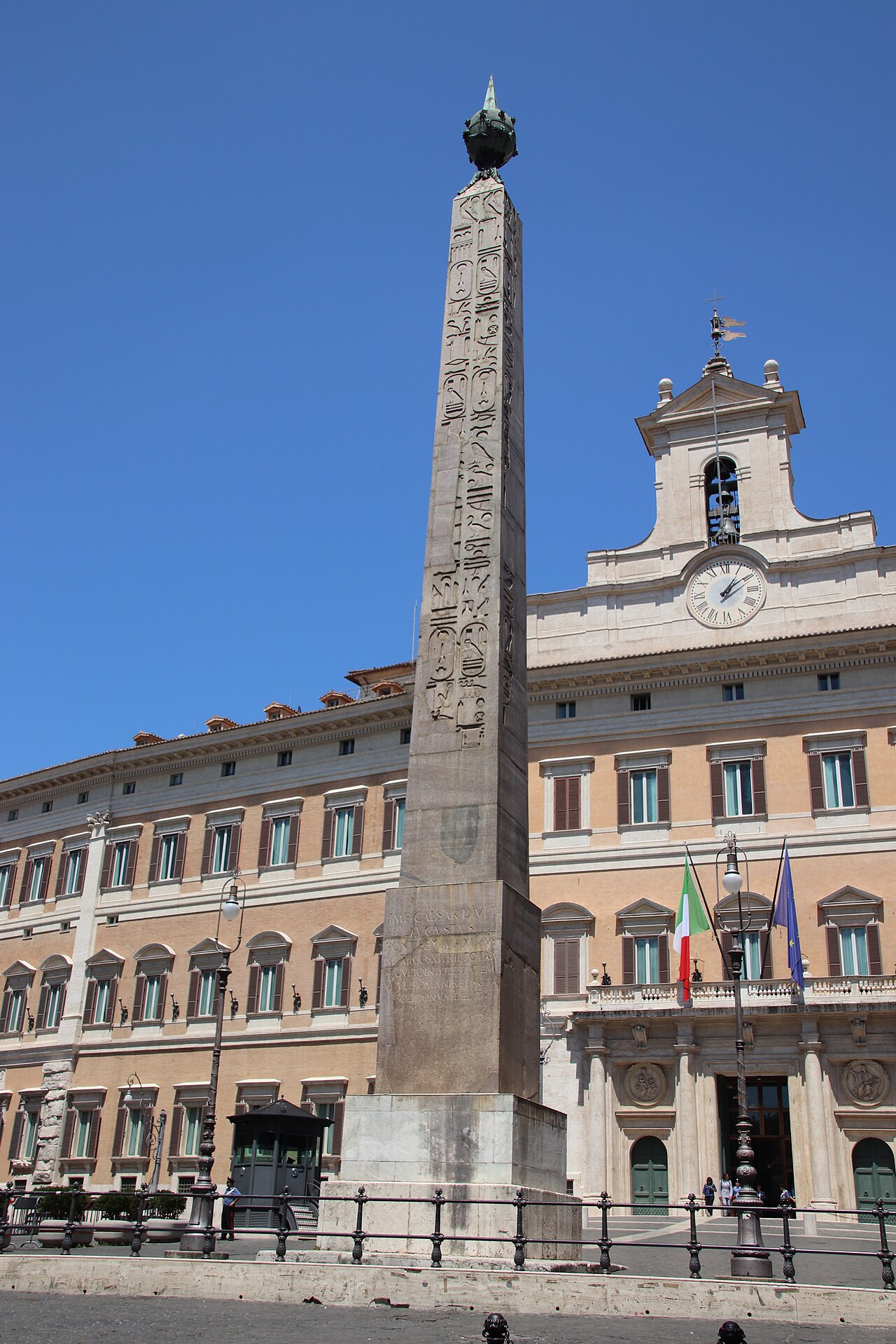
Obelisk of Montecitorio
c. 595-589 BCE (carved); re-erected in Rome 10 BCE
An ancient Egyptian obelisk brought to Rome by Augustus to serve as the pointer of his giant sundial near the Ara Pacis.
Augustus brought this obelisk to Rome as a trophy of his conquest of Egypt and used it to link his rule with cosmic order.
About this source
What it is
This red granite obelisk was originally made for Pharaoh Psamtik II in Heliopolis, Egypt, around the 6th century BCE. In 10 BCE, Emperor Augustus had it brought to Rome along with another obelisk and set it up as the gnomon, or pointer, of his enormous sundial, the Solarium Augusti, in the Campus Martius. It now stands in the Piazza Montecitorio in Rome.
Why it matters
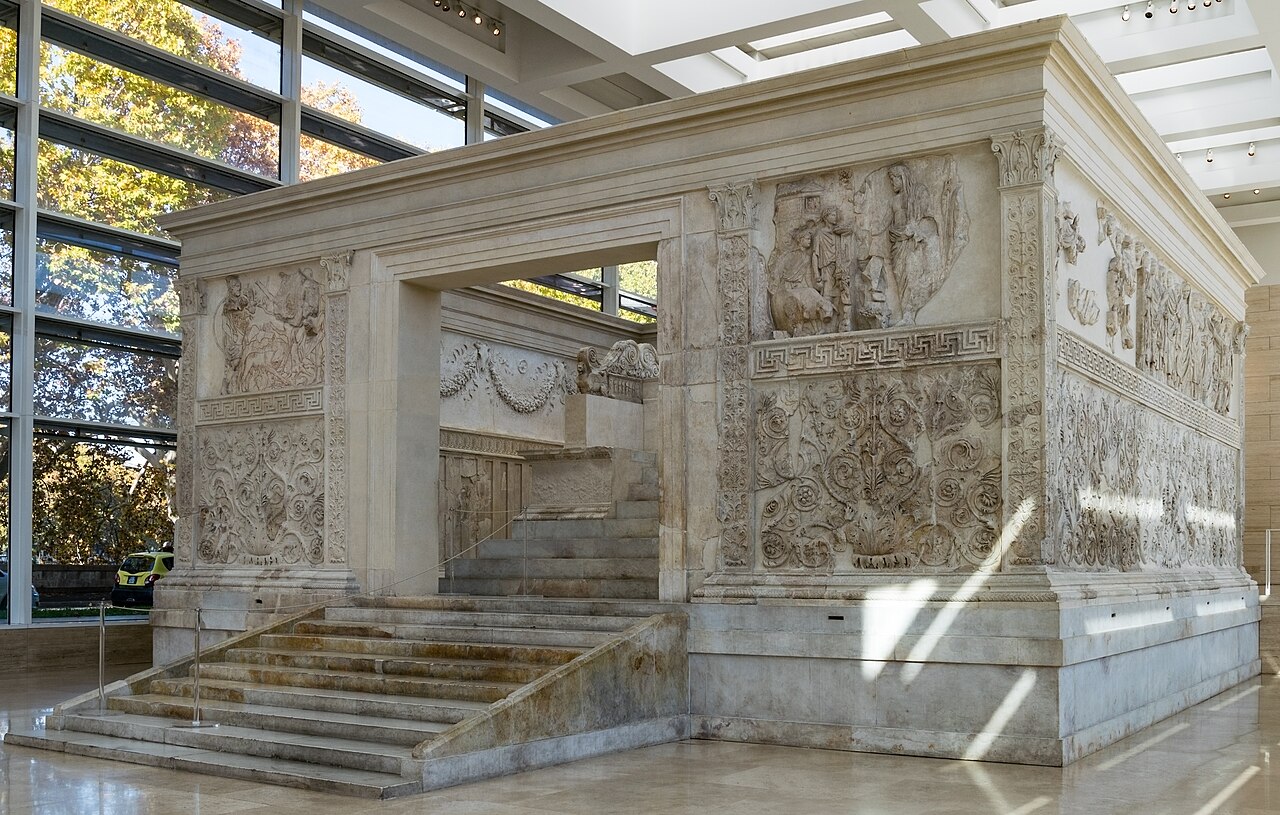
Augustus arranged the obelisk so its shadow would fall on the Ara Pacis, his altar of peace, on his own birthday. This connected his personal identity with the idea of peace, the cycles of the sun, and Rome's domination over conquered Egypt. It shows how Augustus used captured monuments and astronomy together to present his rule as cosmically ordained.
Look closer
- Why might a ruler want to connect his birthday with the natural cycle of the sun?
- What does bringing an Egyptian monument to Rome say about Roman power over Egypt?
- Why has this object been moved, buried, and restored so many times over the centuries?
This artifact is part of the curated material that grounds the AI version of Augustus on Humy.ai — when students ask about related events, the AI can quote it and cite it.
More Augustus sources
Meet the AI Augustus →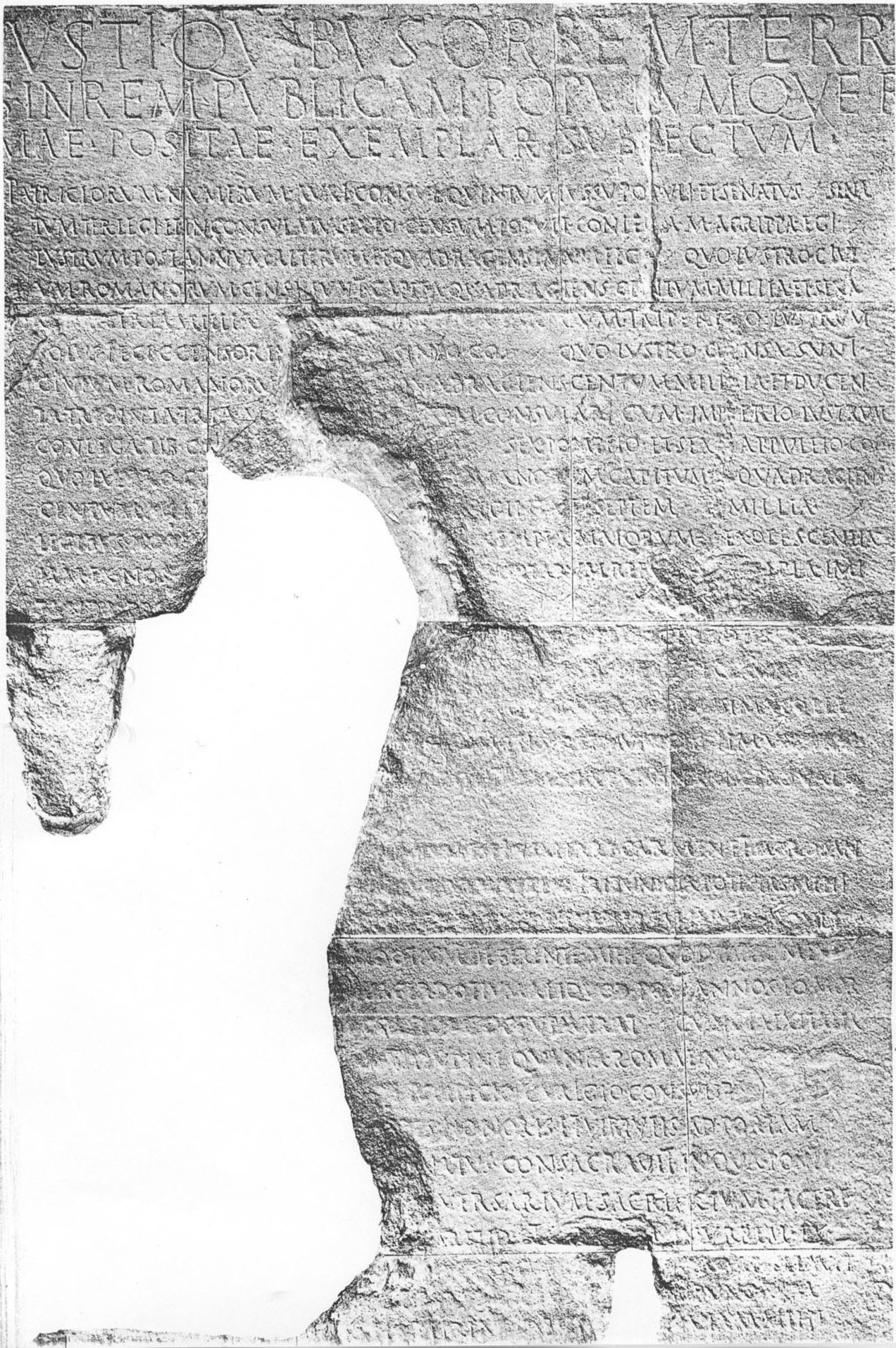 Document
Primary source
Res Gestae Divi Augusti
Augustus · 14 AD
 Painting
Secondary source
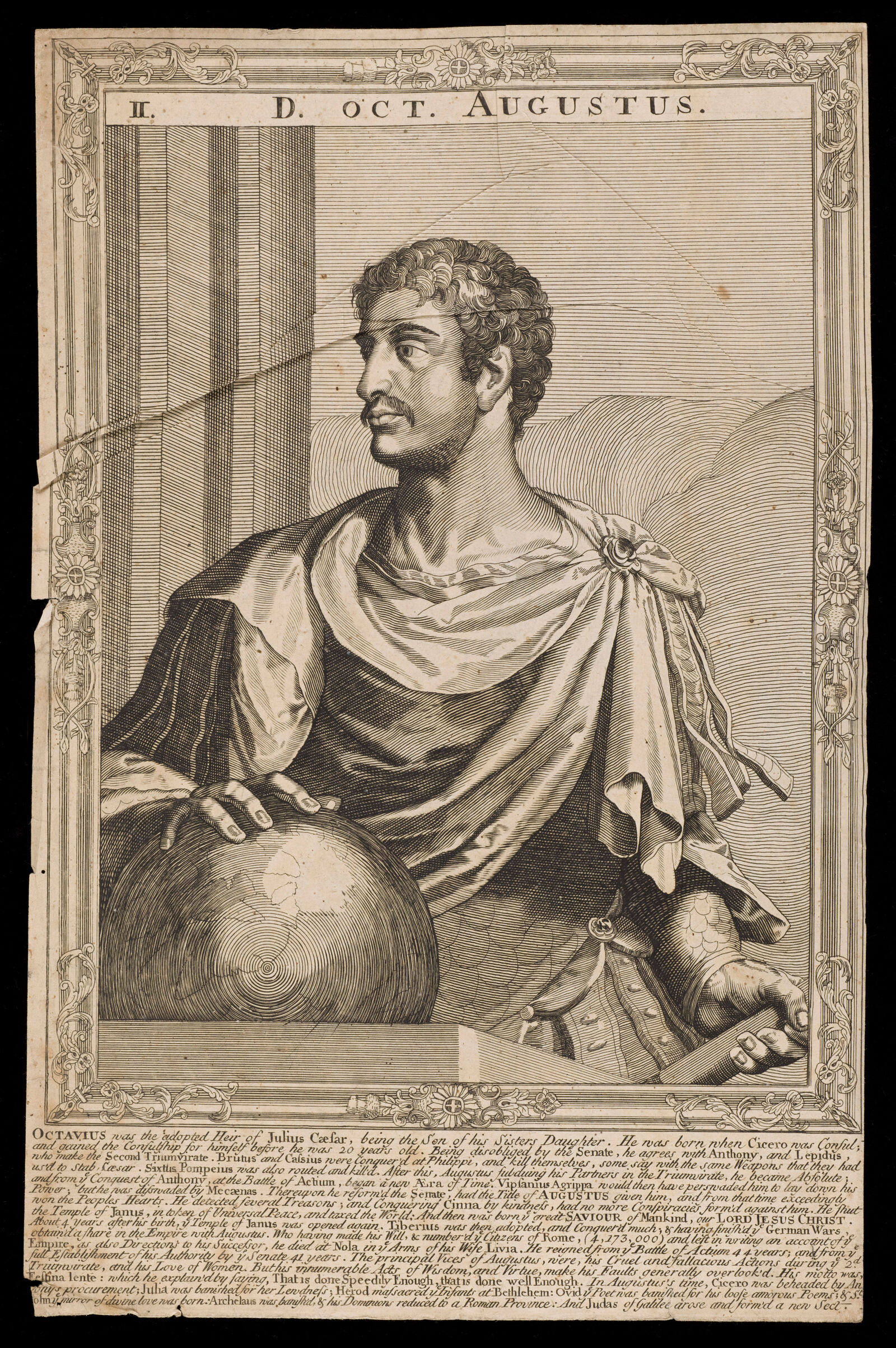
Emperor Augustus with Globe
After Titian (engraving by A. Sadeler, after Titian) · between 1700 and 1799 (possibly 17th century)
 Sculpture
Primary source
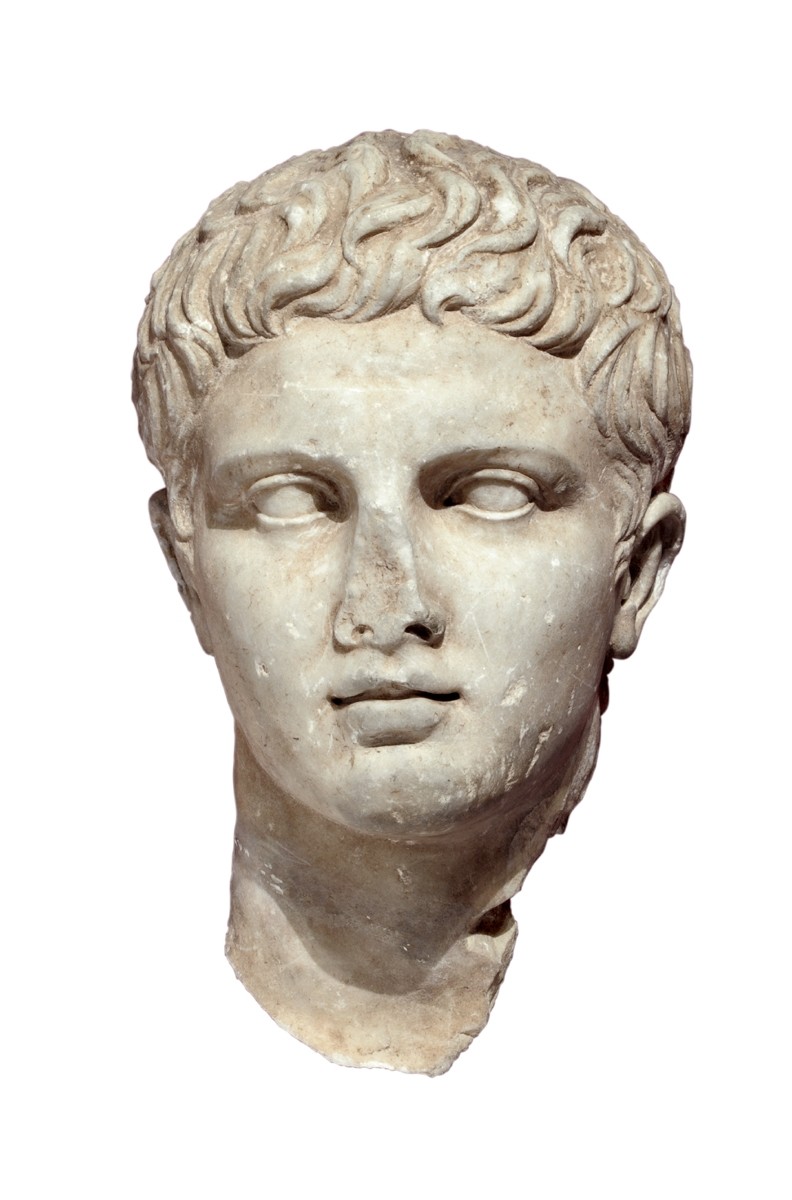
Relief Head of the Young Augustus
 Sculpture
Secondary source
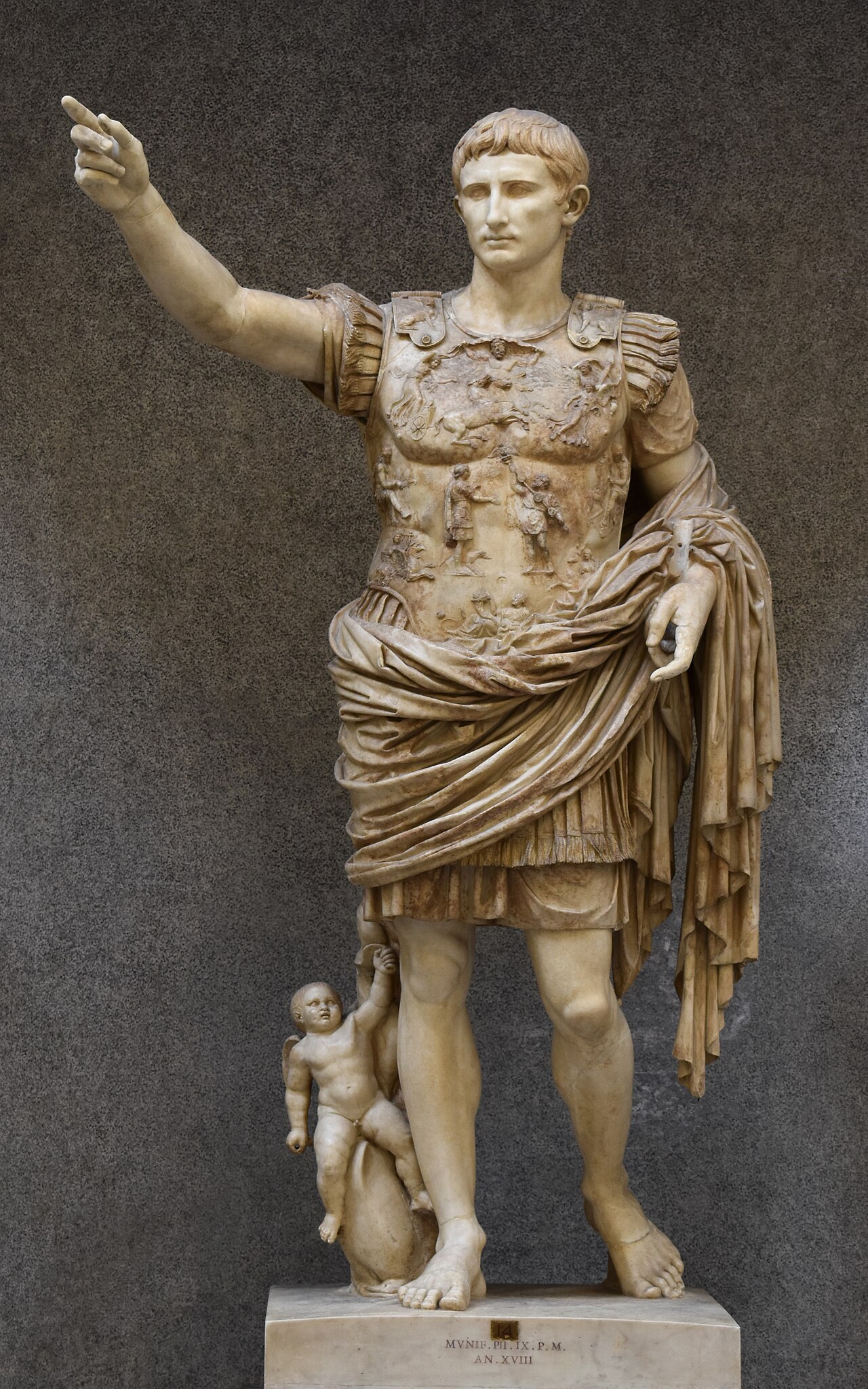
Augustus of Prima Porta
c. 19 BCE or later
 Artifact
Primary source
Ara Pacis
13-9 BCE
Ready when you are
Start chatting with Augustus now.
20 messages free · No credit card · Available in 50+ languages.