


Secondary sourcePaintingc. 1565
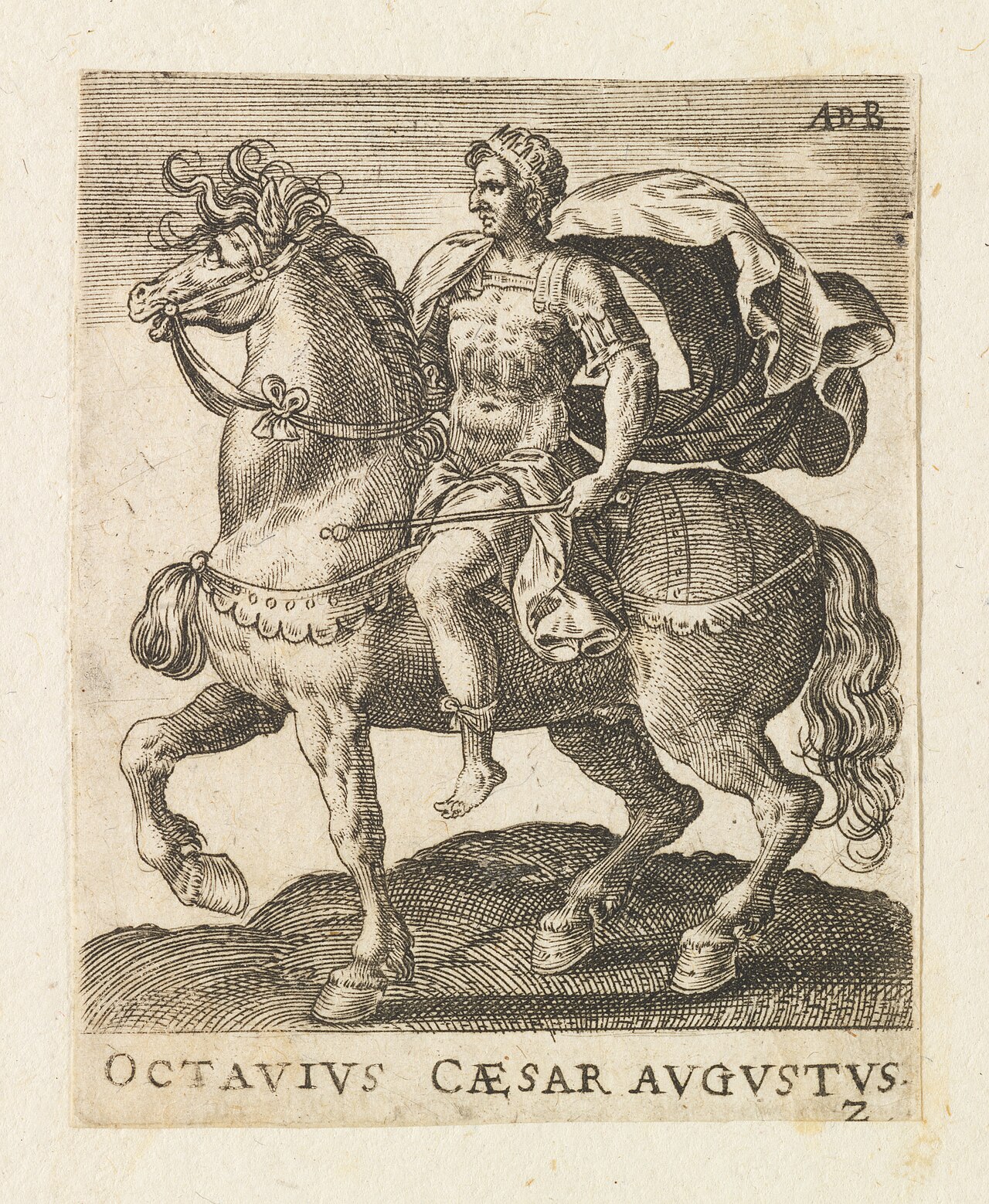
Octavius Caesar Augustus
Abraham de Bruyn · c. 1565
A 16th-century engraved print of Augustus on horseback, part of a Renaissance series on the Twelve Caesars.
A Renaissance print imagining Augustus as a heroic horseman, part of a series on the Twelve Caesars.
About this source
What it is
This engraving by the Flemish printmaker Abraham de Bruyn, made around 1565, shows a crowned, bare-chested man riding a rearing horse, part of a print series depicting the Twelve Caesars. An inscription names him as Octavius Caesar Augustus, with the artist's monogram in the corner.
Why it matters
This print was made more than 1,500 years after Augustus lived, during a period when European artists and scholars were deeply interested in reviving classical Roman history and imagery. It shows how Renaissance printmakers imagined the first Roman emperor as a heroic, powerful horseman, shaping later generations' visual idea of Roman rulers.
Look closer
- Why might an artist choose to show an emperor on a rearing horse rather than standing still?
- What does the inscription tell us about how this print was meant to be understood?
- How does this imagined image compare with what we actually know about Augustus's appearance from ancient coins or sculpture?
This painting is part of the curated material that grounds the AI version of Augustus on Humy.ai — when students ask about related events, the AI can quote it and cite it.
More Augustus sources
Meet the AI Augustus →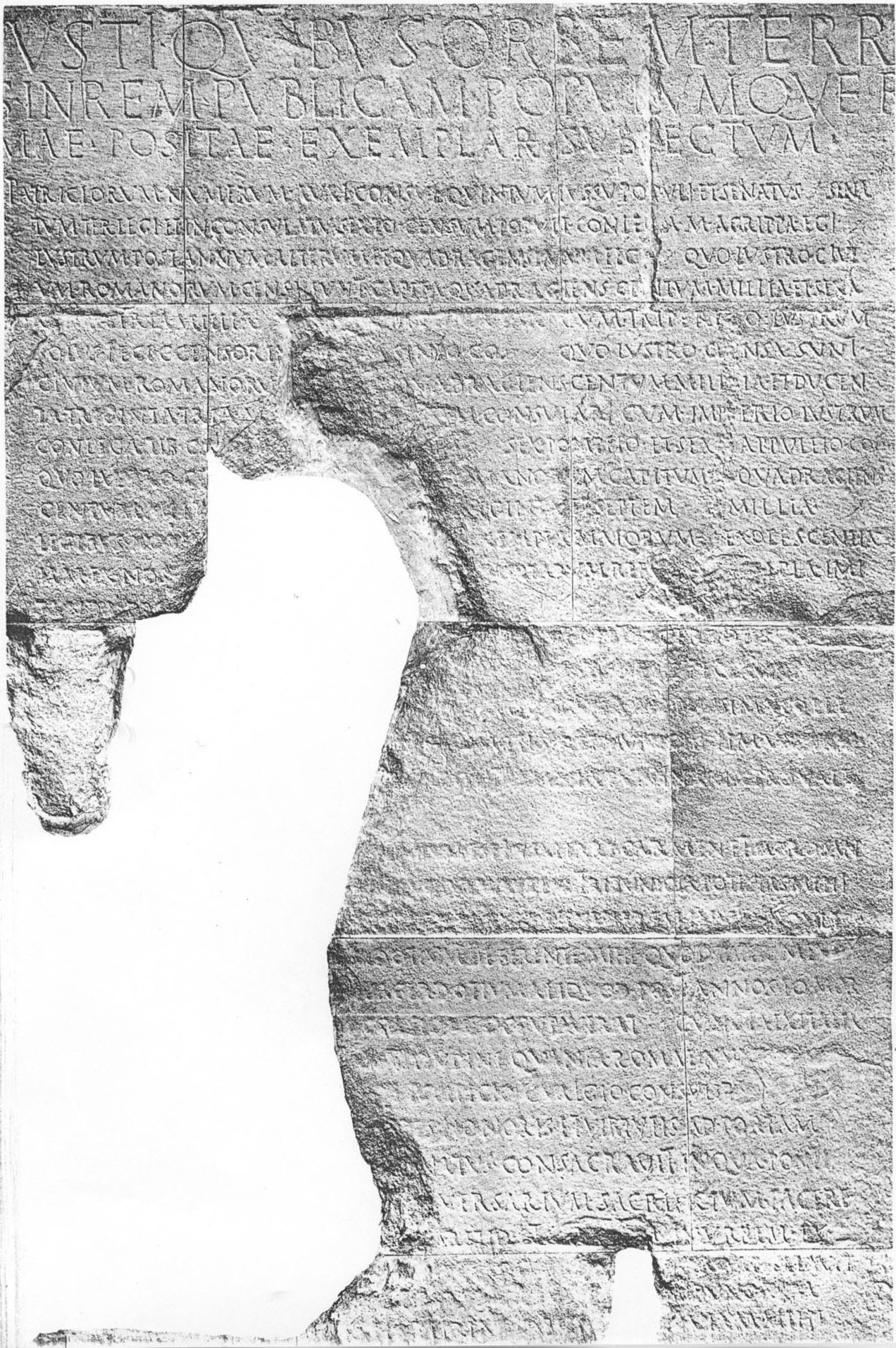 Document
Primary source
Res Gestae Divi Augusti
Augustus · 14 AD
 Painting
Secondary source
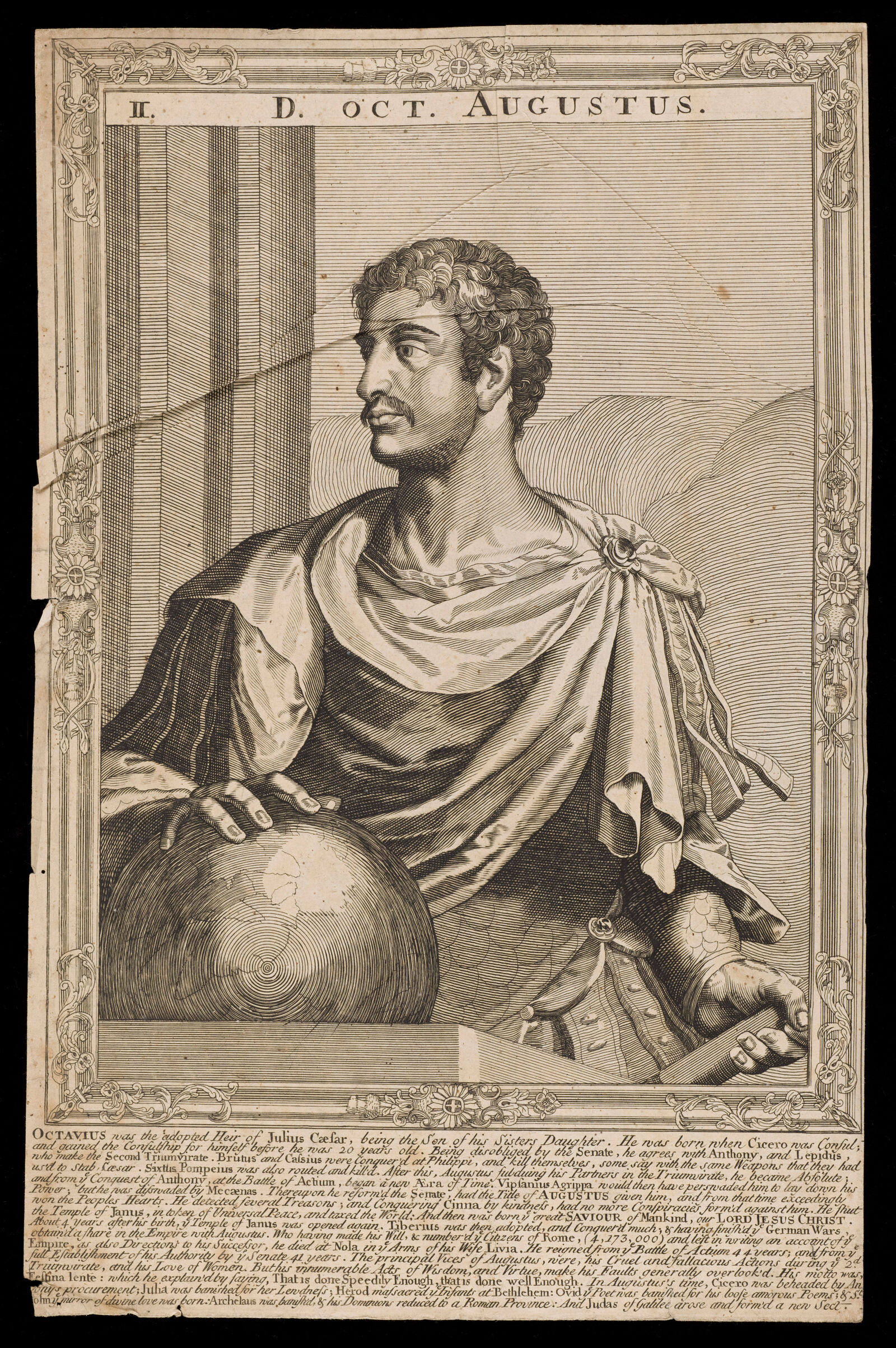
Emperor Augustus with Globe
After Titian (engraving by A. Sadeler, after Titian) · between 1700 and 1799 (possibly 17th century)
 Sculpture
Primary source
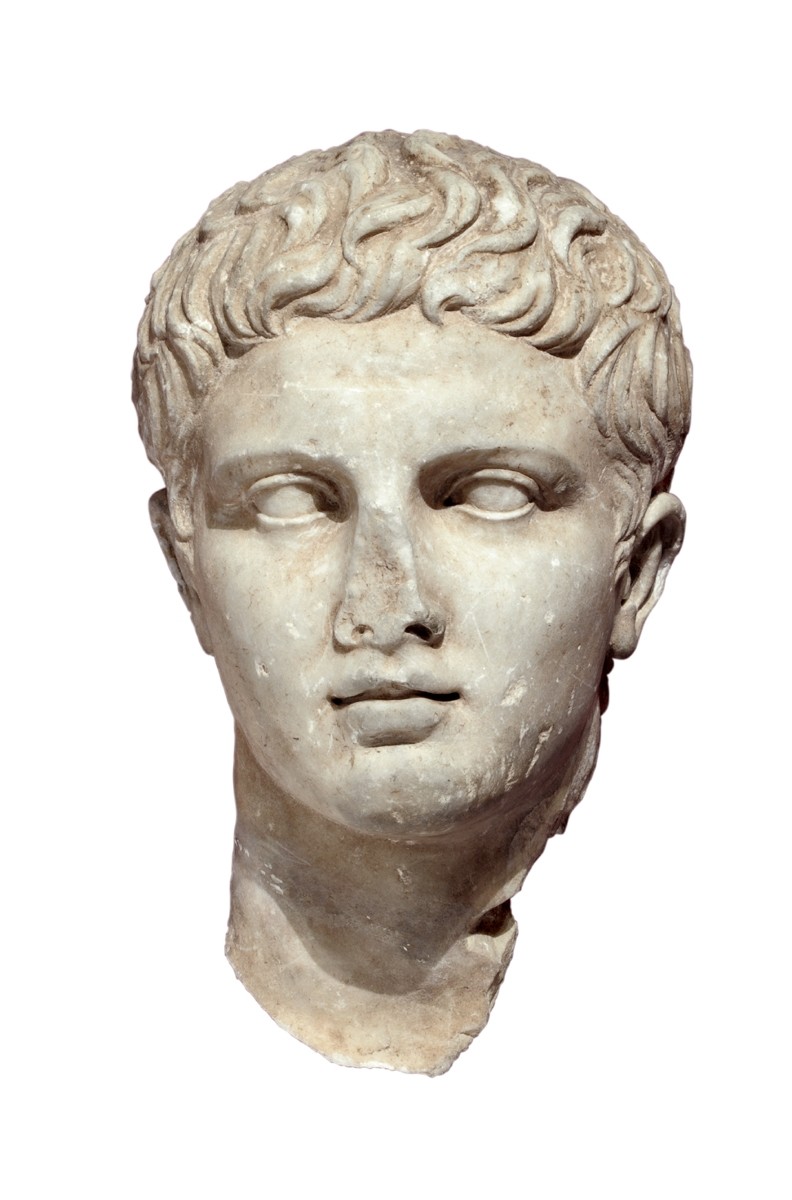
Relief Head of the Young Augustus
 Sculpture
Secondary source
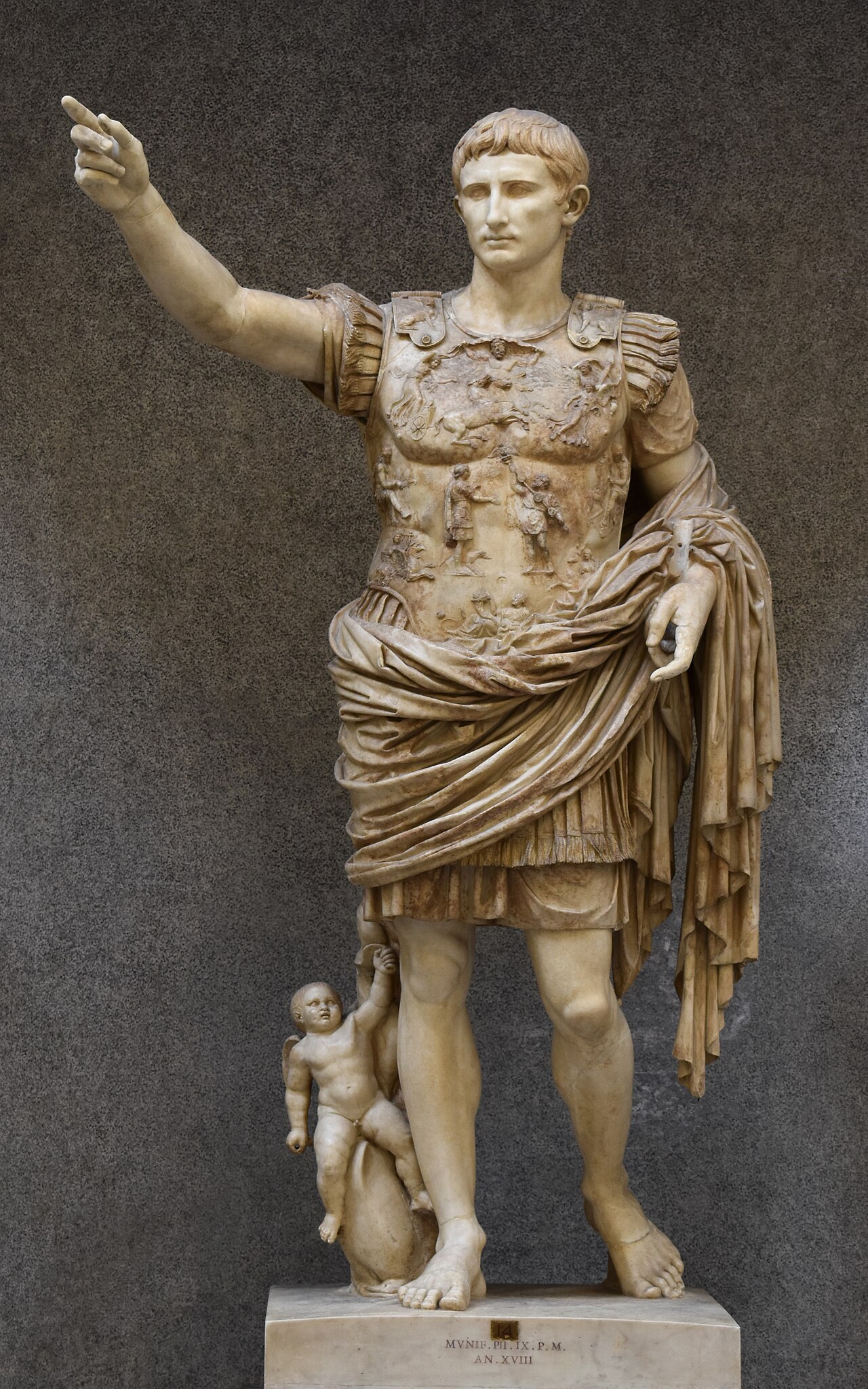
Augustus of Prima Porta
c. 19 BCE or later
 Artifact
Primary source
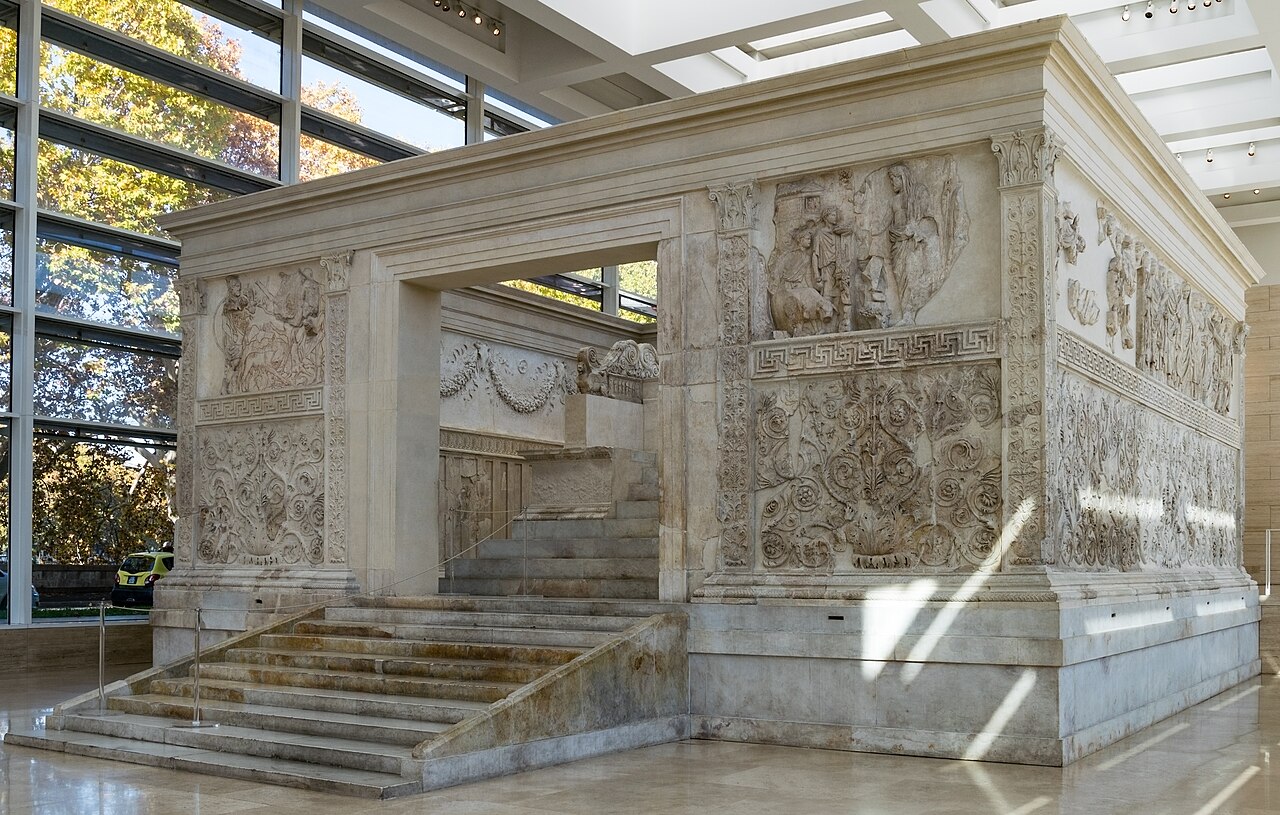
Ara Pacis
13-9 BCE
Ready when you are
Start chatting with Augustus now.
20 messages free · No credit card · Available in 50+ languages.