


Secondary sourceBook15th century
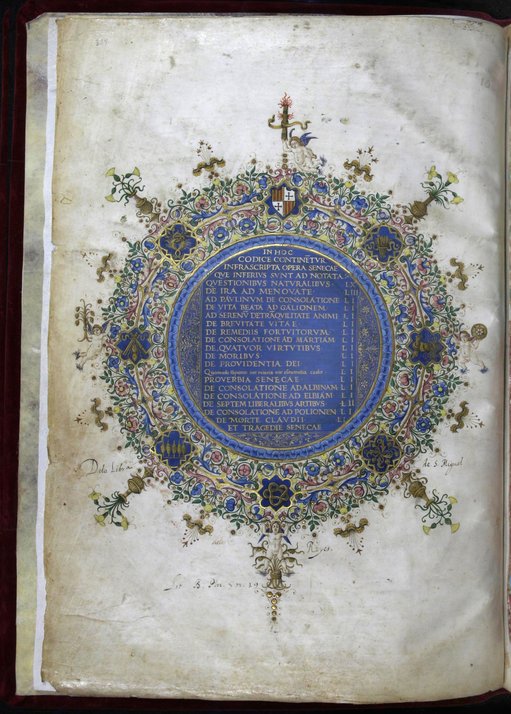
Opera Senecae
Piero Strozzi · 15th century
A luxury 15th-century manuscript of Seneca's works, copied for the royal library of Naples, showing his continued prestige in the Renaissance.
A later copy of Seneca's complete works, showing how his writings were prized at Renaissance royal courts.
About this source
What it is
This is a lavishly decorated manuscript copy of the collected works of Seneca, including his Proverbia and Tragedies. It was copied by the scribe Piero Strozzi for the royal court of Naples in the 1400s, long after Seneca's own lifetime.
Why it matters
The manuscript shows how highly Seneca's writings were valued by Renaissance rulers, who collected beautifully decorated books of ancient authors as symbols of learning and status. It reveals how a text from the Roman world was preserved and reinterpreted through the hands of copyists and patrons centuries later.
Look closer
- What does the elaborate decoration tell you about who this book was made for?
- Why might a king want a richly illustrated copy of an ancient philosopher's works?
- What does the care taken to copy this text suggest about how people in the 1400s viewed Seneca?
This book is part of the curated material that grounds the AI version of Seneca on Humy.ai — when students ask about related events, the AI can quote it and cite it.
More Seneca sources
Meet the AI Seneca →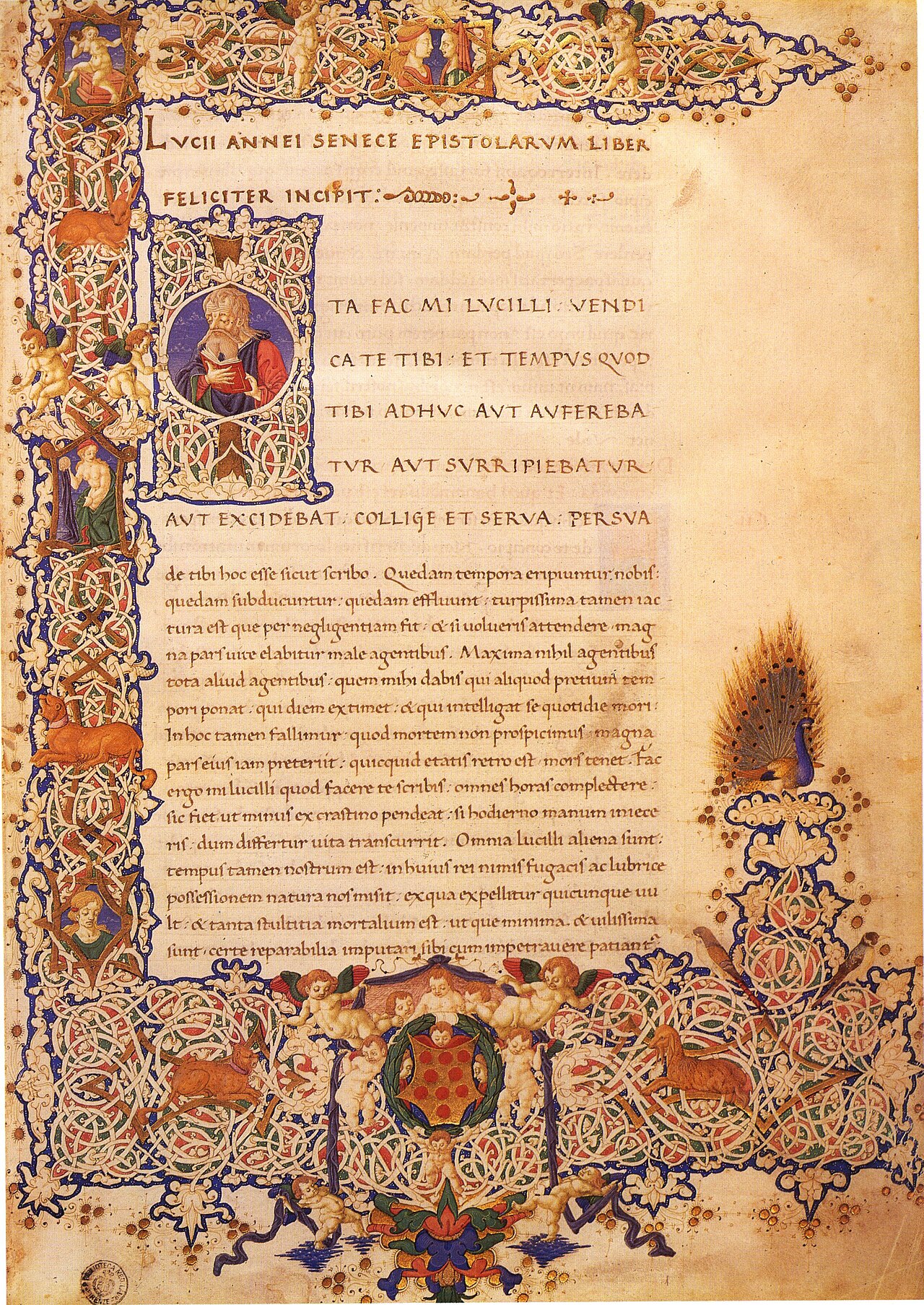 Letter
Primary source
Epistulae Morales ad Lucilium
Seneca · c. 62-65 CE
 Book
Primary source
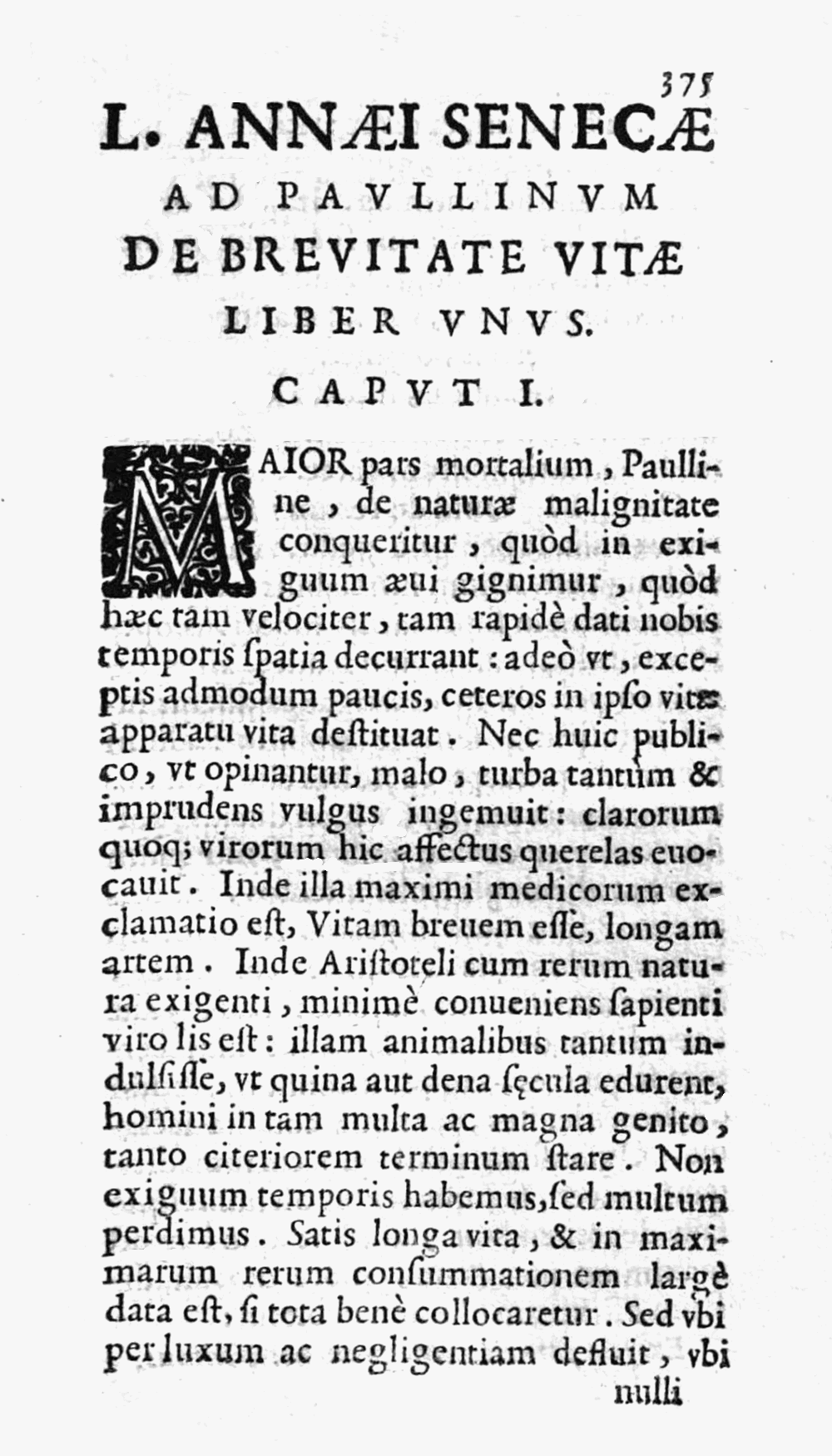
De Brevitate Vitae
Seneca · c. 49 CE
 Book
Secondary source
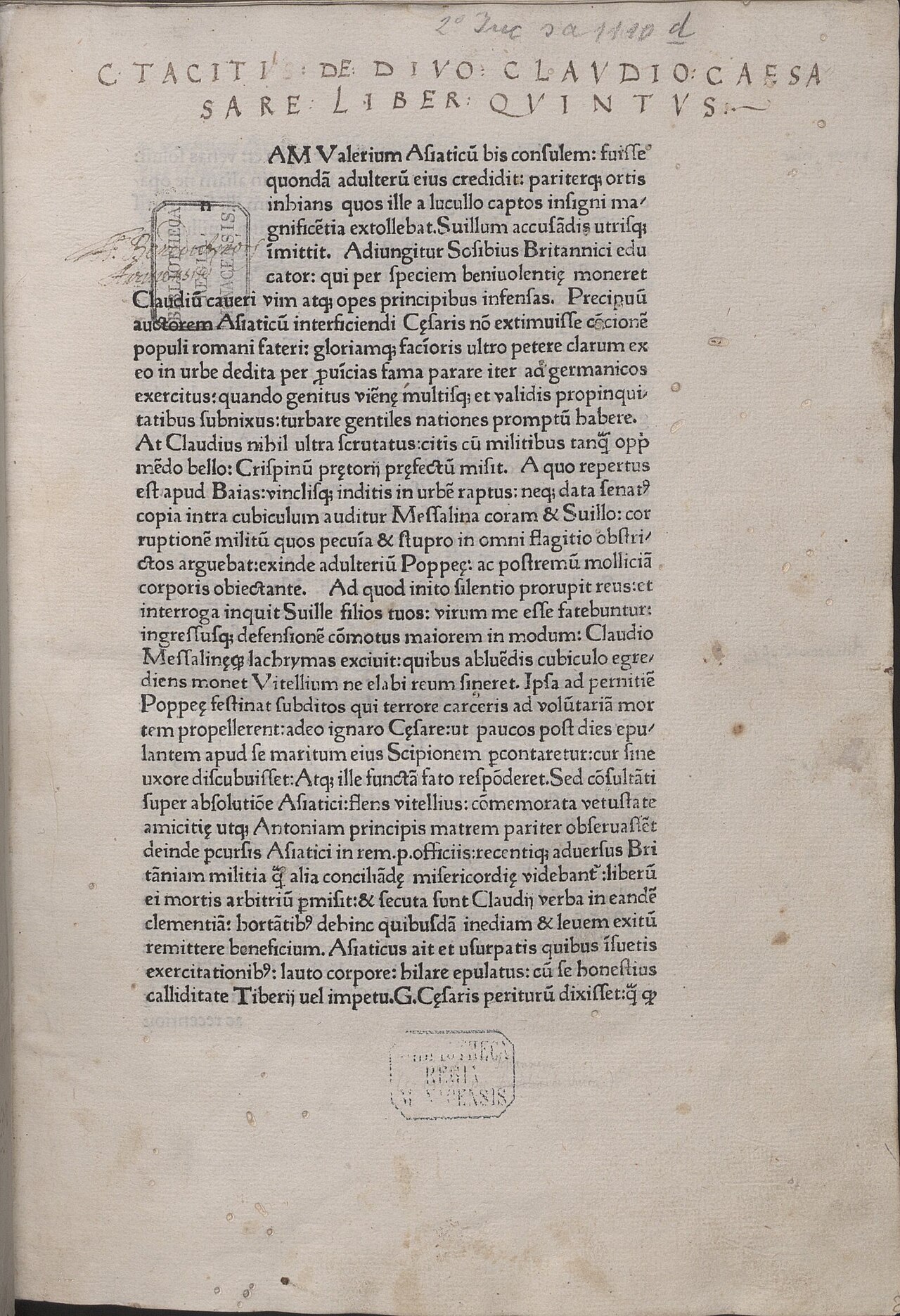
Annals
Tacitus · c. AD 116 or later
 Book
Primary source
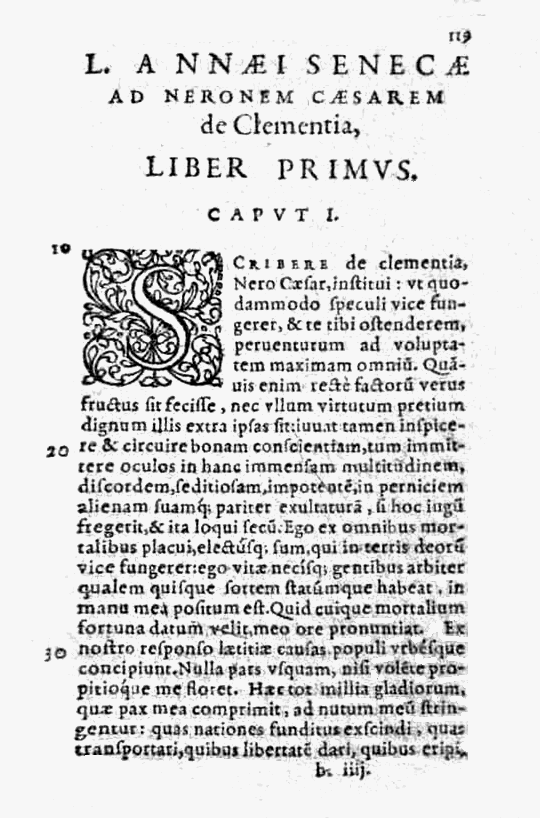
De Clementia
Seneca · 55-56 CE
 Sculpture
Secondary source
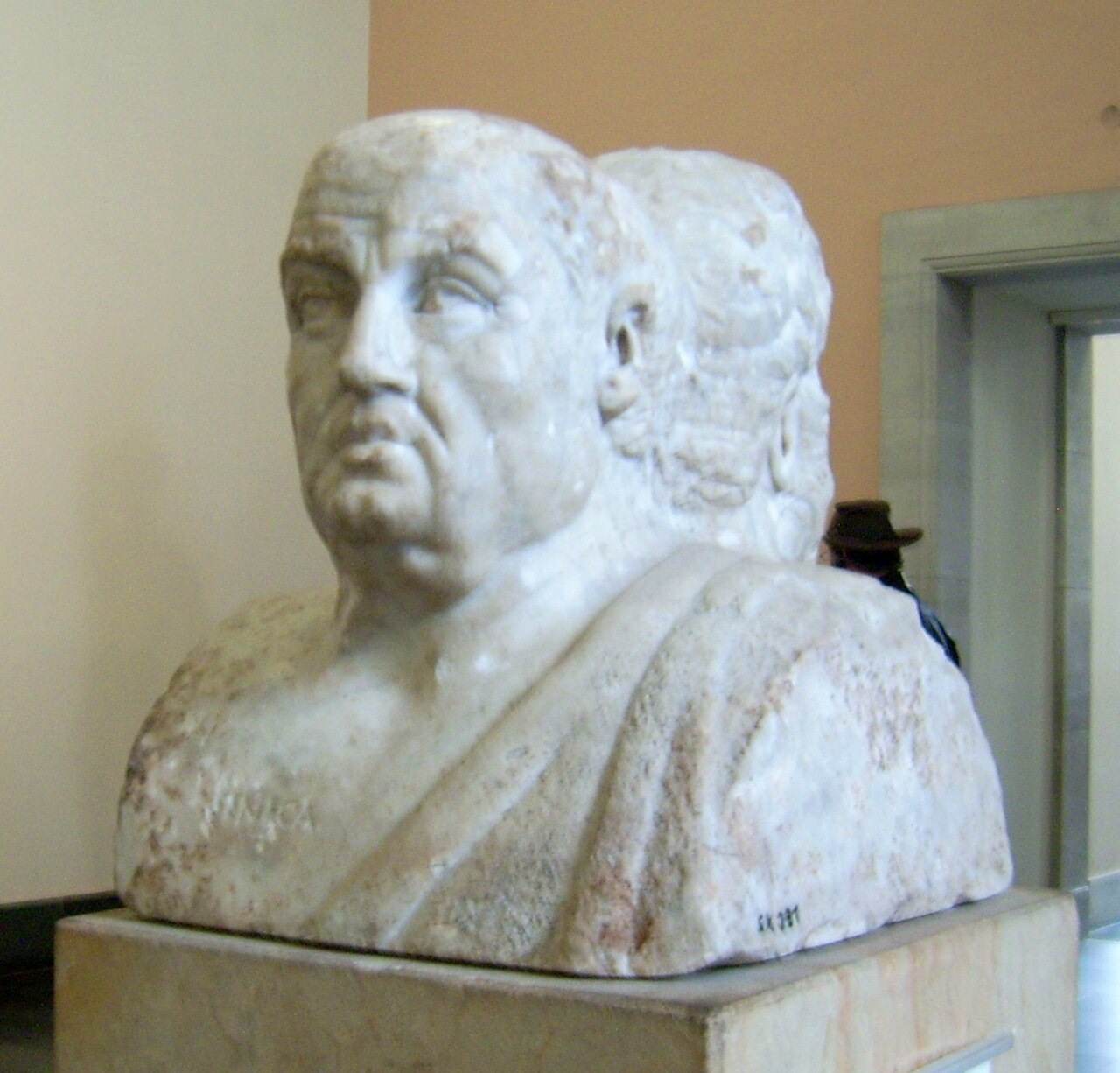
Double Herm of Socrates and Seneca
first half of the 3rd century AD
Ready when you are
Start chatting with Seneca now.
20 messages free · No credit card · Available in 50+ languages.