


Primary sourceBookc. 350 BC
Parts of Animals
Aristotle · c. 350 BC
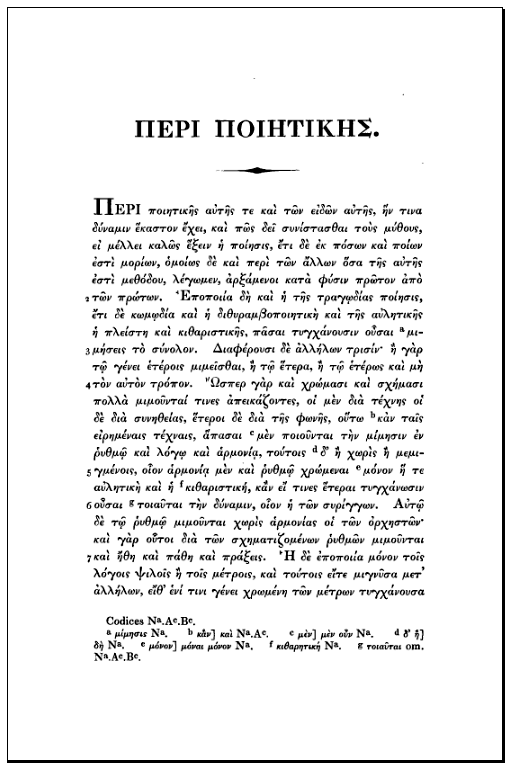
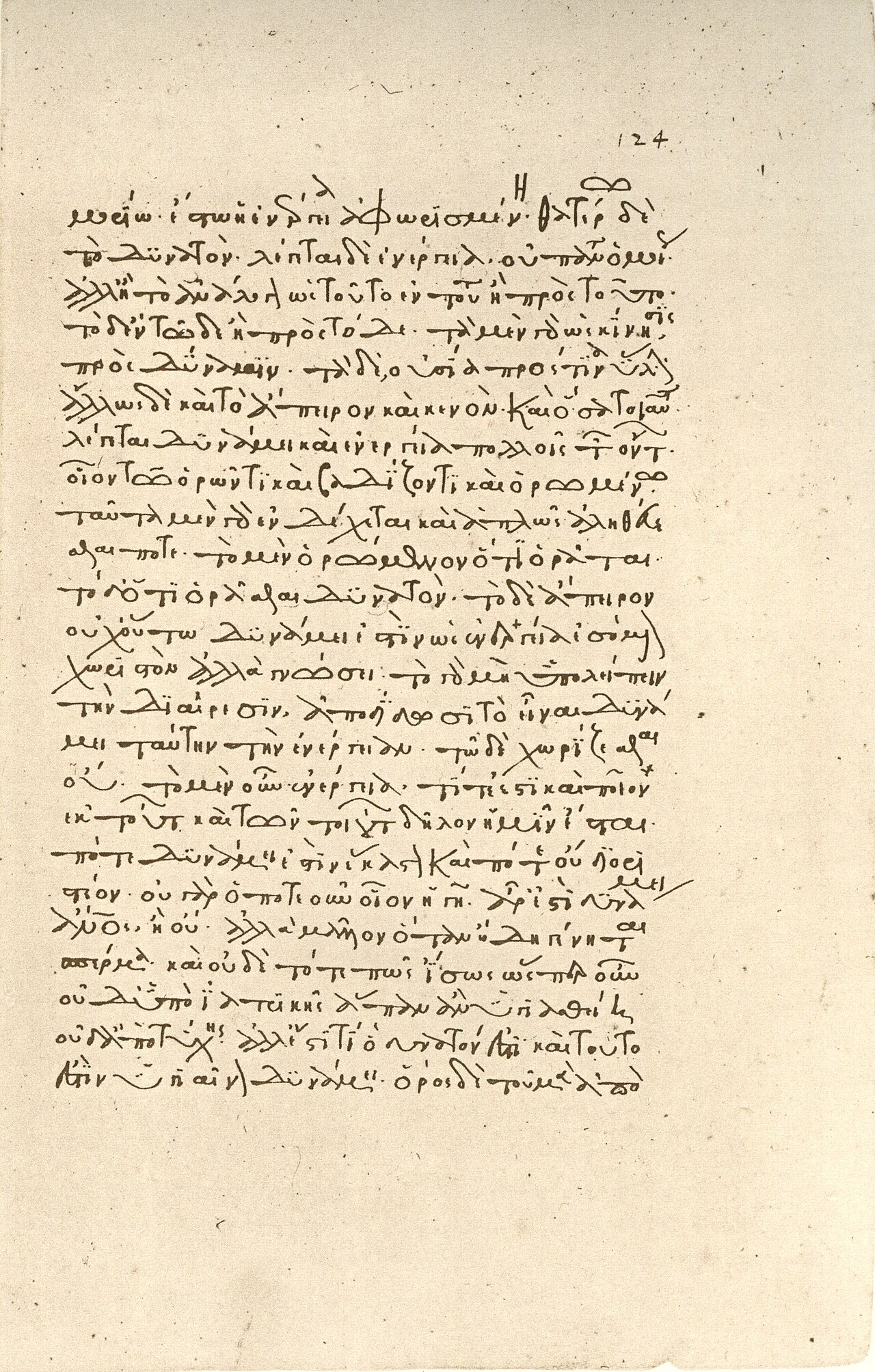
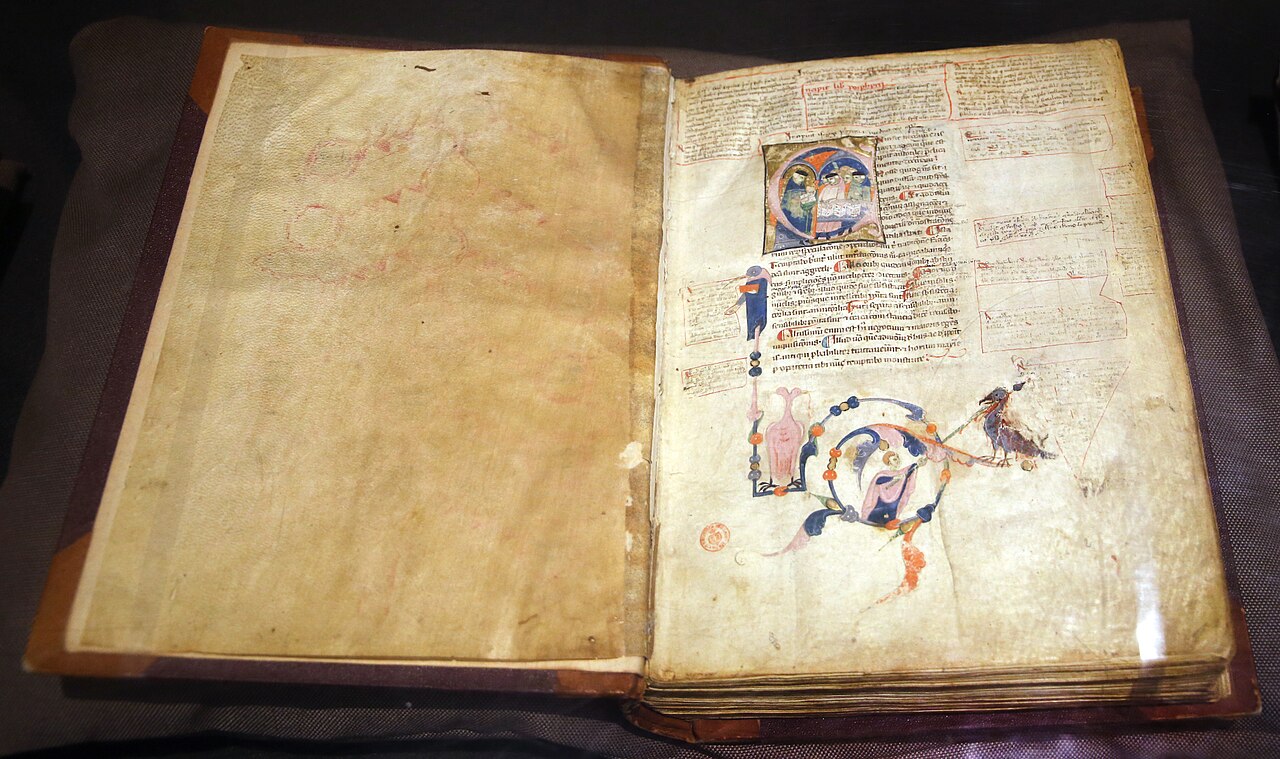
A treatise by Aristotle explaining the anatomy of animals by purpose, including a defence of studying even humble creatures.
This is Aristotle's own treatise on animal anatomy, showing his scientific method and reasoning in his own words.
About this source
What it is
Parts of Animals is a biological treatise written by Aristotle around 350 BC. In four books it describes the internal and external parts of animals, comparing them with humans, and discusses blood, fat, bone and many organs.
Why it matters
The work shows how Aristotle tried to explain nature not just by describing it but by asking what each part is for — its purpose or 'final cause'. He argued that studying even lowly animals was worthwhile, a bold claim for his time. It became one of the foundation texts of Western biology and was translated into Arabic and Latin, influencing scholars for centuries.
Look closer
- Why might Aristotle have felt the need to defend studying 'humble' animals?
- What kinds of evidence could Aristotle have used, without modern instruments?
- How does explaining a body part by its 'purpose' differ from modern biology?
This book is part of the curated material that grounds the AI version of Aristotle on Humy.ai — when students ask about related events, the AI can quote it and cite it.
More Aristotle sources
Meet the AI Aristotle →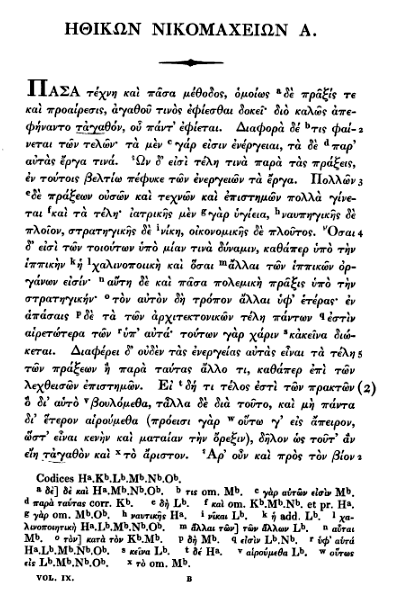

Ready when you are
Start chatting with Aristotle now.
20 messages free · No credit card · Available in 50+ languages.