


Primary sourceBookbefore 54 AD
Phaedra
Seneca · before 54 AD
A Roman tragedy by Seneca about Phaedra's forbidden desire for her stepson Hippolytus, later reworked by playwrights such as Racine.
Written by Seneca himself, this tragedy shows his work as a dramatist exploring Stoic philosophy through myth.
About this source
What it is
This tragedy was written by the philosopher and dramatist Seneca before 54 AD. Its verses tell the story of Phaedra, wife of King Theseus of Athens, and her consuming lust for her stepson Hippolytus, drawing on Greek mythology and Euripides' earlier tragedy Hippolytus.
Why it matters
Seneca's version is notable for portraying Phaedra as self-aware and direct in pursuing Hippolytus, rather than a passive victim of fate. The play explores Stoic ideas about nature and the destructive effects of uncontrolled passion. It influenced later drama for two thousand years, including works by Shakespeare and Jean Racine's Phèdre, showing how Seneca's writing as a dramatist shaped European literature long after his death.
Look closer
- How does Seneca's Phaedra differ from earlier Greek versions of the same story?
- What Stoic ideas about passion and reason can you find in the plot?
- Why might this ancient story have appealed to so many later writers across centuries?
This book is part of the curated material that grounds the AI version of Seneca on Humy.ai — when students ask about related events, the AI can quote it and cite it.
More Seneca sources
Meet the AI Seneca →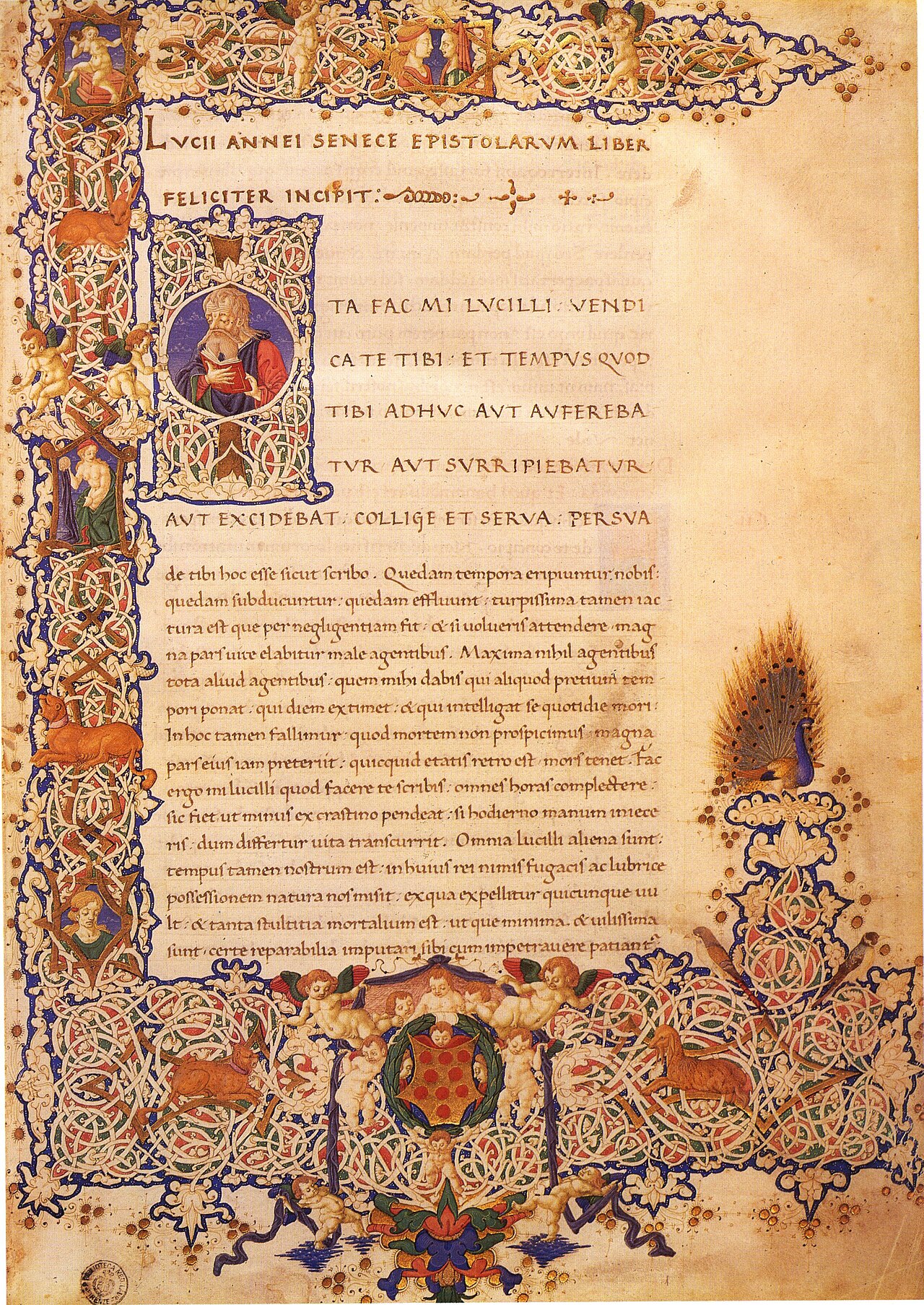 Letter
Primary source
Epistulae Morales ad Lucilium
Seneca · c. 62-65 CE
 Book
Primary source
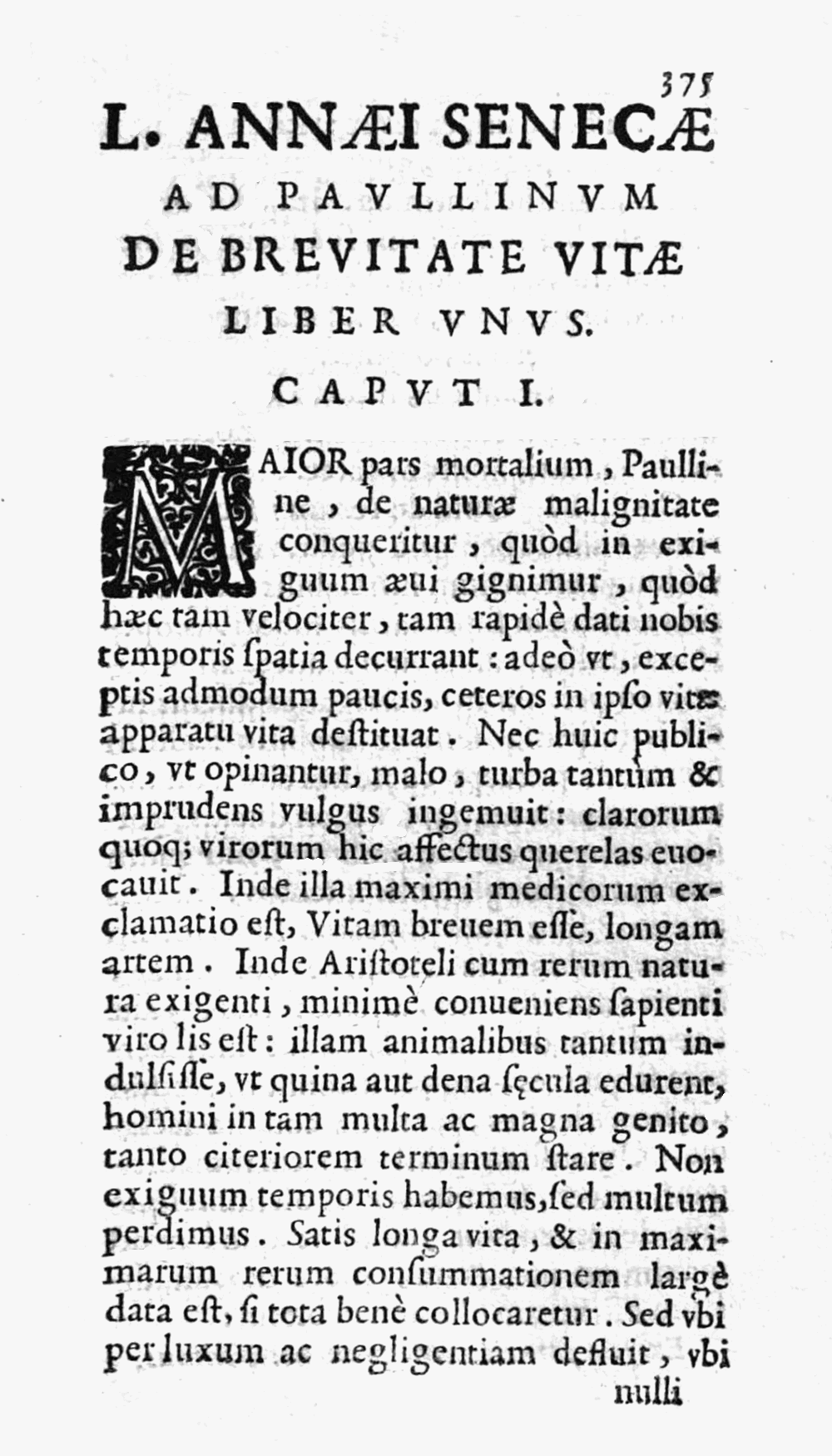
De Brevitate Vitae
Seneca · c. 49 CE
 Book
Secondary source
Annals
Tacitus · c. AD 116 or later
 Book
Primary source
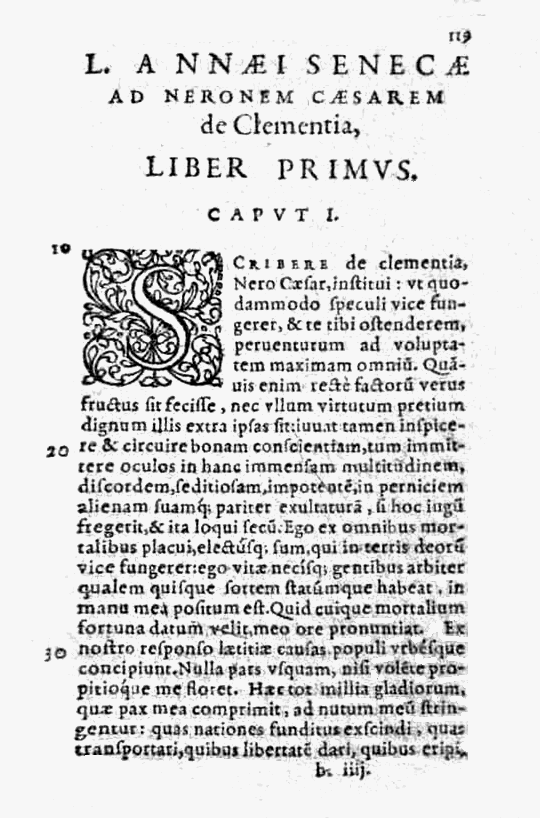
De Clementia
Seneca · 55-56 CE
 Sculpture
Secondary source
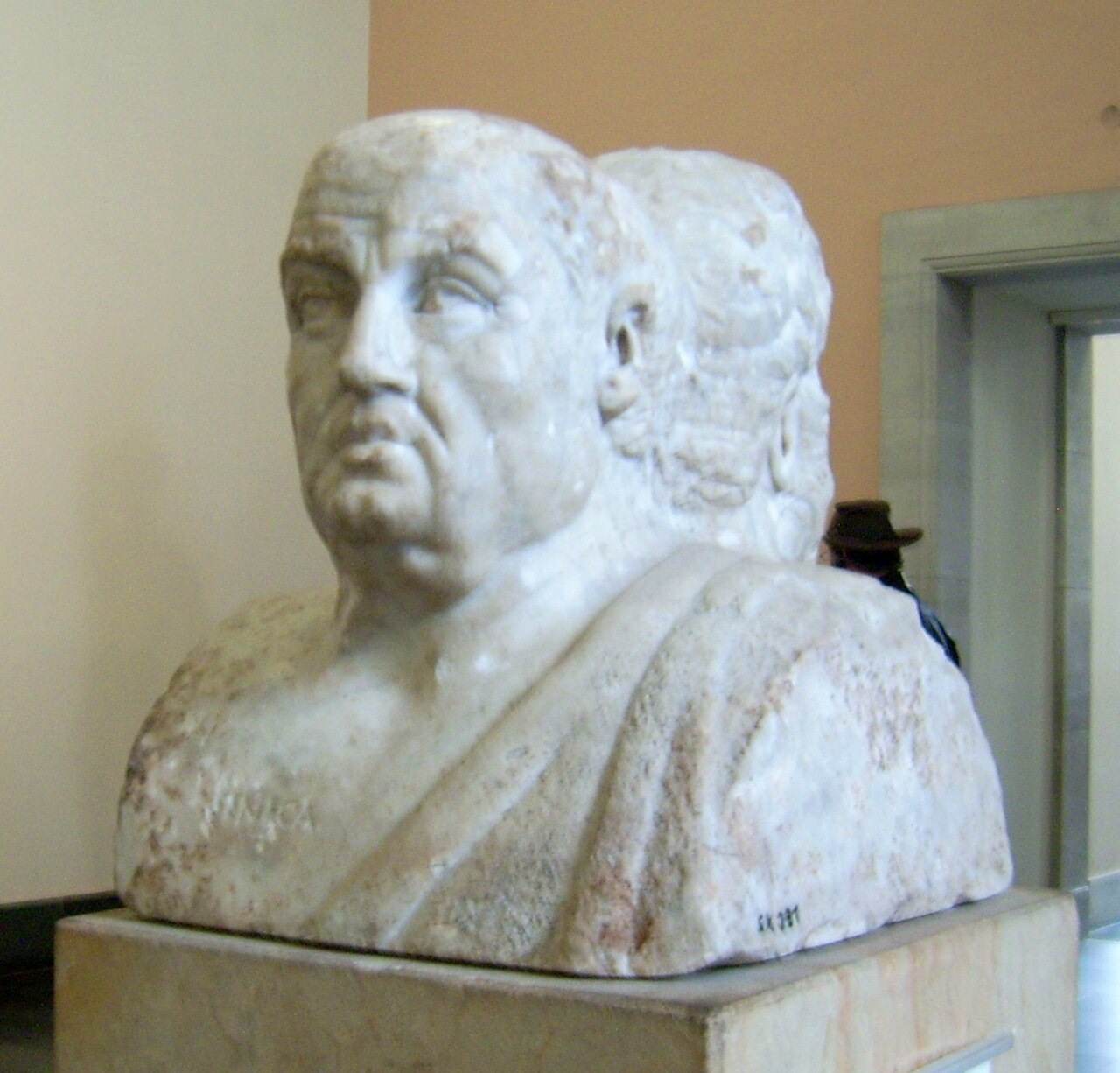
Double Herm of Socrates and Seneca
first half of the 3rd century AD
Ready when you are
Start chatting with Seneca now.
20 messages free · No credit card · Available in 50+ languages.