


Secondary sourceBookc. 370 BC
Phaedrus
Plato · c. 370 BC
A dialogue by Plato in which Socrates and Phaedrus discuss love and rhetoric outside the walls of Athens, including Socrates' criticism of writing.
Written by Plato himself, this dialogue preserves his thinking on love, rhetoric, and the soul.
About this source
What it is
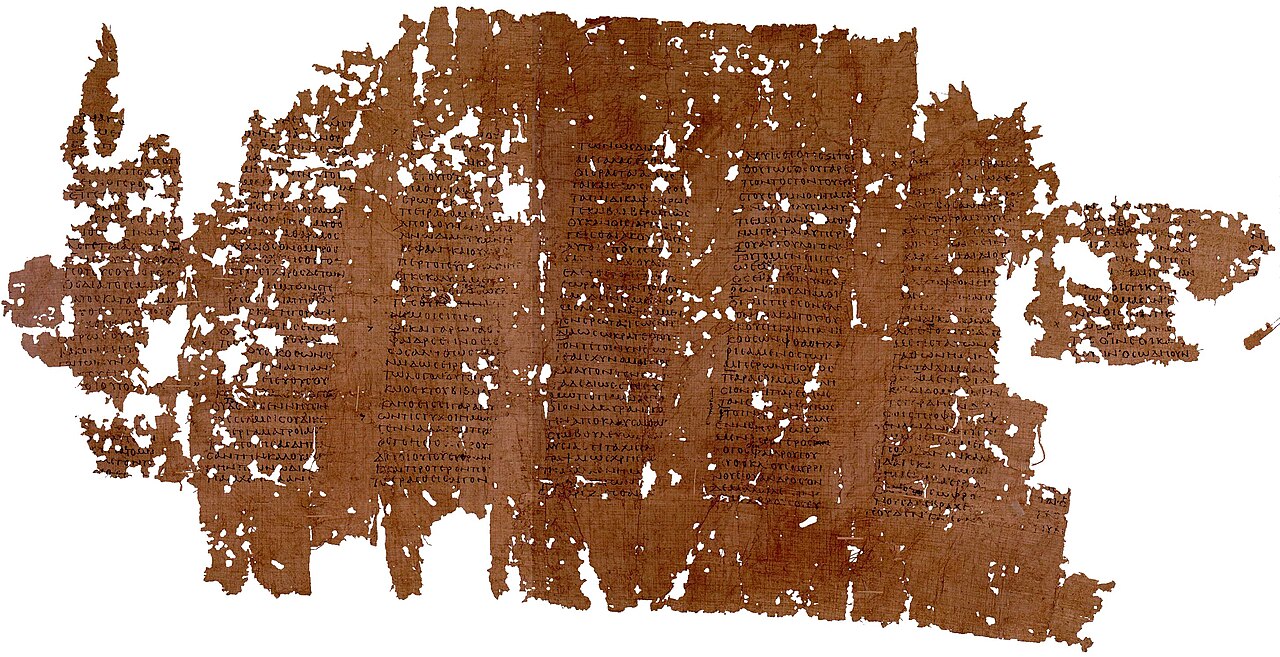
The Phaedrus is a dialogue written by Plato, composed around 370 BC, set as a conversation between Socrates and Phaedrus. It takes place outside the city of Athens, by a stream, and covers love, rhetoric, the soul, and the nature of writing. A 2nd-century AD papyrus fragment of the text, found at Oxyrhynchus, survives and is shown here.
Why it matters
This is one of the few dialogues where Socrates leaves the city, and it contains his famous argument against writing down philosophy, which helps explain why Socrates himself left no texts of his own — everything we know of him comes from others, chiefly Plato and Xenophon. The dialogue shows how Plato used Socrates as a character to explore ideas about knowledge, persuasion, and memory.
Look closer
- Why might Socrates have distrusted writing as a way to preserve knowledge?
- Since Socrates wrote nothing himself, how does that affect what we can really know about him?
- What does the physical condition of the ancient papyrus fragment tell you about how fragile old texts are?
This book is part of the curated material that grounds the AI version of Plato, Socrates and Pericles on Humy.ai — when students ask about related events, the AI can quote it and cite it.
More Plato sources
Meet the AI Plato →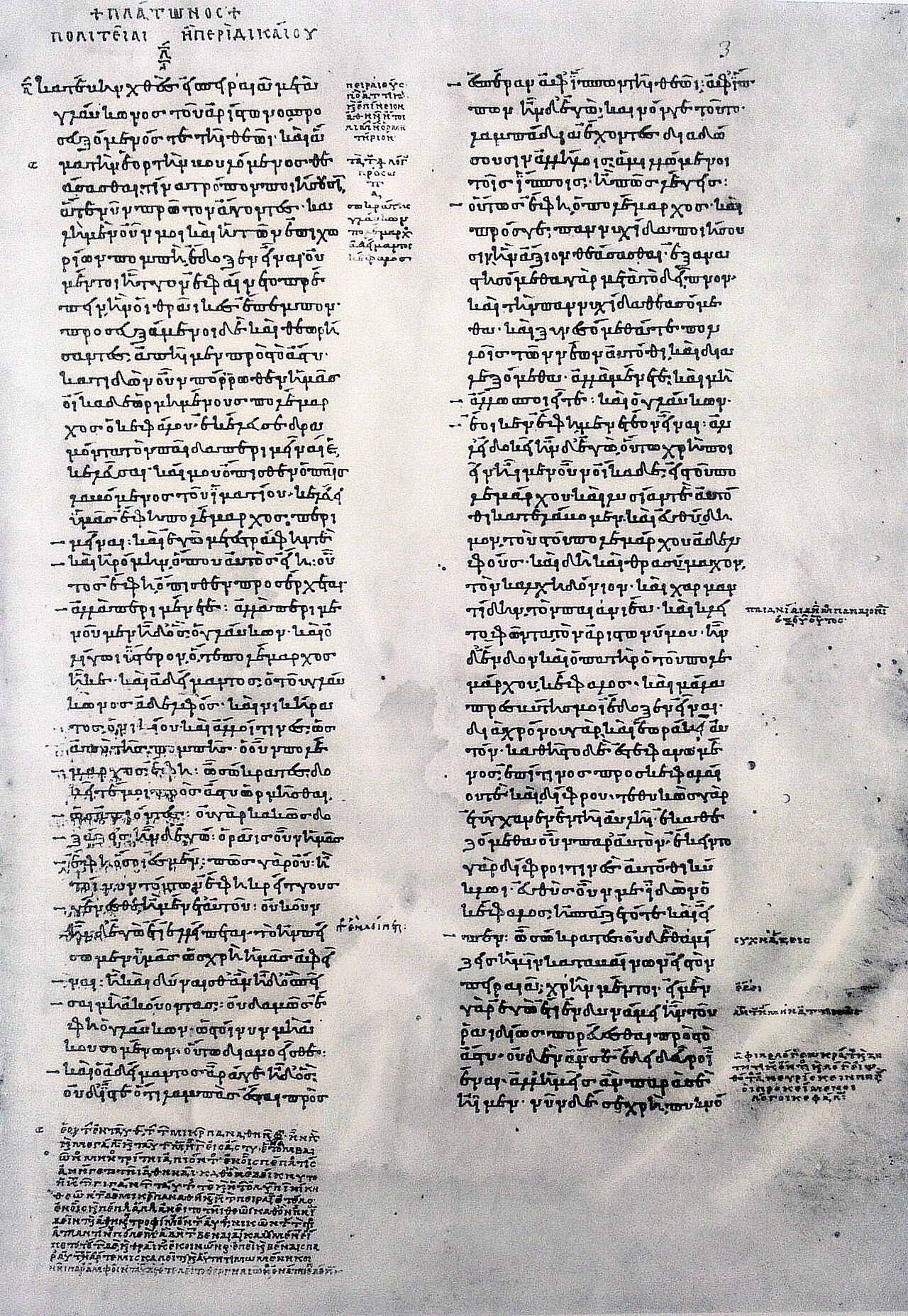 Book
Secondary source
The Republic
Plato · c. 375 BC
 Book
Primary source
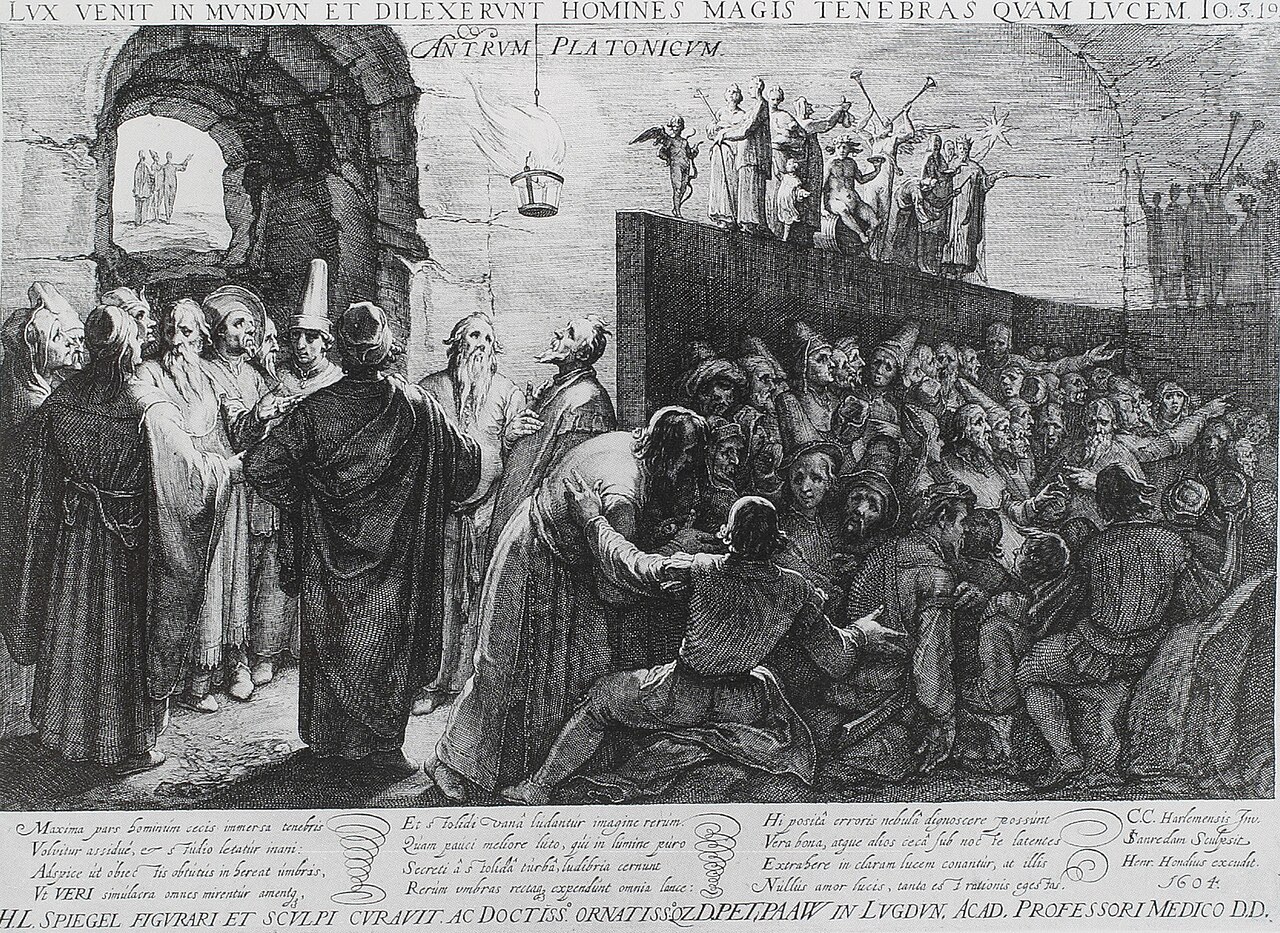
Allegory of the Cave
Plato · c. 400 BC
Secondary source
Apology
Plato · c. 395 BC
 Sculpture
Secondary source
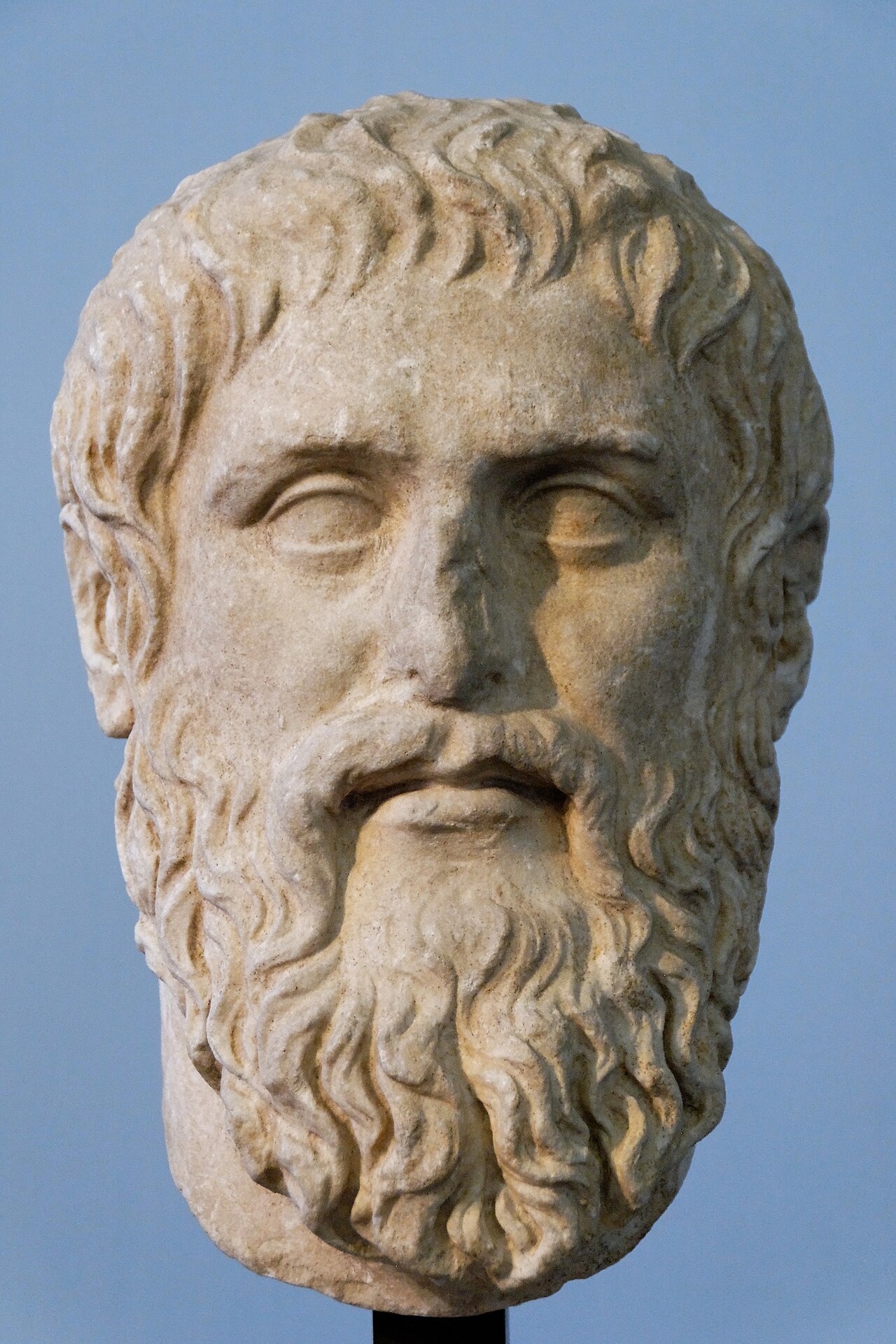
Portrait of Plato
Silanion (original type) · ca. 370 BC (original type); this copy Roman era
 Book
Secondary source
Phaedo
Plato · c. 360 BC
Ready when you are
Start chatting with Plato now.
20 messages free · No credit card · Available in 50+ languages.