


Primary sourceBook1st century CE (manuscript copy 15th century)
Phoenissae
Seneca · 1st century CE (manuscript copy 15th century)
An unfinished Roman tragedy by Seneca retelling the strife between Oedipus's sons, surviving in medieval manuscript copies.
This is one of Seneca's own tragedies, showing his work as a dramatist alongside his philosophy.
About this source
What it is
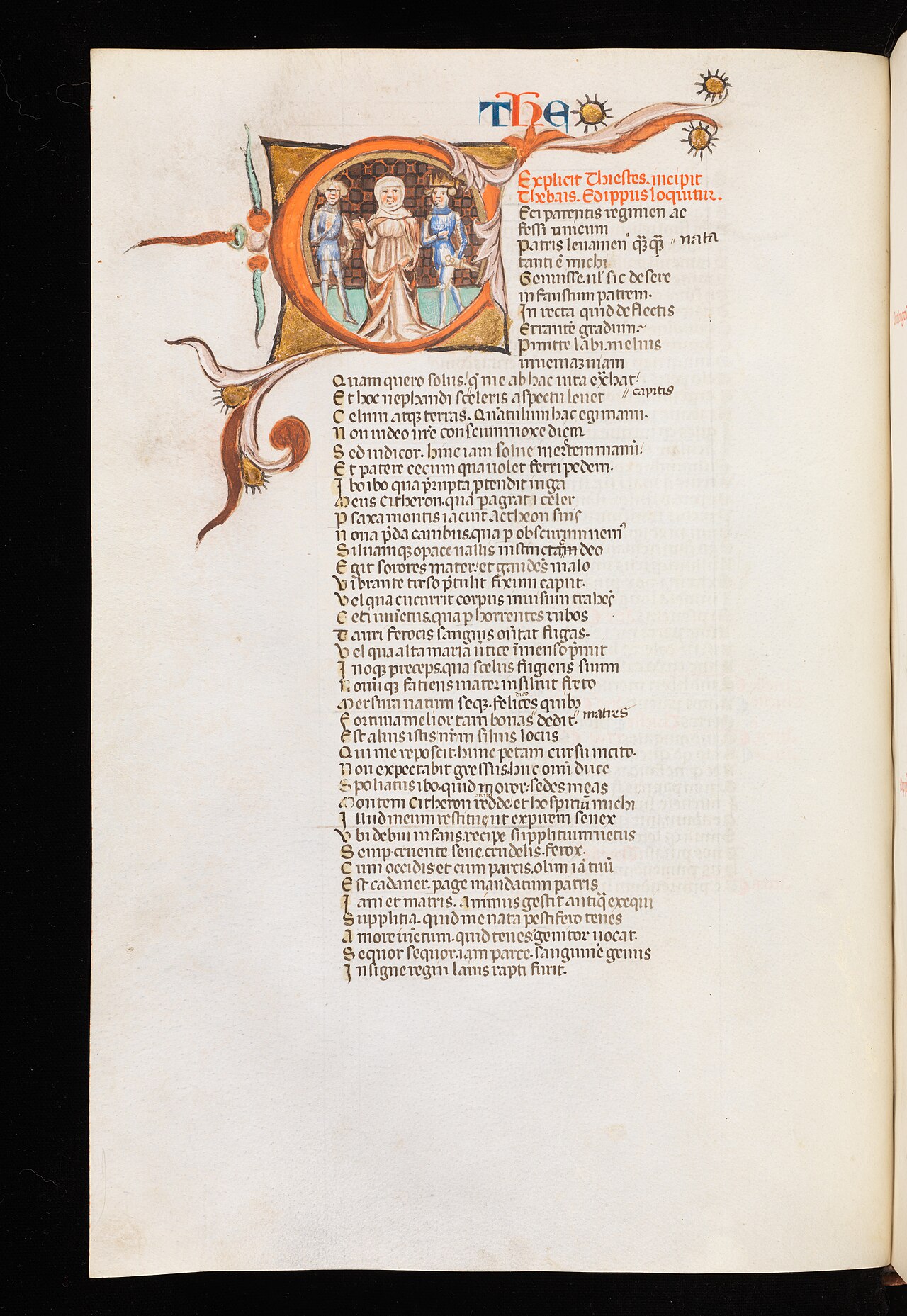
Phoenissae, also called Thebaïs, is a tragedy written by the Roman Stoic philosopher and playwright Seneca. It is his shortest surviving play and survives only as an incomplete text in two parts, set in Thebes. The copy shown here comes from a 15th-century Italian manuscript collecting Seneca's ten tragedies.
Why it matters
The play follows the blinded Oedipus and the war between his sons Eteocles and Polynices after they break their agreement to share the throne. Writing about civil war and a family destroying itself from within had sharp relevance in Seneca's own time, under the unstable rule of the emperor Nero. The play shows Seneca's interest in fate, guilt, and the costs of political ambition.
Look closer
- Why might a Roman writer under an emperor like Nero be drawn to stories of brothers fighting over a throne?
- What clues in the manuscript page tell you this was a valuable, carefully made book?
- Why do you think the play was left unfinished, and what might that tell us about how it was transmitted?
This book is part of the curated material that grounds the AI version of Seneca on Humy.ai — when students ask about related events, the AI can quote it and cite it.
More Seneca sources
Meet the AI Seneca →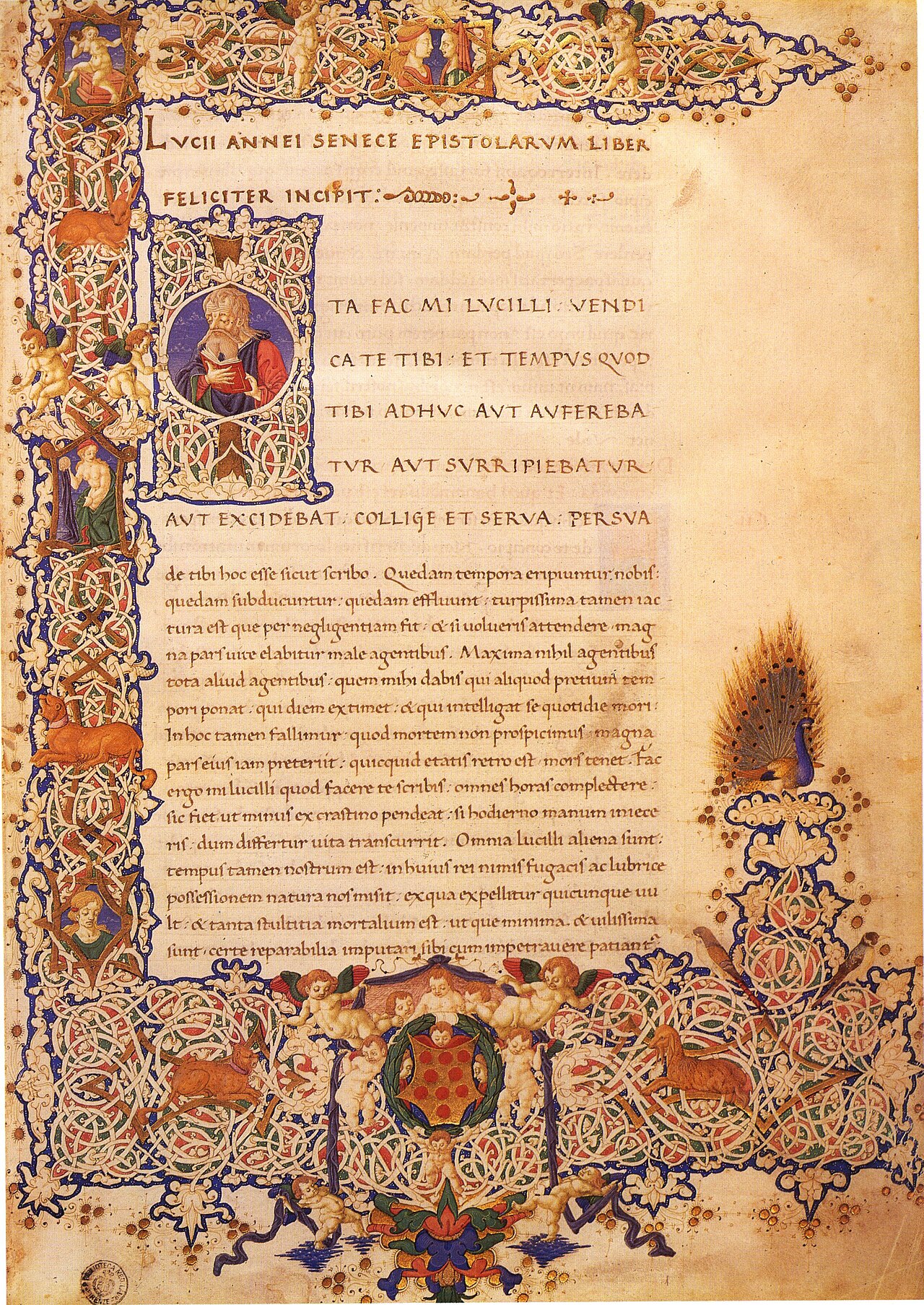 Letter
Primary source
Epistulae Morales ad Lucilium
Seneca · c. 62-65 CE
 Book
Primary source
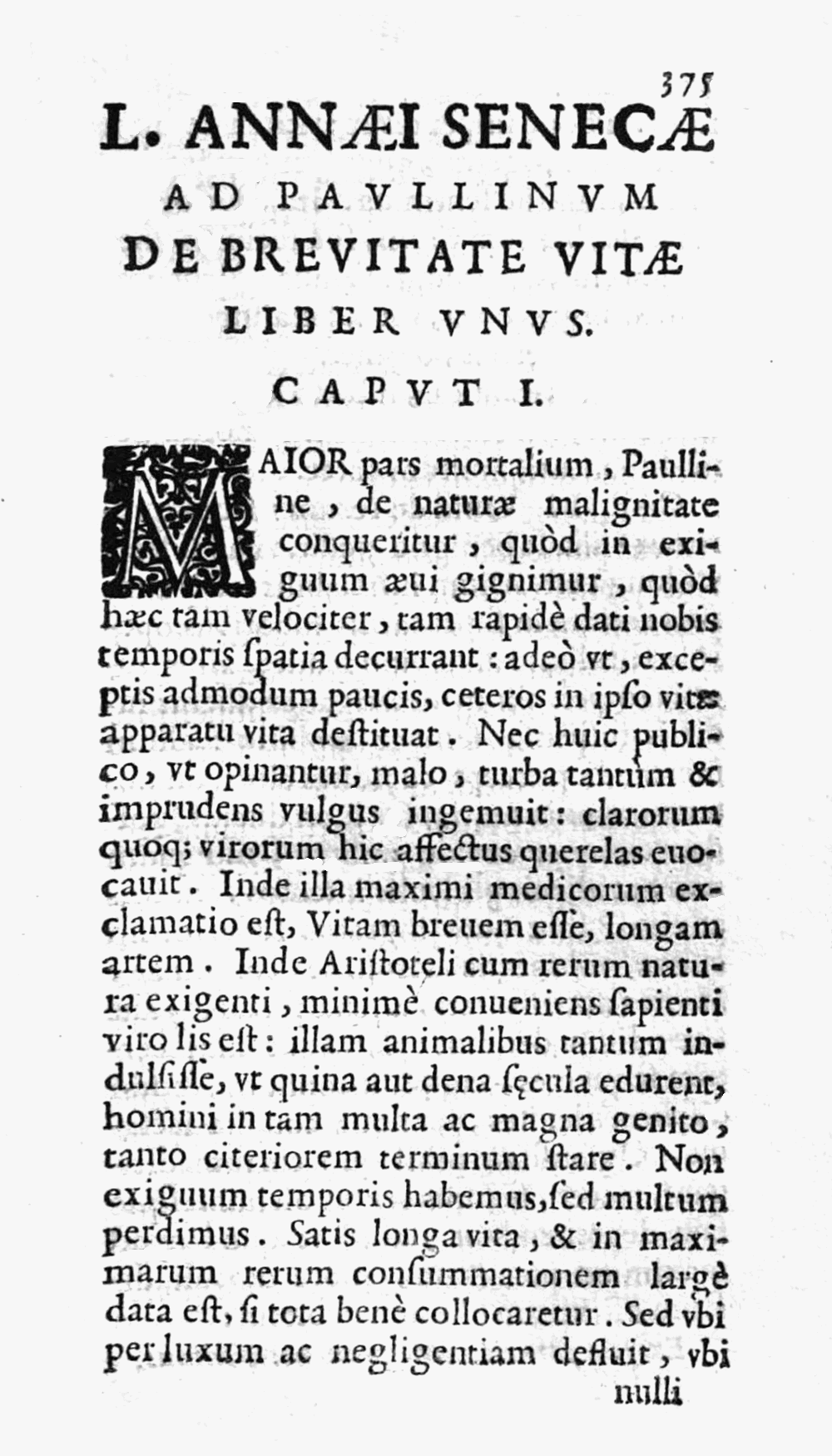
De Brevitate Vitae
Seneca · c. 49 CE
 Book
Secondary source
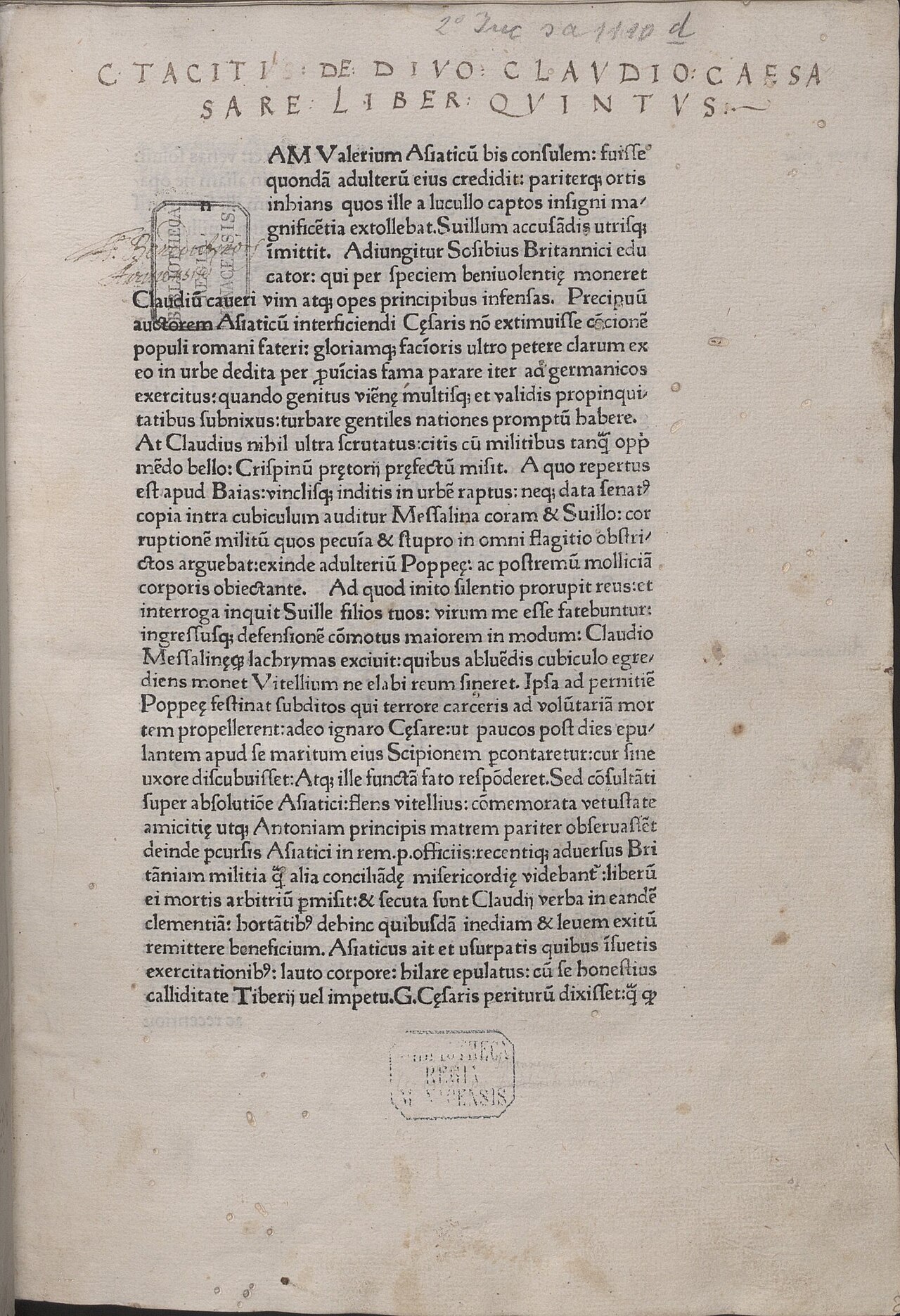
Annals
Tacitus · c. AD 116 or later
 Book
Primary source
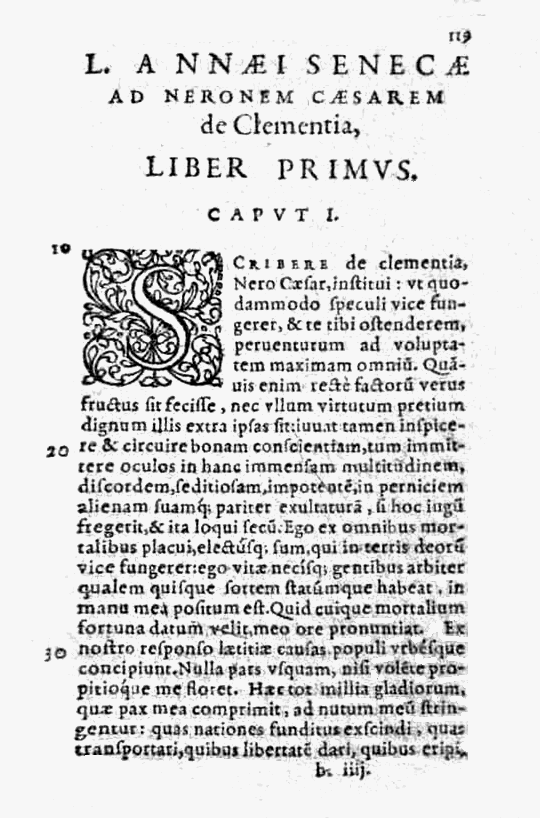
De Clementia
Seneca · 55-56 CE
 Sculpture
Secondary source
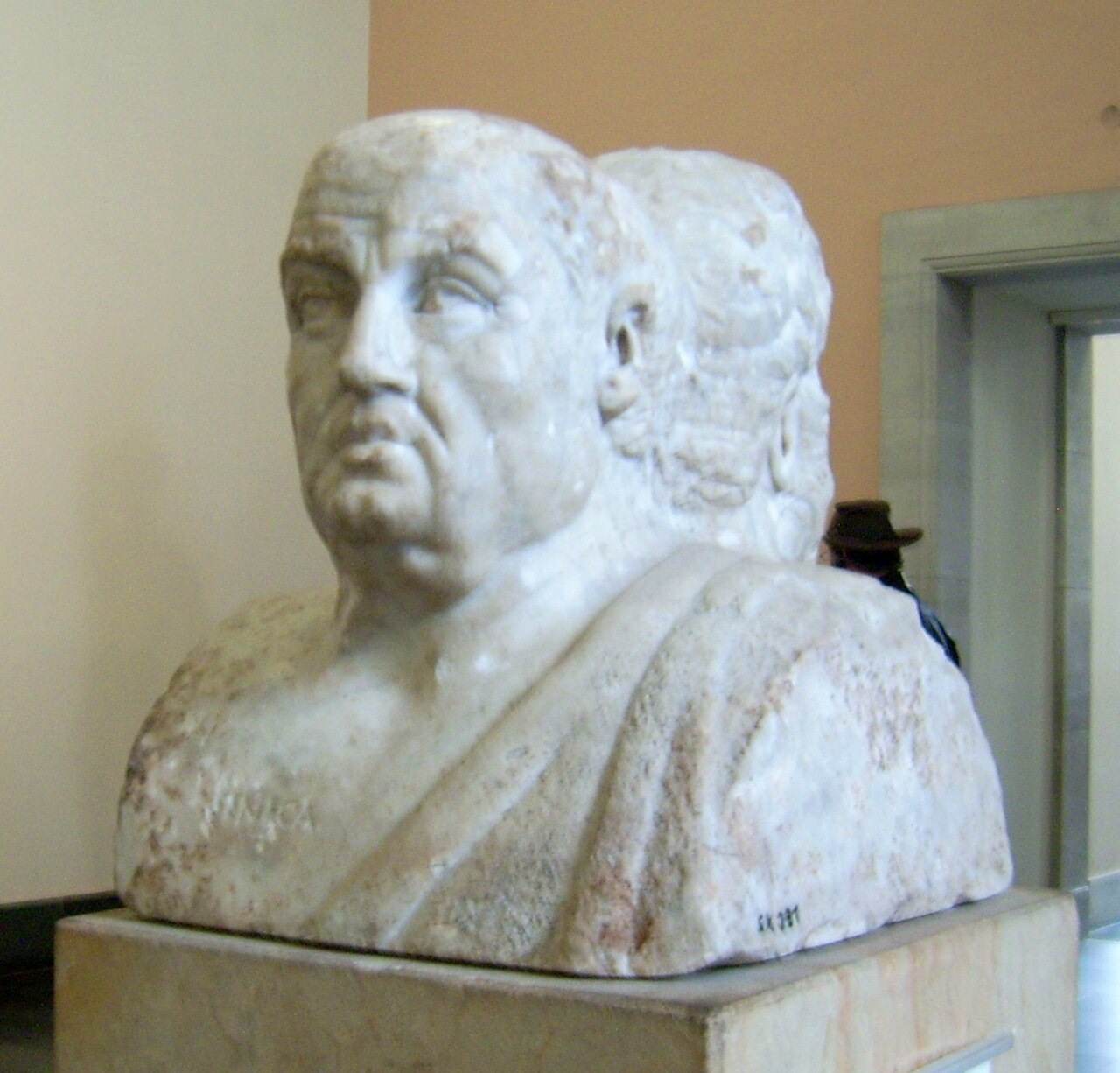
Double Herm of Socrates and Seneca
first half of the 3rd century AD
Ready when you are
Start chatting with Seneca now.
20 messages free · No credit card · Available in 50+ languages.