


Primary sourceBook1910
Physical Science in the Time of Nero
Seneca · 1910
A 1910 English translation of Seneca's Naturales Quaestiones, his work on natural science, with notes by Archibald Geikie.
This translation presents Seneca's own ideas on natural science, the Naturales Quaestiones, to modern readers.
About this source
What it is
This is a 1910 English translation of Seneca's Naturales Quaestiones (Natural Questions), titled Physical Science in the Time of Nero. It was translated by John Clarke, with notes by Sir Archibald Geikie, and published by Macmillan in London.
Why it matters
The book makes Seneca's ideas about meteorology, earthquakes and comets accessible to English readers in the early 20th century. It shows that Seneca was not only a moral philosopher but also someone who thought seriously about the natural world, and that his scientific writing was still considered worth studying centuries later.
Look closer
- Why might scientists in 1910 still be interested in what an ancient Roman thought about earthquakes and comets?
- What is gained, and what might be lost, when an ancient text is translated into a modern language?
- What does the choice of title, 'Physical Science in the Time of Nero', tell you about how the translator wanted readers to see Seneca?
This book is part of the curated material that grounds the AI version of Seneca on Humy.ai — when students ask about related events, the AI can quote it and cite it.
More Seneca sources
Meet the AI Seneca →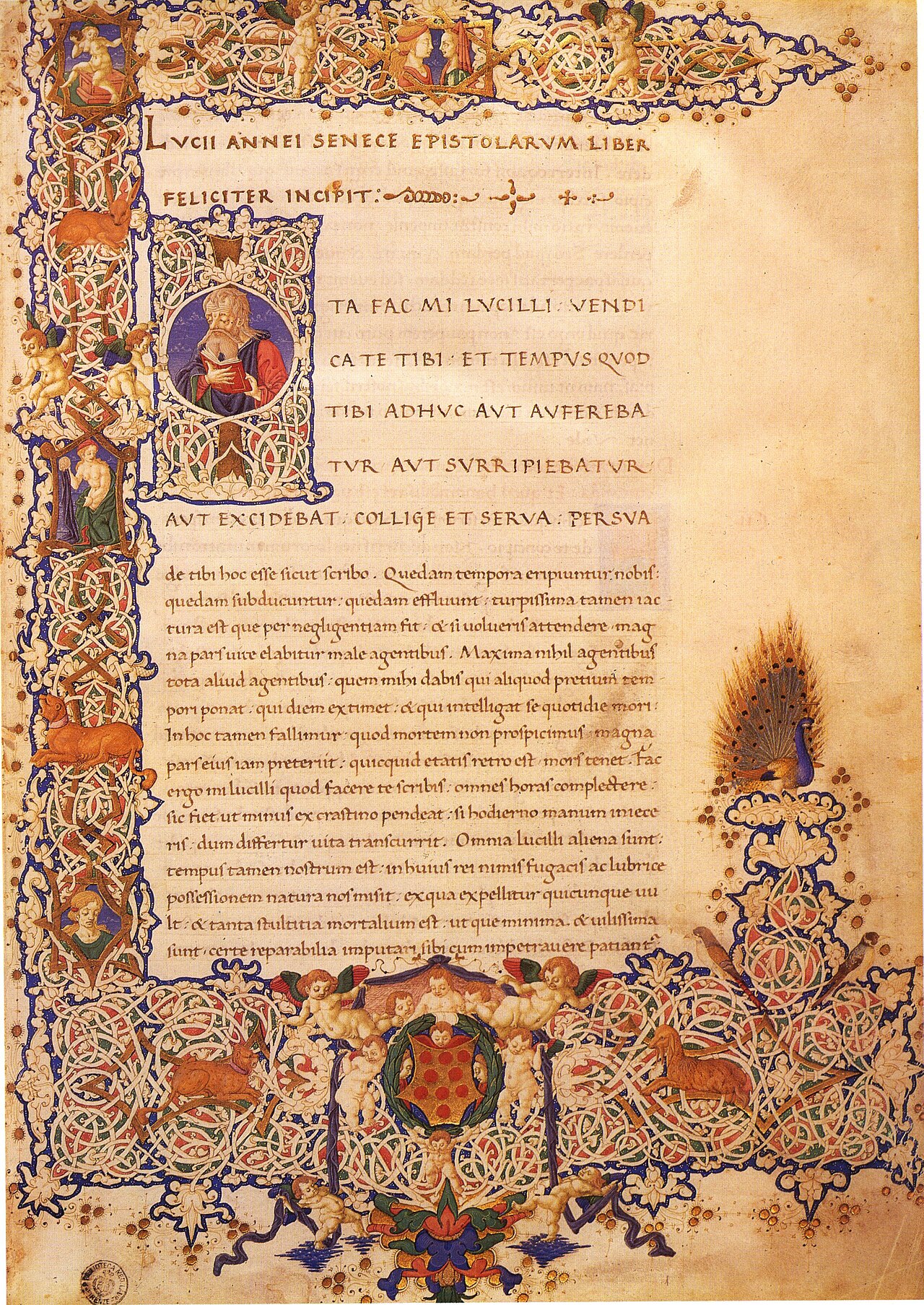 Letter
Primary source
Epistulae Morales ad Lucilium
Seneca · c. 62-65 CE
 Book
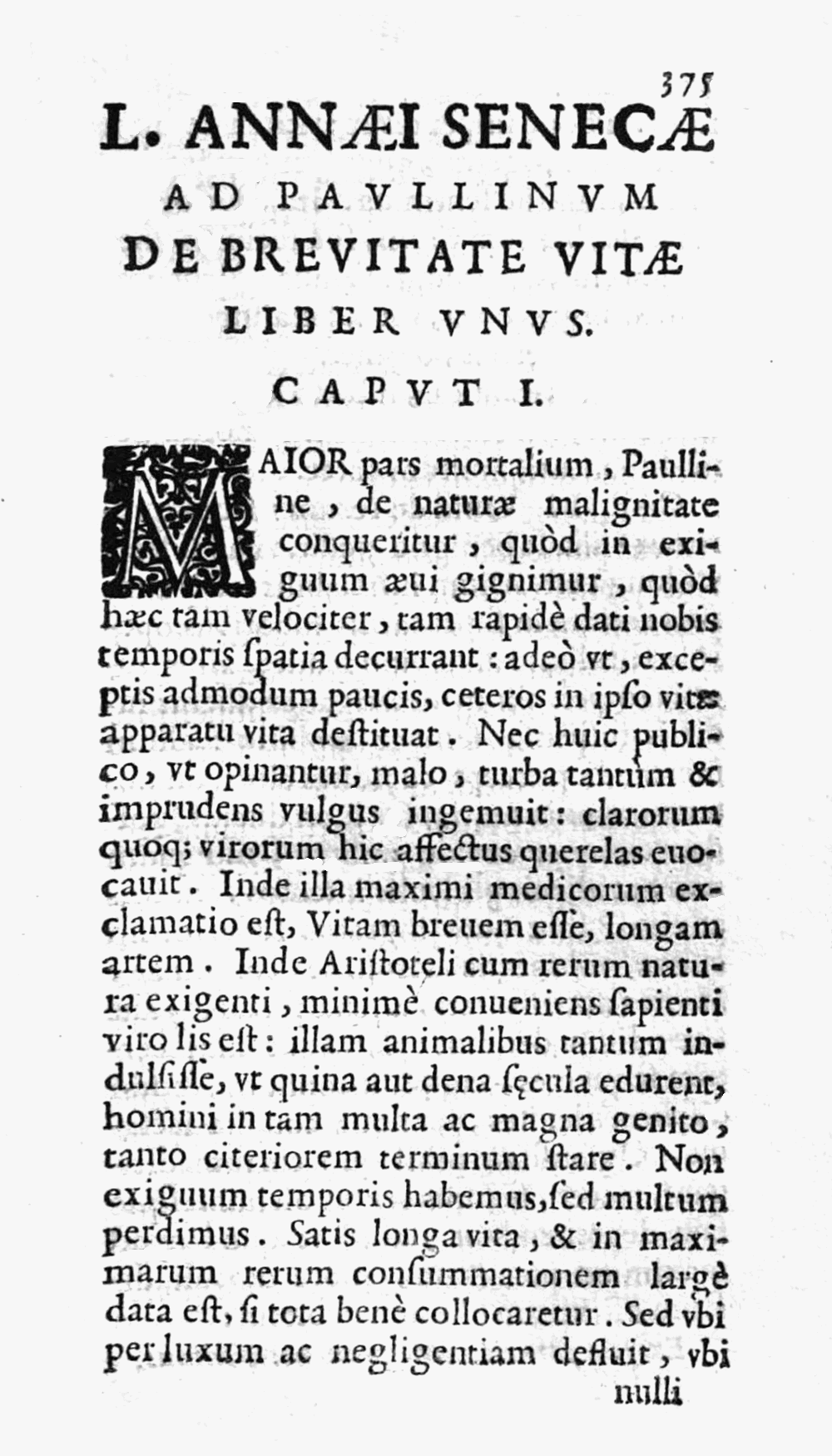
Primary source
De Brevitate Vitae
Seneca · c. 49 CE
 Book
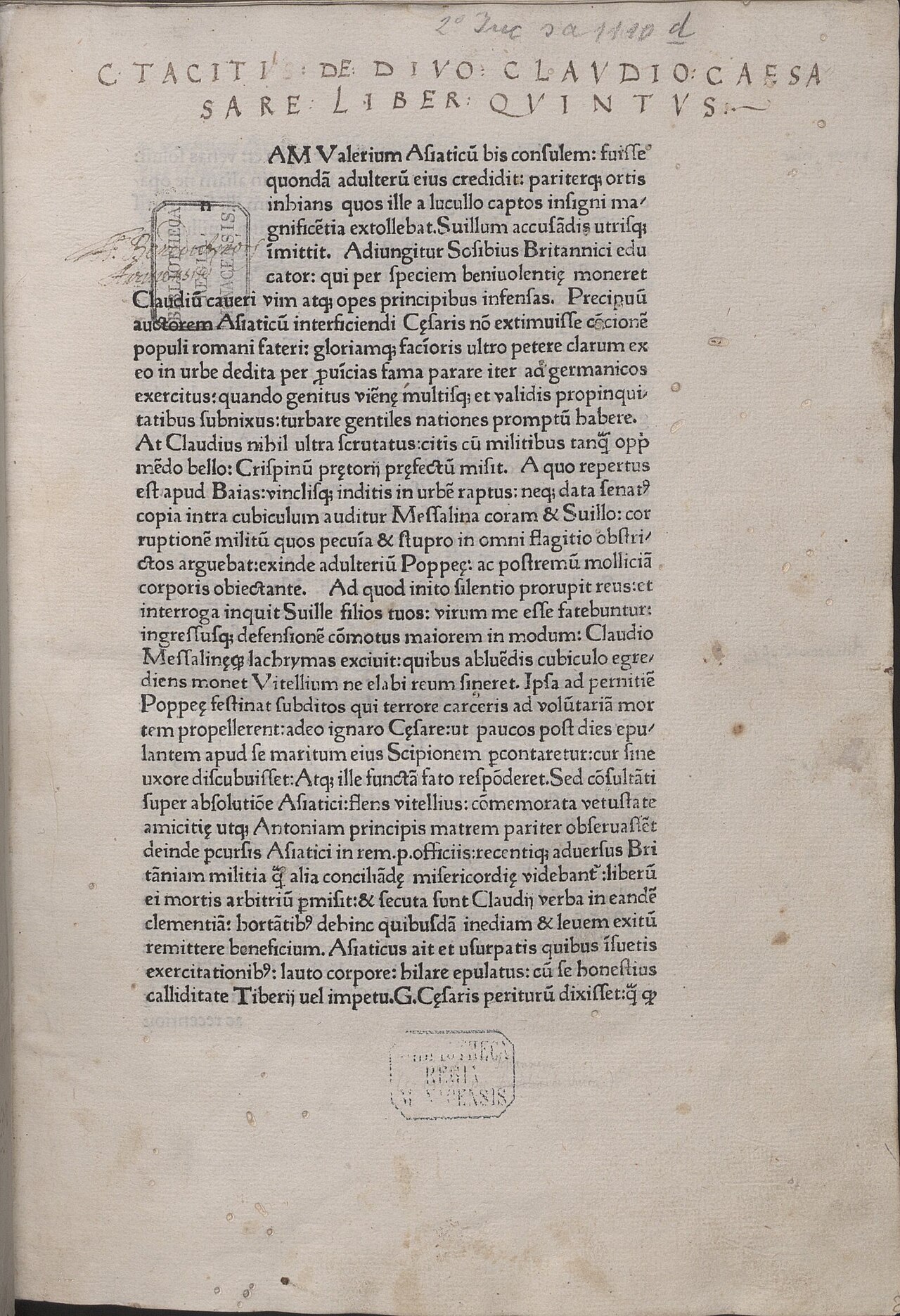
Secondary source
Annals
Tacitus · c. AD 116 or later
 Book
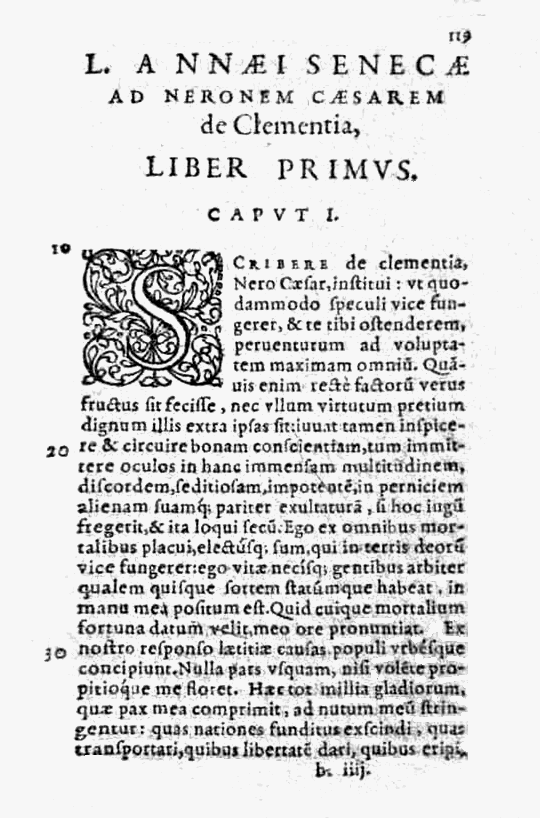
Primary source
De Clementia
Seneca · 55-56 CE
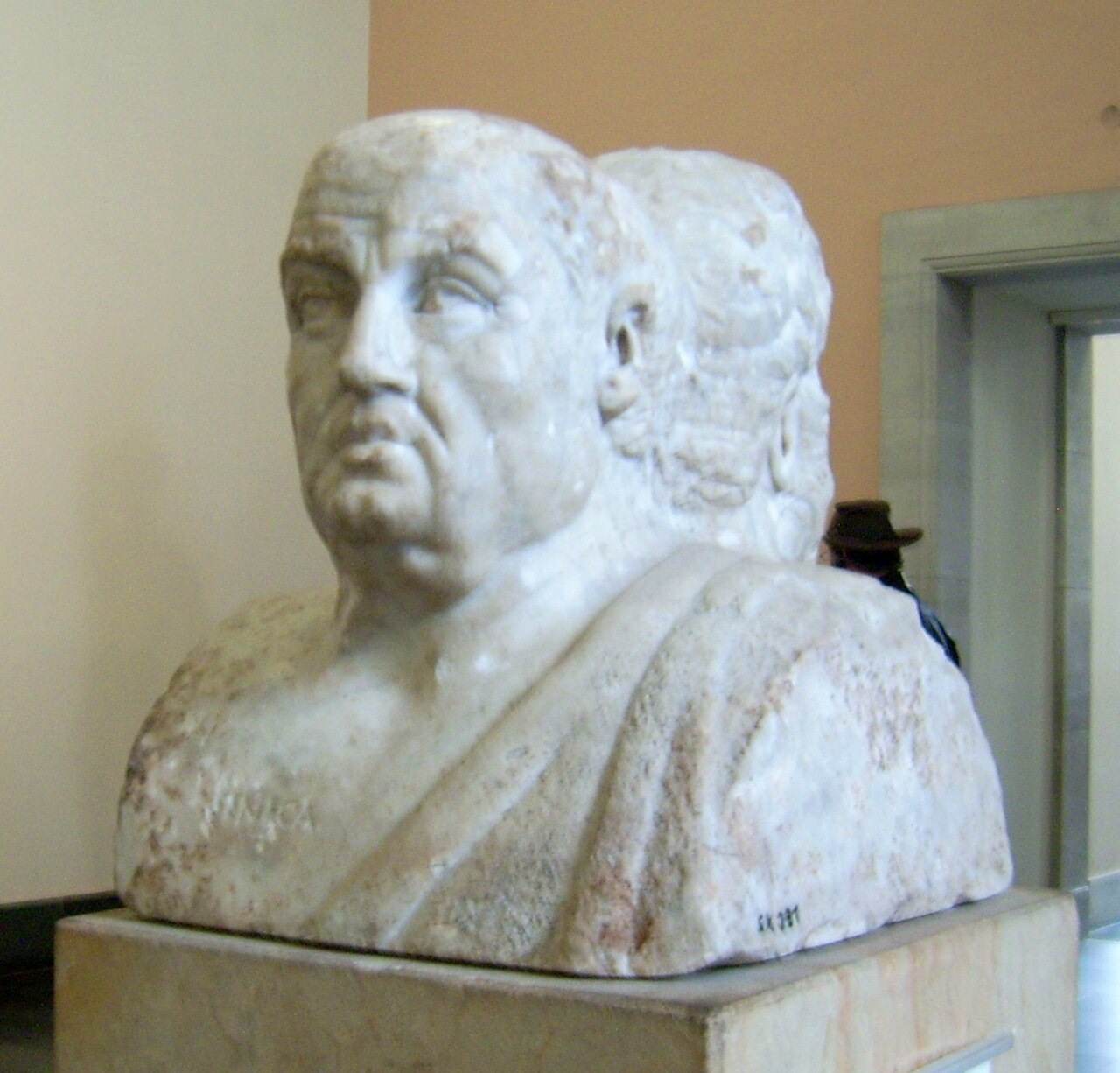 Sculpture
Secondary source
Double Herm of Socrates and Seneca
first half of the 3rd century AD
Ready when you are
Start chatting with Seneca now.
20 messages free · No credit card · Available in 50+ languages.