


Secondary sourceBookc. 1450-1475
Plimpton MS 115
Pseudo Seneca · c. 1450-1475
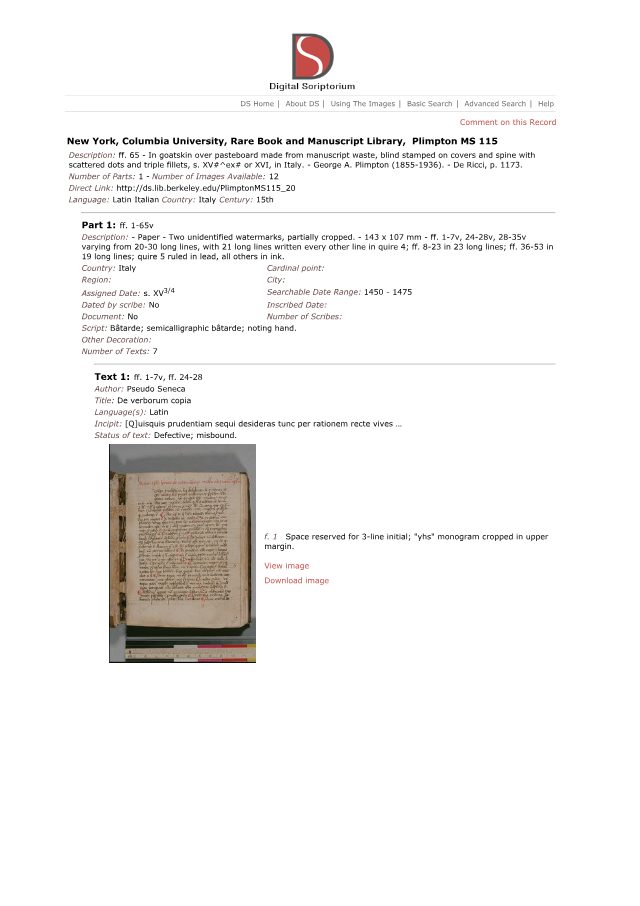
A fifteenth-century manuscript containing works attributed to Seneca, including his moral letters, copied by hand in Italy.
This manuscript copy preserves Seneca's moral letters as transmitted and studied centuries after his death.
About this source
What it is
This is a fifteenth-century paper manuscript, made in Italy around 1450-1475, now held at Columbia University's Rare Book and Manuscript Library. It contains several texts, including a work called De verborum copia, Seneca's Epistulae morales ad Lucilium (moral letters to Lucilius), sayings attributed to him, and other classical and religious material copied into the same volume.
Why it matters
Before printing, texts survived only by being copied by hand, often bound together with unrelated material like recipes or quotations from other authors. This manuscript shows how Seneca's letters and sayings were preserved, studied, and mixed with other kinds of knowledge in the centuries after his death, long before any printed edition existed.
Look closer
- Why might a scribe copy Seneca's letters alongside medical recipes and quotations from other writers?
- What does the manuscript's small size and handwriting tell you about who might have used it?
- How many centuries passed between Seneca's death and this copy — what might have been lost or changed along the way?
This book is part of the curated material that grounds the AI version of Seneca on Humy.ai — when students ask about related events, the AI can quote it and cite it.
More Seneca sources
Meet the AI Seneca →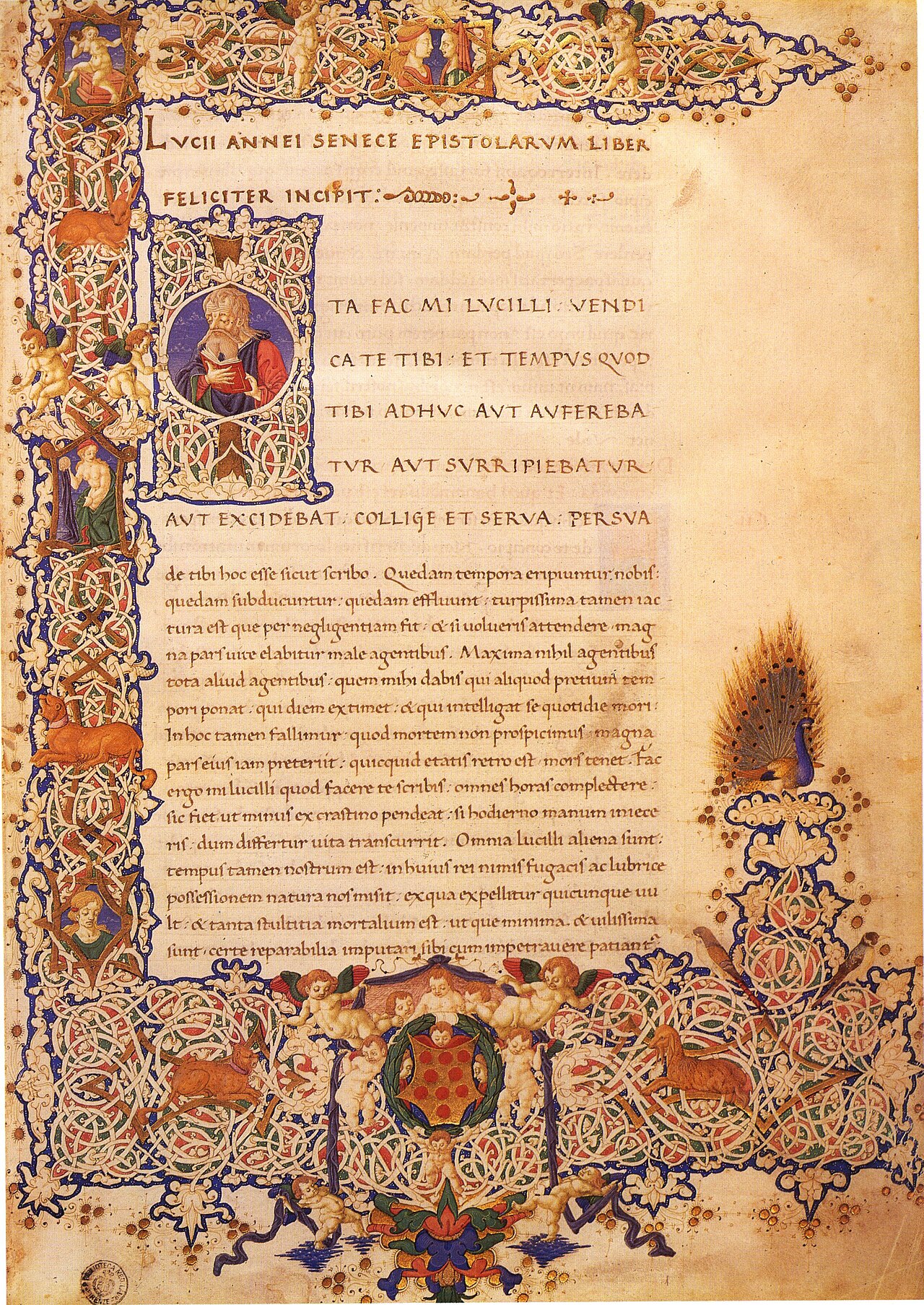 Letter
Primary source
Epistulae Morales ad Lucilium
Seneca · c. 62-65 CE
 Book
Primary source
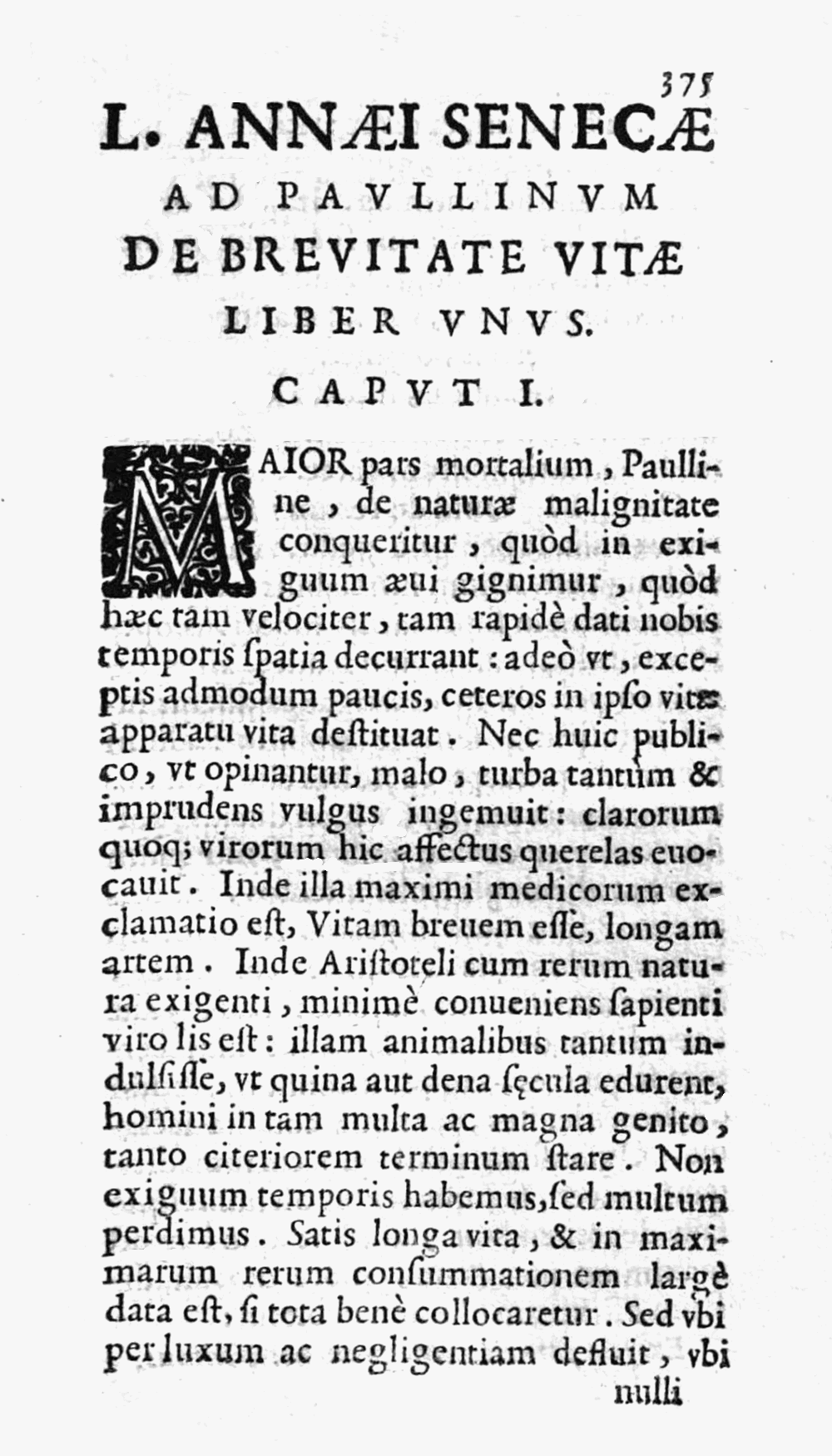
De Brevitate Vitae
Seneca · c. 49 CE
 Book
Secondary source
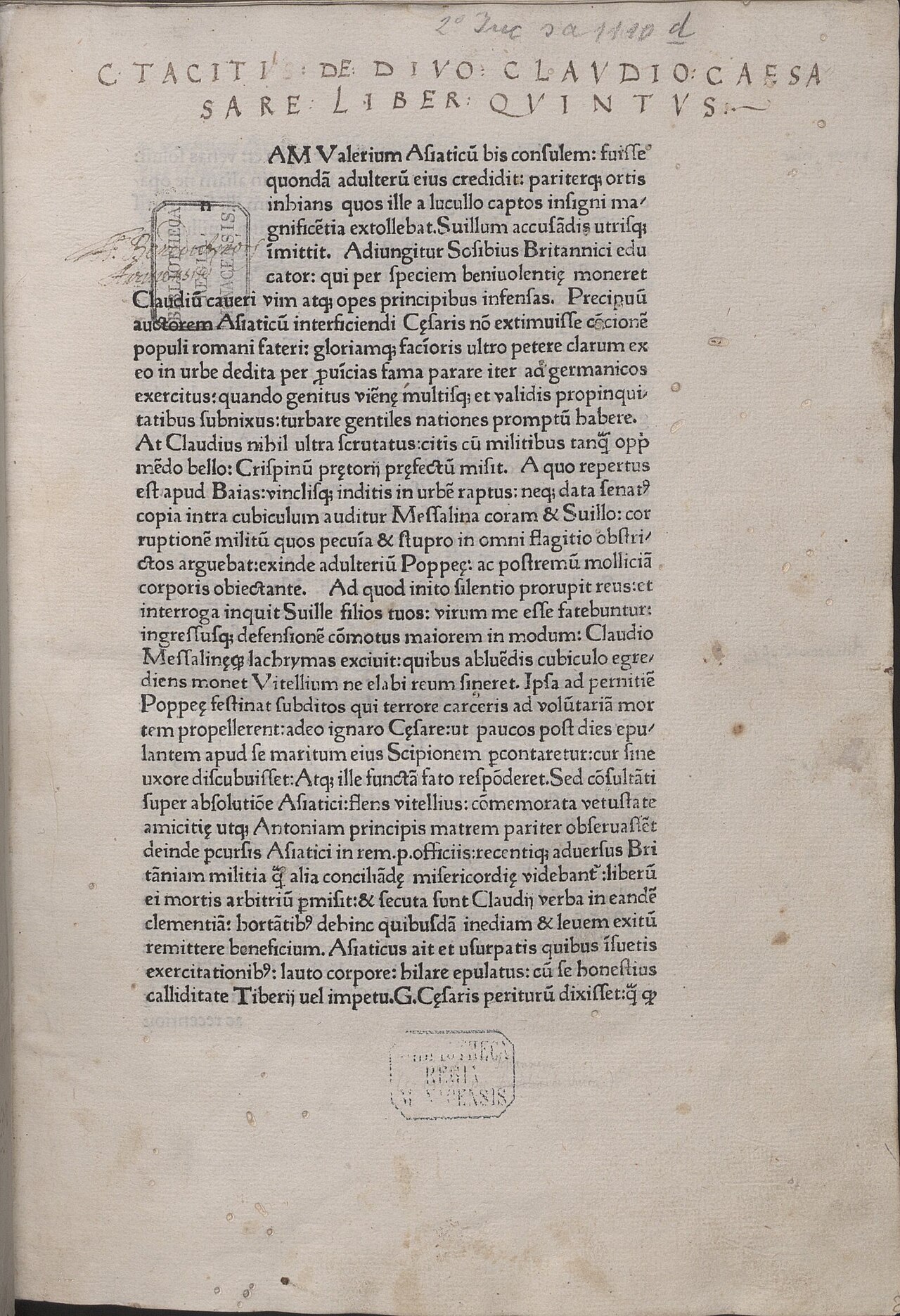
Annals
Tacitus · c. AD 116 or later
 Book
Primary source
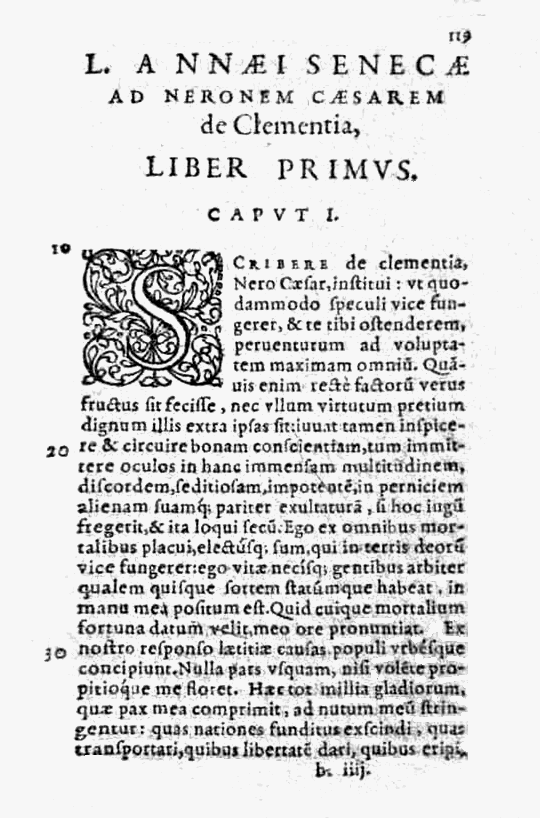
De Clementia
Seneca · 55-56 CE
 Sculpture
Secondary source
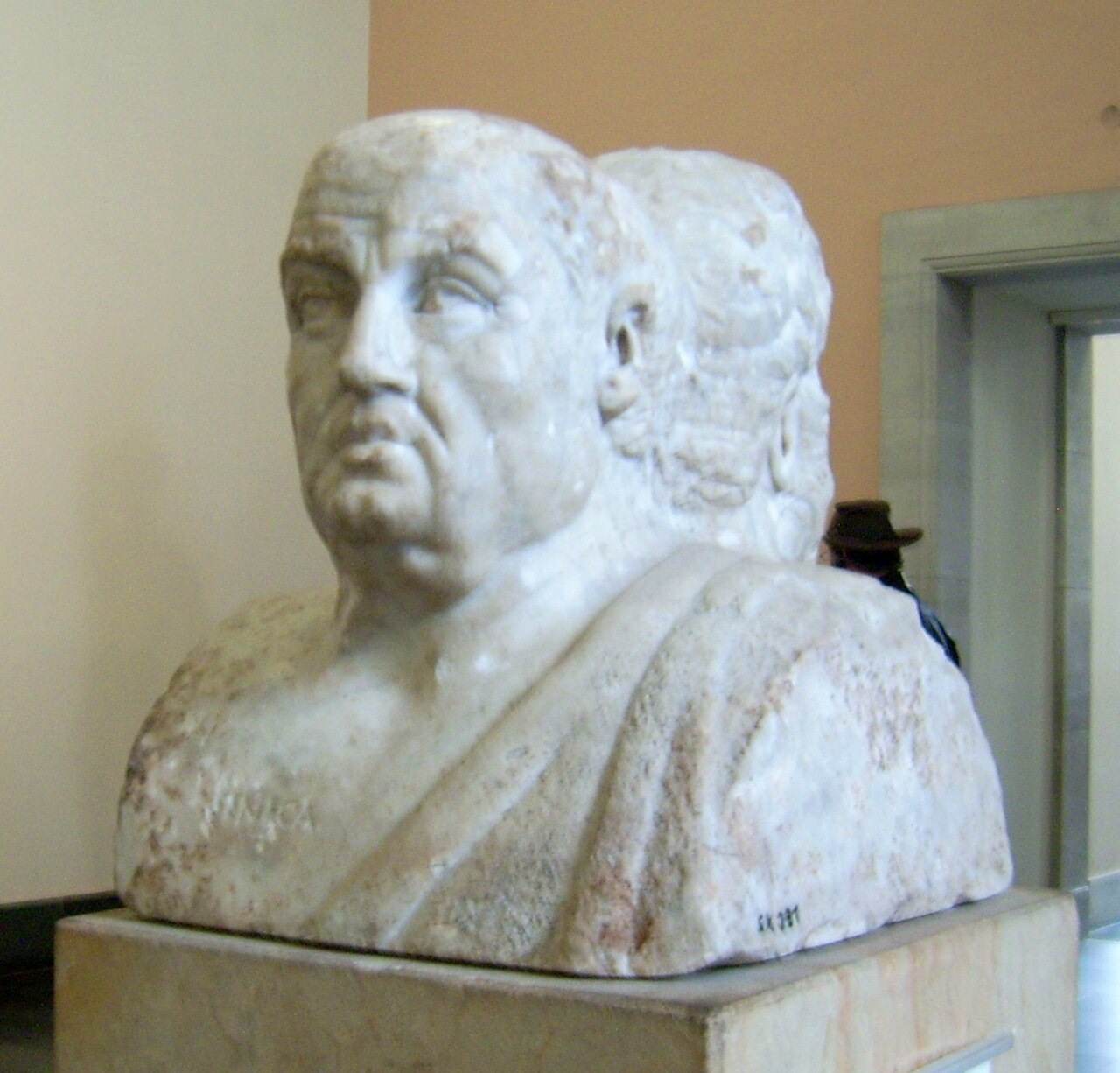
Double Herm of Socrates and Seneca
first half of the 3rd century AD
Ready when you are
Start chatting with Seneca now.
20 messages free · No credit card · Available in 50+ languages.