


Primary sourceBook
Posterior Analytics
Aristotle
A philosophical treatise by Aristotle setting out his theory of demonstration and scientific knowledge as knowledge of causes.
This is one of Aristotle's own philosophical works, setting out his theory of scientific demonstration.
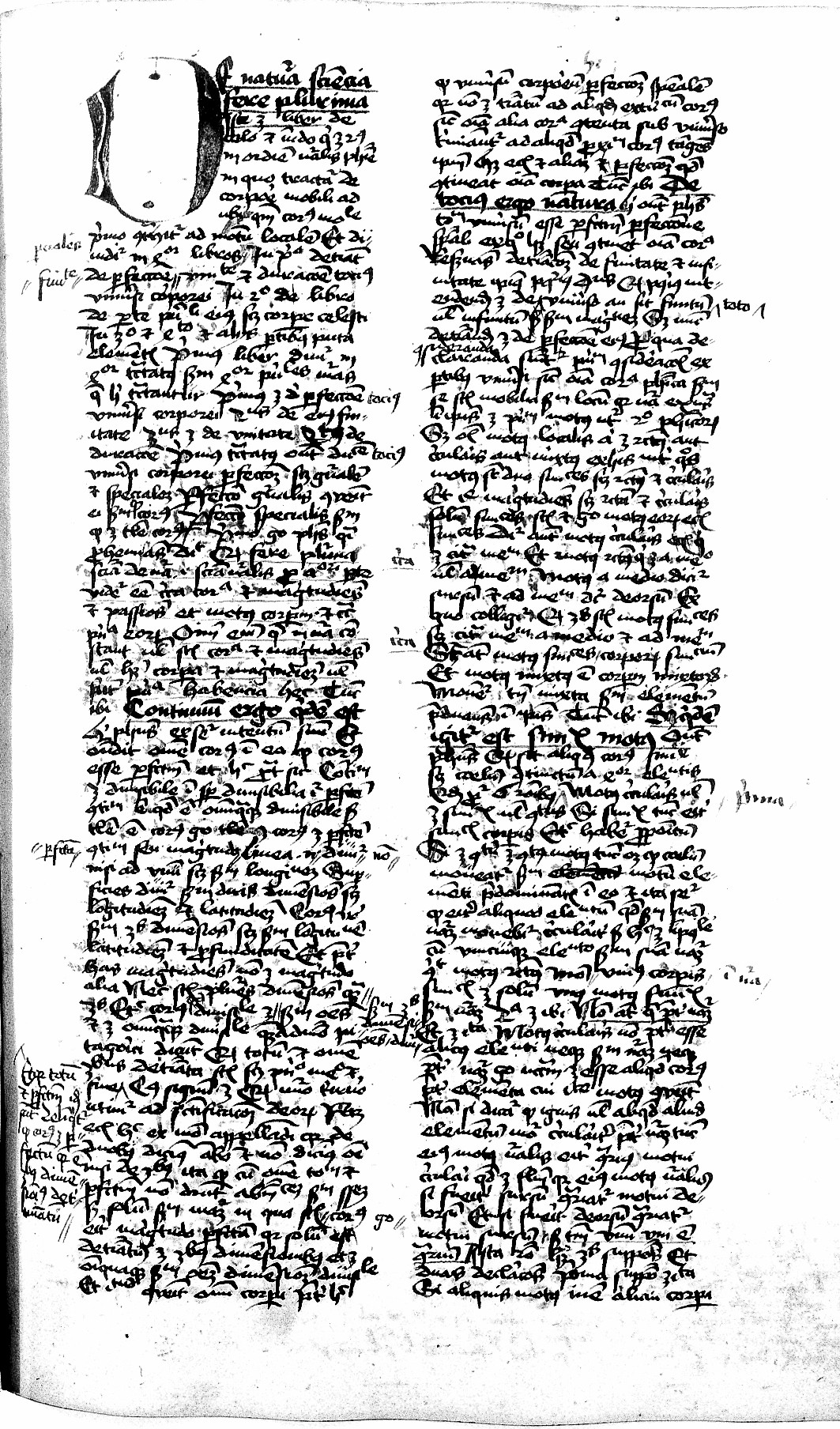
About this source
What it is
This is a text written by Aristotle, part of his collection of logical works known as the Organon. It deals with demonstration, definition and scientific knowledge, explaining how certain kinds of reasoning (syllogisms) can produce genuine scientific understanding.
Why it matters
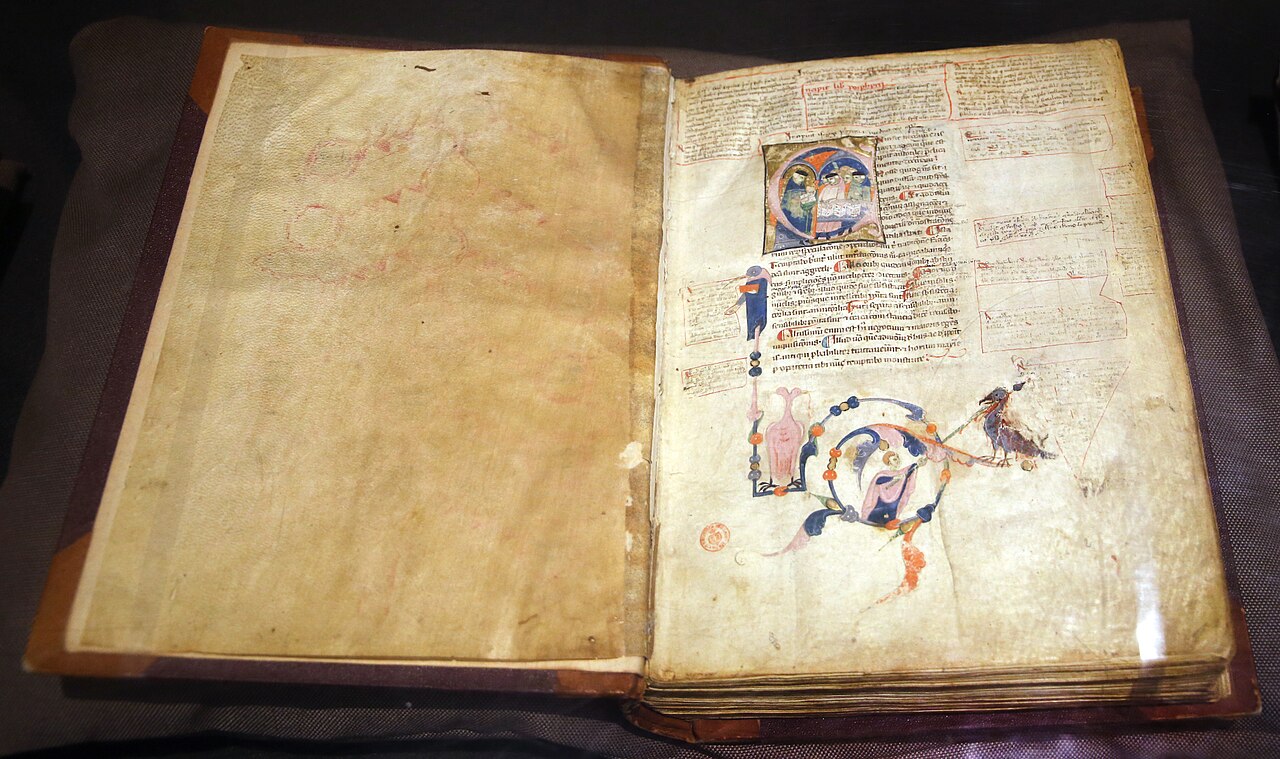
This work laid out Aristotle's idea that true scientific knowledge means knowing the causes of things, not just the facts. It introduced rules about what counts as valid demonstration and influenced centuries of later thinkers in logic and science. The manuscript page shown here is a medieval copy, made long after Aristotle's own time, showing how his ideas were preserved and studied by later scholars.
Look closer
- Why might Aristotle insist that knowledge requires understanding causes, not just facts?
- What does the survival of this text through medieval copies tell you about how ancient ideas were passed down?
- What might be lost or changed when a text is copied by hand over many centuries?
This book is part of the curated material that grounds the AI version of Aristotle on Humy.ai — when students ask about related events, the AI can quote it and cite it.
More Aristotle sources
Meet the AI Aristotle →

Ready when you are
Start chatting with Aristotle now.
20 messages free · No credit card · Available in 50+ languages.