


Primary sourceDocument9 BC
Priene Calendar Inscription
Koinon of Asia · 9 BC
A stone inscription from the Roman province of Asia recording the decision to re-base the local calendar on Augustus's birthday.
This provincial decree reshaped the calendar around Augustus's birthday, showing how his image was celebrated as divine across the empire.
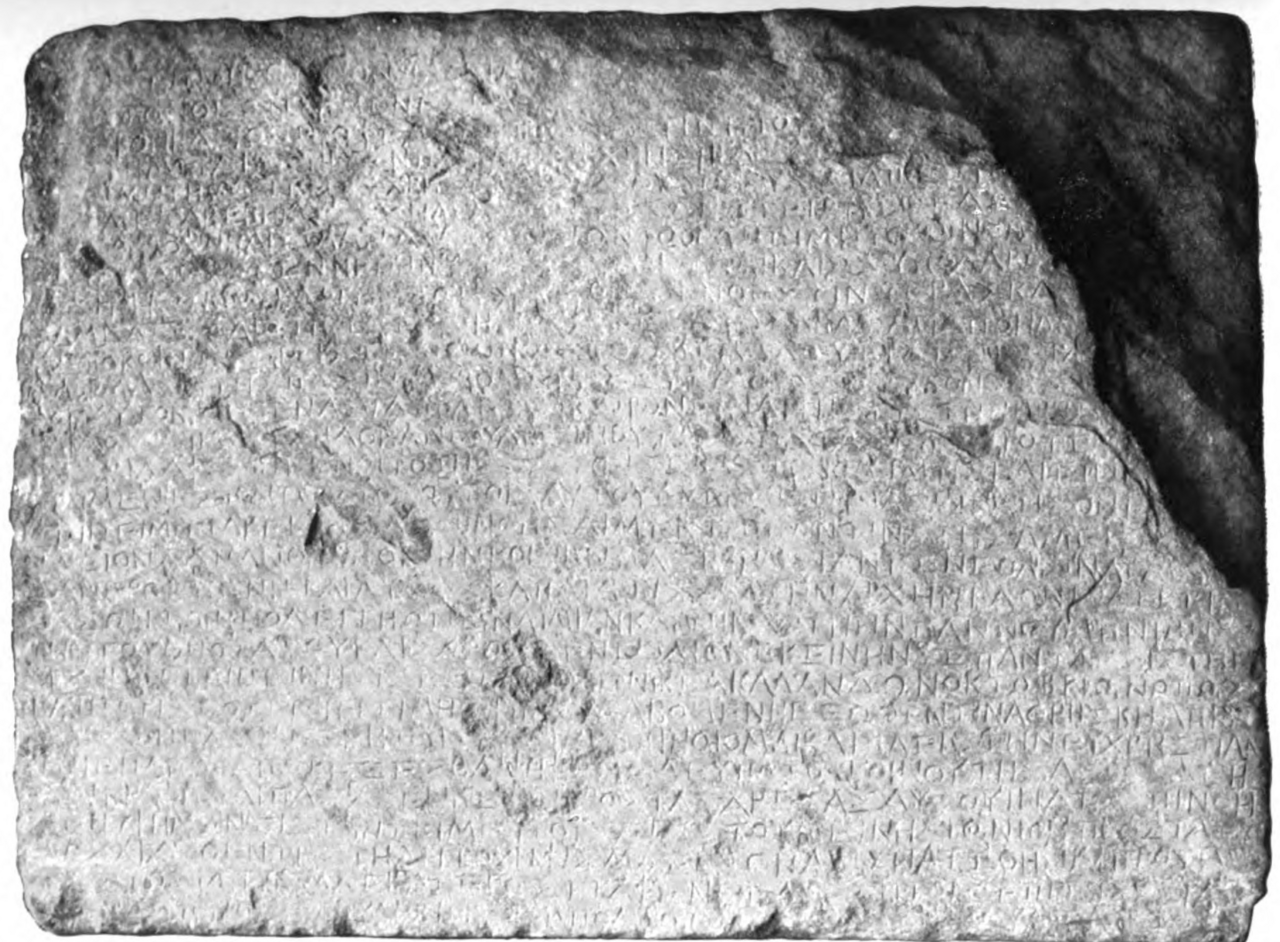
About this source
What it is
This inscribed stone, found at the ancient city of Priene in western Turkey, records an edict by the proconsul Paullus Fabius Maximus and a decree by the provincial assembly of Asia, both from 9 BC. Fragments are now held in the Pergamon Museum in Berlin.
Why it matters
The inscription changed the provincial calendar so the new year began on Augustus's birthday, calling his birth good news for the world. It shows how provincial leaders in Asia honoured Augustus almost as a divine saviour figure, revealing how ruler worship spread through the empire even though it was not something Augustus directly wrote.
Look closer
- Who actually wrote this text, and why might they want to flatter the emperor?
- What does calling Augustus's birthday 'good news' tell you about how people talked about rulers at the time?
- What is missing from this official, celebratory text?
This document is part of the curated material that grounds the AI version of Augustus on Humy.ai — when students ask about related events, the AI can quote it and cite it.
More Augustus sources
Meet the AI Augustus →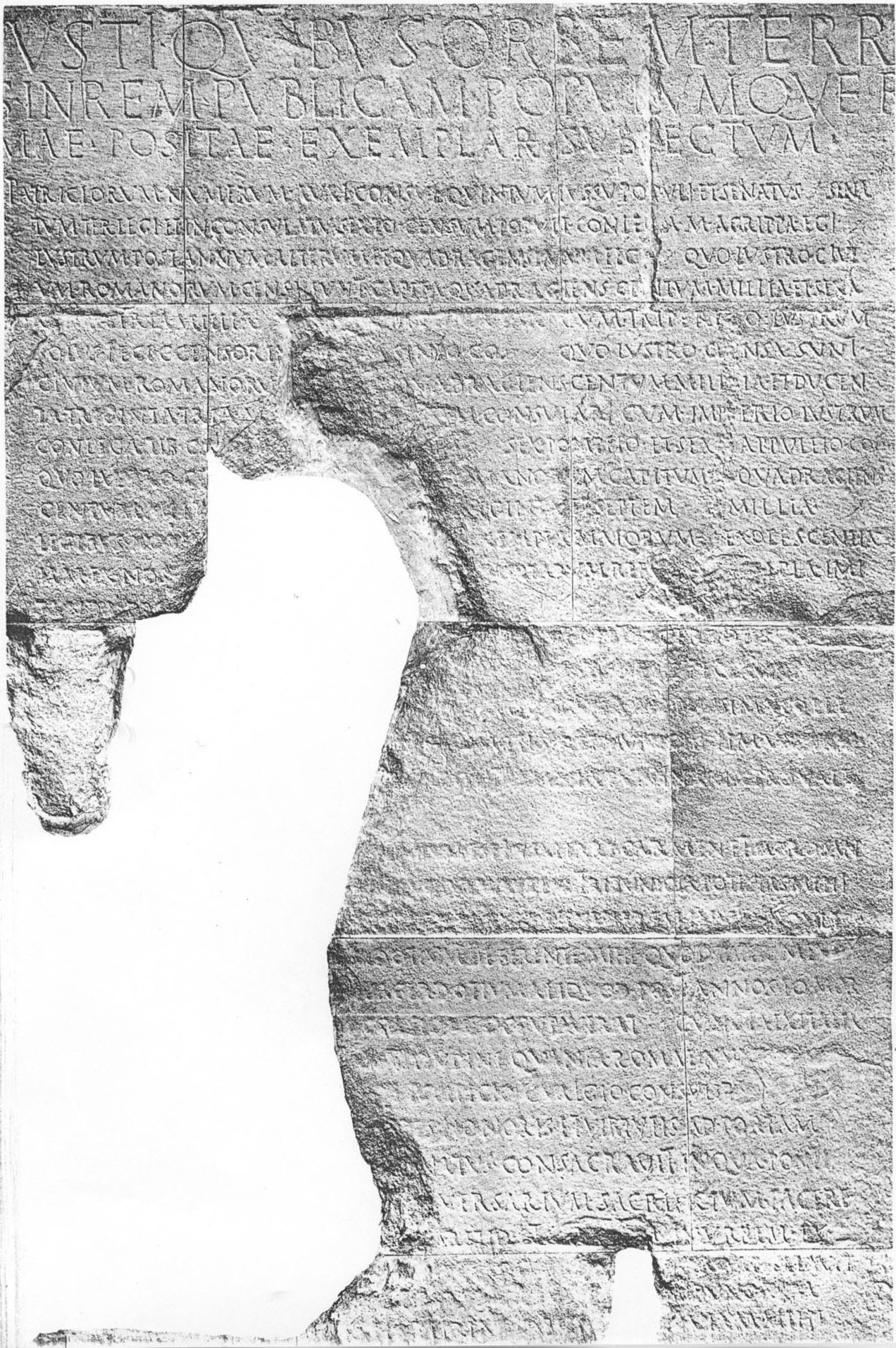 Document
Primary source
Res Gestae Divi Augusti
Augustus · 14 AD
 Painting
Secondary source
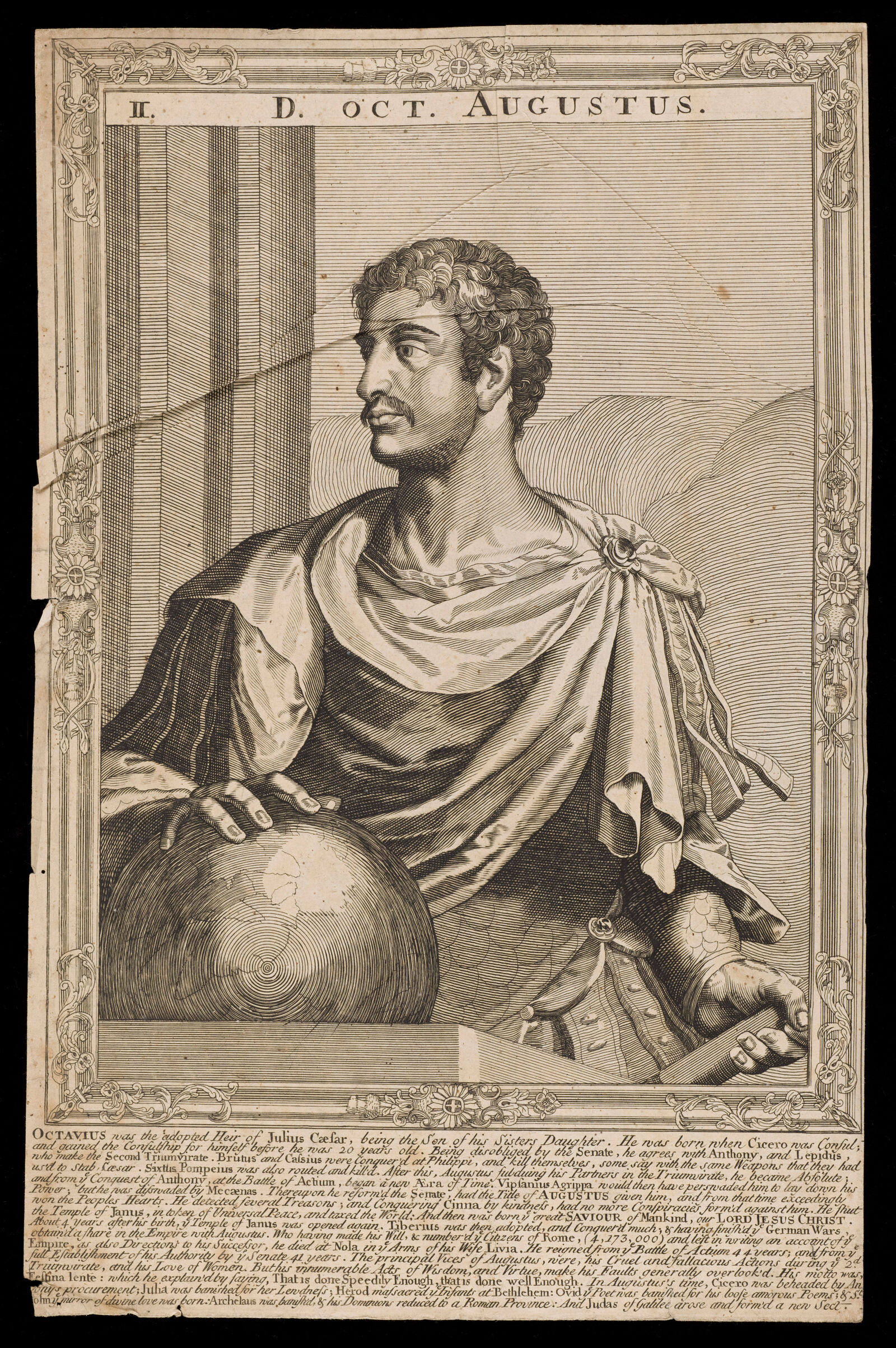
Emperor Augustus with Globe
After Titian (engraving by A. Sadeler, after Titian) · between 1700 and 1799 (possibly 17th century)
 Sculpture
Primary source
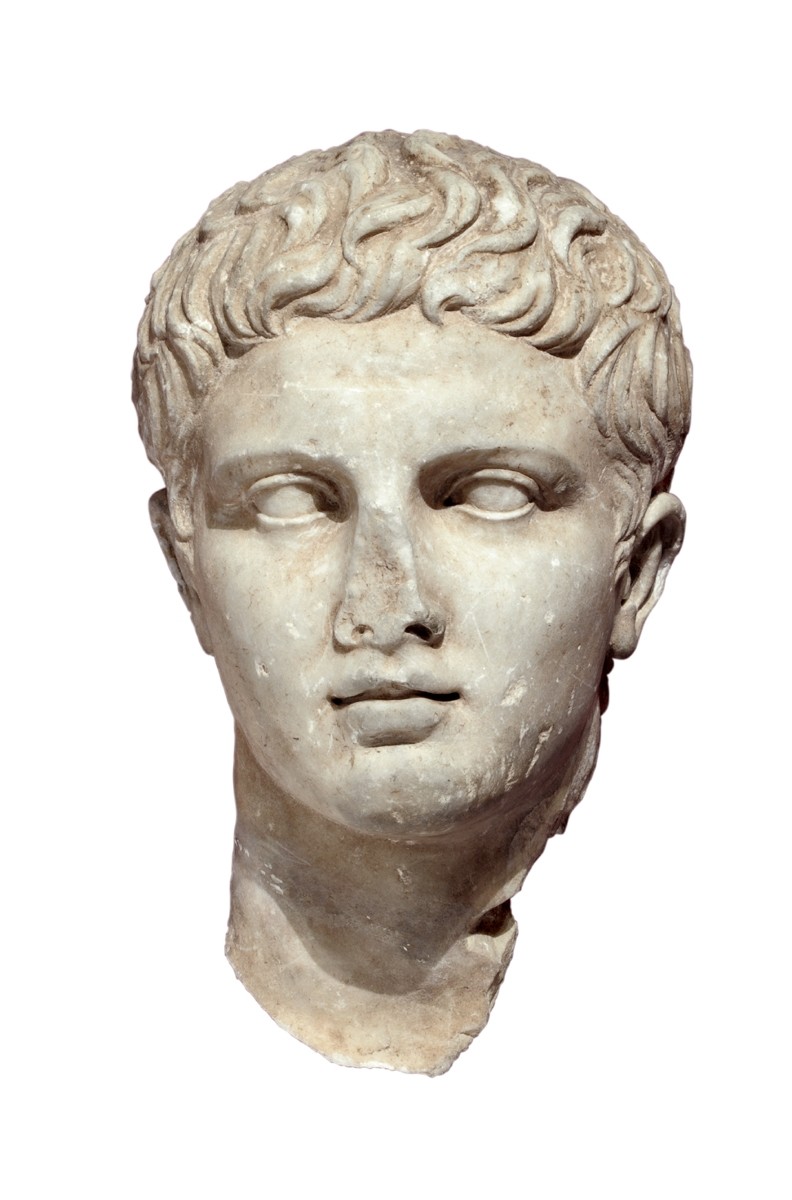
Relief Head of the Young Augustus
 Sculpture
Secondary source
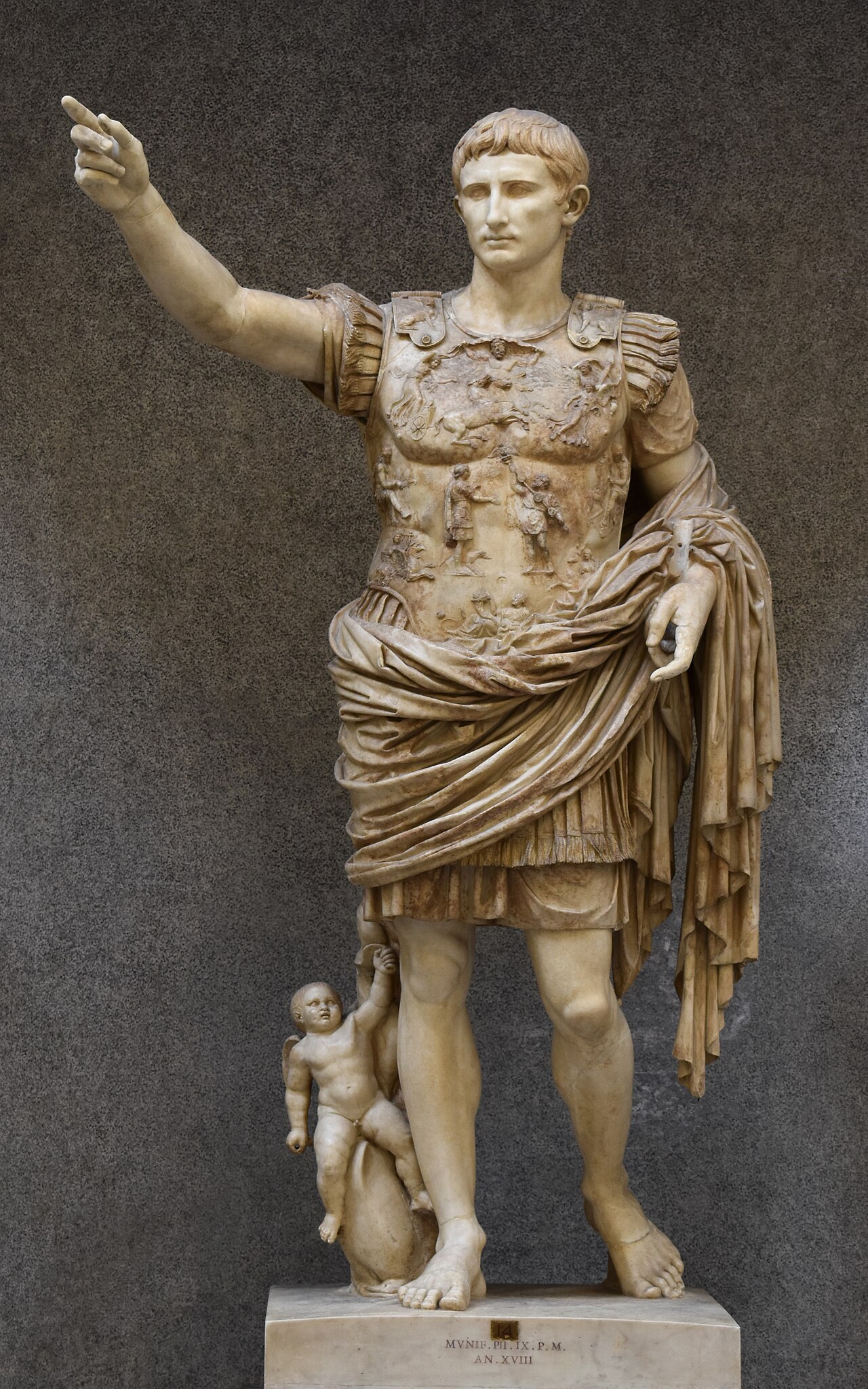
Augustus of Prima Porta
c. 19 BCE or later
 Artifact
Primary source
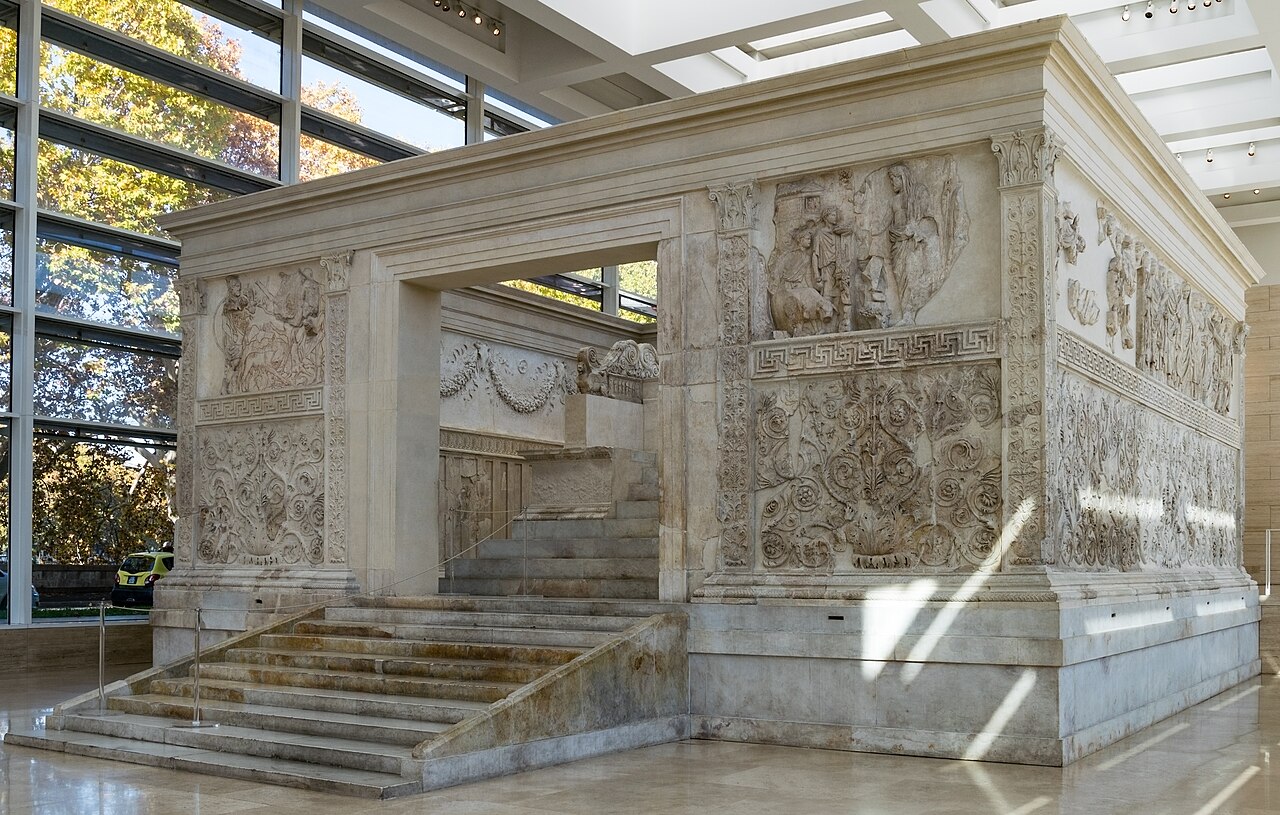
Ara Pacis
13-9 BCE
Ready when you are
Start chatting with Augustus now.
20 messages free · No credit card · Available in 50+ languages.