


Primary sourceBookc. 350 BCE
Prior Analytics
Aristotle · c. 350 BCE
Aristotle's treatise introducing the theory of the syllogism, the earliest systematic formal logic.
This is Aristotle's foundational work on logic, where he first set out the theory of the syllogism.
About this source
What it is
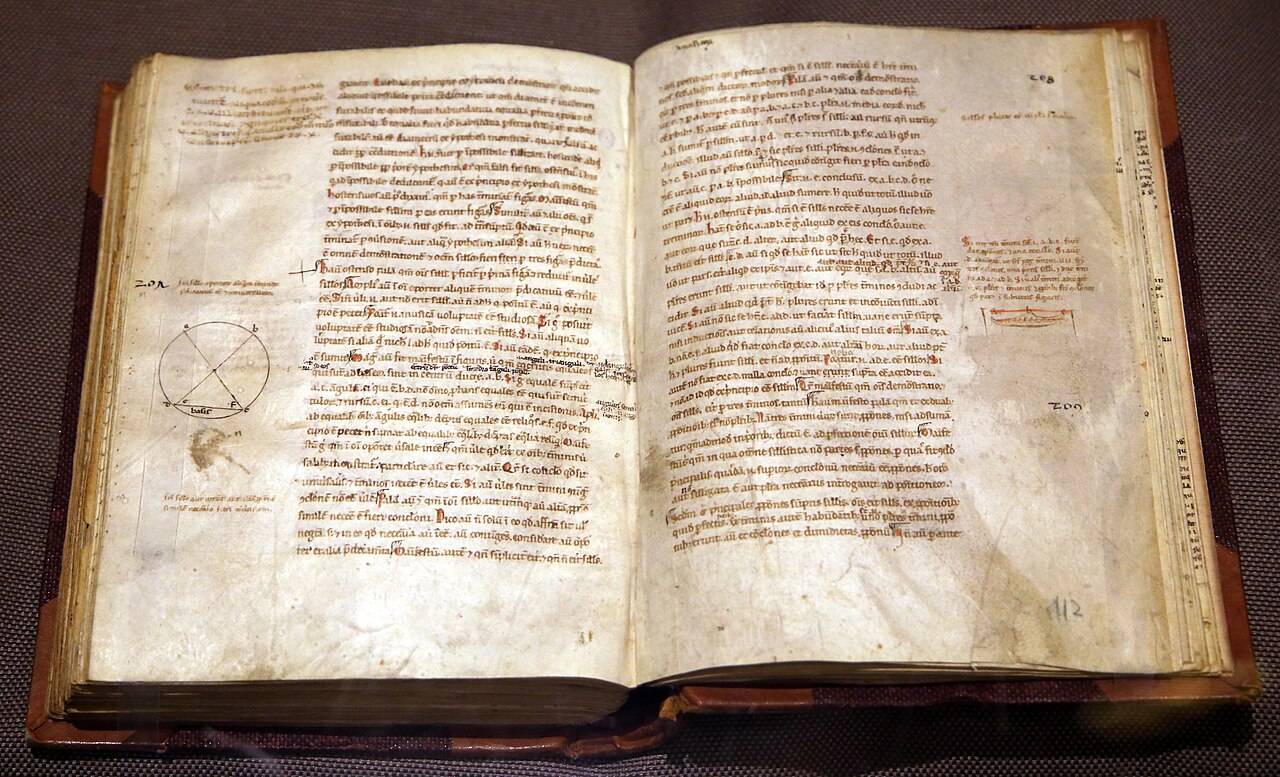
Written by Aristotle around 350 BCE, this work is part of the Organon and lays out his theory of deduction, known as syllogistic logic. It defines key terms like premise, term and syllogism, and explains how conclusions can be validly drawn from premises.
Why it matters
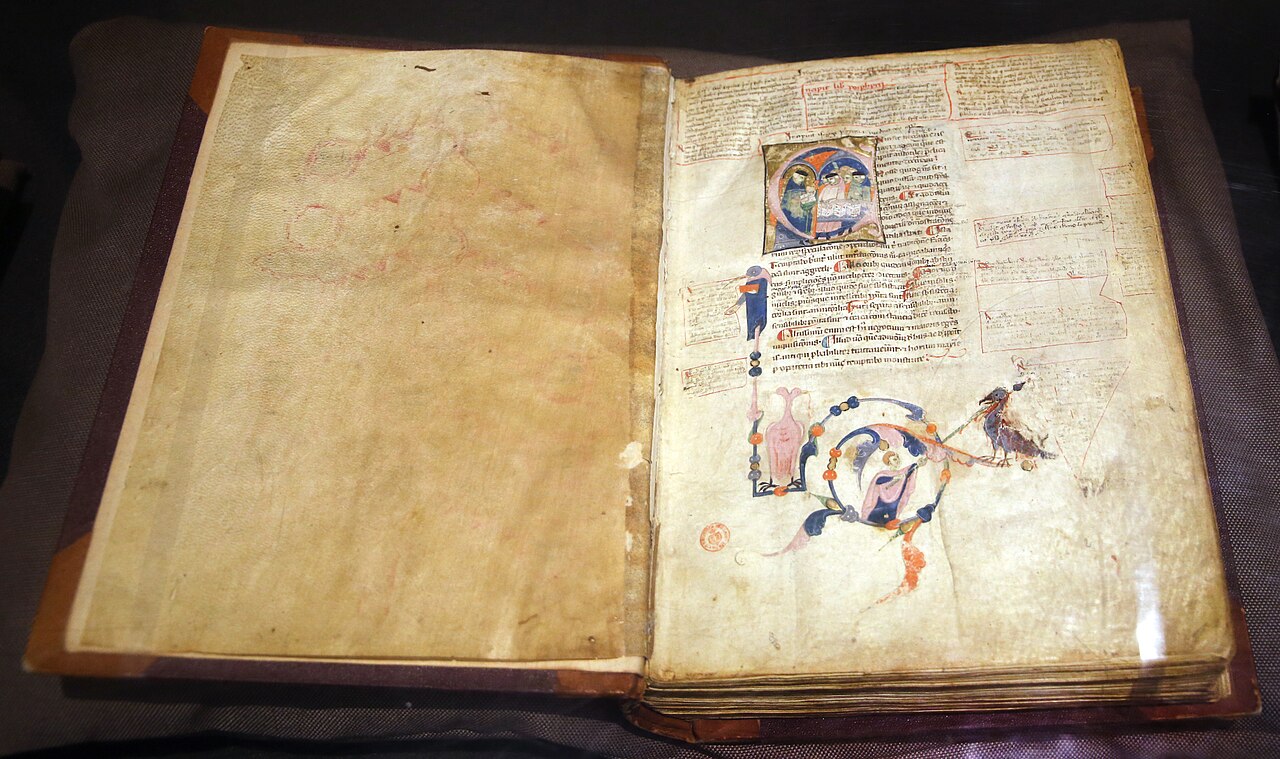
This is considered the first systematic treatment of formal logic in the Western tradition. Aristotle's three figures of the syllogism, later given mnemonic names by medieval scholars, became the foundation for the study of logic for nearly two thousand years. The manuscript shown is a medieval copy made centuries after Aristotle, showing how his logical system was preserved and studied by later generations.
Look closer
- Why might a system for checking whether an argument is valid have been so important to ancient and medieval scholars?
- What might be gained or lost when a text like this is copied by hand across many centuries?
- Can you think of an example of a syllogism from everyday reasoning?
This book is part of the curated material that grounds the AI version of Aristotle on Humy.ai — when students ask about related events, the AI can quote it and cite it.
More Aristotle sources
Meet the AI Aristotle →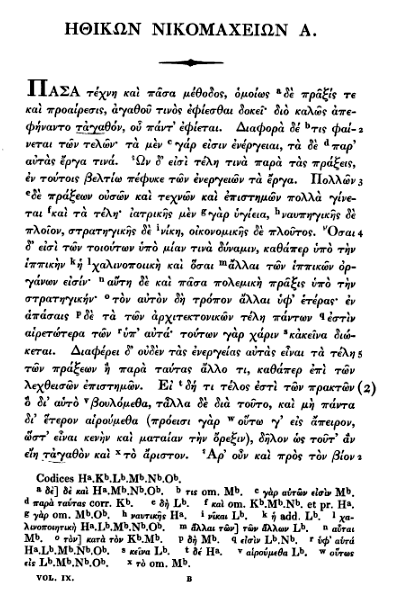


Ready when you are
Start chatting with Aristotle now.
20 messages free · No credit card · Available in 50+ languages.