


Primary sourceDocument1907 (transcription of ancient original)
Rassam Cylinder, Tar-qu-u Section
Theophilus Goldridge Pinches · 1907 (transcription of ancient original)
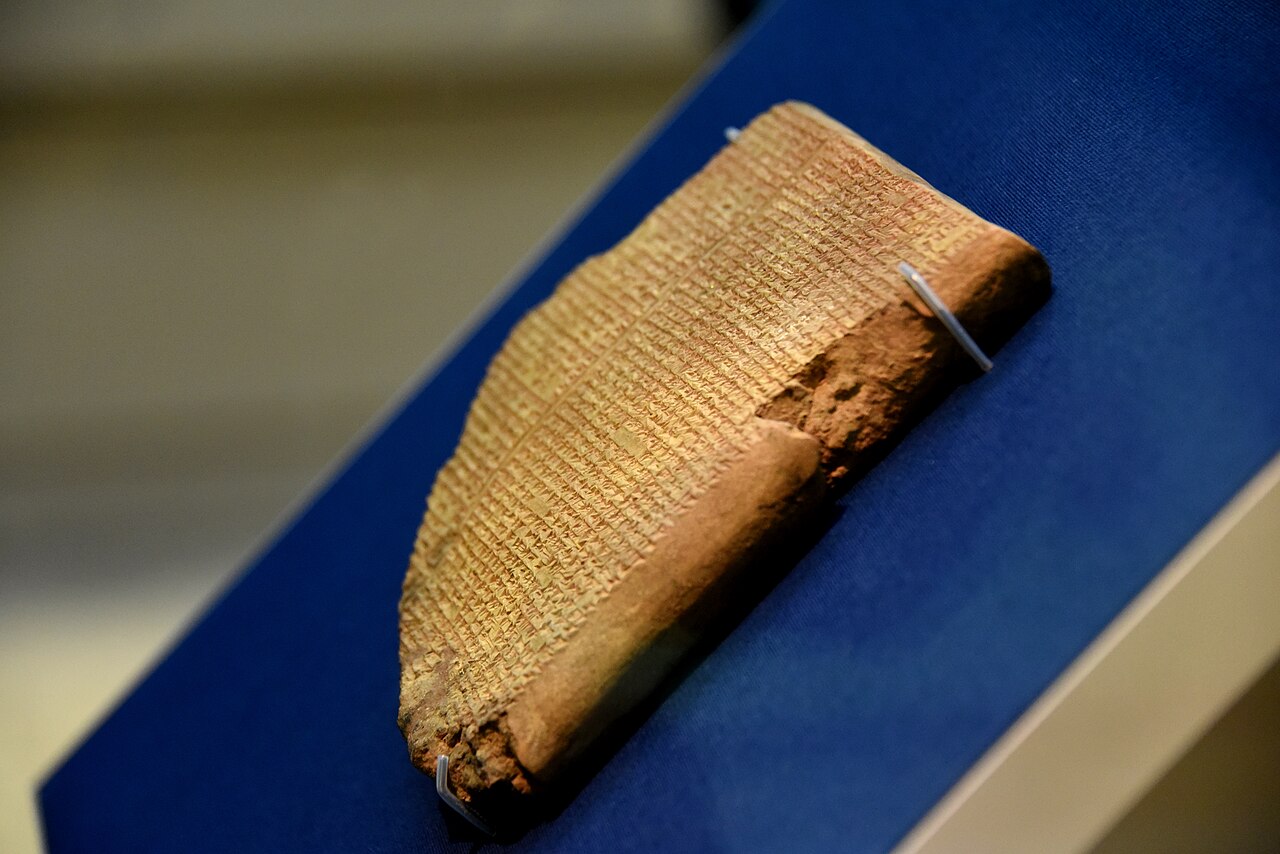
A section of cuneiform text from Ashurbanipal's own Rassam cylinder, copied by scholar Theophilus Pinches in 1907.
This is a scholarly transcription of part of Ashurbanipal's own royal inscription on the Rassam cylinder.

About this source
What it is
This image shows a section of cuneiform writing from the Rassam cylinder, a royal inscription of the Assyrian king Ashurbanipal. It was transcribed by the scholar Theophilus Pinches in 1907 for academic study.
Why it matters
The Rassam cylinder preserves Ashurbanipal's own account of his reign and campaigns. Work by scholars such as Pinches allowed historians to read and translate these ancient Assyrian records, giving us direct evidence of how Ashurbanipal described his own rule.
Look closer
- How are the wedge-shaped signs arranged, and what might that tell us about how the text was written?
- Why is it important that this text comes from Ashurbanipal himself rather than a later writer?
- What can't we learn just from looking at a few signs out of the whole inscription?
This document is part of the curated material that grounds the AI version of Ashurbanipal on Humy.ai — when students ask about related events, the AI can quote it and cite it.
More Ashurbanipal sources
Meet the AI Ashurbanipal →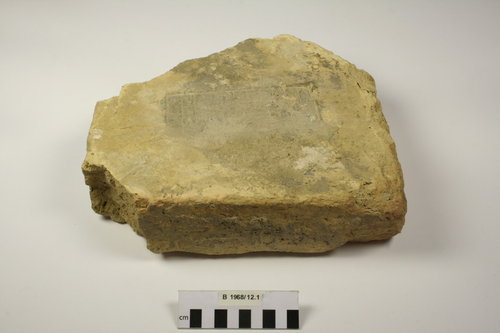 Artifact
Primary source
Baked Brick Naming King Ashurbanipal
7th century BCE
 Sculpture
Primary source
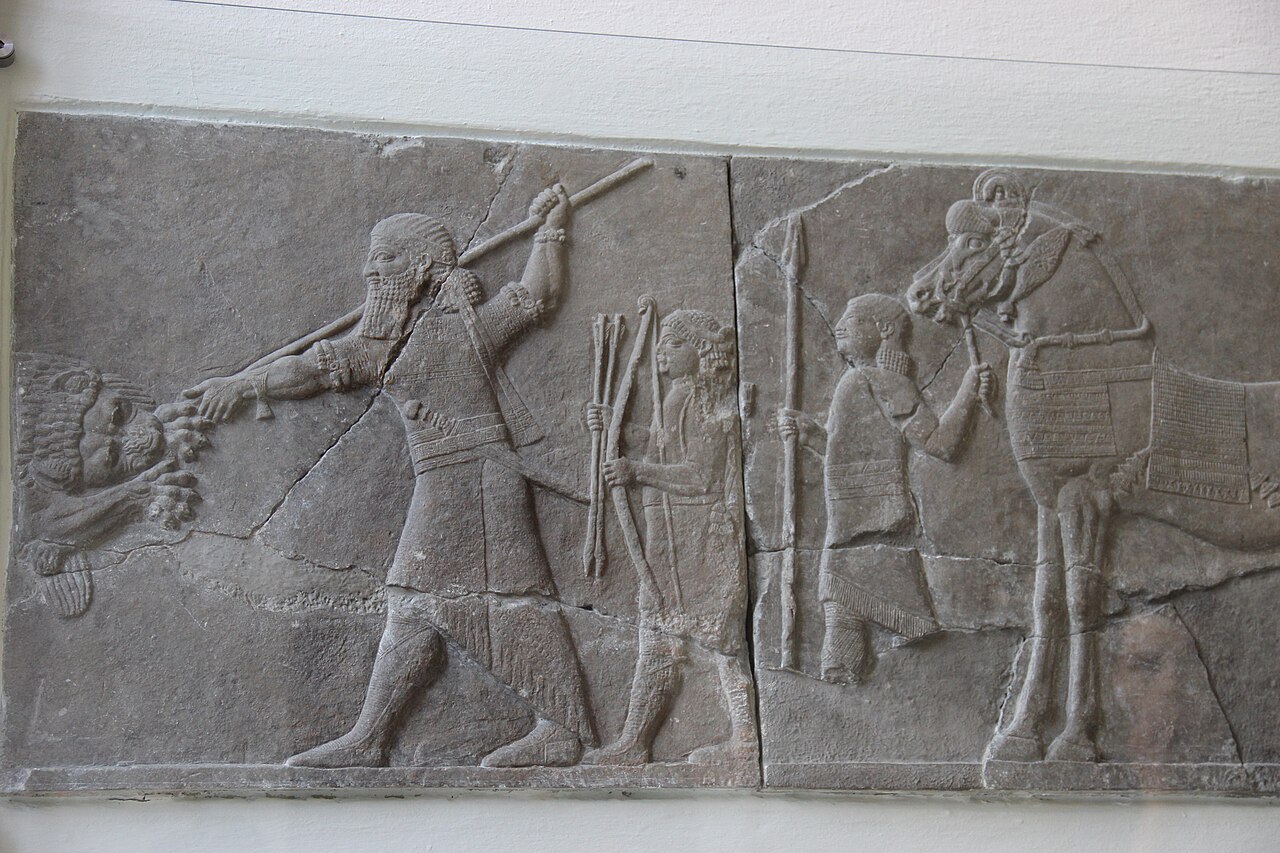
Lion Hunt of Ashurbanipal
Assyrian royal sculptors · c. 645–635 BCE
 Document
Primary source
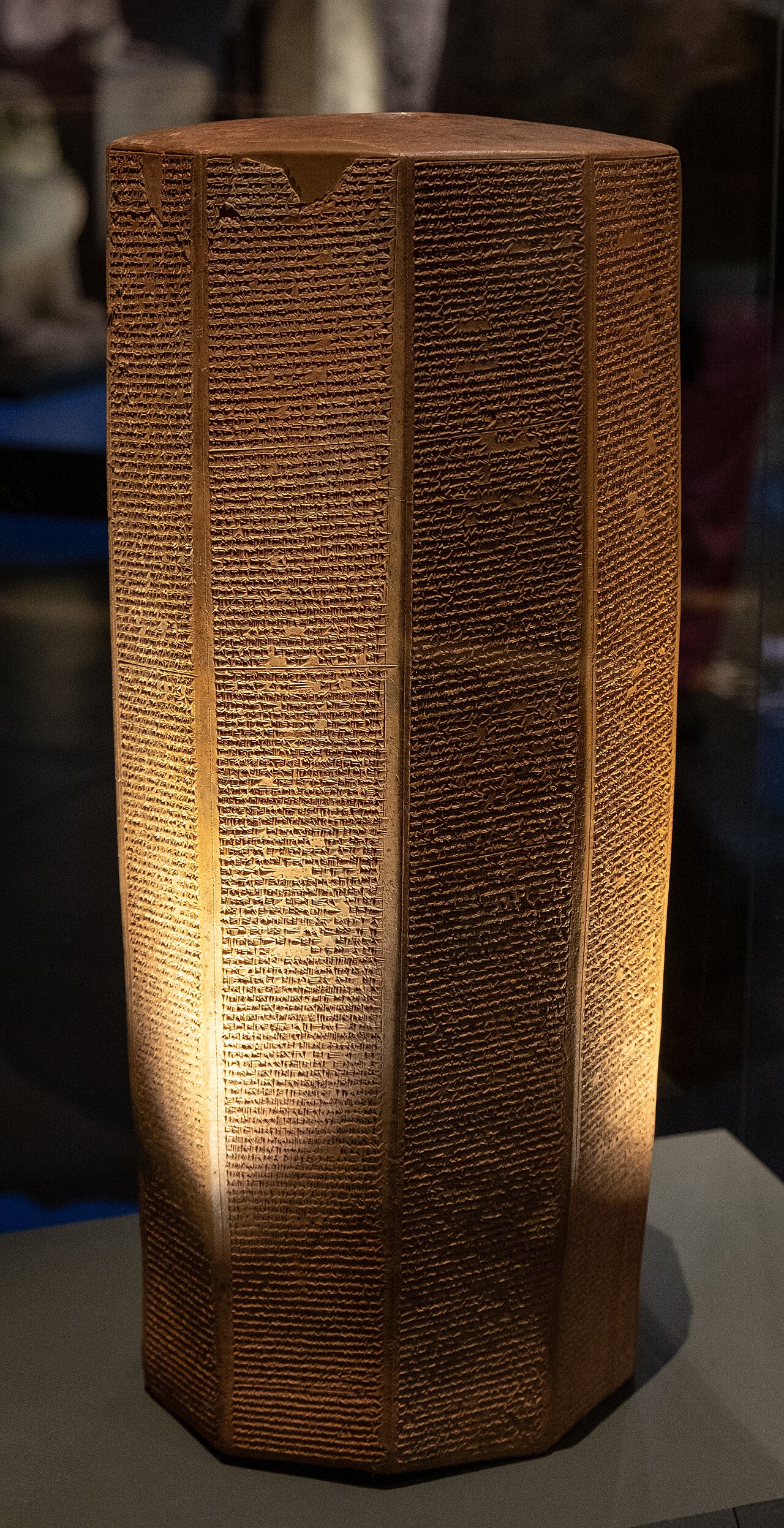
Rassam Prism of Ashurbanipal
643 BCE
 Painting
Secondary source
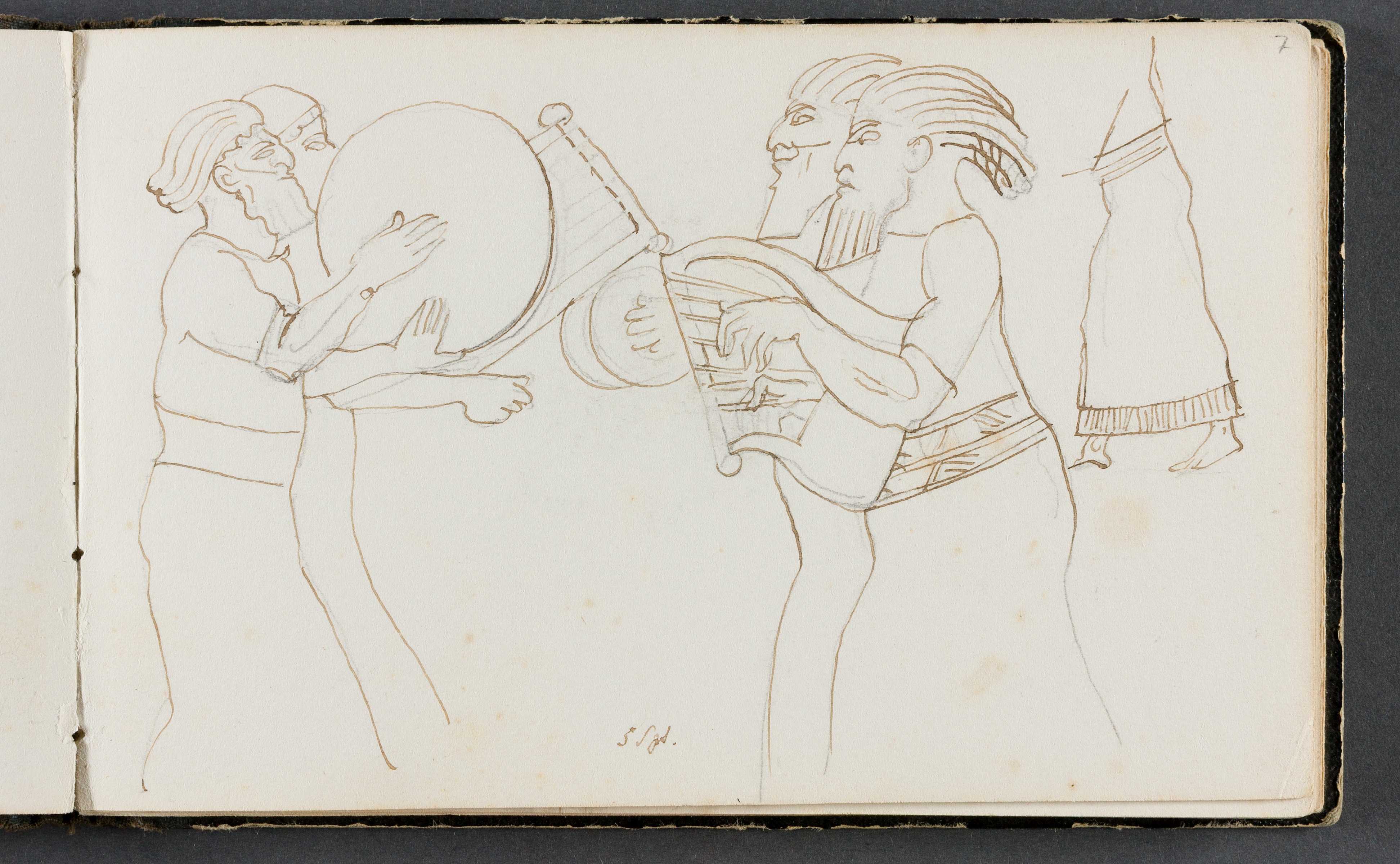
Relief with Musicians from the Palace of Ashurbanipal in Nineveh
 Document
Primary source
Flood Tablet
Scribes of Ashurbanipal's library · 7th century BCE
Ready when you are
Start chatting with Ashurbanipal now.
20 messages free · No credit card · Available in 50+ languages.