


Primary sourceDocument1907 (transcription of ancient original)
Rassam Cylinder, Urdamanee Section
Theophilus Goldridge Pinches · 1907 (transcription of ancient original)
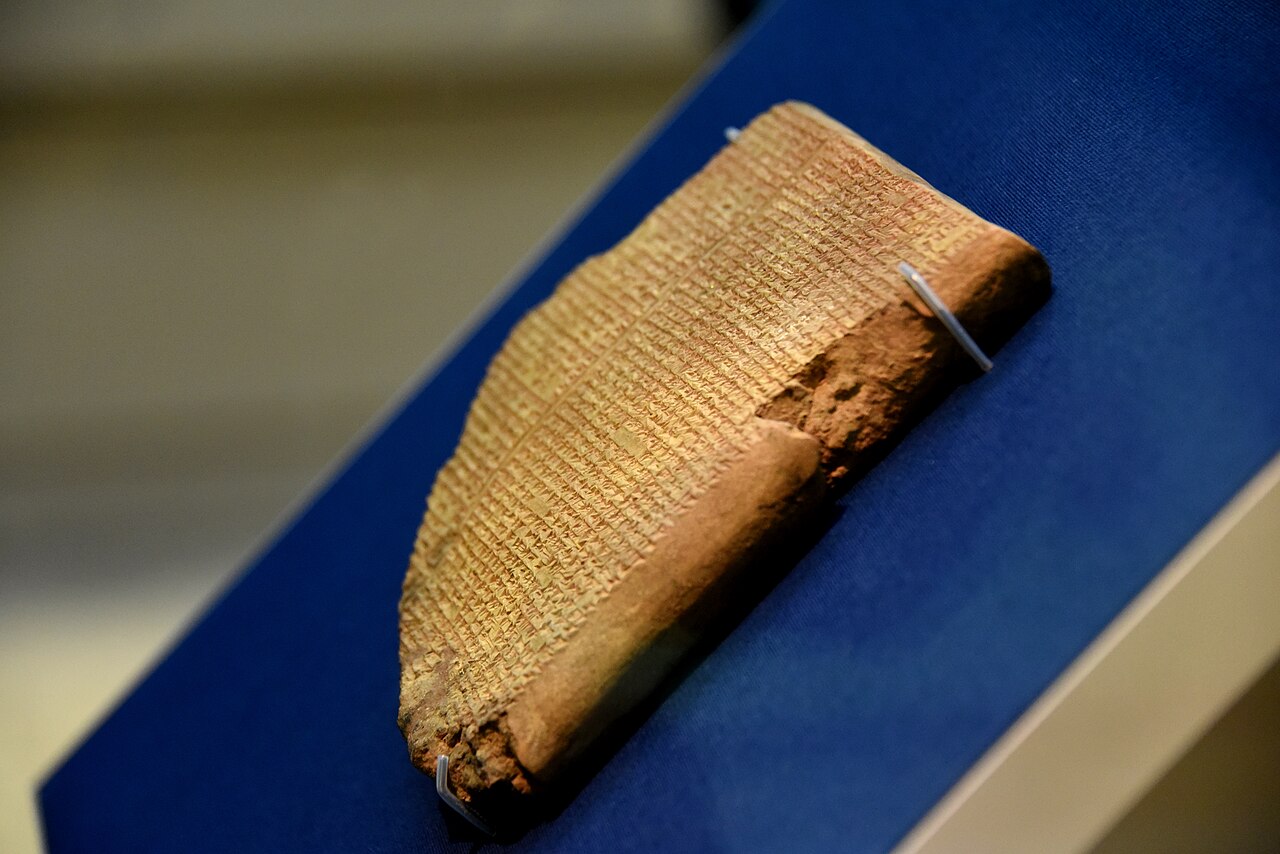
A section of cuneiform text from Ashurbanipal's own Rassam cylinder, recording his Egyptian and Elamite campaigns, copied by Theophilus Pinches in 1907.
This is a scholarly transcription of Ashurbanipal's own account of his Egyptian and Elamite campaigns.

About this source
What it is
This image shows cuneiform signs from the Rassam cylinder, part of Ashurbanipal's own royal inscription describing his campaigns in Egypt and Elam. The text was transcribed by scholar Theophilus Pinches in 1907.
Why it matters
This section of the cylinder records Ashurbanipal's military actions beyond Assyria's borders. Because it comes from his own inscription, it is a primary source for how the king wanted his conquests remembered, and scholarly transcriptions like this one helped make the ancient text accessible to later readers.
Look closer
- What do you notice about how the wedge signs are grouped and spaced?
- Why might a king record his wars abroad in such permanent form, carved into clay?
- What questions does this fragment leave unanswered about the actual campaigns?
This document is part of the curated material that grounds the AI version of Ashurbanipal on Humy.ai — when students ask about related events, the AI can quote it and cite it.
More Ashurbanipal sources
Meet the AI Ashurbanipal →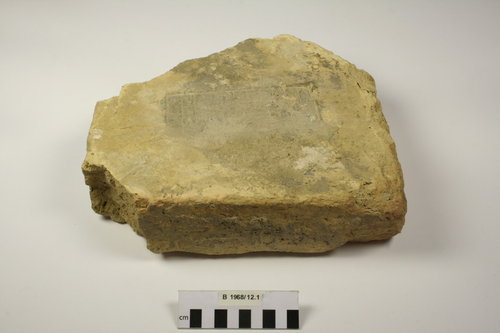 Artifact
Primary source
Baked Brick Naming King Ashurbanipal
7th century BCE
 Sculpture
Primary source
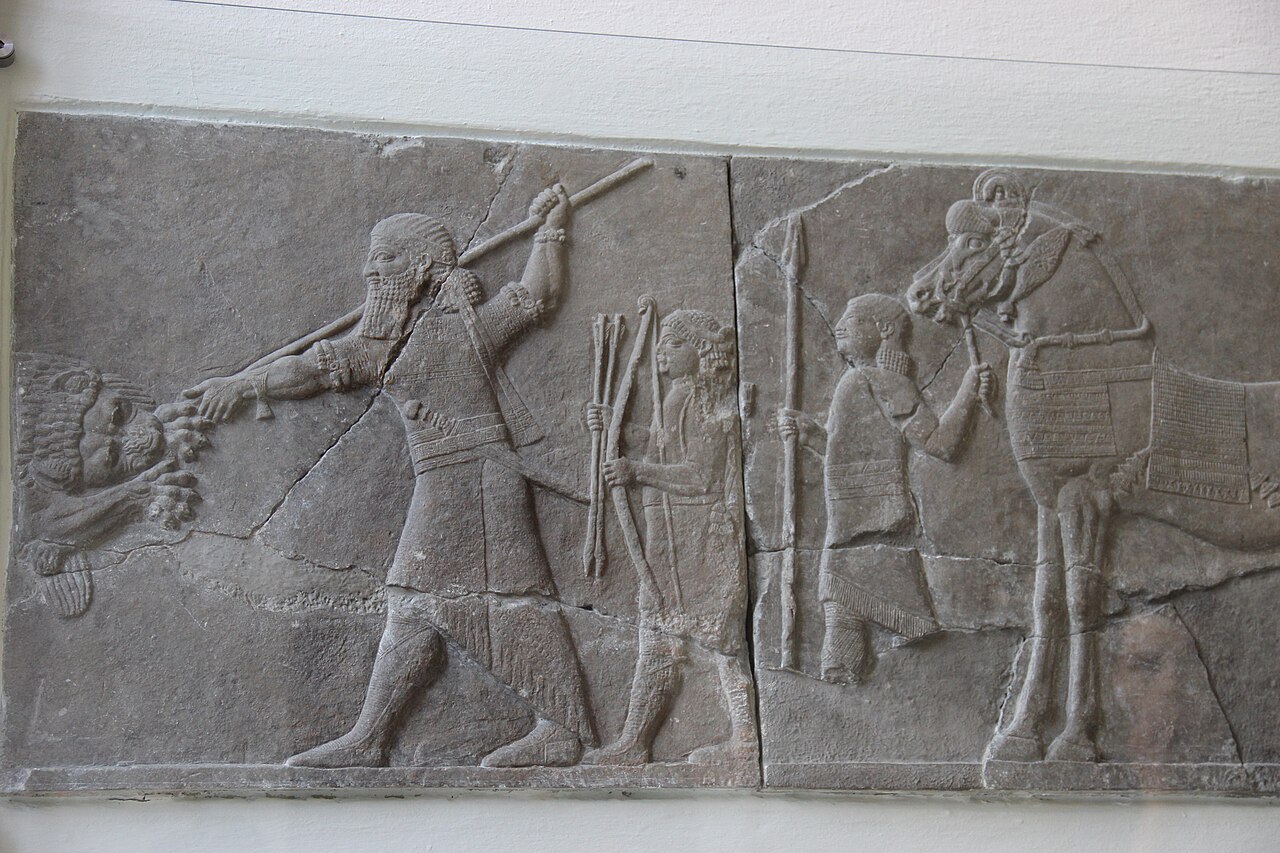
Lion Hunt of Ashurbanipal
Assyrian royal sculptors · c. 645–635 BCE
 Document
Primary source
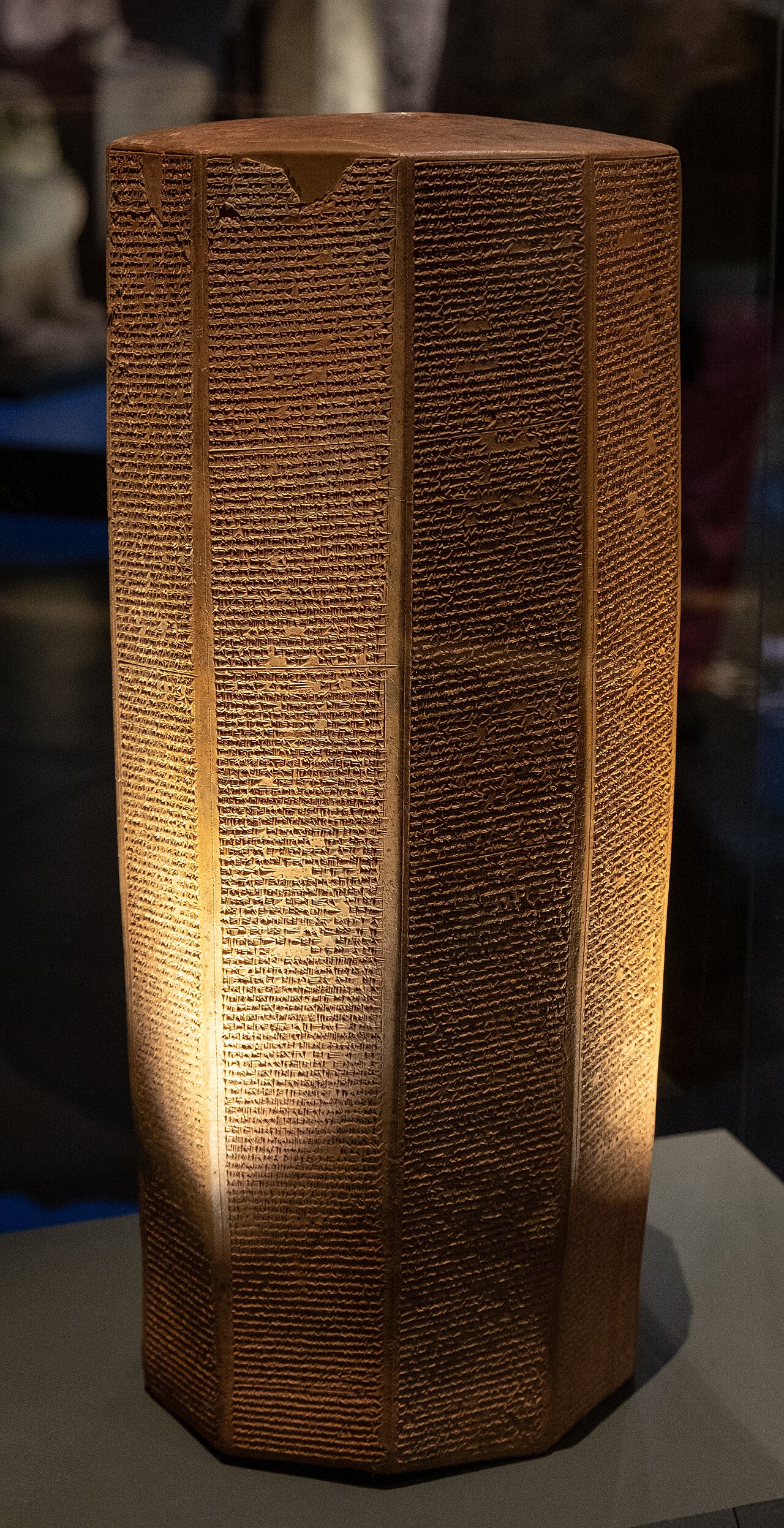
Rassam Prism of Ashurbanipal
643 BCE
 Painting
Secondary source
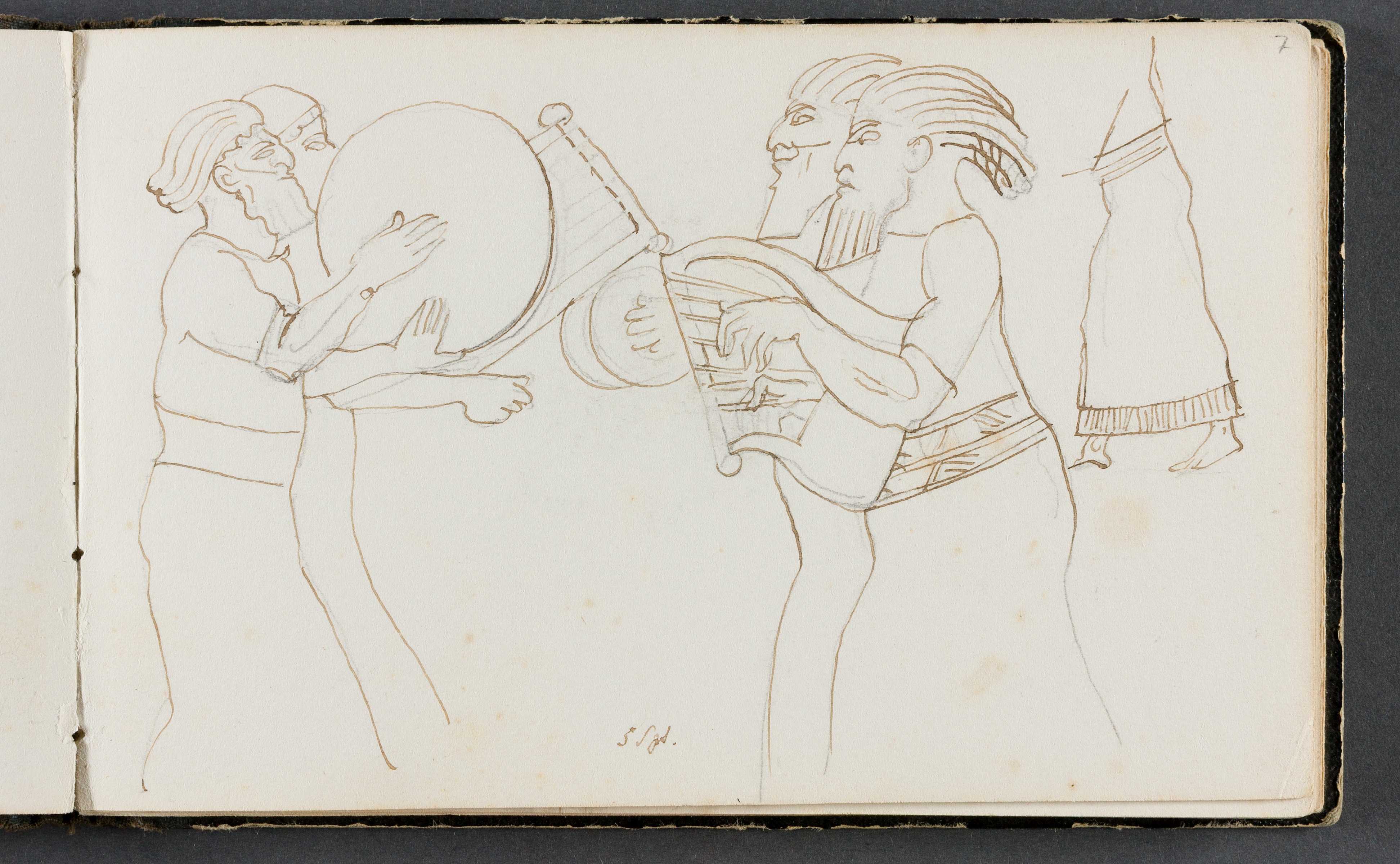
Relief with Musicians from the Palace of Ashurbanipal in Nineveh
 Document
Primary source
Flood Tablet
Scribes of Ashurbanipal's library · 7th century BCE
Ready when you are
Start chatting with Ashurbanipal now.
20 messages free · No credit card · Available in 50+ languages.