


Secondary sourceSculpturec. 5th century CE
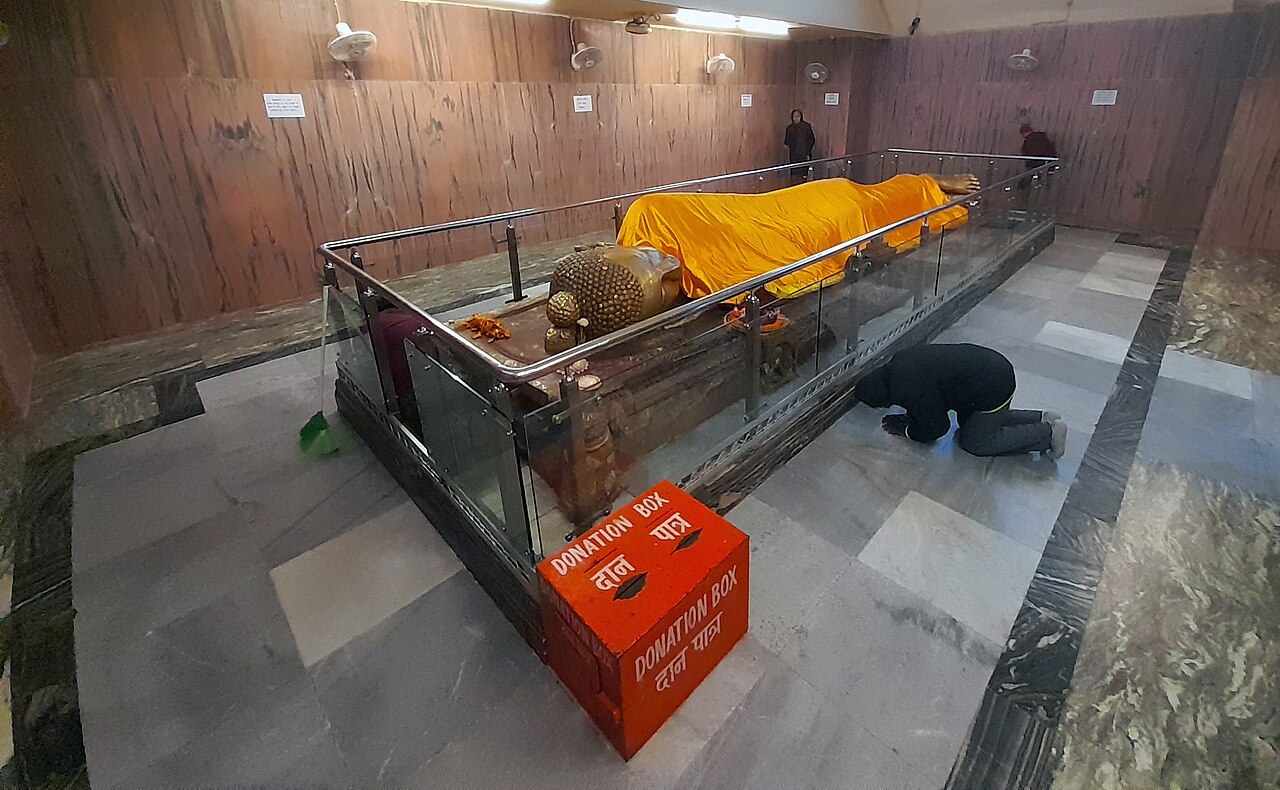
Reclining Buddha Statue, Mahaparinirvana Temple
Dinna · c. 5th century CE
A 5th-century reclining statue at Kushinagar, India, marking the traditional site of the Buddha's death.
This statue depicts the Buddha's death (parinirvana) at the traditional site of that event.
About this source
What it is
This large statue, carved by a sculptor named Dinna according to its inscription, shows the Buddha lying down in the pose of his death, or parinirvana. It dates to around the 5th century CE and is housed at the Mahaparinirvana Temple in Kushinagar, India, the traditional location of the Buddha's death.
Why it matters
The statue marks a site believed to be where the Buddha died, making it an important place of pilgrimage. It shows how later Buddhist communities memorialized key moments of his life through monumental art, and how devotion to him continued long after his death.
Look closer
- What does the pose of the statue tell you about how the Buddha's death is remembered?
- Why might people still visit and worship at this site today?
- What do the objects around the statue, like the donation box, tell you about ongoing religious practice here?
This sculpture is part of the curated material that grounds the AI version of Buddha on Humy.ai — when students ask about related events, the AI can quote it and cite it.
More Buddha sources
Meet the AI Buddha →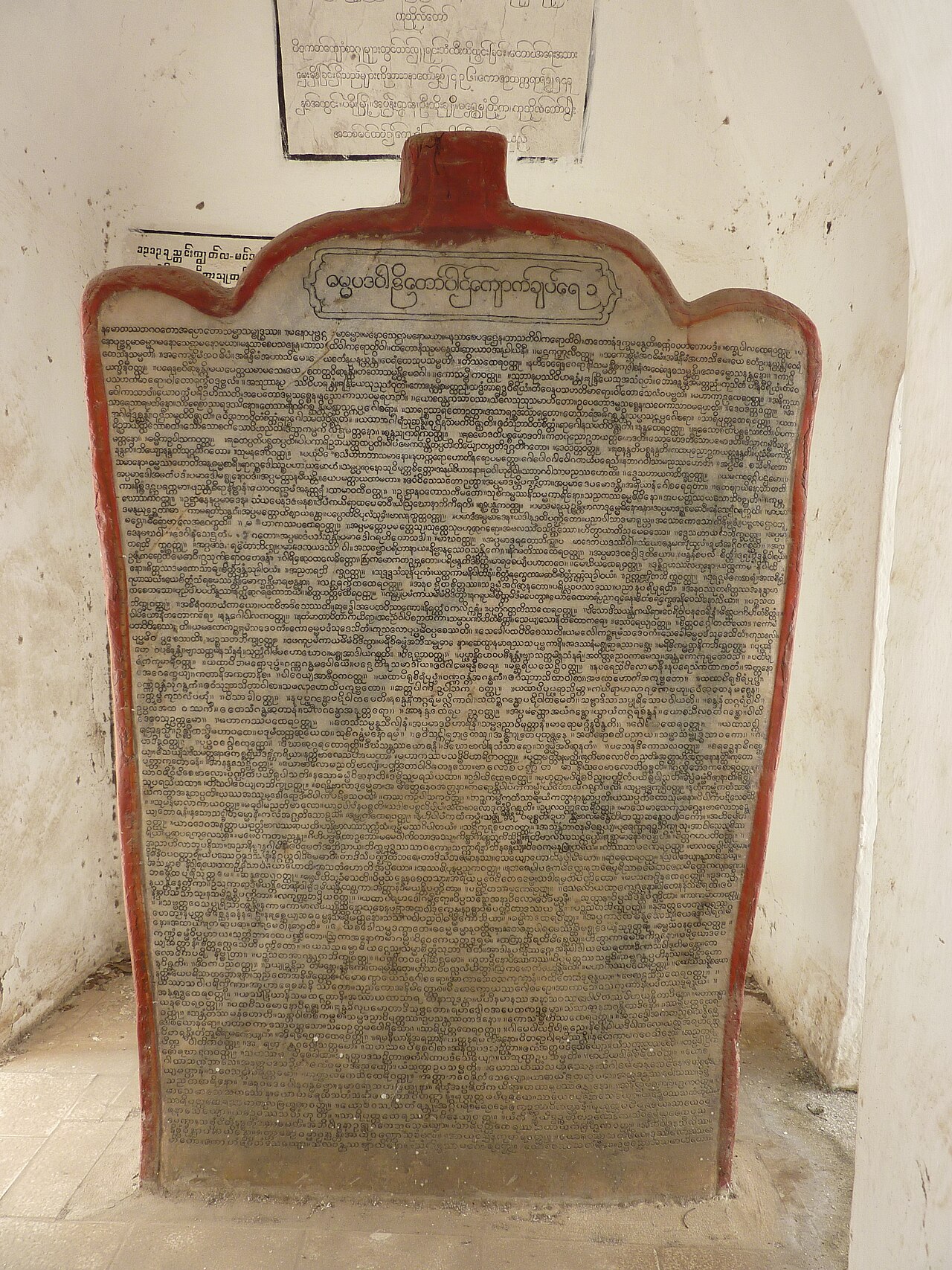 Book
Secondary source
Dhammapada
Attributed to the Buddha · c. 3rd century BCE compilation
 Painting
Secondary source
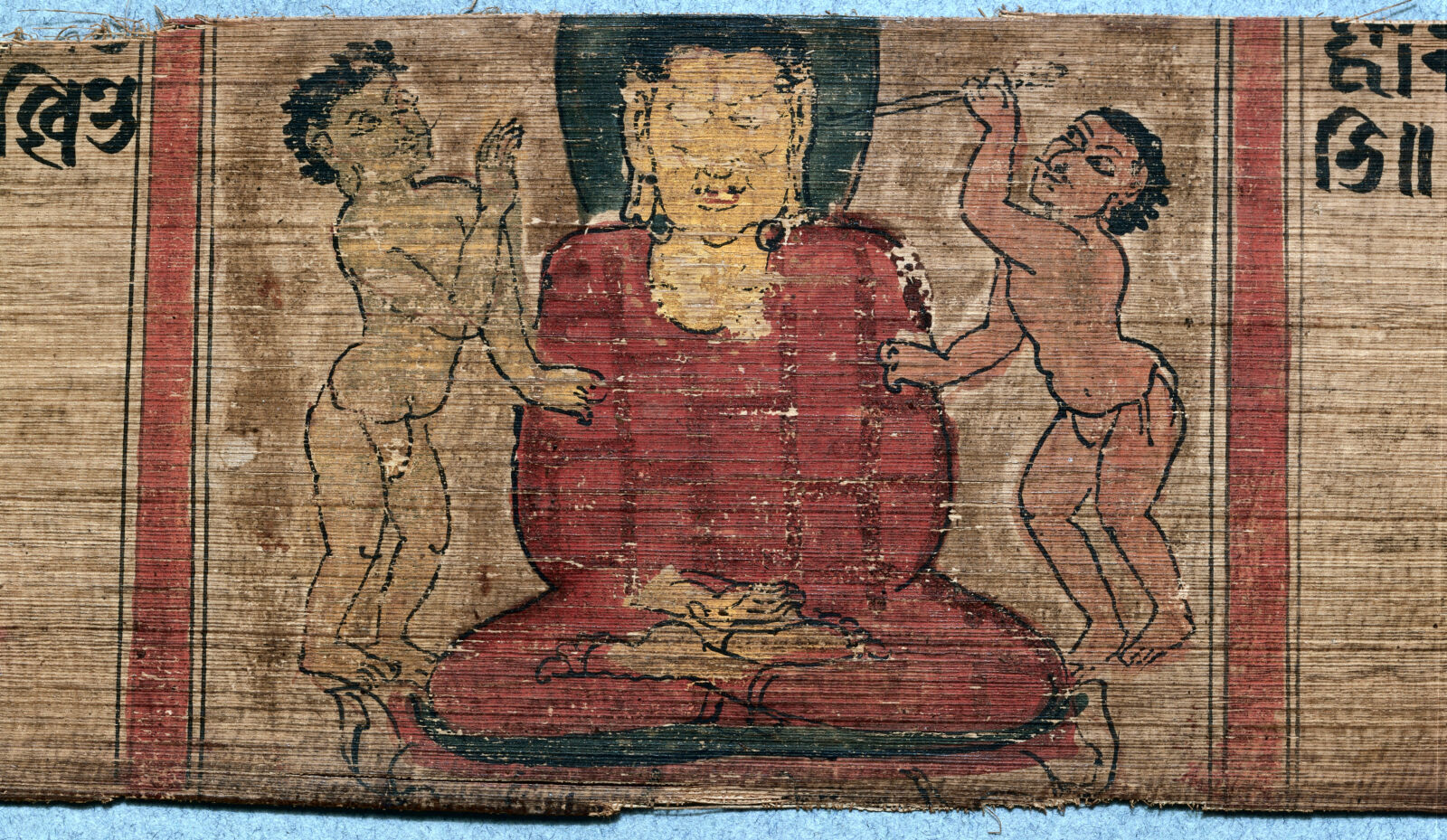
Buddha in Dhyana, Perfection of Wisdom Sutra Manuscript
1074
 Sculpture
Secondary source
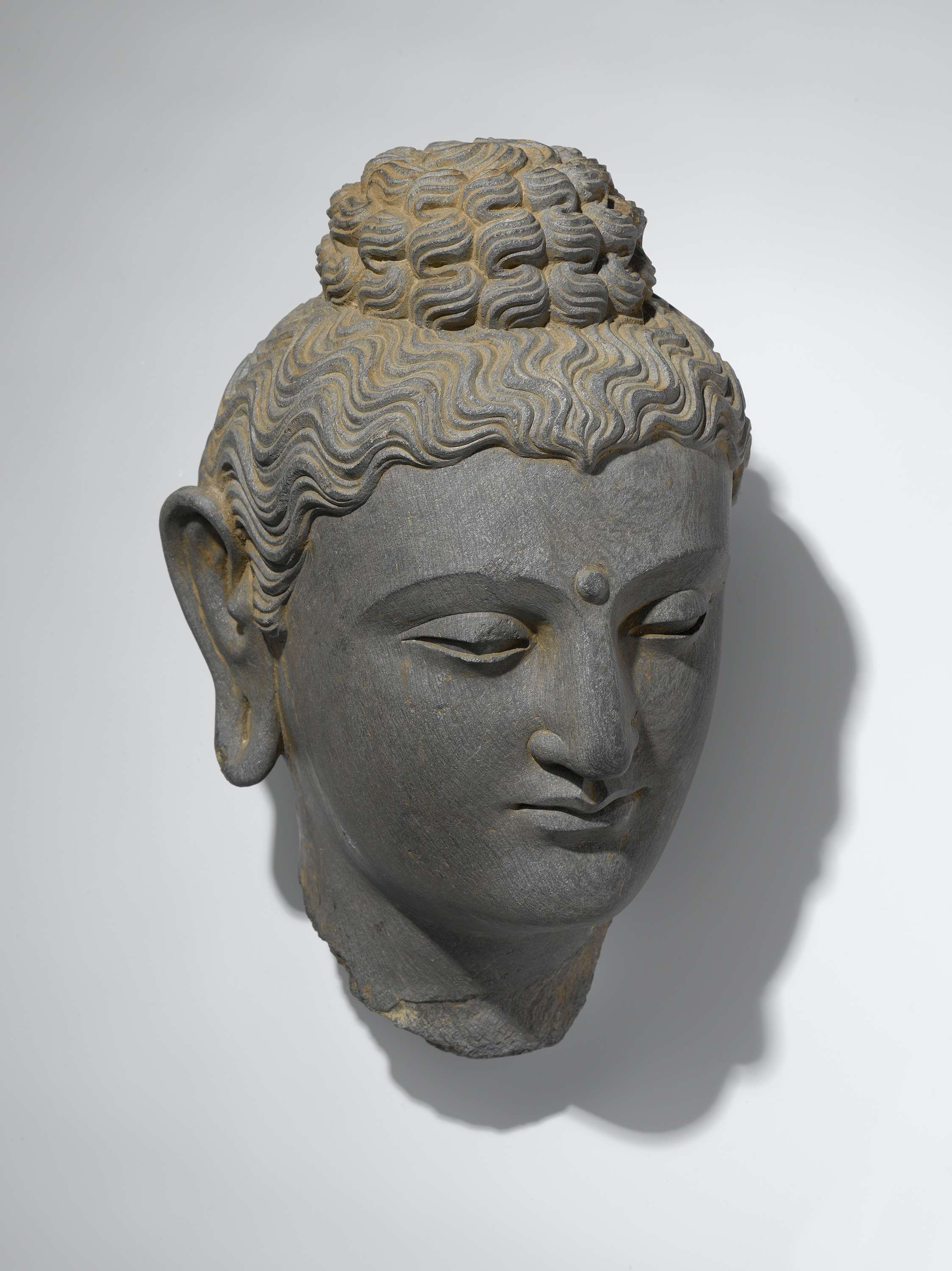
Head of the Buddha, Gandhara style
 Book
Secondary source
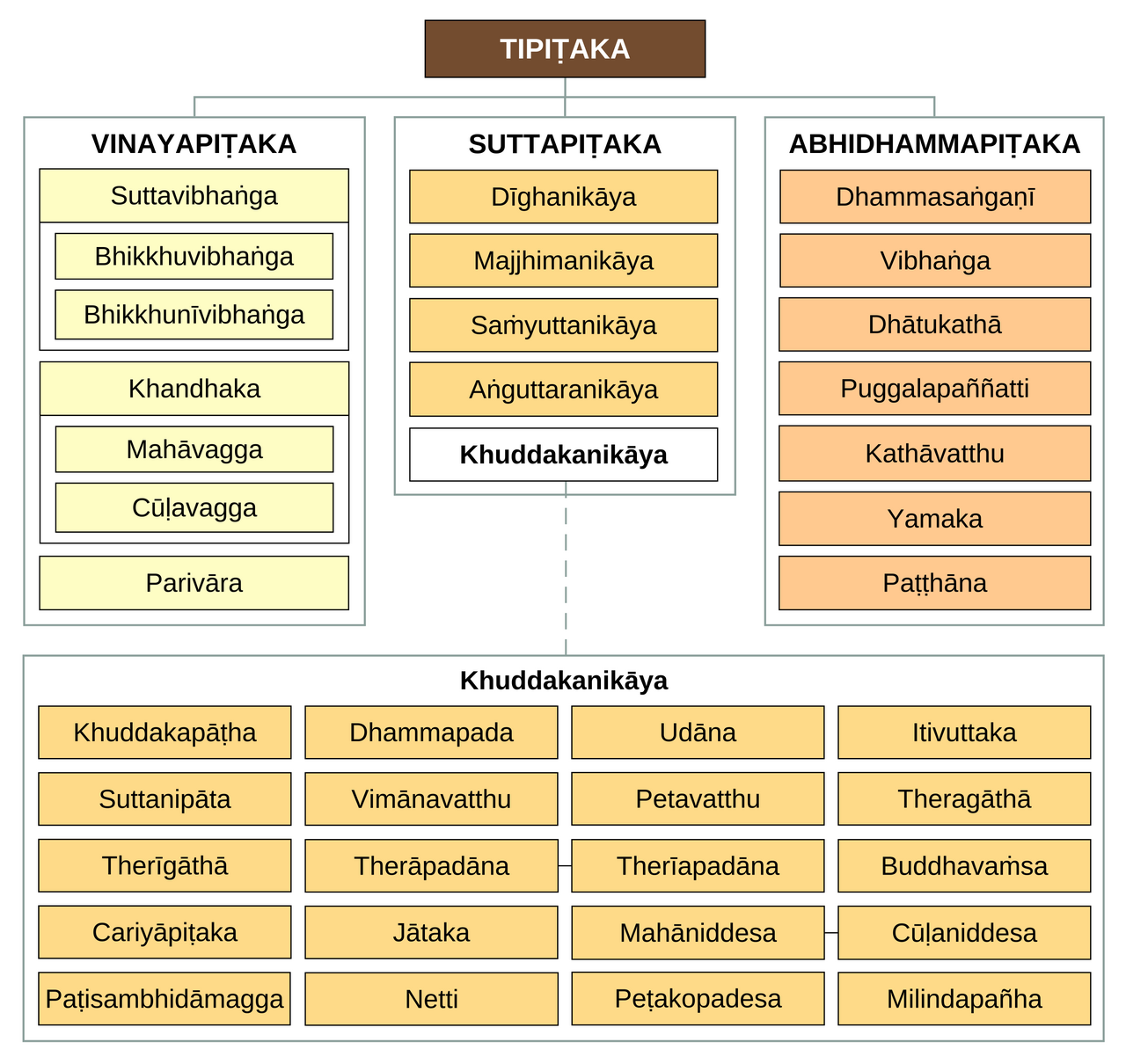
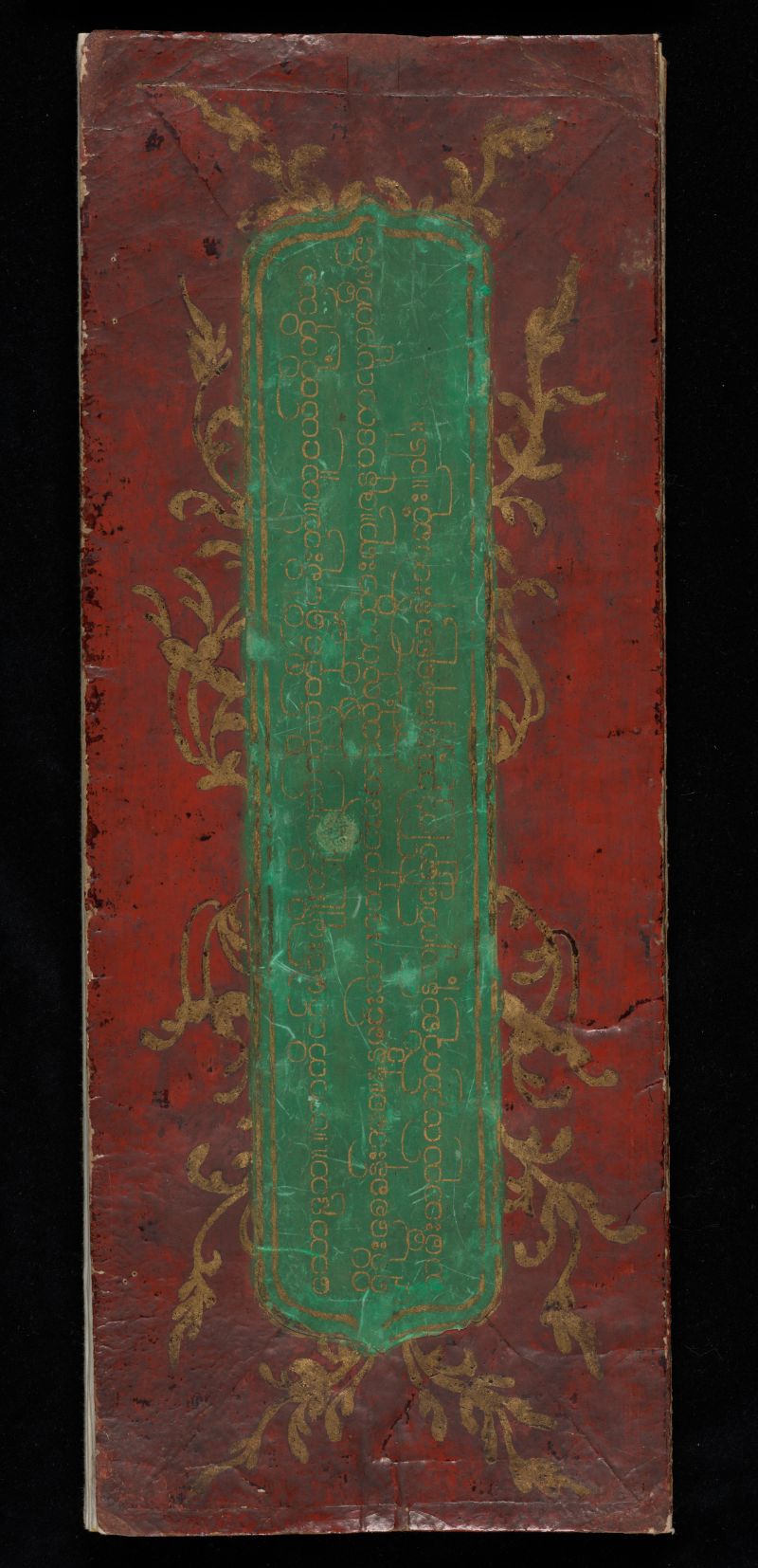
Pali Canon (Tipitaka)
Early Buddhist sangha · oral from 5th century BCE; written c. 29 BCE
 Document
Secondary source
Life of the Buddha
19th century
Ready when you are
Start chatting with Buddha now.
20 messages free · No credit card · Available in 50+ languages.