


Secondary sourceBook646 CE
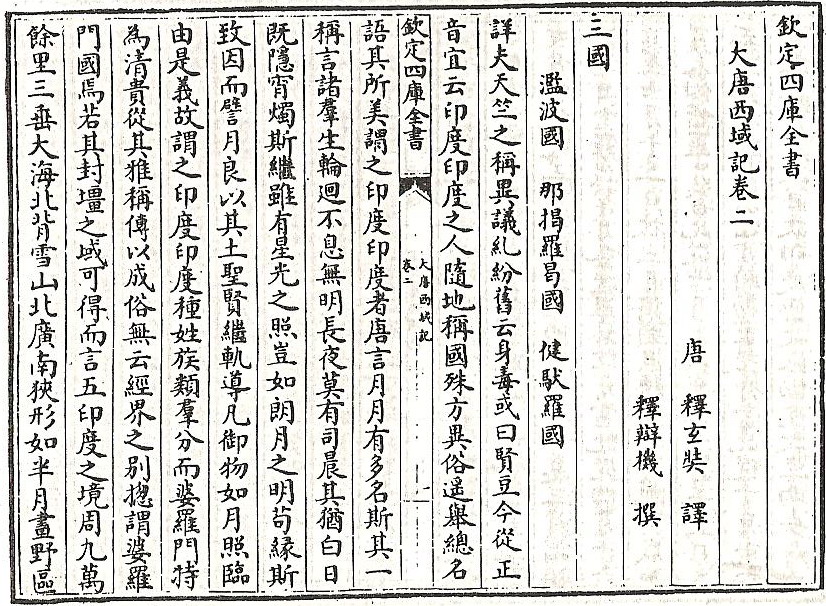
Record of the Western Regions
Xuanzang · 646 CE
Xuanzang's 7th-century account of his journey to India, describing Buddhist sacred sites connected to the Buddha's life.
Xuanzang's travel record helped later scholars locate and verify sites associated with the Buddha's life.
About this source
What it is
Compiled in 646 CE, this text records the travels of the Chinese Buddhist monk Xuanzang through Central Asia and India between 626 and 645. His disciple Bianji edited the work from Xuanzang's own dictation.
Why it matters
Xuanzang's detailed descriptions of distances, locations, and religious sites have guided modern historians and archaeologists in rediscovering places linked to the Buddha, including Rajagrha, the temple at Sarnath, and the ruins of Nalanda. The text also shaped relations between Tang China and Indian kingdoms, and later inspired a famous Chinese novel.
Look closer
- Why might a travel record written over a thousand years after the Buddha's life still be useful to archaeologists today?
- What does the involvement of Xuanzang's disciple in editing the text suggest about how it was produced?
- How might Xuanzang's religious devotion have shaped what he chose to record?
This book is part of the curated material that grounds the AI version of Buddha on Humy.ai — when students ask about related events, the AI can quote it and cite it.
More Buddha sources
Meet the AI Buddha →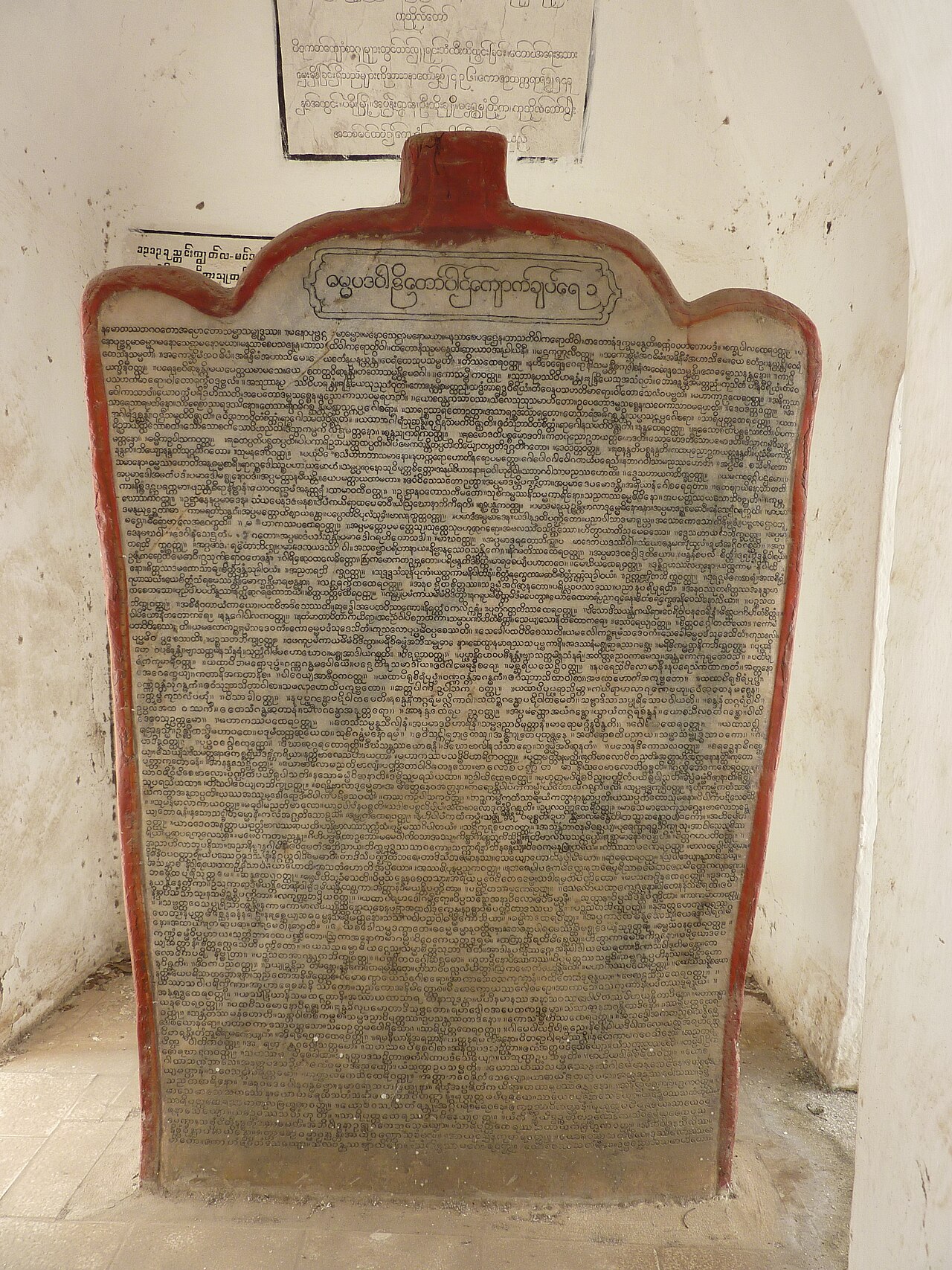 Book
Secondary source
Dhammapada
Attributed to the Buddha · c. 3rd century BCE compilation
 Painting
Secondary source
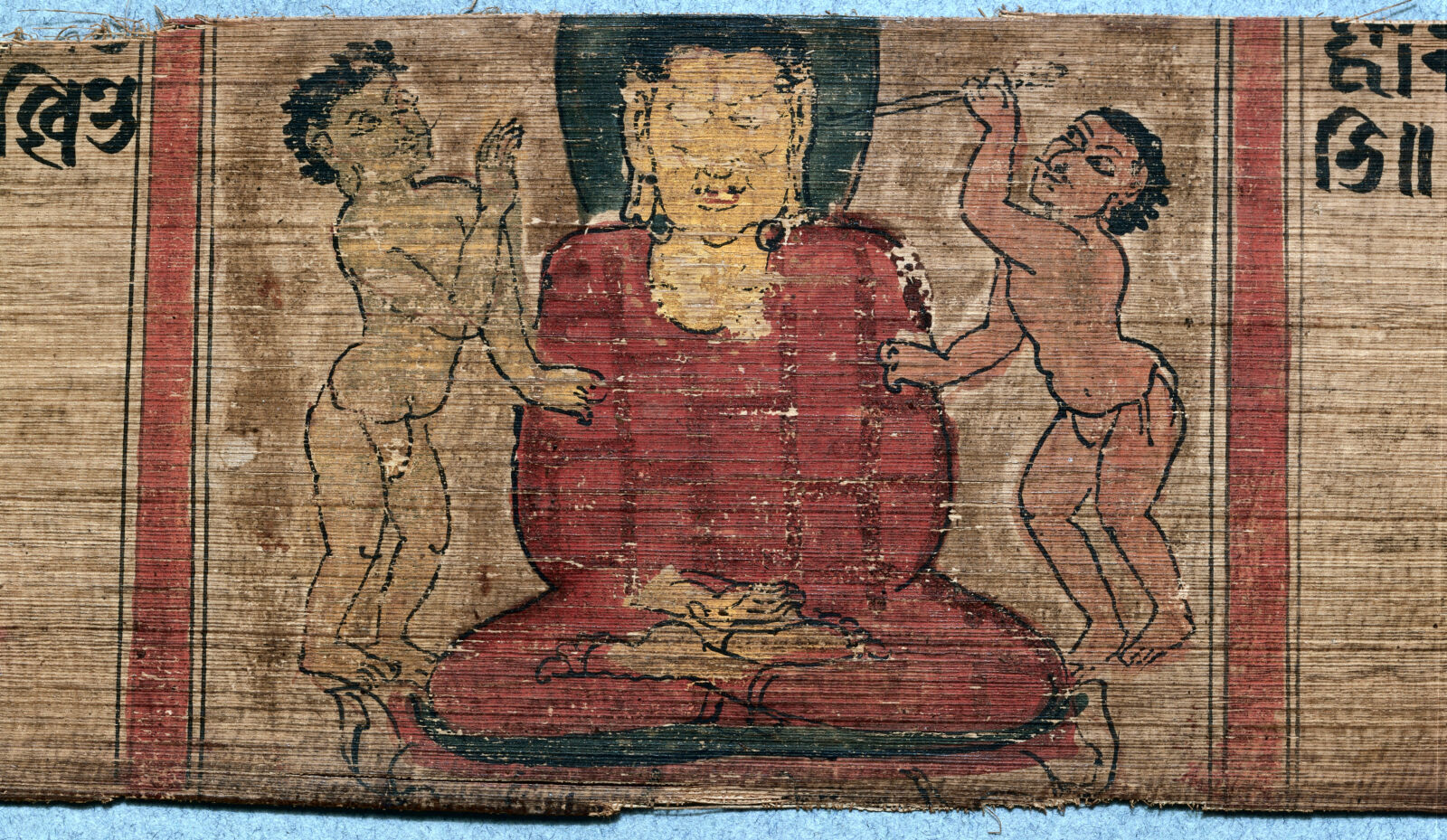
Buddha in Dhyana, Perfection of Wisdom Sutra Manuscript
1074
 Sculpture
Secondary source
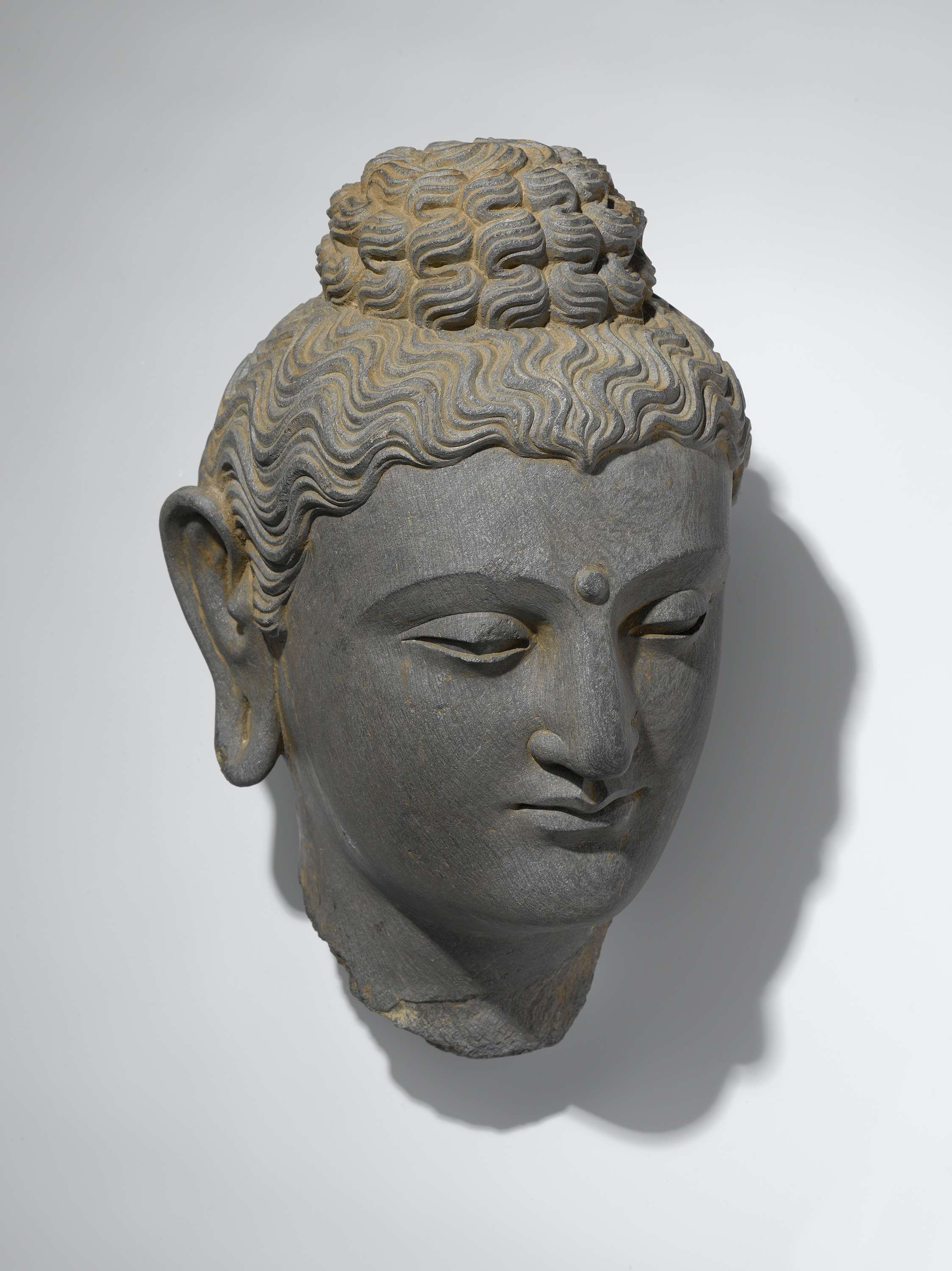
Head of the Buddha, Gandhara style
 Book
Secondary source
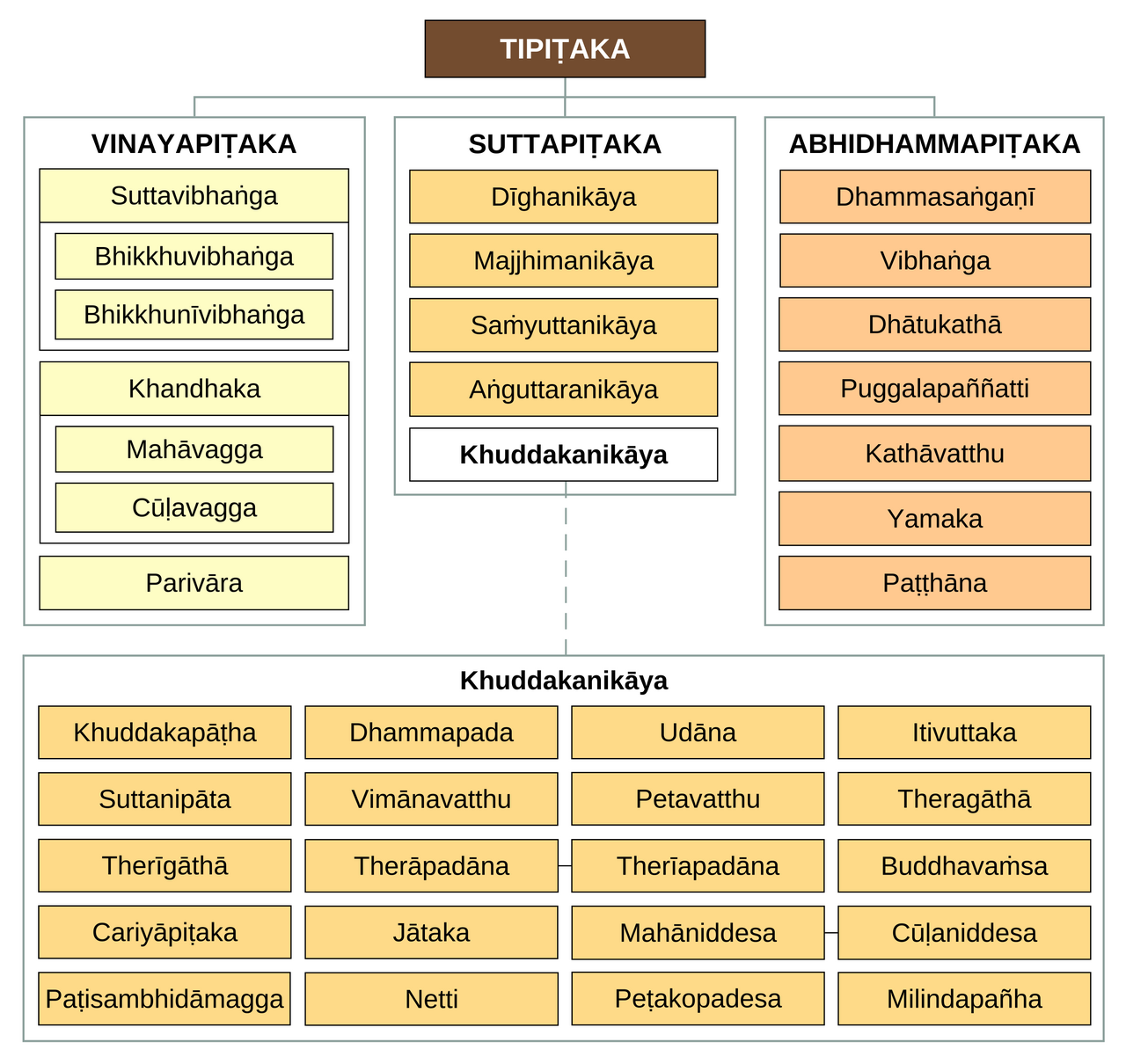
Pali Canon (Tipitaka)
Early Buddhist sangha · oral from 5th century BCE; written c. 29 BCE
 Document
Secondary source
Life of the Buddha
19th century
Ready when you are
Start chatting with Buddha now.
20 messages free · No credit card · Available in 50+ languages.