


Secondary sourcePhotographc. 645 BC
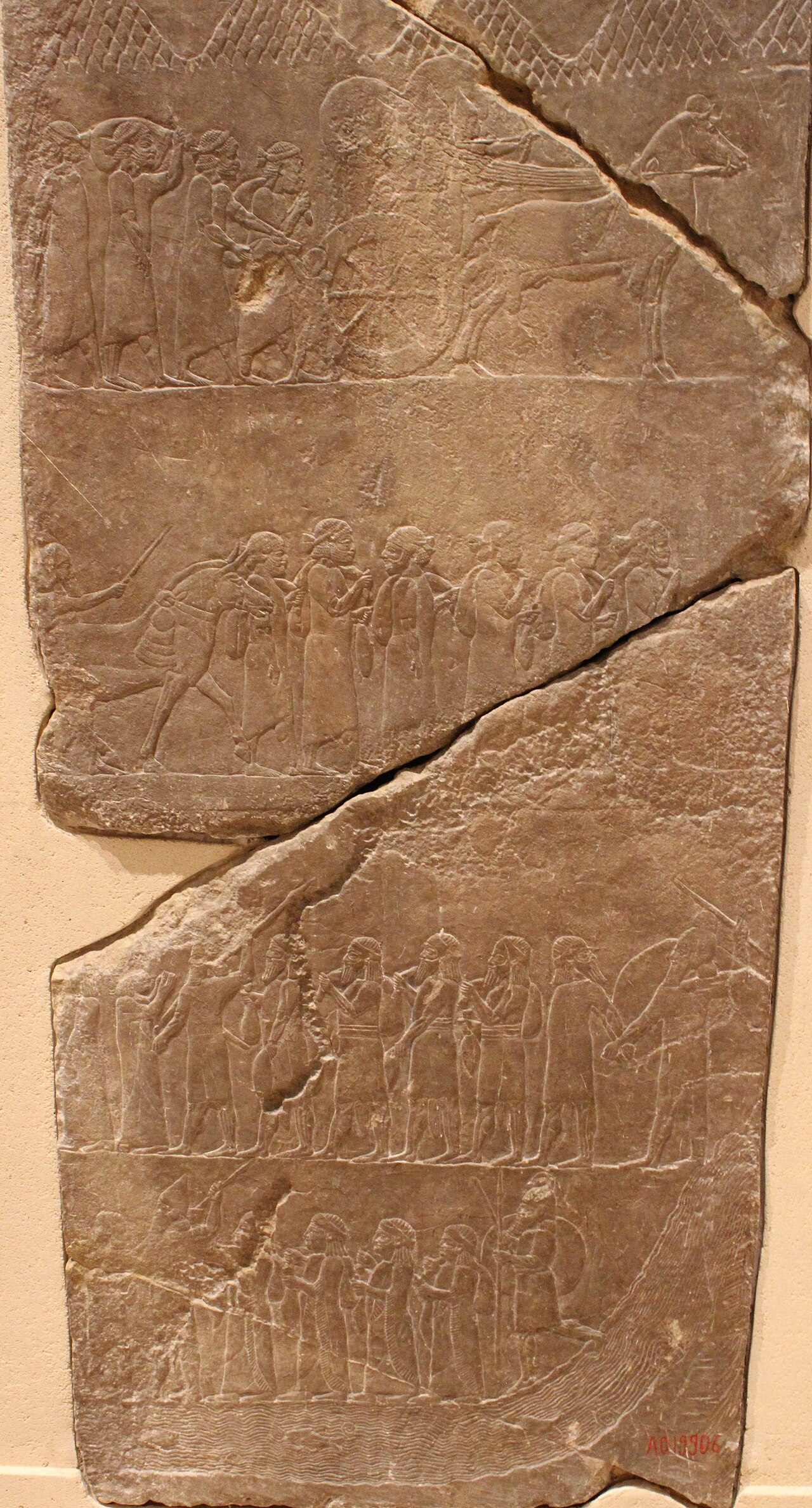
Relief of the Deportation of Elamites from Nineveh
Zunkir · c. 645 BC
A gypsum relief from Ashurbanipal's North Palace at Nineveh showing the forced deportation of captured Elamites after his Elam campaign.
Depicts the deportation of Elamites captured during Ashurbanipal's war against Elam.
About this source
What it is
This is a gypsum alabaster relief slab from the North Palace of King Ashurbanipal at Nineveh, dated to around 645 BC. It shows soldiers, a chariot, and rows of captured people being marched away after the fall of a city during the Elam campaign.
Why it matters
Assyrian kings decorated their palaces with scenes of military victory to display their power. This relief records the deportation of conquered Elamites, a practice Assyrian kings used to break resistance and resettle populations. It is physical evidence of Ashurbanipal's wars and how he wanted his conquests remembered.
Look closer
- What do the different rows of figures seem to be doing?
- Why might a king choose to carve scenes of defeated enemies on his palace walls?
- What does the relief not show about the people being deported?
This photograph is part of the curated material that grounds the AI version of Ashurbanipal on Humy.ai — when students ask about related events, the AI can quote it and cite it.
More Ashurbanipal sources
Meet the AI Ashurbanipal →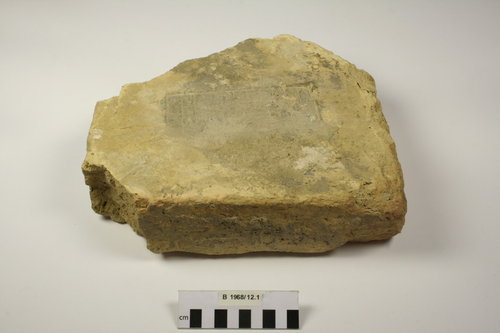 Artifact
Primary source
Baked Brick Naming King Ashurbanipal
7th century BCE
 Sculpture
Primary source
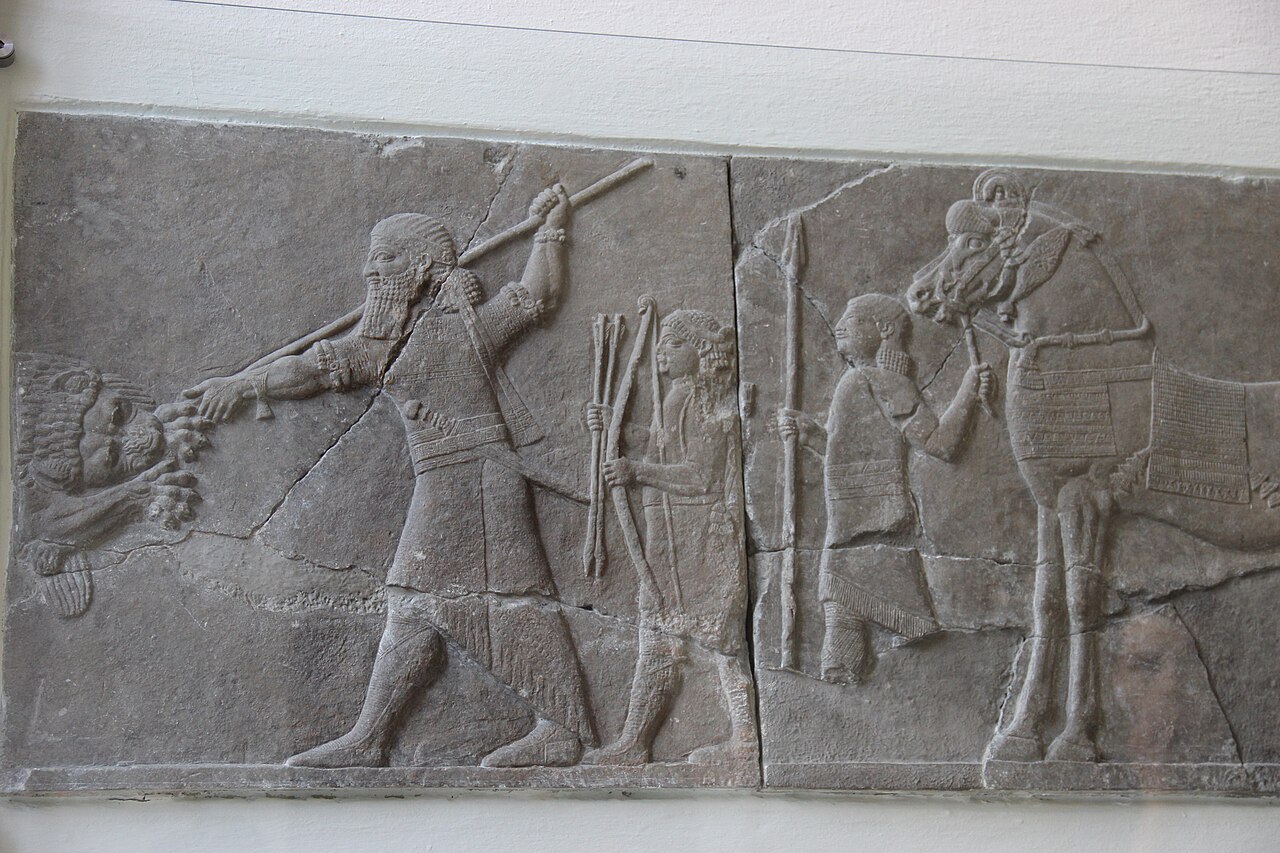
Lion Hunt of Ashurbanipal
Assyrian royal sculptors · c. 645–635 BCE
 Document
Primary source
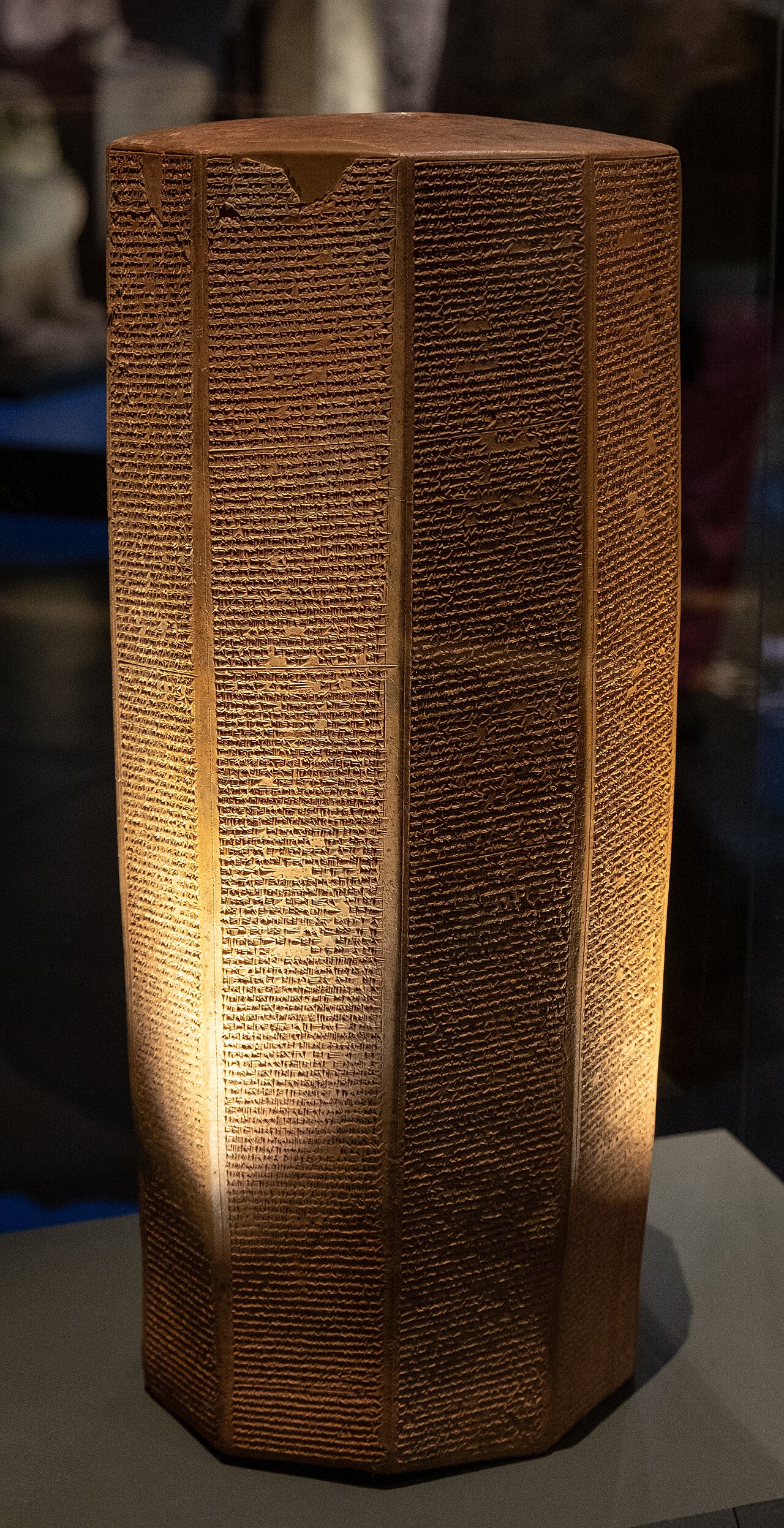
Rassam Prism of Ashurbanipal
643 BCE
 Painting
Secondary source
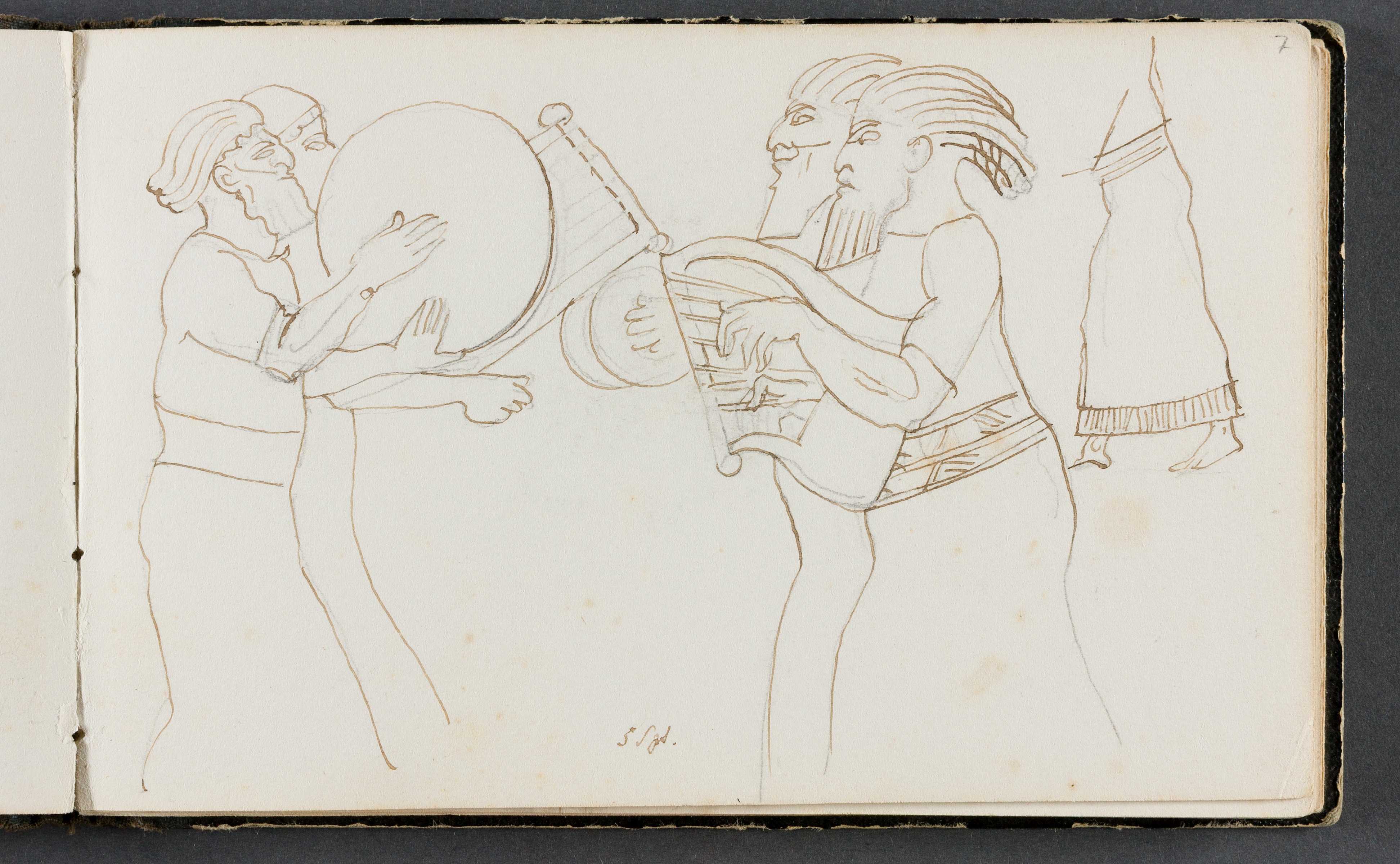
Relief with Musicians from the Palace of Ashurbanipal in Nineveh
 Document
Primary source
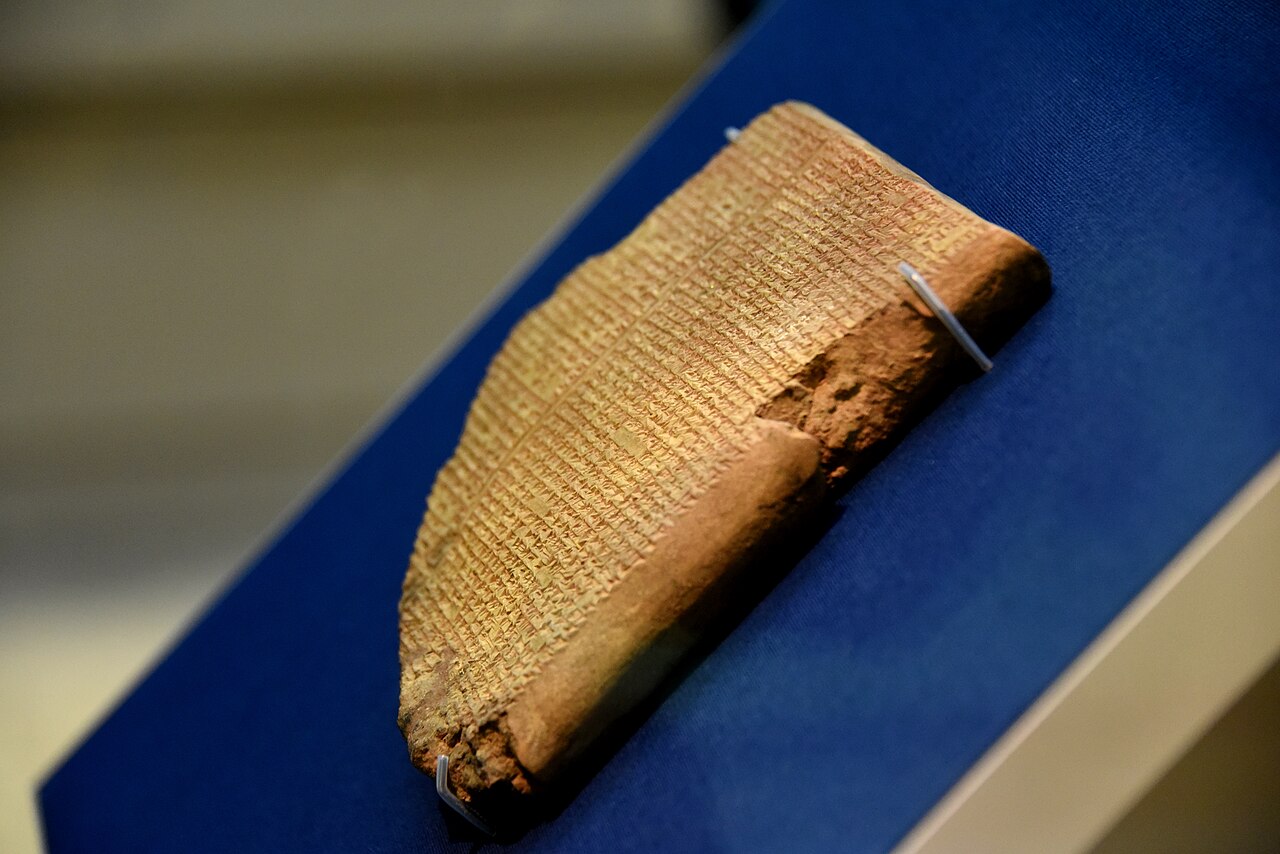
Flood Tablet
Scribes of Ashurbanipal's library · 7th century BCE
Ready when you are
Start chatting with Ashurbanipal now.
20 messages free · No credit card · Available in 50+ languages.