


Primary sourceSculpture
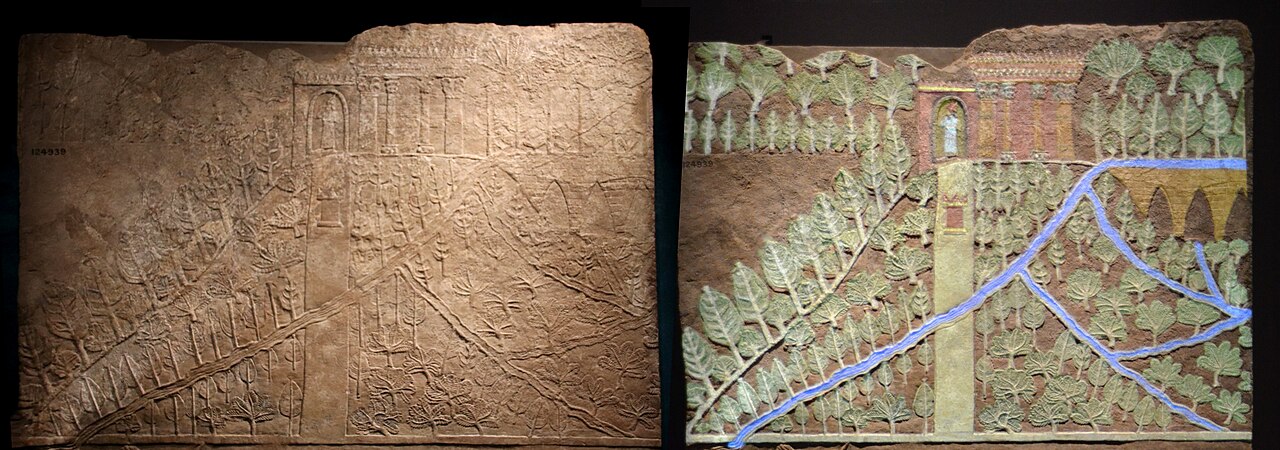
Relief of the Gardens of Ashurbanipal
Unknown
A carved relief depicting the irrigated royal gardens and aqueduct built at Nineveh under Ashurbanipal.
This relief depicts the royal gardens Ashurbanipal commissioned at his capital, Nineveh.
About this source
What it is
This relief shows the royal gardens of Nineveh, including a gate or pavilion, trees, and water channels. One photo shows the stone in its natural uncolored state; the other shows a painted reconstruction with green trees and blue water, giving an idea of how the original may have looked.
Why it matters
The gardens were part of Ashurbanipal's capital, Nineveh, and reflect the engineering effort Assyrian kings put into shaping their landscape to show their wealth and control over nature. Reliefs like this help historians imagine the lost city beyond its palaces.
Look closer
- What differences do you notice between the plain photo and the colored reconstruction?
- Why might a modern museum choose to add color to a reconstruction like this?
- What questions can't be answered just from a stone relief about how gardens actually looked or smelled?
This sculpture is part of the curated material that grounds the AI version of Ashurbanipal on Humy.ai — when students ask about related events, the AI can quote it and cite it.
More Ashurbanipal sources
Meet the AI Ashurbanipal →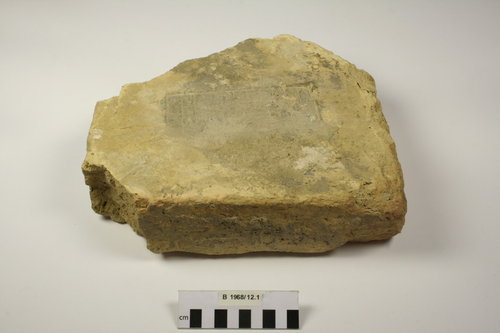 Artifact
Primary source
Baked Brick Naming King Ashurbanipal
7th century BCE
 Sculpture
Primary source
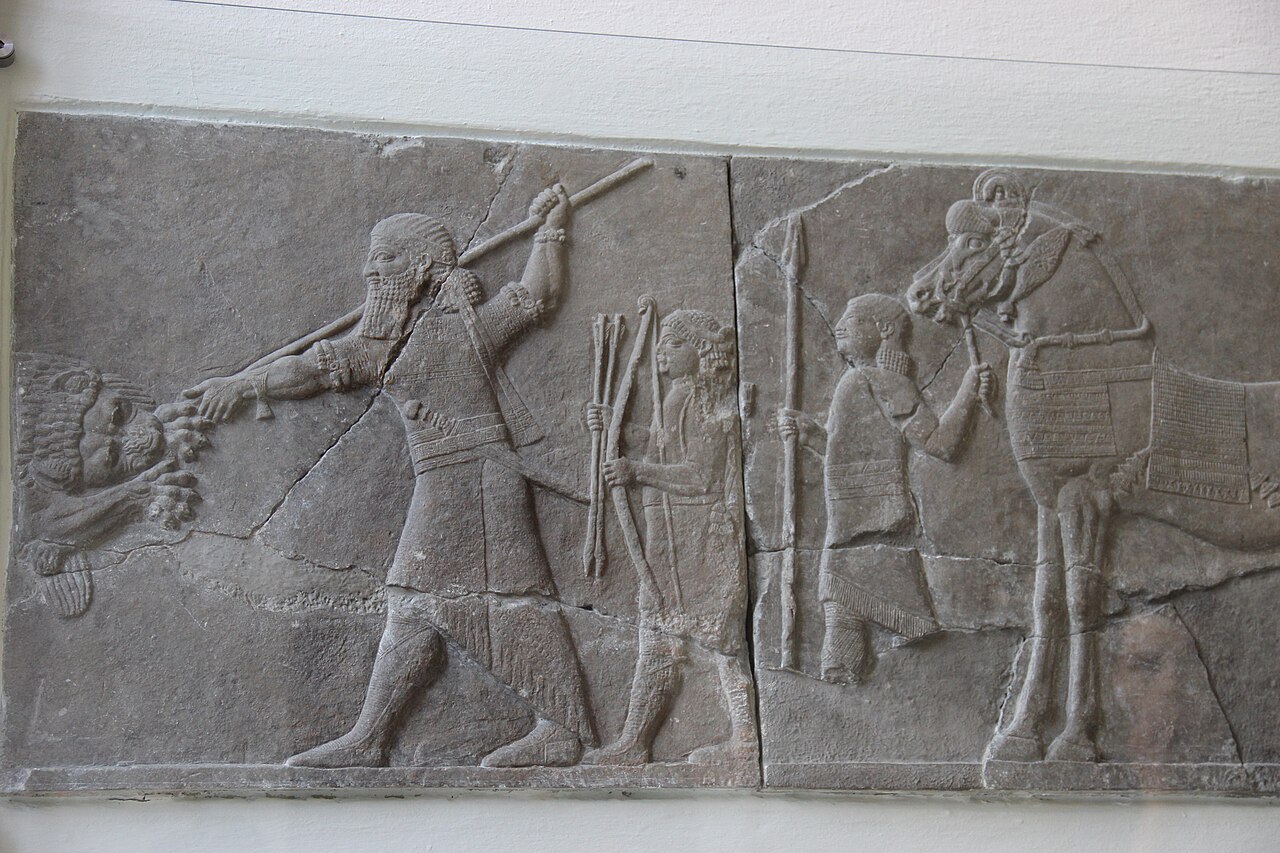
Lion Hunt of Ashurbanipal
Assyrian royal sculptors · c. 645–635 BCE
 Document
Primary source
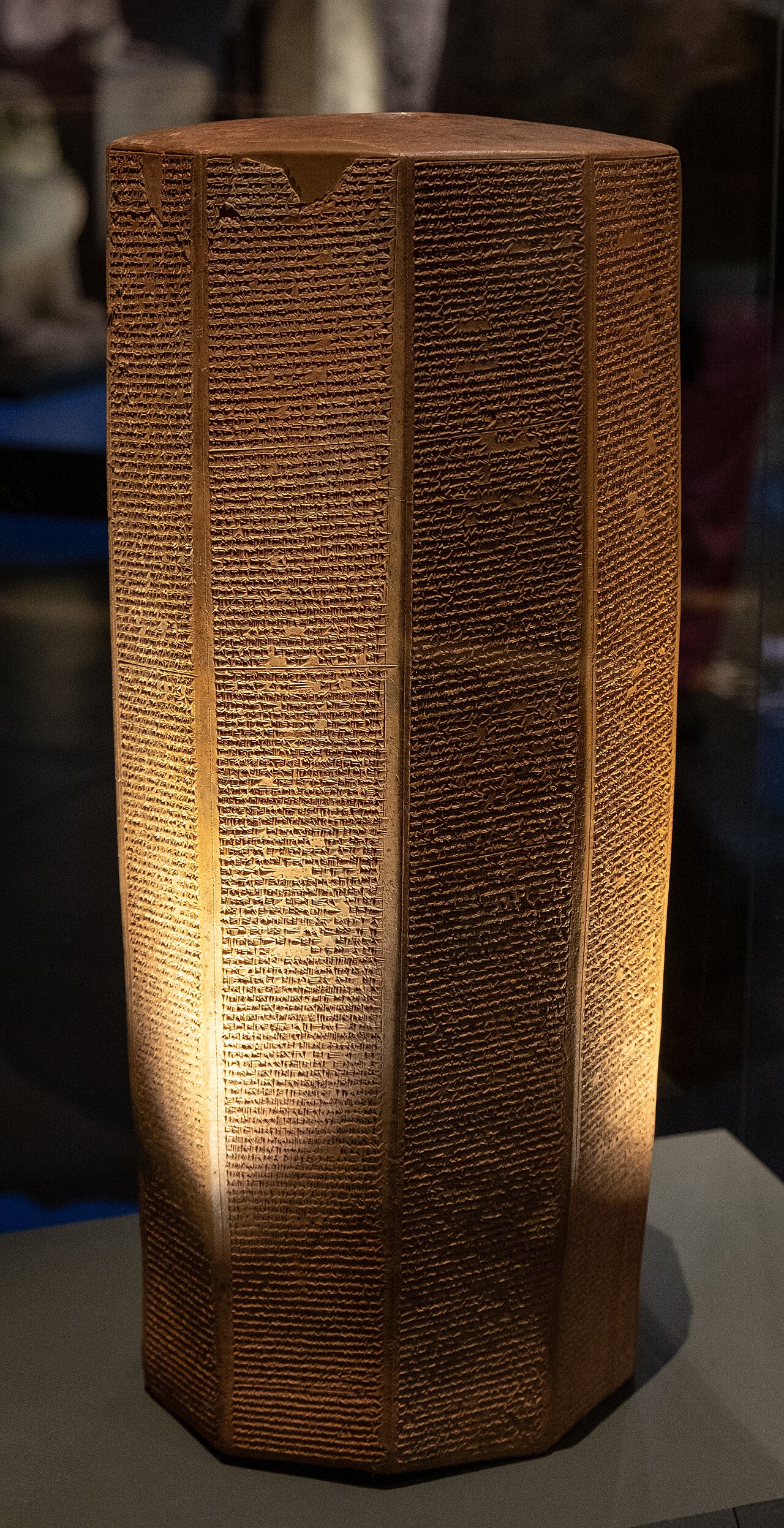
Rassam Prism of Ashurbanipal
643 BCE
 Painting
Secondary source
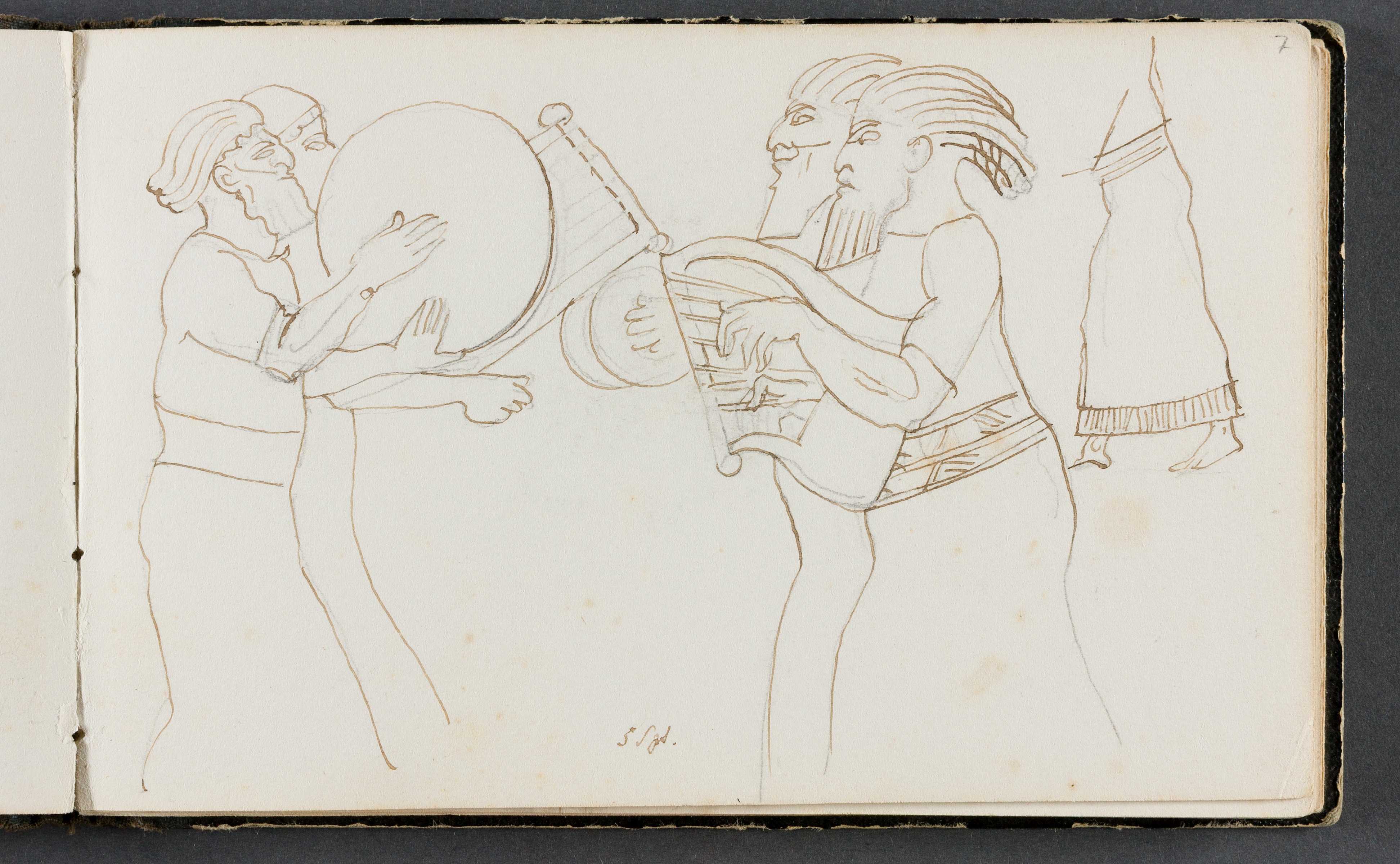
Relief with Musicians from the Palace of Ashurbanipal in Nineveh
 Document
Primary source
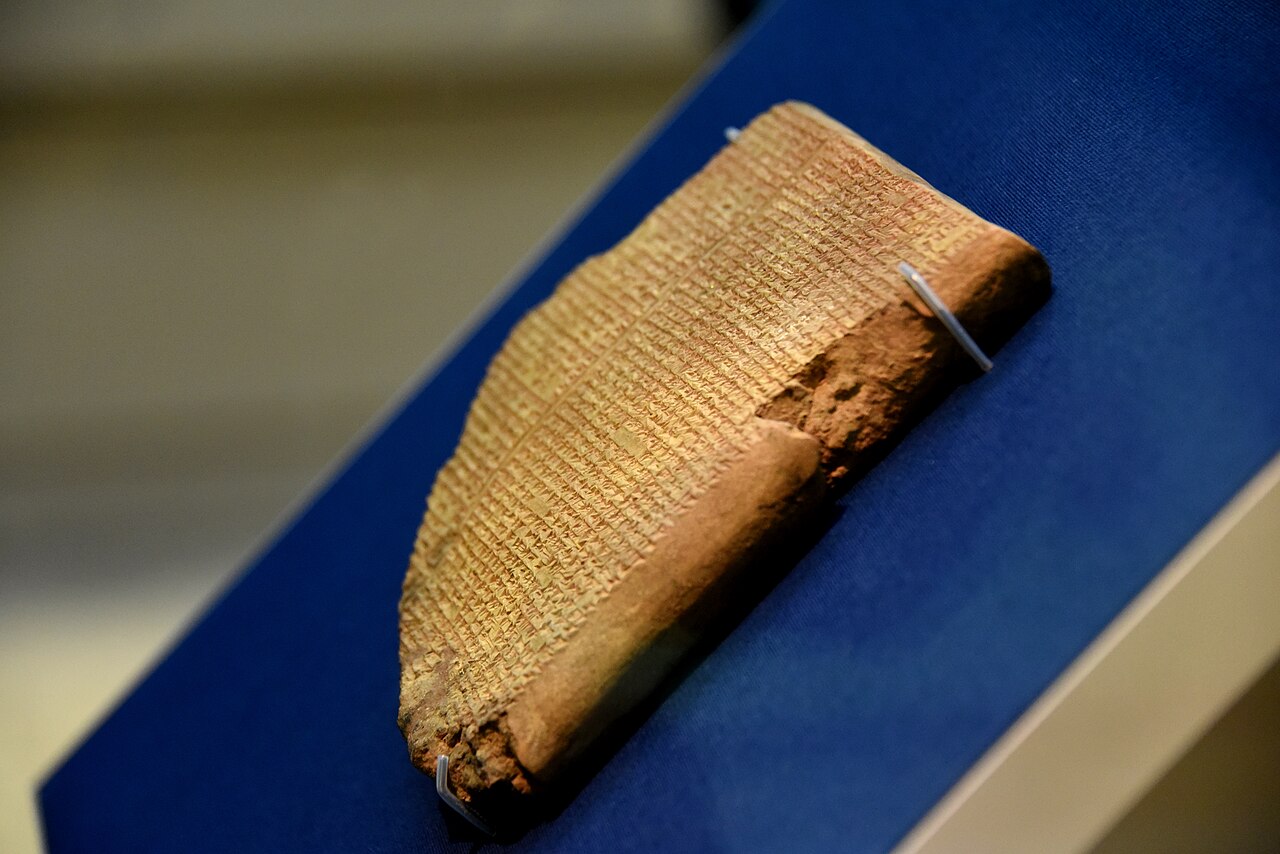
Flood Tablet
Scribes of Ashurbanipal's library · 7th century BCE
Ready when you are
Start chatting with Ashurbanipal now.
20 messages free · No credit card · Available in 50+ languages.