


Primary sourceDocument19-18 BCE
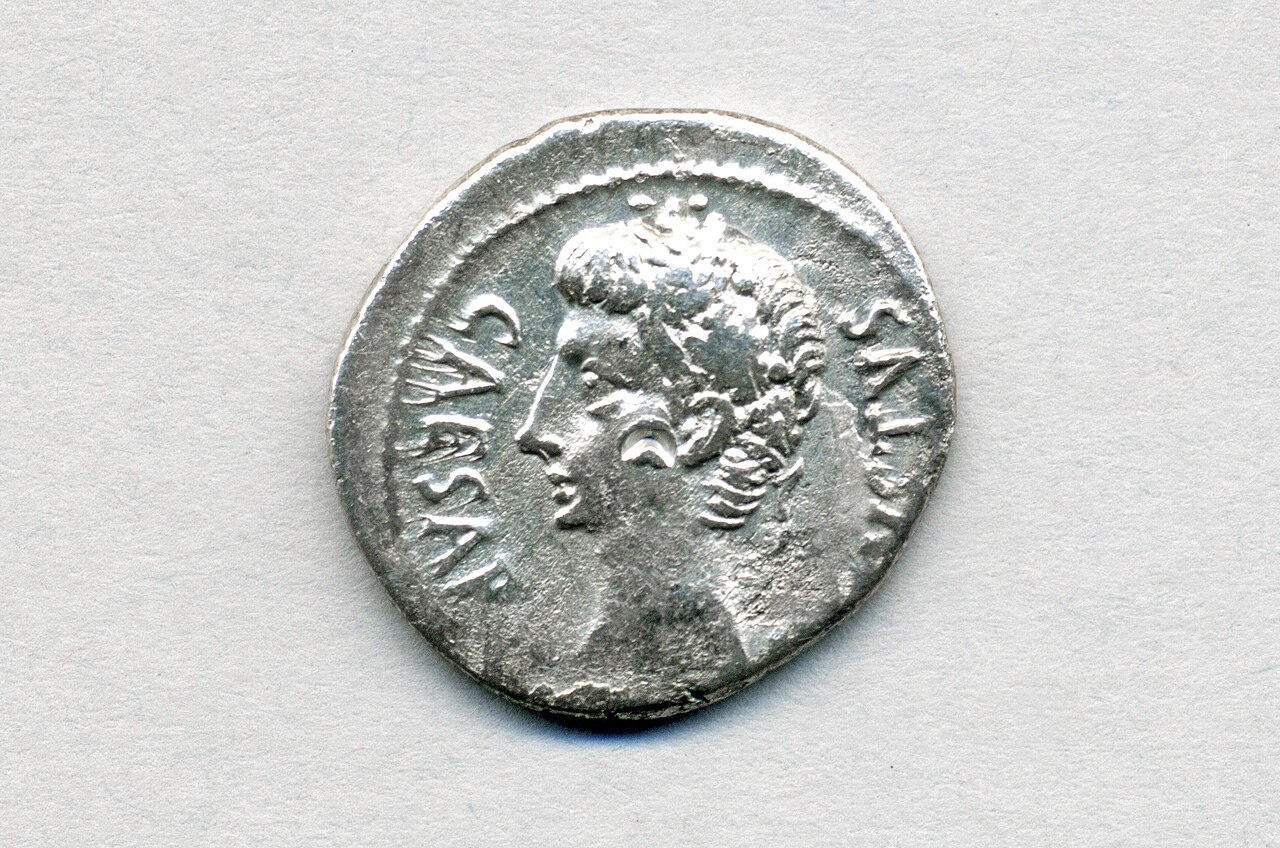
Roman Denarius with the Head of Caesar Augustus
Caesaraugusta Mint · 19-18 BCE
A silver denarius coin minted around 19-18 BCE bearing a portrait of Augustus, photographed in 2021 by James St. John.
An ancient coin bearing Augustus's own portrait, minted during his reign to spread his image and authority.
About this source
What it is
This is a photograph of an ancient Roman silver denarius, about 2,040 years old, bearing a portrait of Augustus (born Gaius Octavian), the first Roman emperor, who ruled from 27 BCE to 14 CE. It was struck at the Caesaraugusta Mint in Spain, in the city now known as Zaragoza, around 19-18 BCE. The reverse side shows a comet that appeared in 44 BCE.
Why it matters
Coins like this spread Augustus's image and authority across the Roman world, reaching people who would never see him in person. The comet on the reverse links Augustus to the memory of Julius Caesar, since the comet was seen as a sign tied to Caesar's death, helping Augustus claim legitimacy as Caesar's heir.
Look closer
- Why would an emperor put his own portrait on money used every day?
- What does the comet on the coin suggest about how Augustus wanted to be seen?
- What is the small mark on the cheek, and why was it added?
This document is part of the curated material that grounds the AI version of Augustus on Humy.ai — when students ask about related events, the AI can quote it and cite it.
More Augustus sources
Meet the AI Augustus →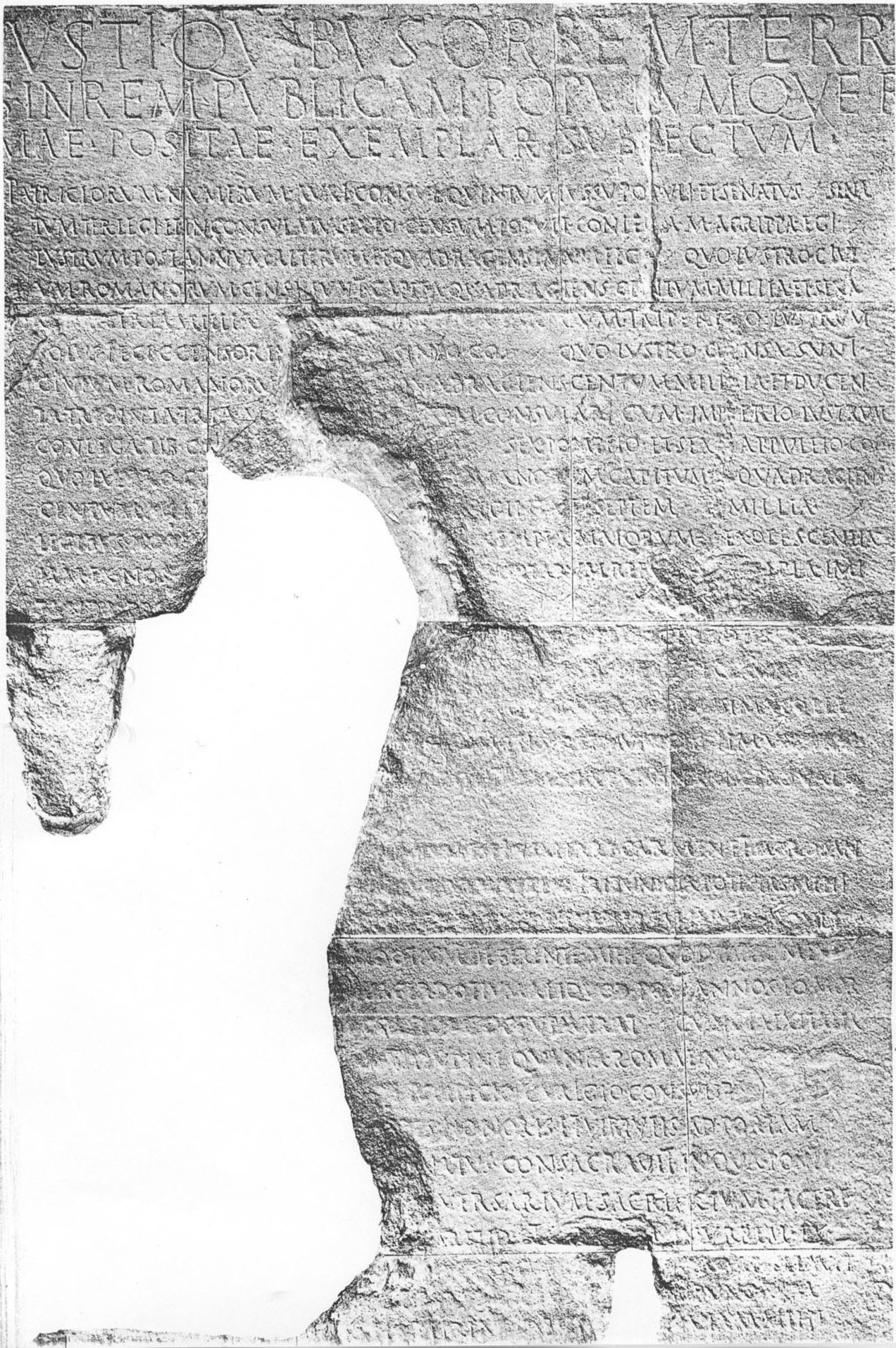 Document
Primary source
Res Gestae Divi Augusti
Augustus · 14 AD
 Painting
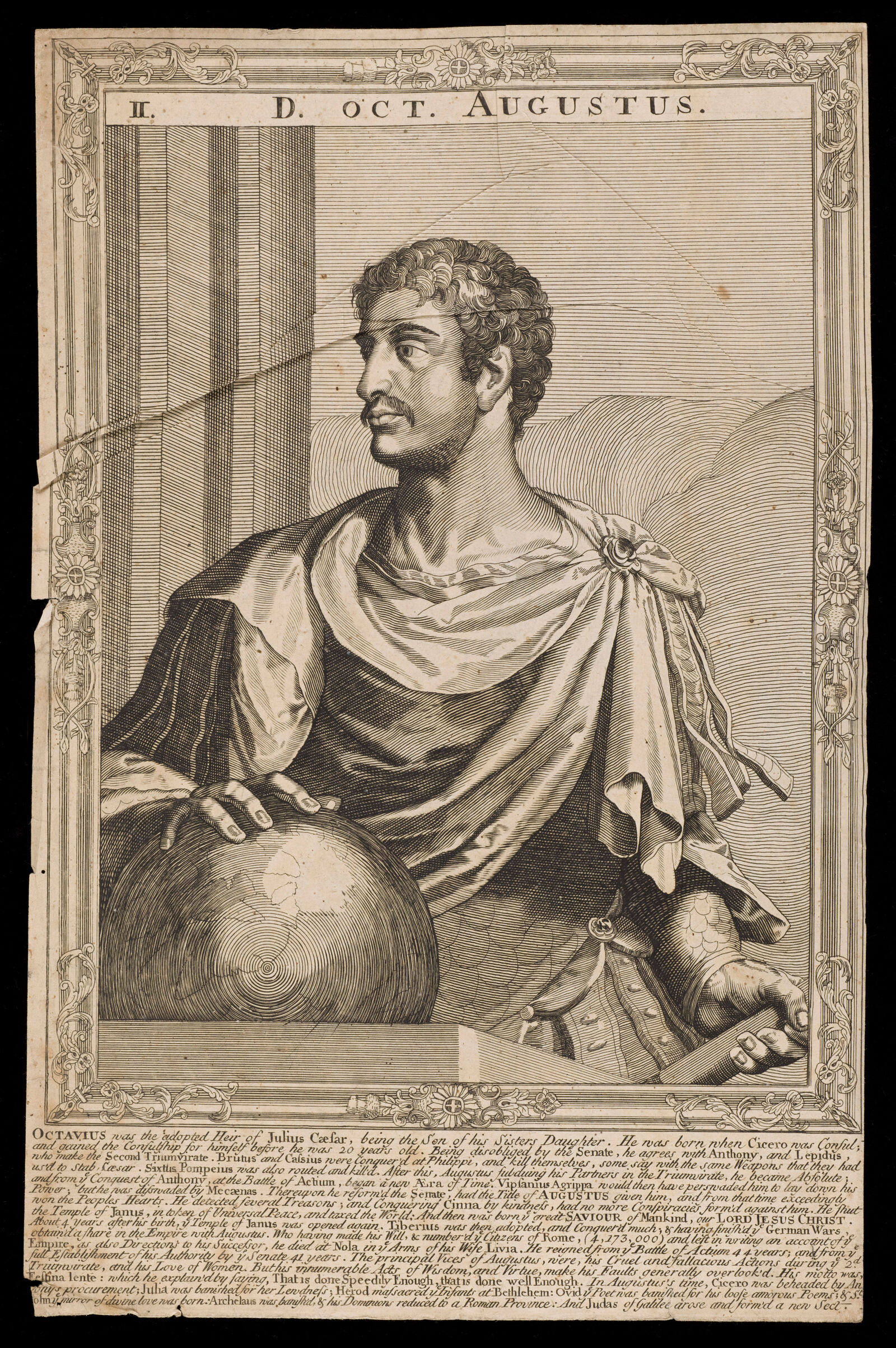
Secondary source
Emperor Augustus with Globe
After Titian (engraving by A. Sadeler, after Titian) · between 1700 and 1799 (possibly 17th century)
 Sculpture
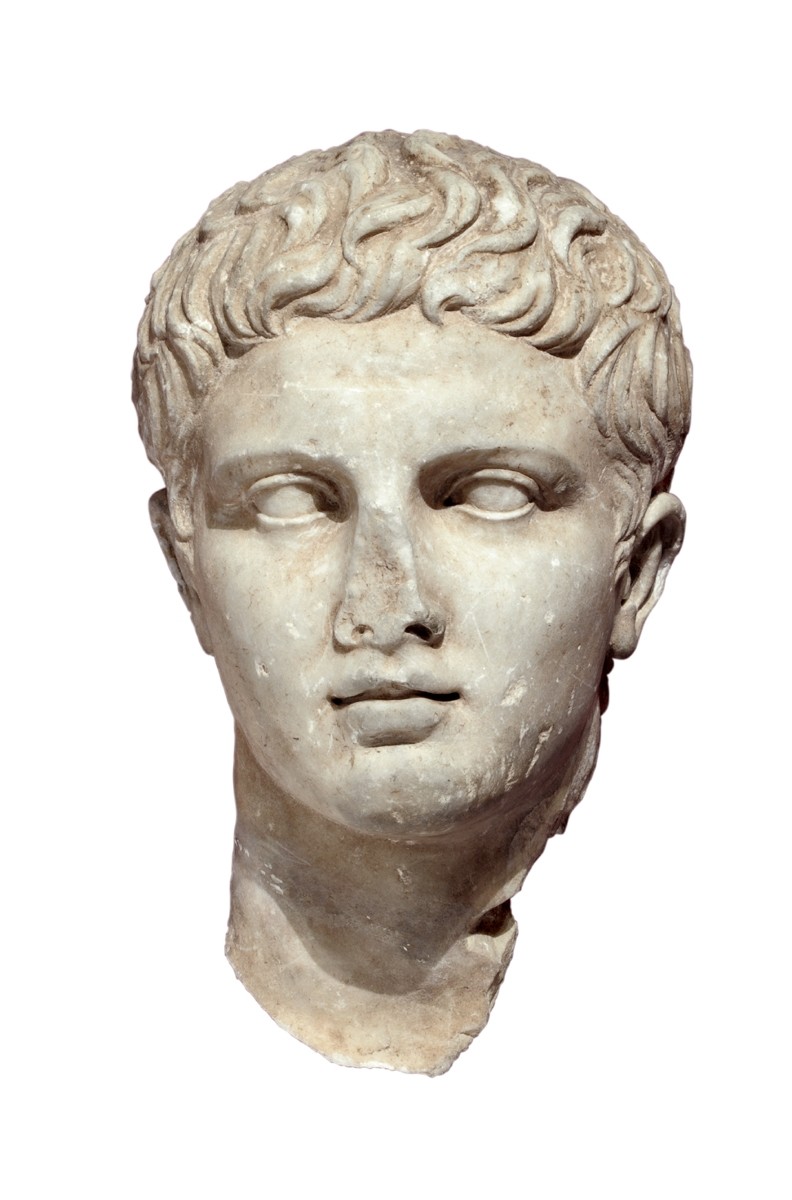
Primary source
Relief Head of the Young Augustus
 Sculpture
Secondary source
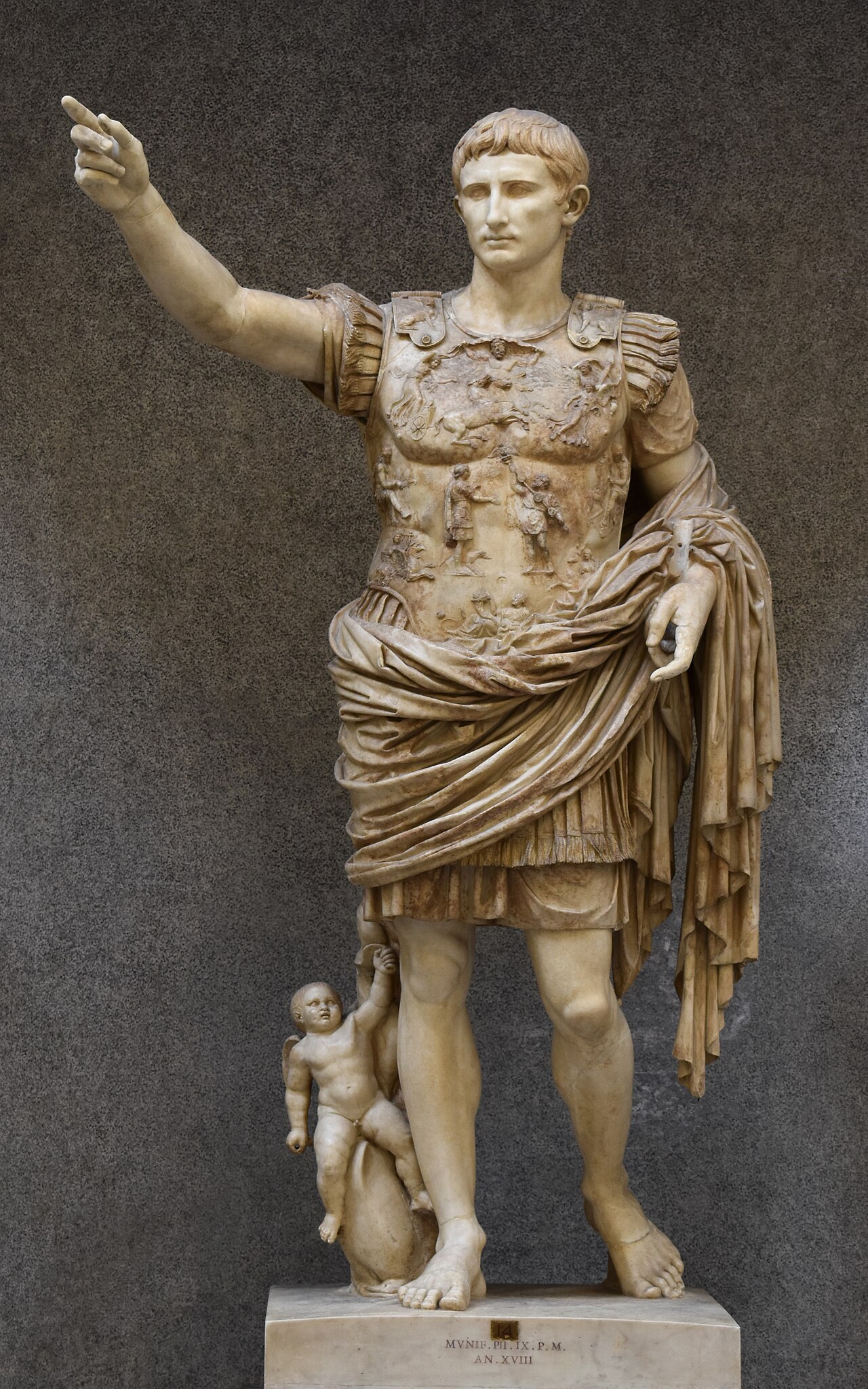
Augustus of Prima Porta
c. 19 BCE or later
 Artifact
Primary source
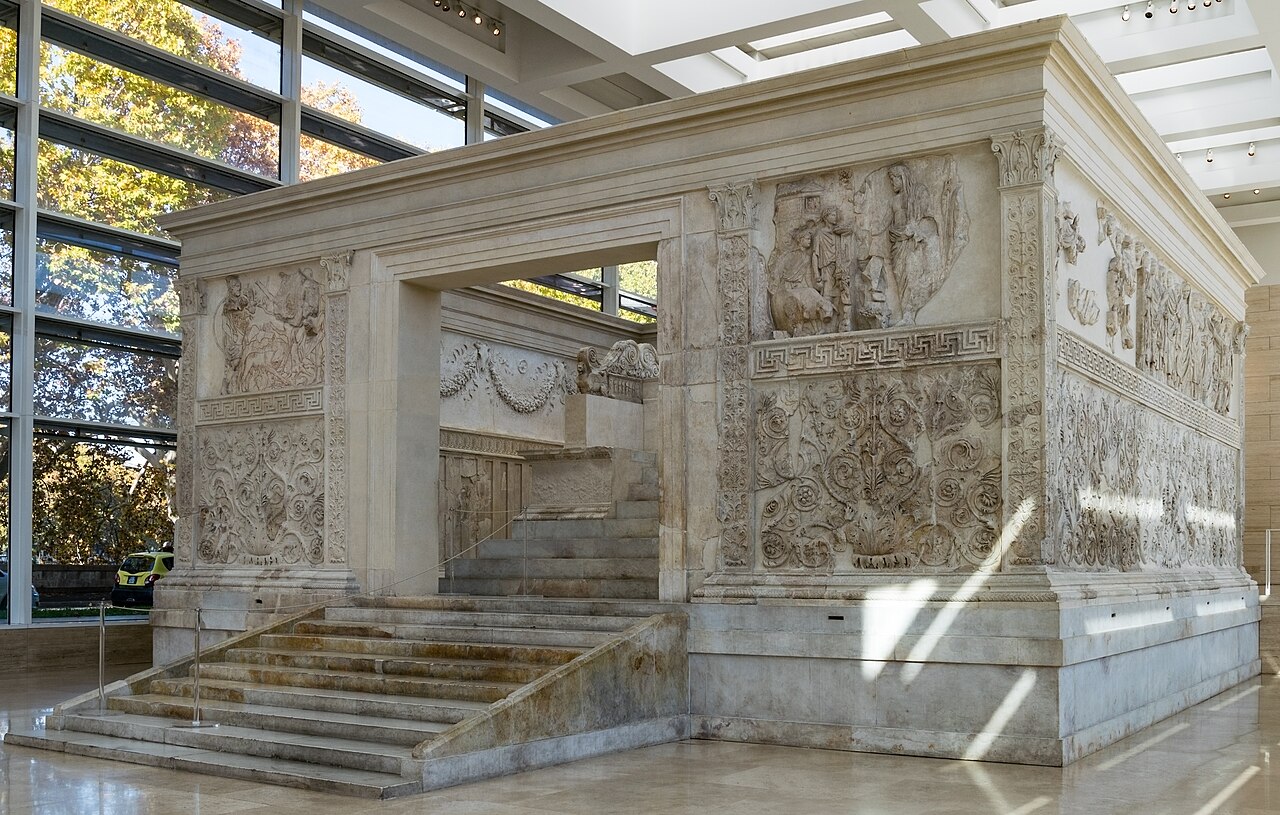
Ara Pacis
13-9 BCE
Ready when you are
Start chatting with Augustus now.
20 messages free · No credit card · Available in 50+ languages.