


Secondary sourcePainting16th century
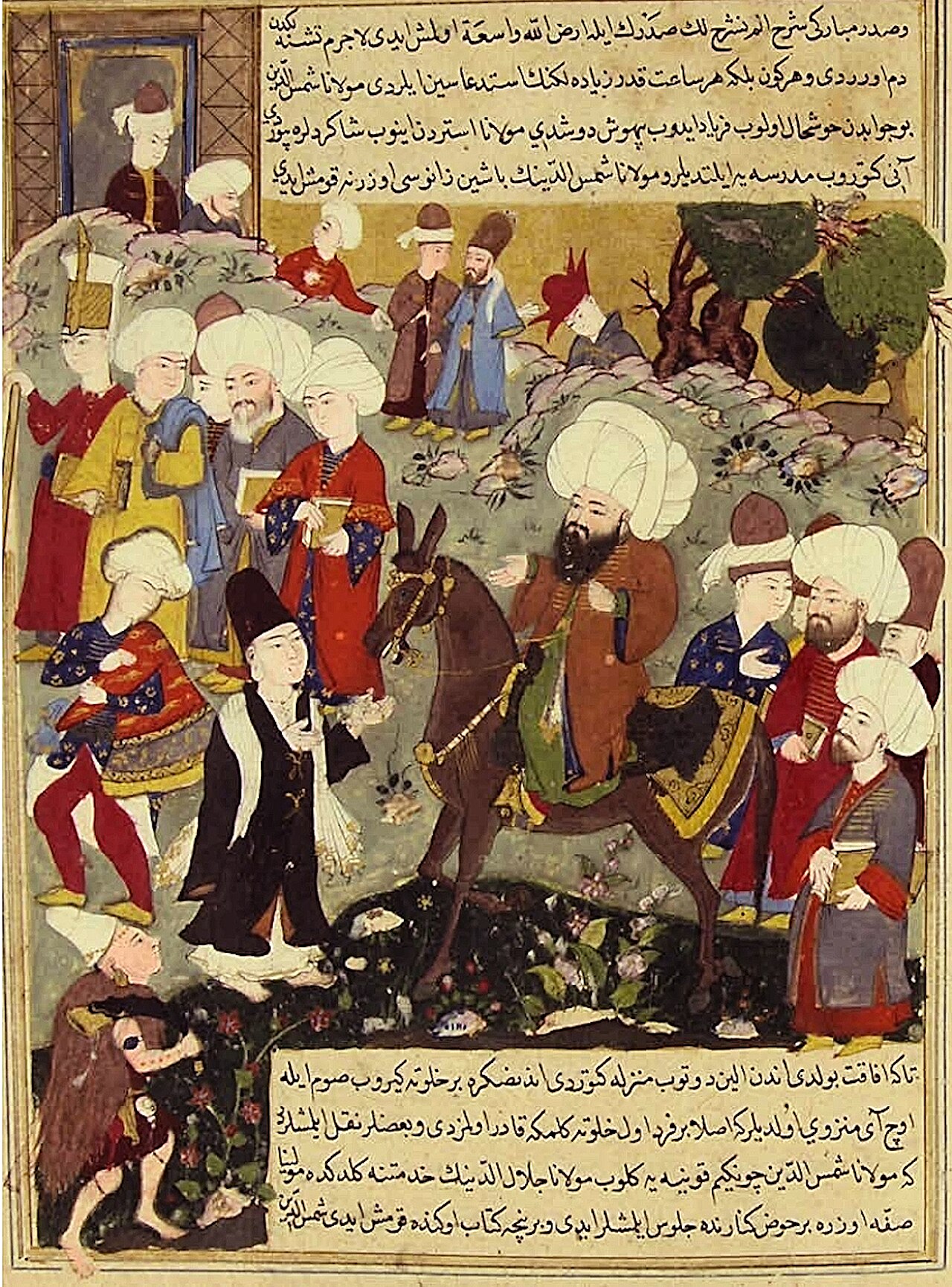
Rumi Meeting Shams-i Tabrizi
Unknown 16th-century Ottoman artist · 16th century
An Ottoman manuscript painting imagining the legendary first meeting between Rumi and the wandering mystic Shams-i Tabrizi.
Depicts the legendary meeting between Rumi and Shams-i Tabrizi, the event Sufi tradition credits with awakening his poetry.
About this source
What it is
This is a manuscript painting from the Cāmiʿü's-siyer of Muhammed Tahir, made by a 16th-century Ottoman artist. It shows a bearded man in a white turban riding a donkey, approached by a figure in a black cloak, with other turbaned men nearby. It is kept in the Topkapı Palace Museum Library in Istanbul.
Why it matters
The painting imagines the meeting between the poet Jalal al-Din Rumi and the mystic Shams-i Tabrizi, an encounter later Sufi tradition saw as the turning point that transformed Rumi into a poet of mystical love. Made centuries after Rumi's life, it shows how Ottoman court artists pictured a story they had only heard or read, not witnessed.
Look closer
- Which figure do you think is meant to be Rumi, and which is Shams? What details tell you?
- Why might an artist centuries later choose to paint this particular meeting?
- What has the artist added from imagination rather than fact?
This painting is part of the curated material that grounds the AI version of Rumi (Jalāl ad-Dīn Muhammad Rūmī) on Humy.ai — when students ask about related events, the AI can quote it and cite it.
More Rumi (Jalāl ad-Dīn Muhammad Rūmī) sources
Meet the AI Rumi (Jalāl ad-Dīn Muhammad Rūmī) →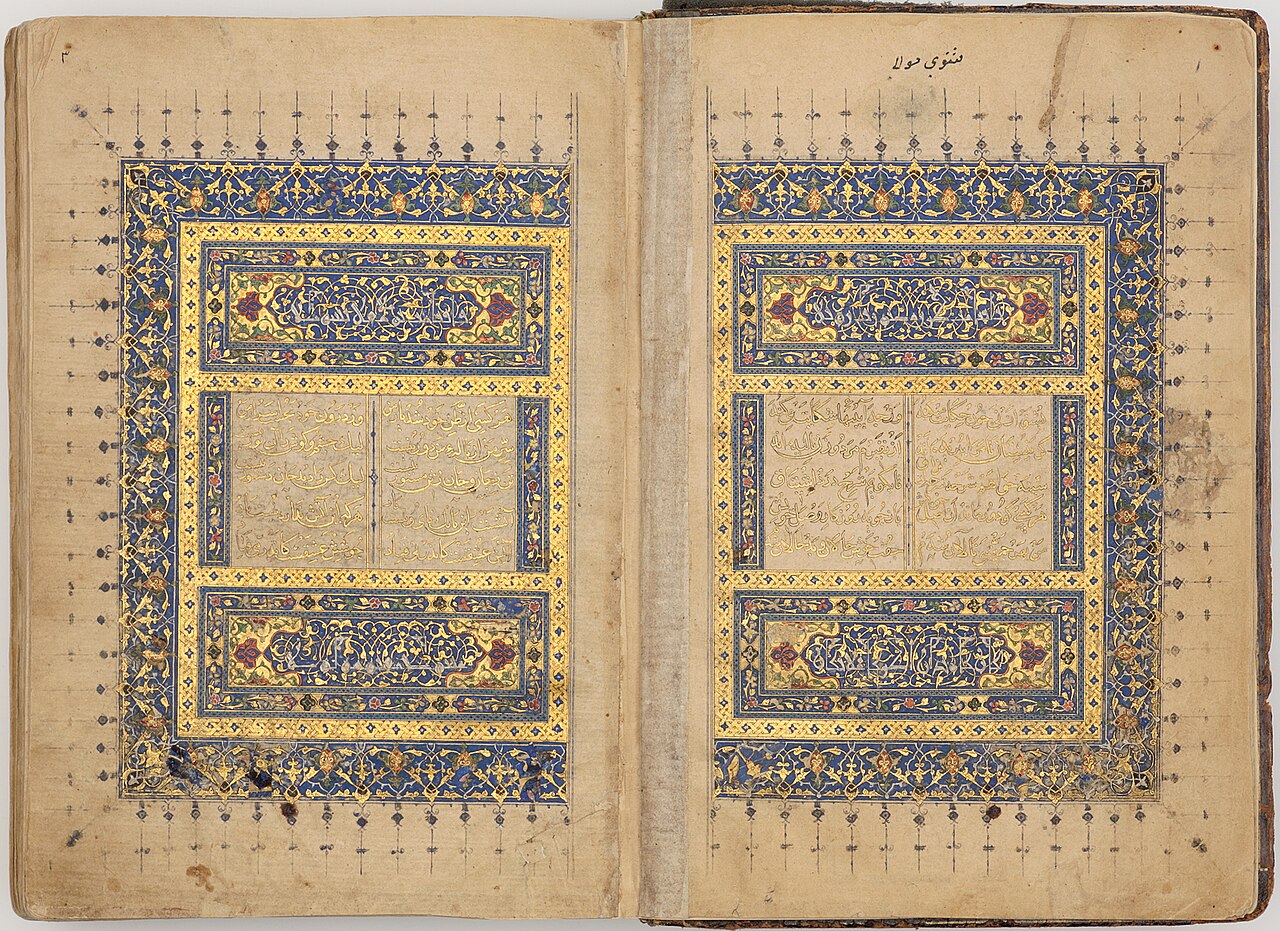 Book
Primary source
Masnavi
Rumi · c. 1258-1273
 Book
Primary source
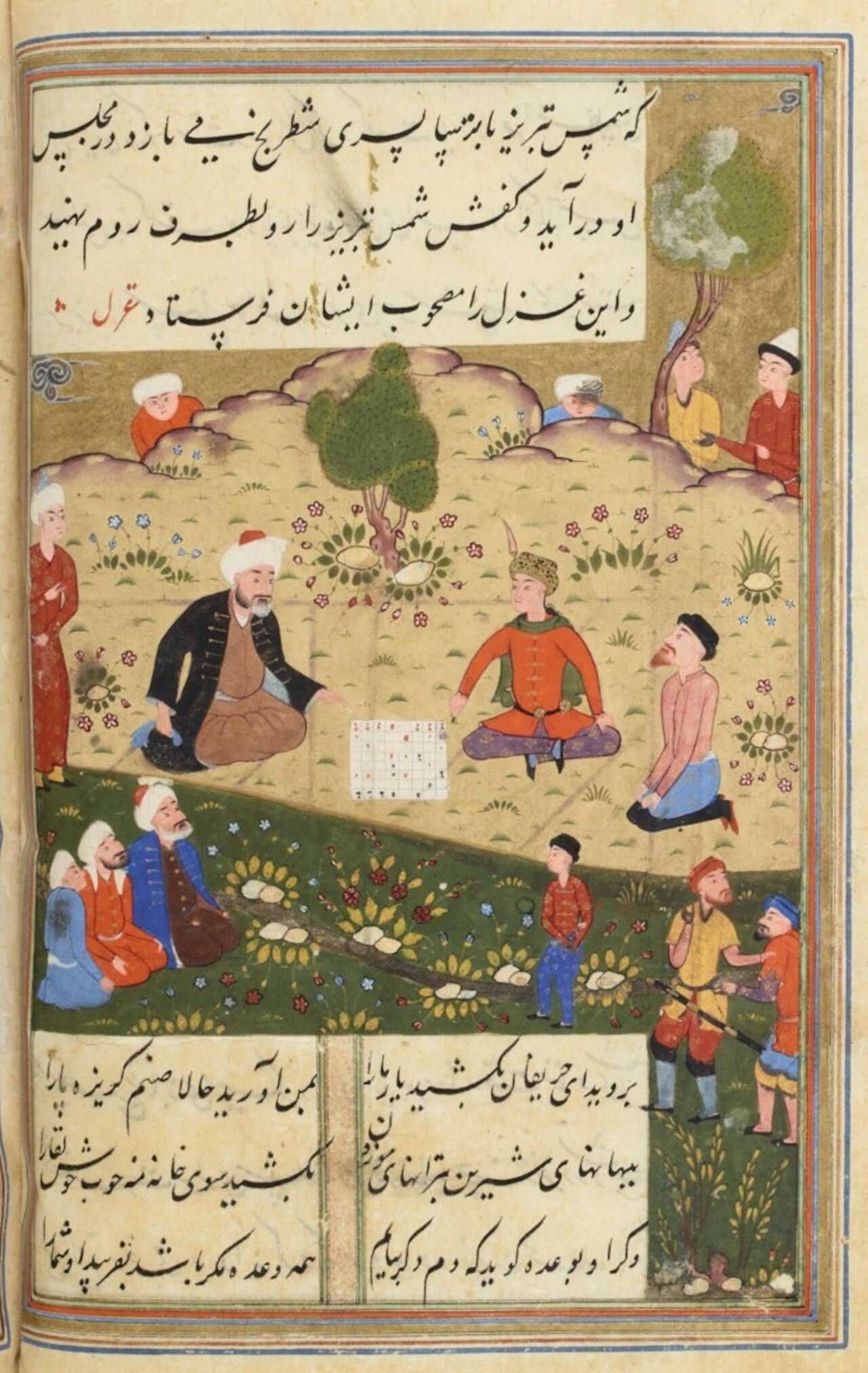
Diwan-e Shams-e Tabrizi
Rumi · c. 1247 onward
 Artifact
Secondary source
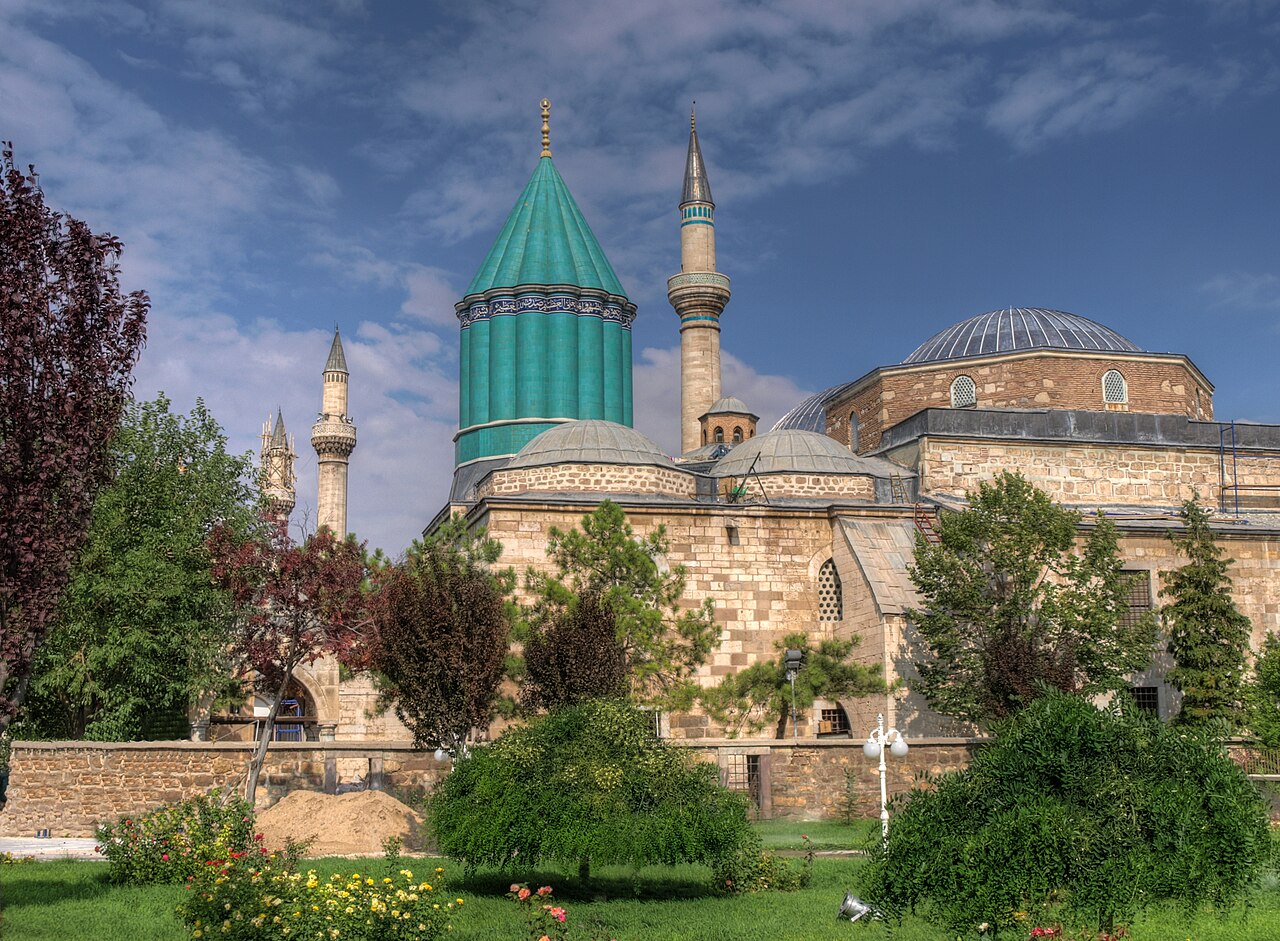
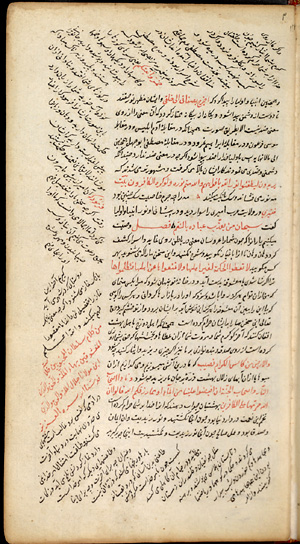
Grave of Rumi
soon after 1273
 Book
Primary source
Fihi Ma Fihi
Rumi · c. 1260-1273
 Artifact
Secondary source
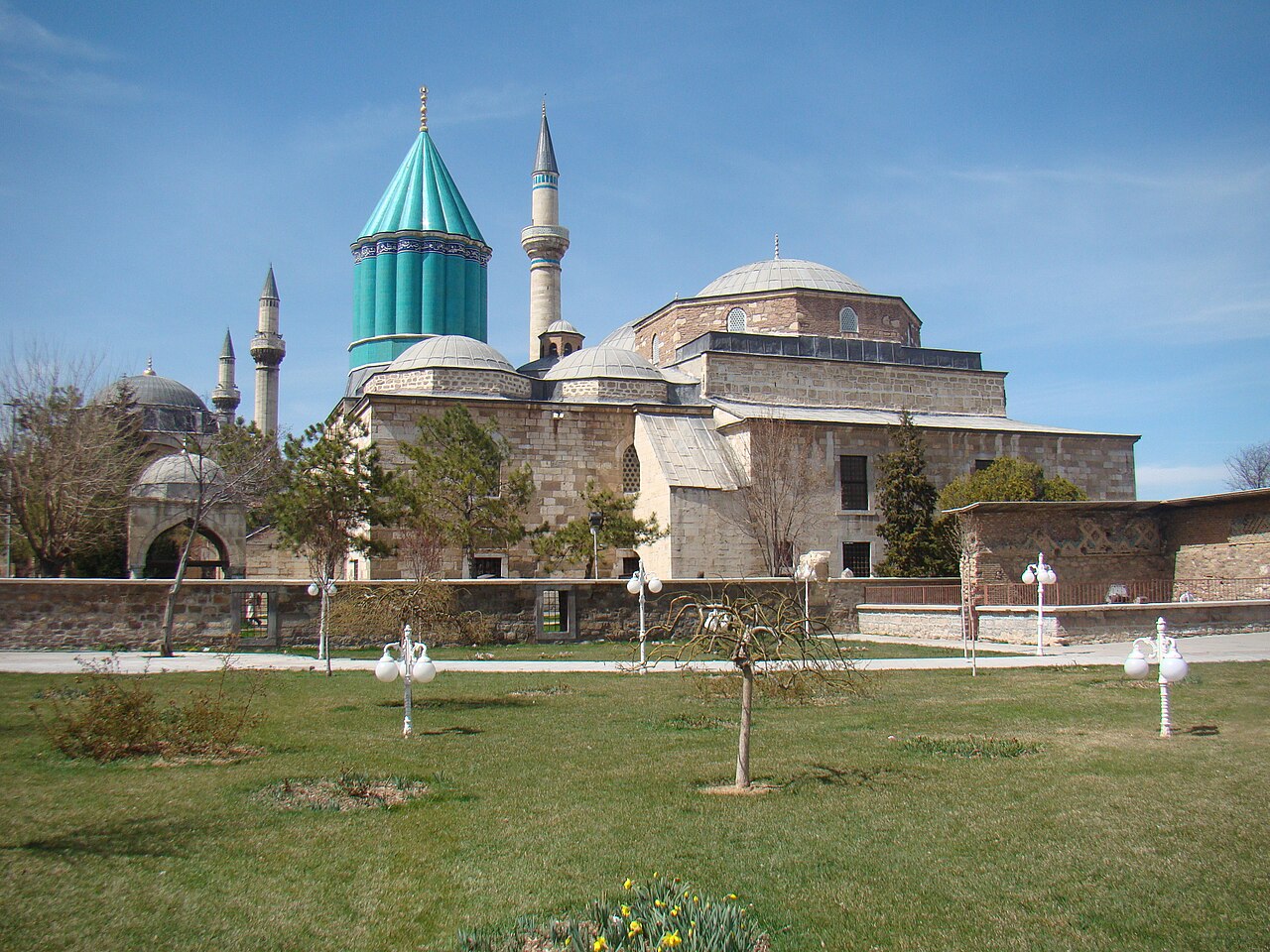
Mevlâna Museum
Badr al-Din Tabrizi (architect) · built soon after 1273; museum since 1926
Ready when you are
Start chatting with Rumi (Jalāl ad-Dīn Muhammad Rūmī) now.
20 messages free · No credit card · Available in 50+ languages.