


Secondary sourceArtifact
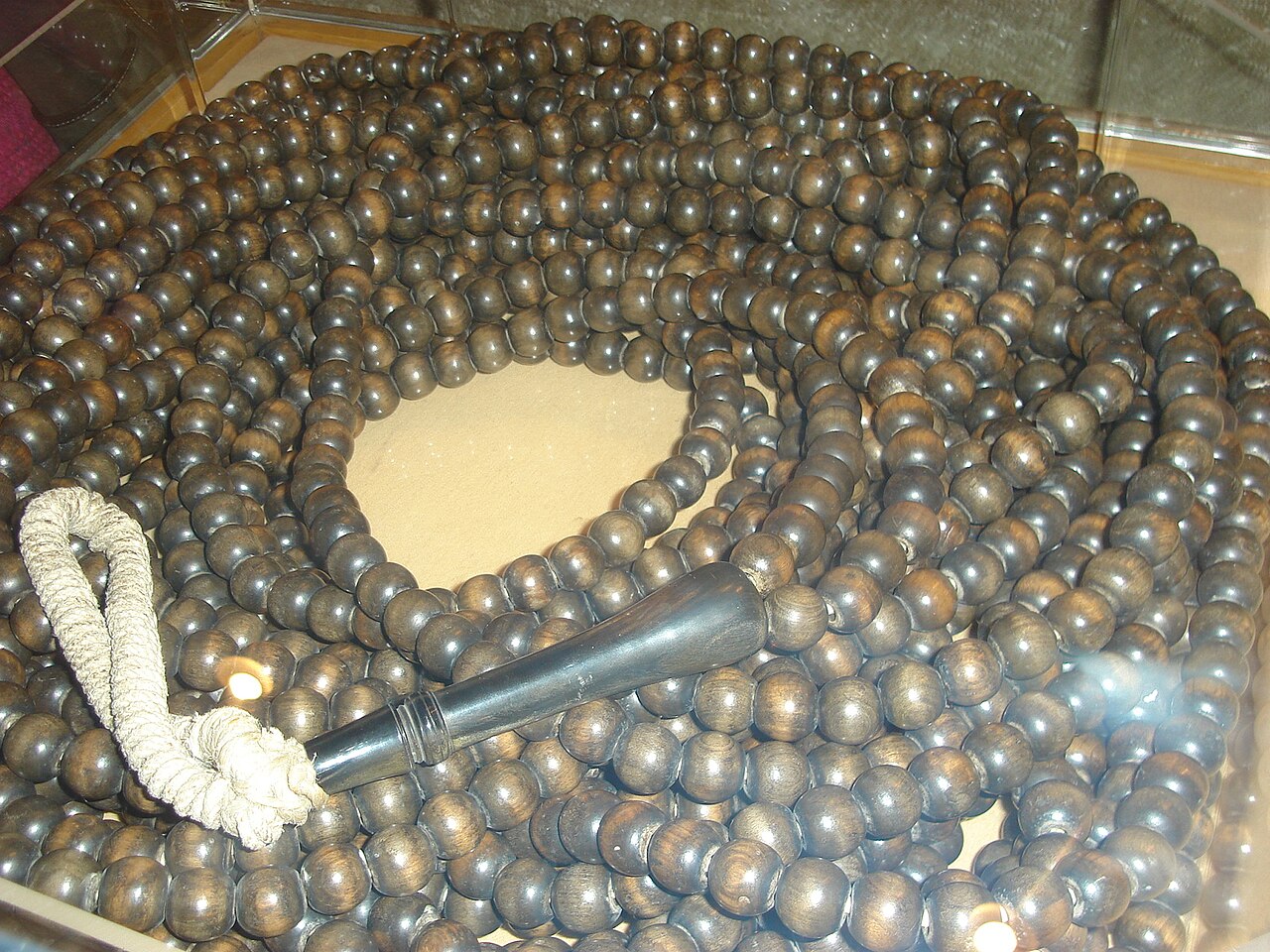
Rumi's Tasbeeh
Prayer beads displayed in the Mevlâna Museum in Konya as belonging to Rumi, a personal object of his Sufi devotional practice.
Displayed at the Mevlâna Museum as Rumi's own prayer beads, linking him to Sufi devotional practice.
About this source
What it is
This is a photograph of a long string of dark wooden prayer beads, with a tasselled cord and tapered handle, shown in a glass case at the Mevlâna Museum in Konya, the shrine built around Rumi's tomb. The museum identifies these beads as having belonged to Rumi himself.
Why it matters
Prayer beads, or tasbeeh, are used in Islamic devotional practice to count recitations. As an object connected to Rumi's personal religious life, it reflects his identity as a Sufi teacher whose daily practice combined with his poetry to shape the Mevlevi order that grew around him after his death.
Look closer
- What does displaying an everyday object like this in a museum tell us about how Rumi is remembered?
- How might we know, or not know, that these beads truly belonged to Rumi?
- Why do religious shrines often preserve personal objects of their founders?
This artifact is part of the curated material that grounds the AI version of Rumi (Jalāl ad-Dīn Muhammad Rūmī) on Humy.ai — when students ask about related events, the AI can quote it and cite it.
More Rumi (Jalāl ad-Dīn Muhammad Rūmī) sources
Meet the AI Rumi (Jalāl ad-Dīn Muhammad Rūmī) →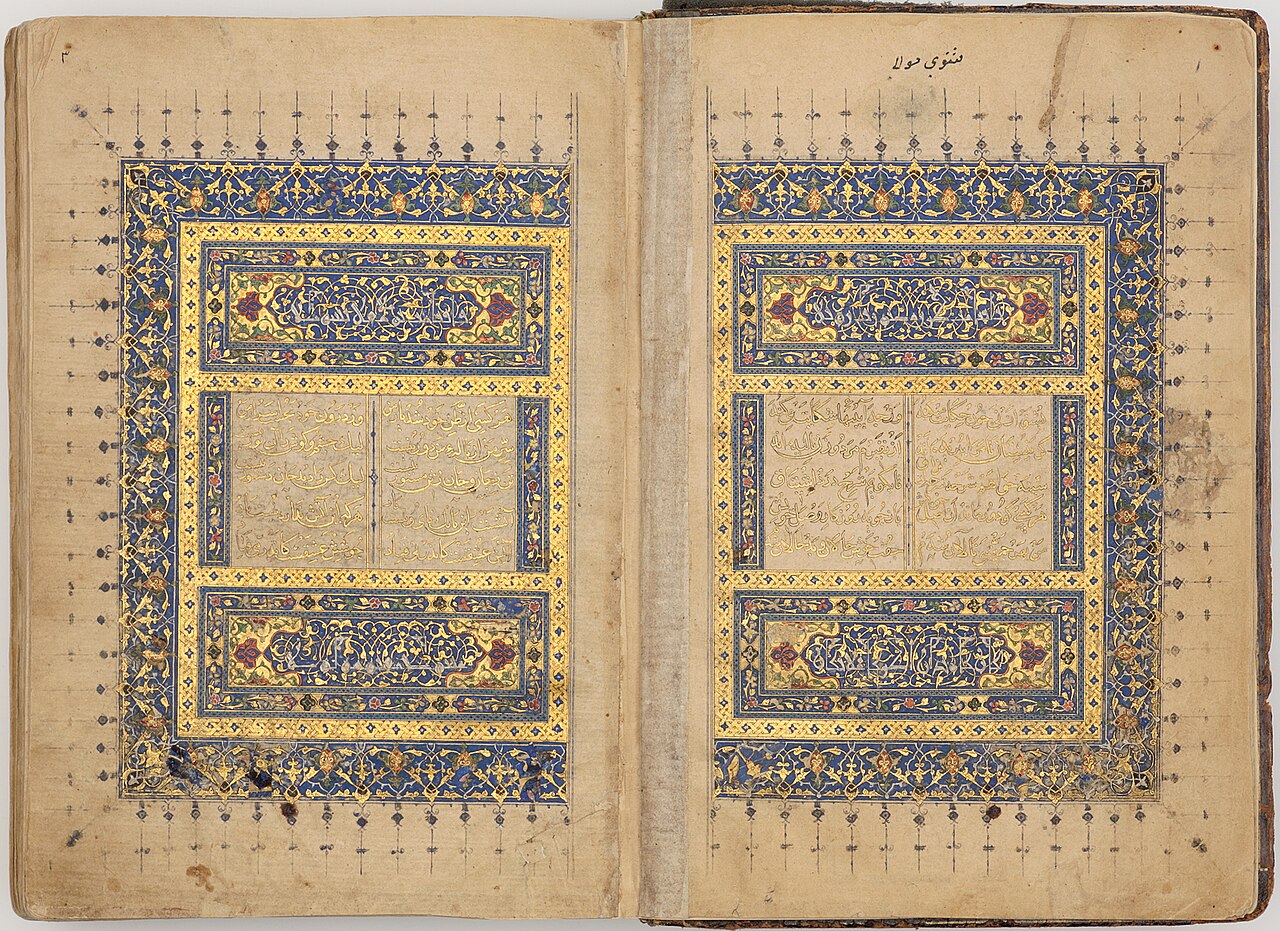 Book
Primary source
Masnavi
Rumi · c. 1258-1273
 Book
Primary source
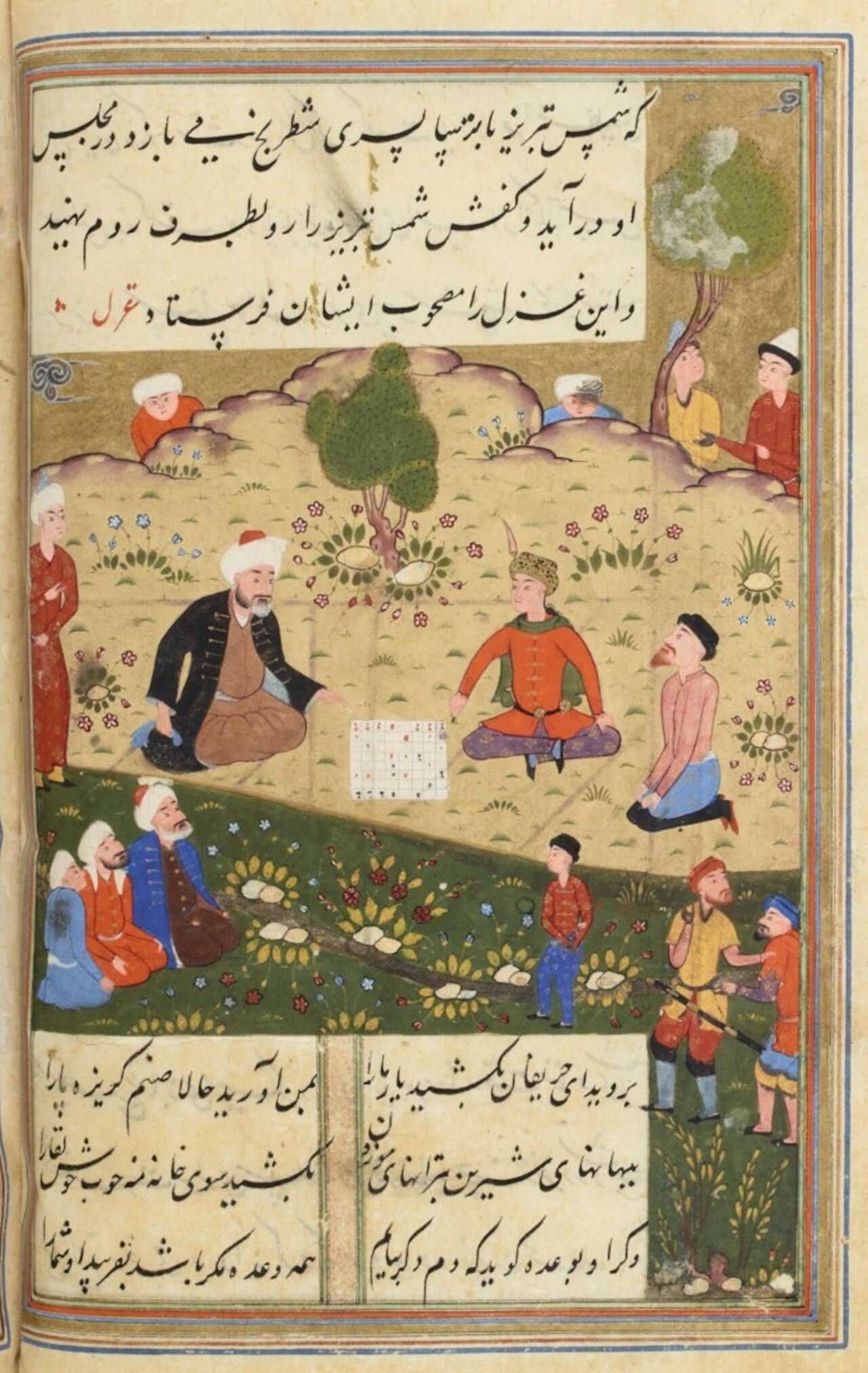
Diwan-e Shams-e Tabrizi
Rumi · c. 1247 onward
 Artifact
Secondary source
Grave of Rumi
soon after 1273
 Book
Primary source
Fihi Ma Fihi
Rumi · c. 1260-1273
 Artifact
Secondary source
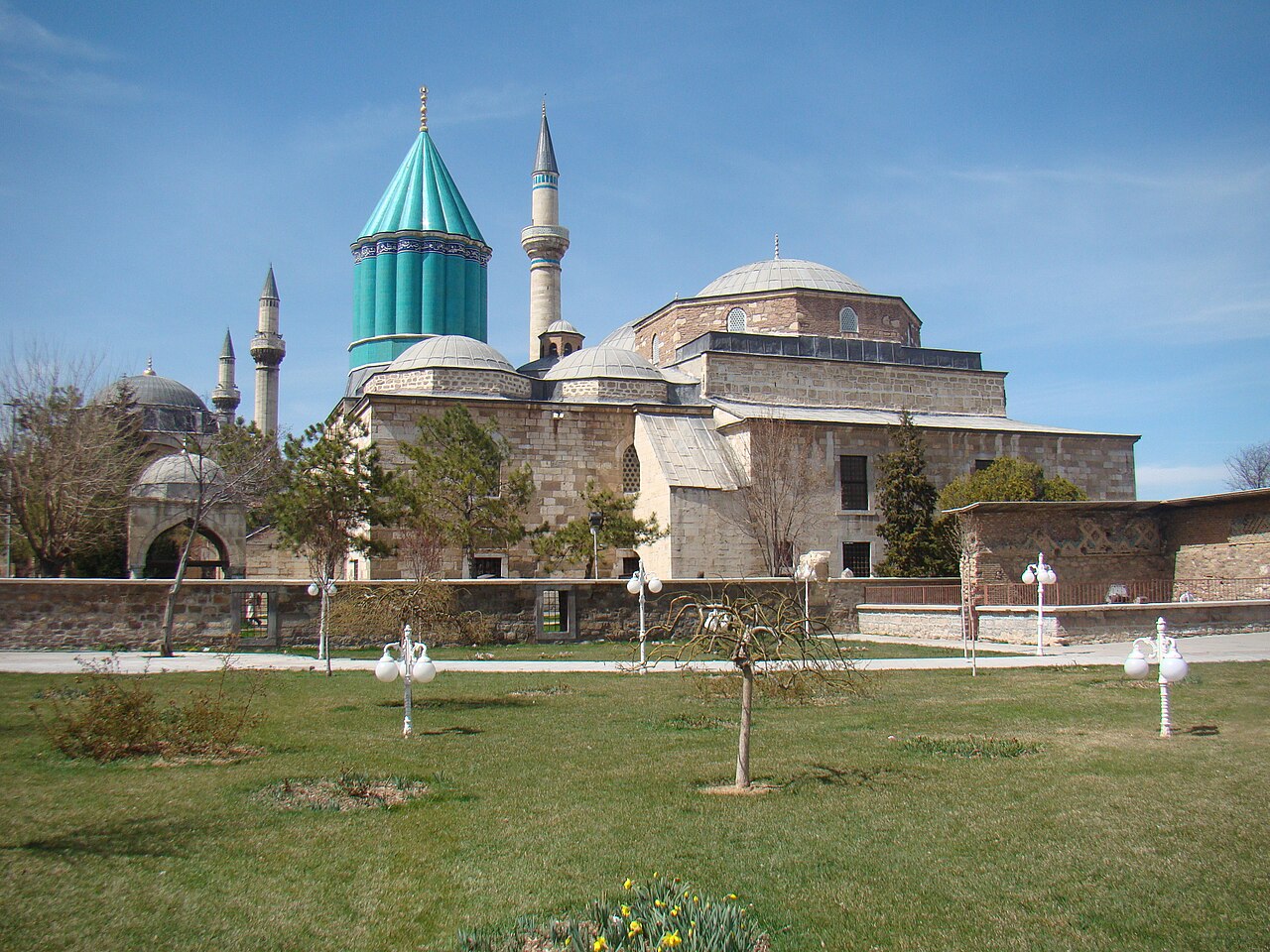
Mevlâna Museum
Badr al-Din Tabrizi (architect) · built soon after 1273; museum since 1926
Ready when you are
Start chatting with Rumi (Jalāl ad-Dīn Muhammad Rūmī) now.
20 messages free · No credit card · Available in 50+ languages.