


Primary sourcePaintingc. 1620
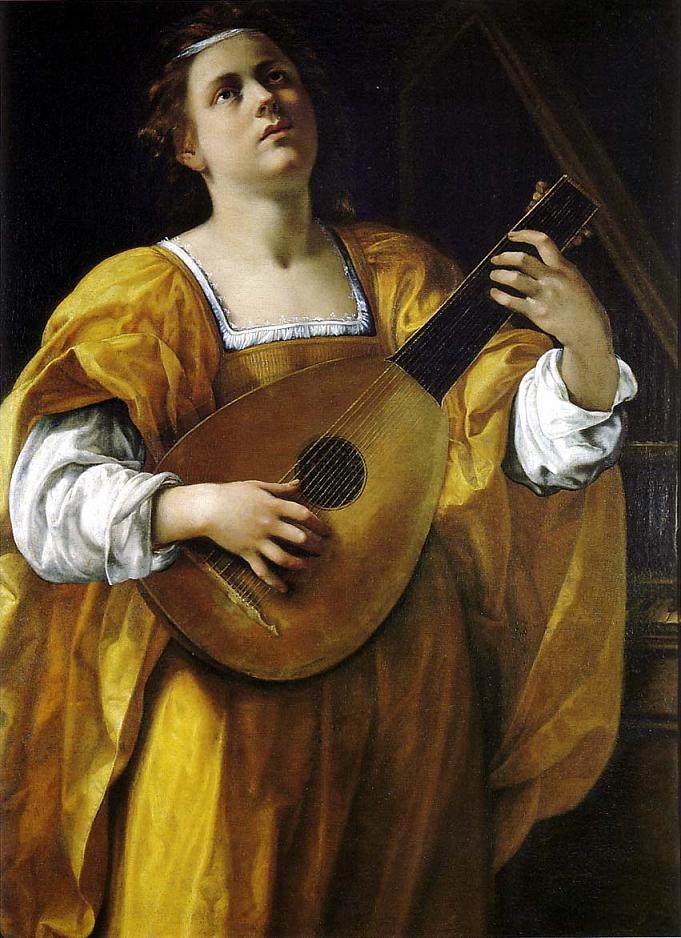
Saint Cecilia
Artemisia Gentileschi · c. 1620
An early c.1620 painting by Artemisia Gentileschi showing Saint Cecilia as a lute player, long misattributed to other artists.
An early work connecting Gentileschi's depiction of musical female saints to her own self-presentation as a musician.
About this source
What it is
Painted around 1620 by Artemisia Gentileschi, this work shows a woman in a yellow gown playing a lute, later confirmed through cleaning to be Saint Cecilia, an early Christian martyr associated with music. It is held in the Galleria Spada in Rome.
Why it matters
The painting passed through several owners and was long attributed to other artists, including Titian's school, Caravaggio, and Caroselli, before being recognized as Gentileschi's work in 1911. This history shows how women artists' paintings were frequently misattributed to men, and connects to Gentileschi's own self-presentation as a musician.
Look closer
- What details in the painting identify the subject as Saint Cecilia?
- Why might this painting have been attributed to several different male artists over the centuries?
- What does the long chain of ownership tell you about how artworks are valued and re-valued over time?
This painting is part of the curated material that grounds the AI version of Artemisia Gentileschi on Humy.ai — when students ask about related events, the AI can quote it and cite it.
More Artemisia Gentileschi sources
Meet the AI Artemisia Gentileschi →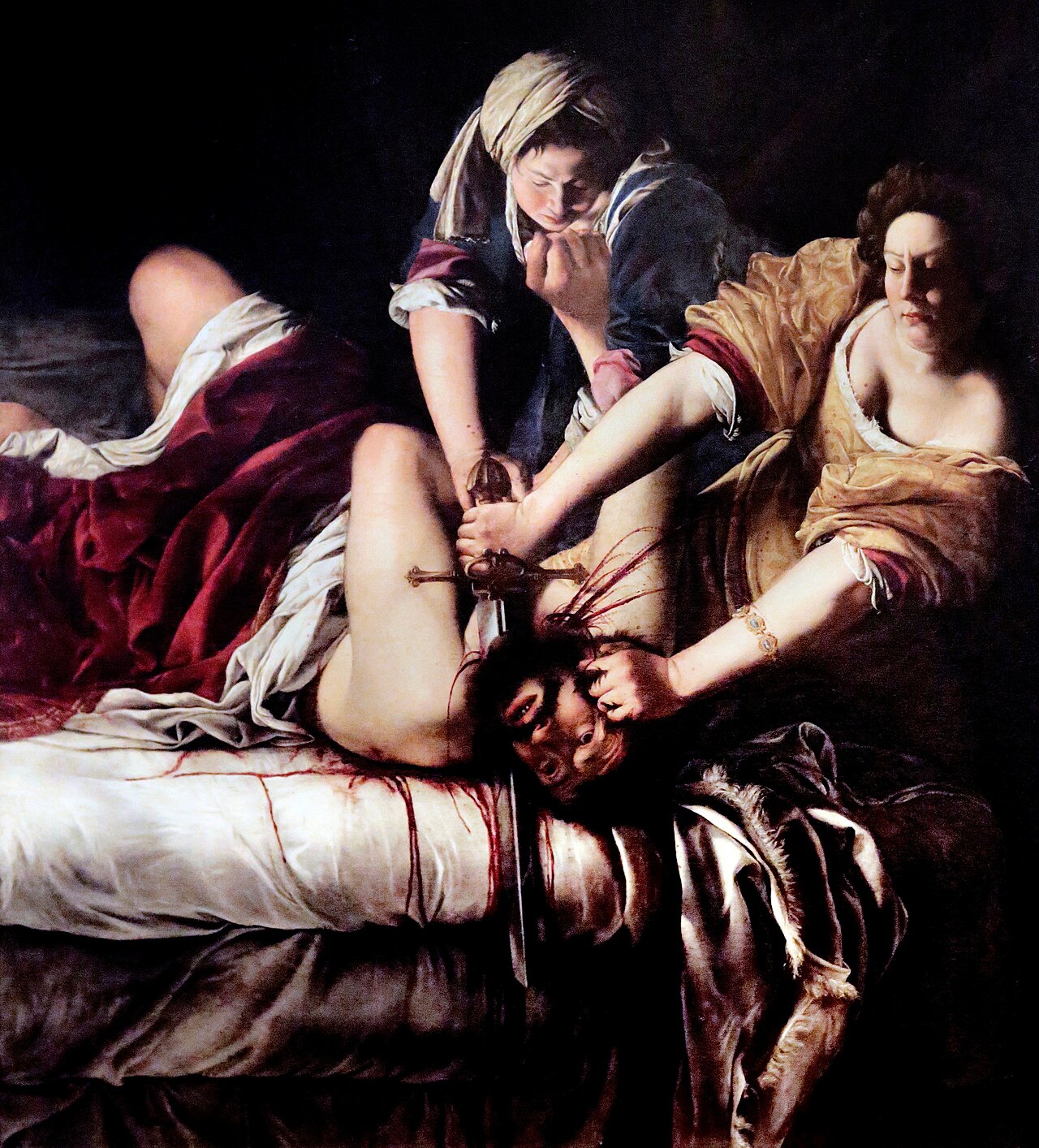 Painting
Primary source
Judith Beheading Holofernes
Artemisia Gentileschi · c. 1620
 Painting
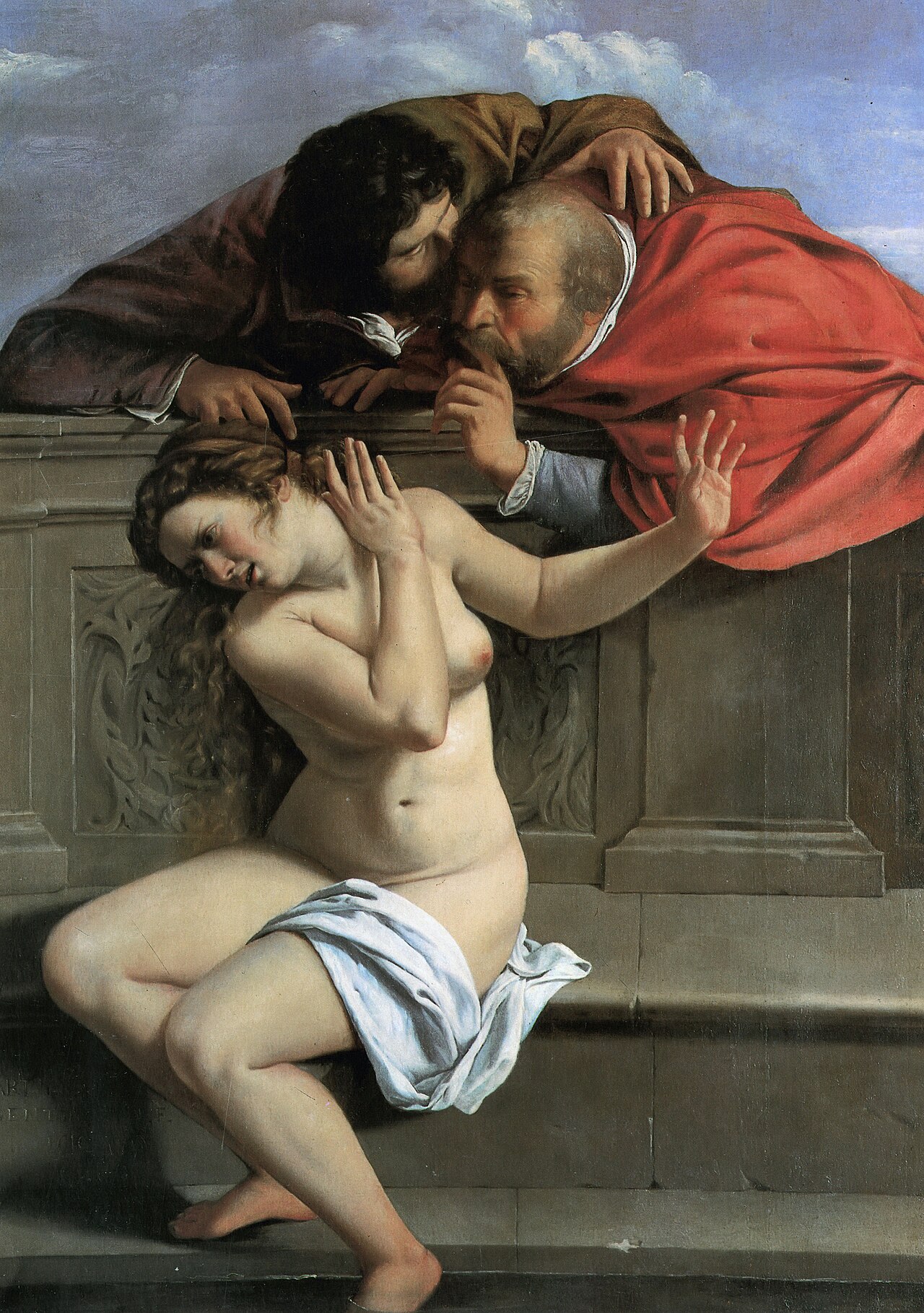
Primary source
Susanna and the Elders
Artemisia Gentileschi · 1610
 Painting
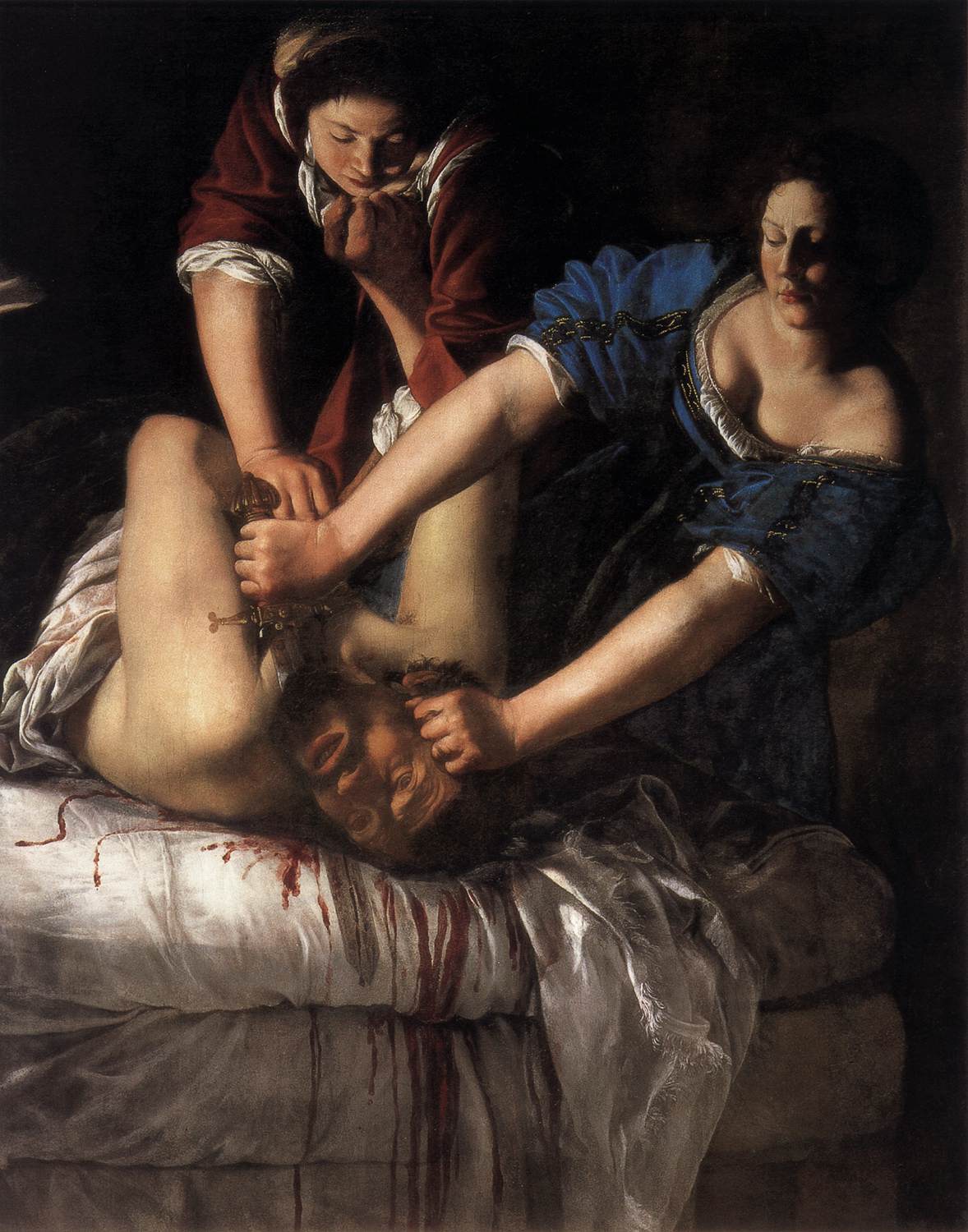
Primary source
Judith Slaying Holofernes
Artemisia Gentileschi · 1612-1613
 Painting
Primary source
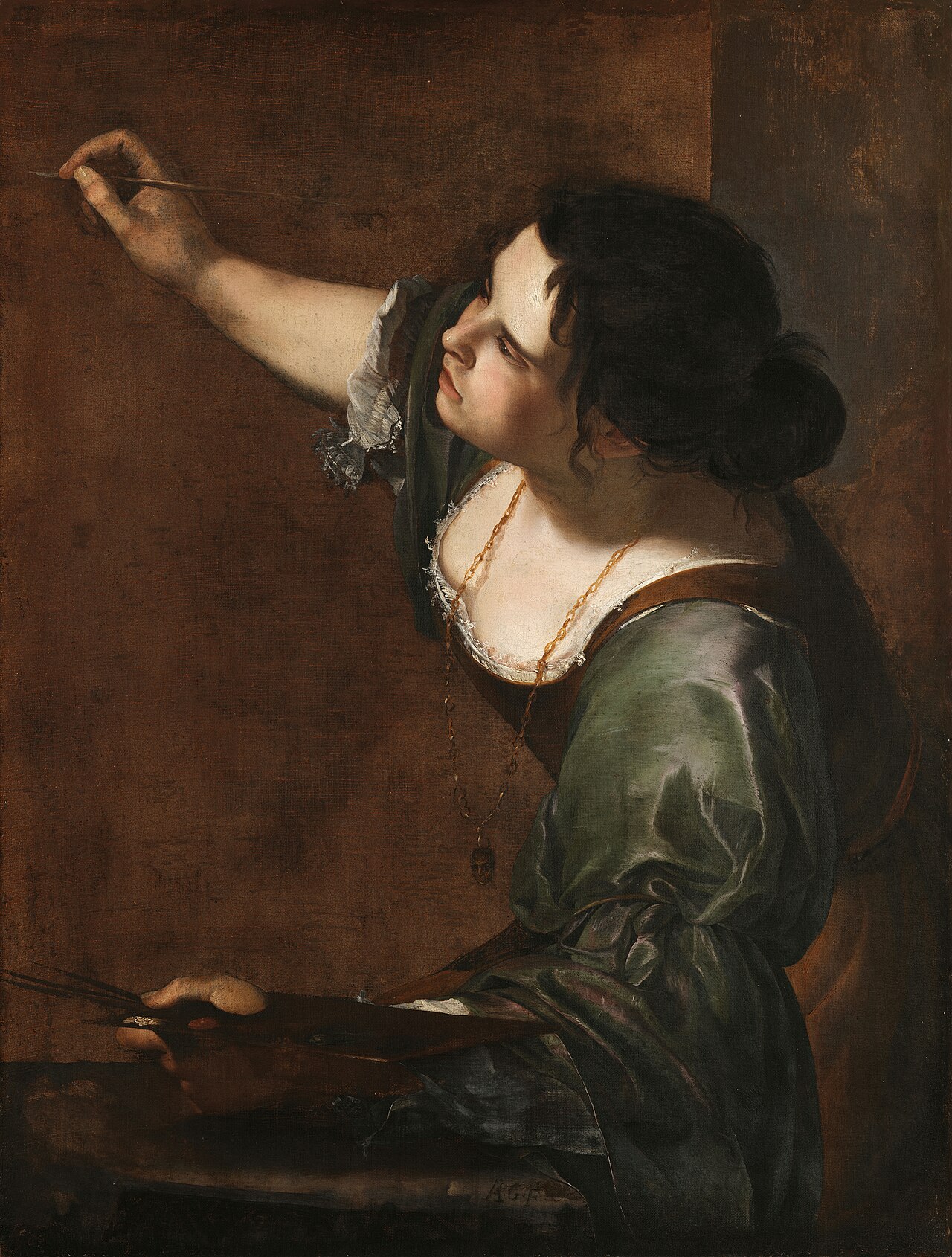
Self-Portrait as the Allegory of Painting
Artemisia Gentileschi · c. 1638-1639
 Painting
Primary source
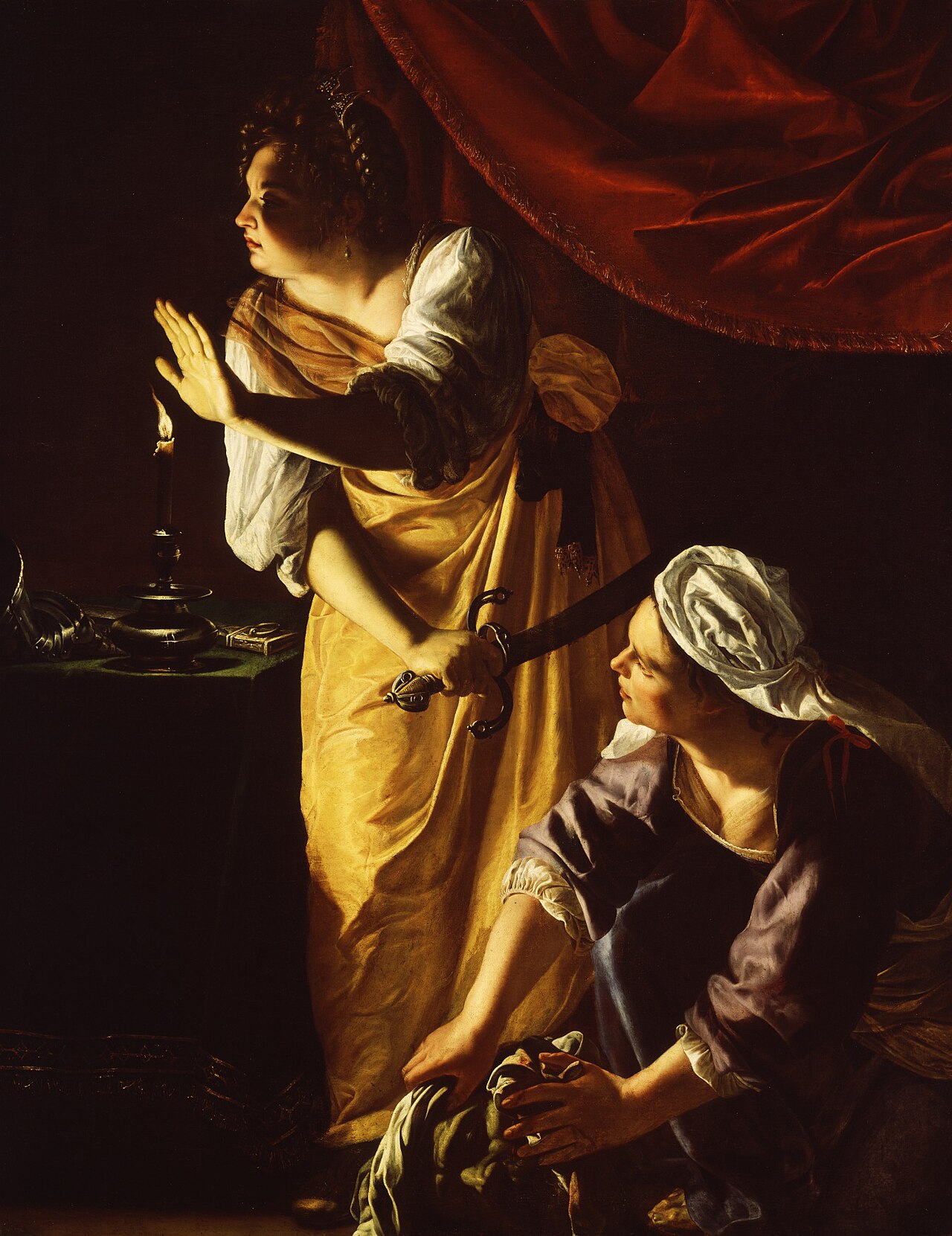
Judith and Maidservant with Head of Holofernes
Artemisia Gentileschi · c. 1623-1625
Ready when you are
Start chatting with Artemisia Gentileschi now.
20 messages free · No credit card · Available in 50+ languages.