


Secondary sourcePainting1800-1899
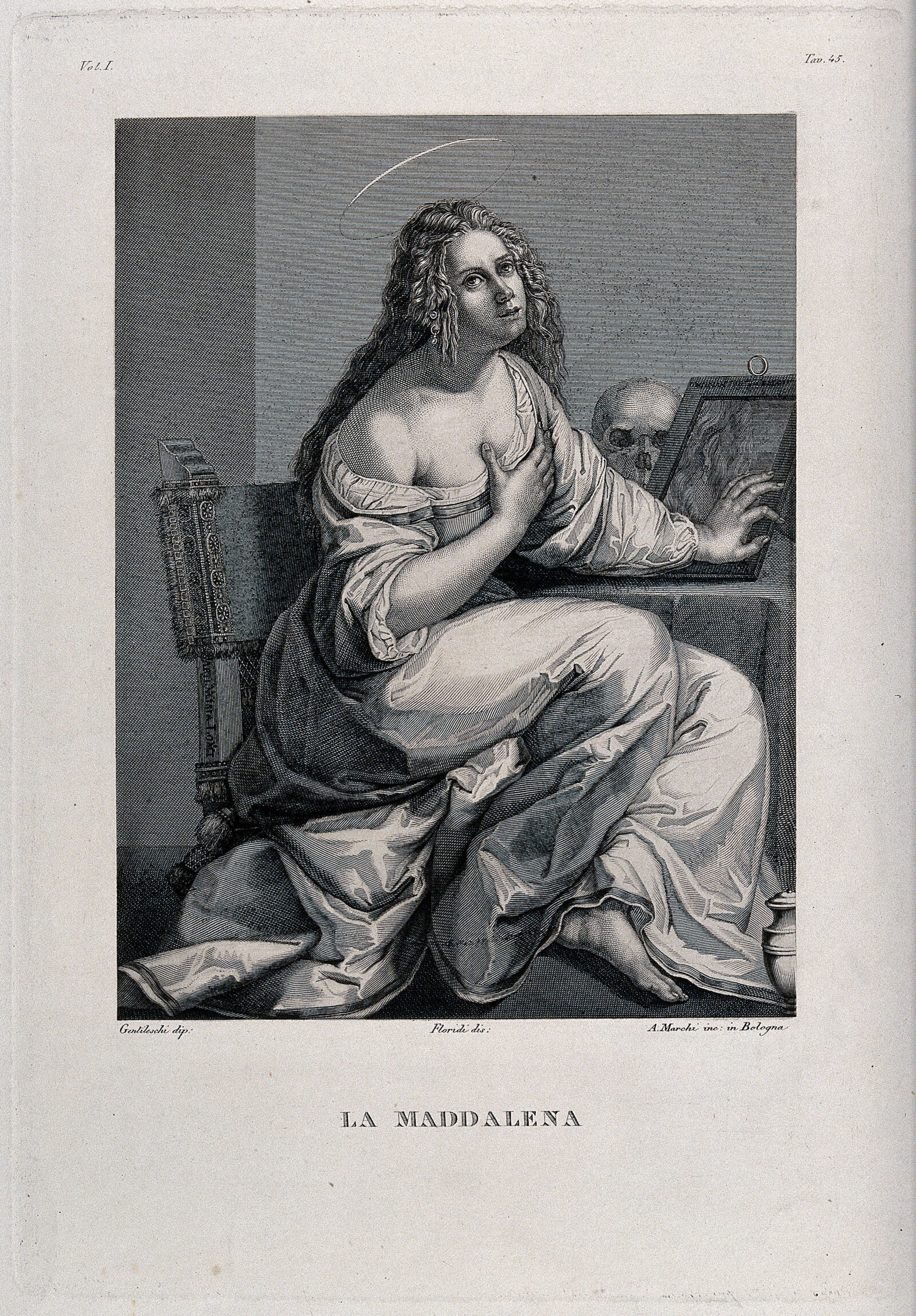
Saint Mary Magdalen
A. Marchi after F. Floridi after Artemisia Gentileschi · 1800-1899
A 19th-century engraving reproducing Gentileschi's painting of the penitent Mary Magdalene pushing away a mirror.
This later engraving copies a composition originally created by Gentileschi, showing her continuing artistic influence.
About this source
What it is
This is a 19th-century engraving made by A. Marchi, after a drawing by F. Floridi, which in turn reproduces a painting composition by Artemisia Gentileschi. It shows Mary Magdalene as a penitent, pushing away a mirror as a symbol of rejecting vanity. It is held by the Wellcome Collection in London.
Why it matters
This print shows how Gentileschi's paintings continued to be copied and circulated long after her death, spreading her compositions to new audiences through printmaking. It demonstrates her lasting influence on how this biblical figure was visually imagined.
Look closer
- How many steps separate this print from Gentileschi's original painting?
- What objects in the image symbolize penitence and mortality?
- Why might later artists choose to copy Gentileschi's compositions?
This painting is part of the curated material that grounds the AI version of Artemisia Gentileschi on Humy.ai — when students ask about related events, the AI can quote it and cite it.
More Artemisia Gentileschi sources
Meet the AI Artemisia Gentileschi →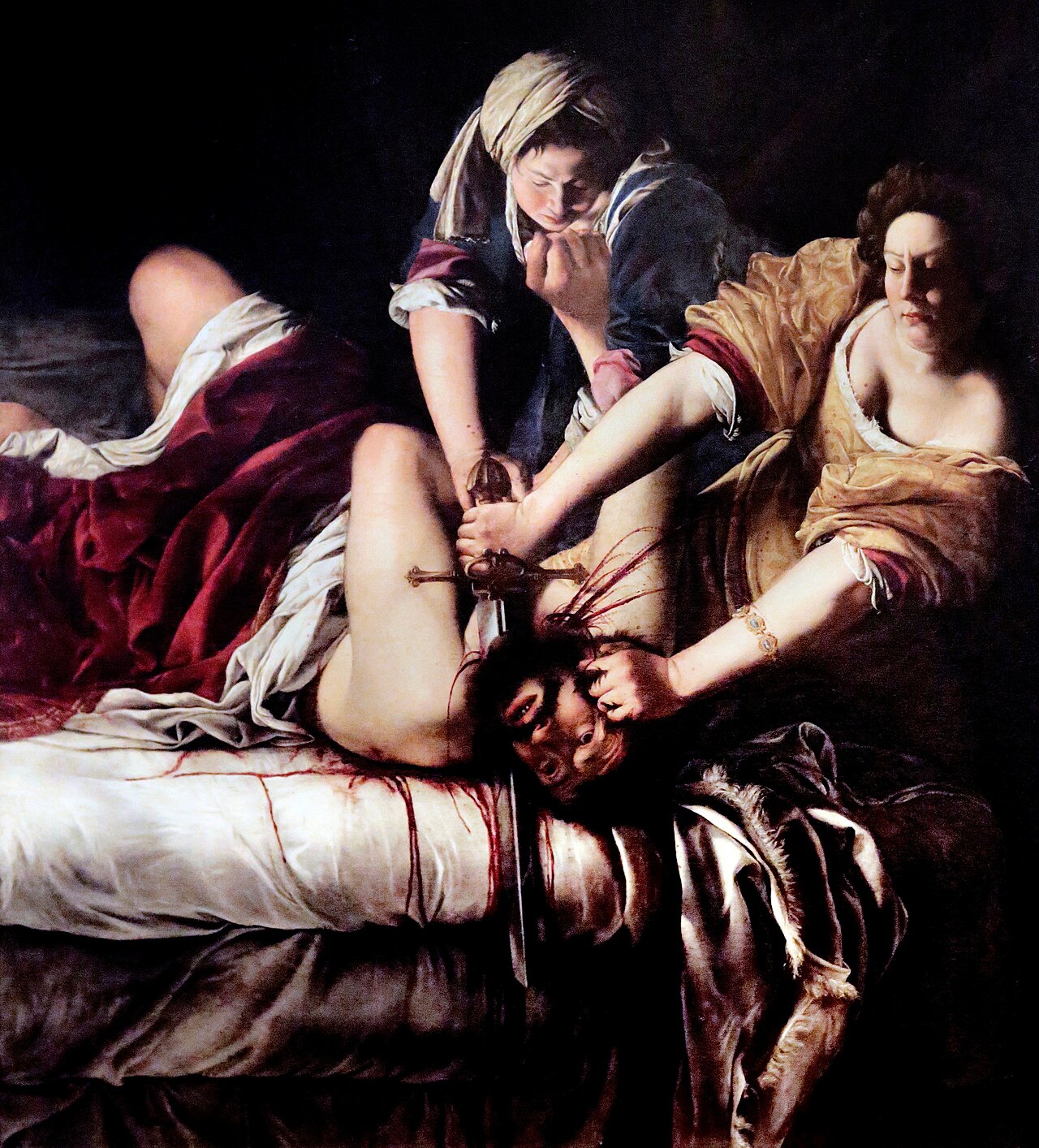 Painting
Primary source
Judith Beheading Holofernes
Artemisia Gentileschi · c. 1620
 Painting
Primary source
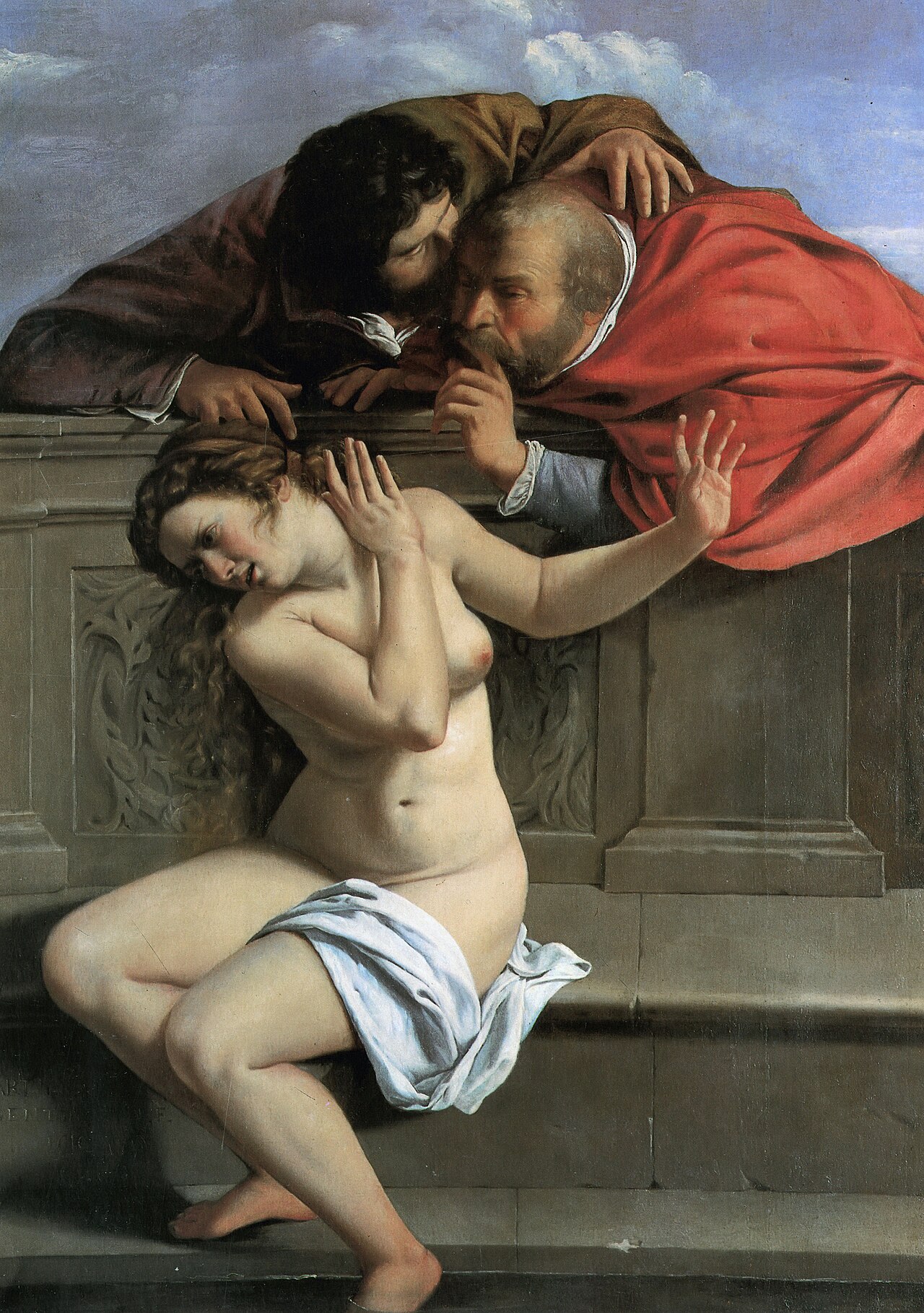
Susanna and the Elders
Artemisia Gentileschi · 1610
 Painting
Primary source
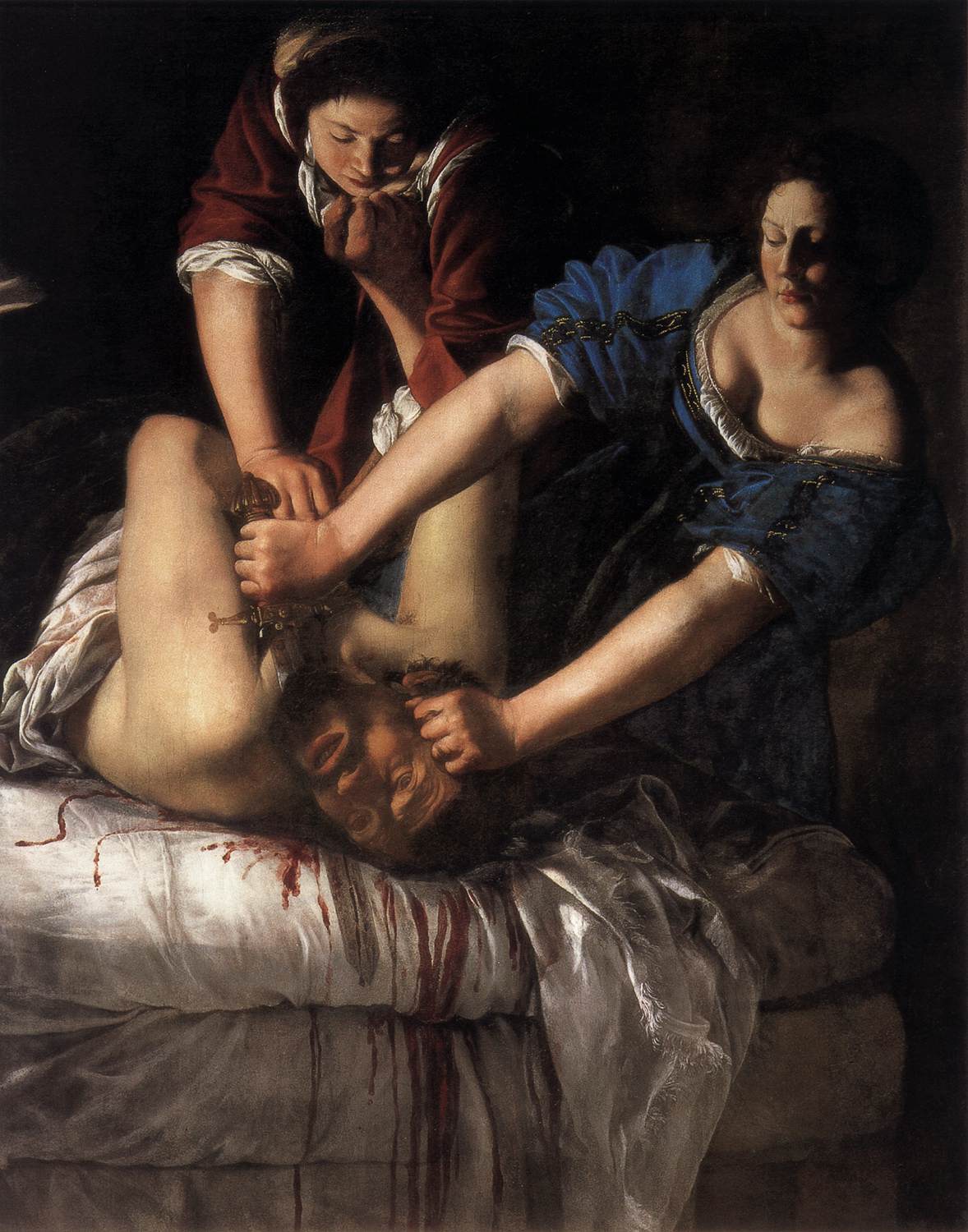
Judith Slaying Holofernes
Artemisia Gentileschi · 1612-1613
 Painting
Primary source
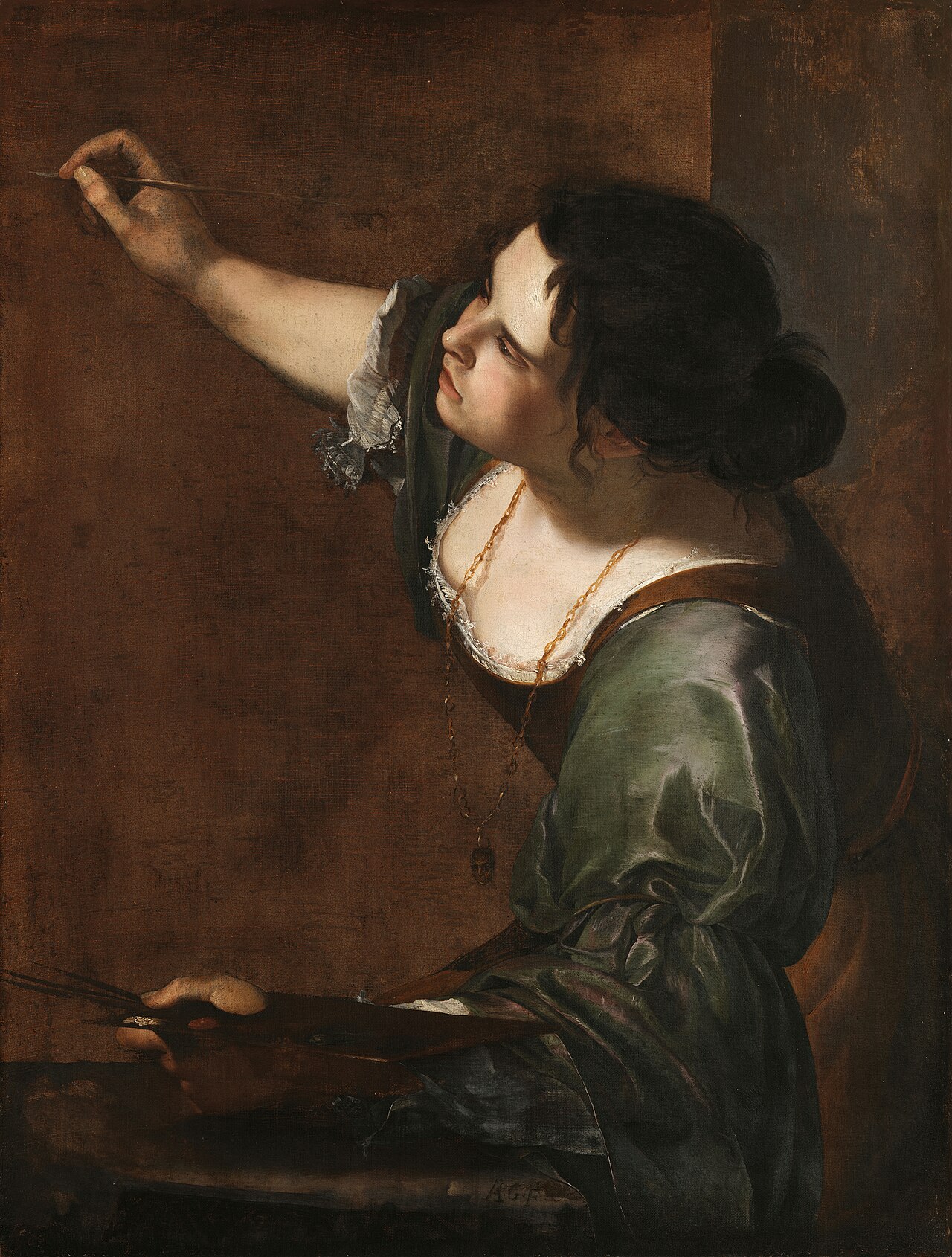
Self-Portrait as the Allegory of Painting
Artemisia Gentileschi · c. 1638-1639
 Painting
Primary source
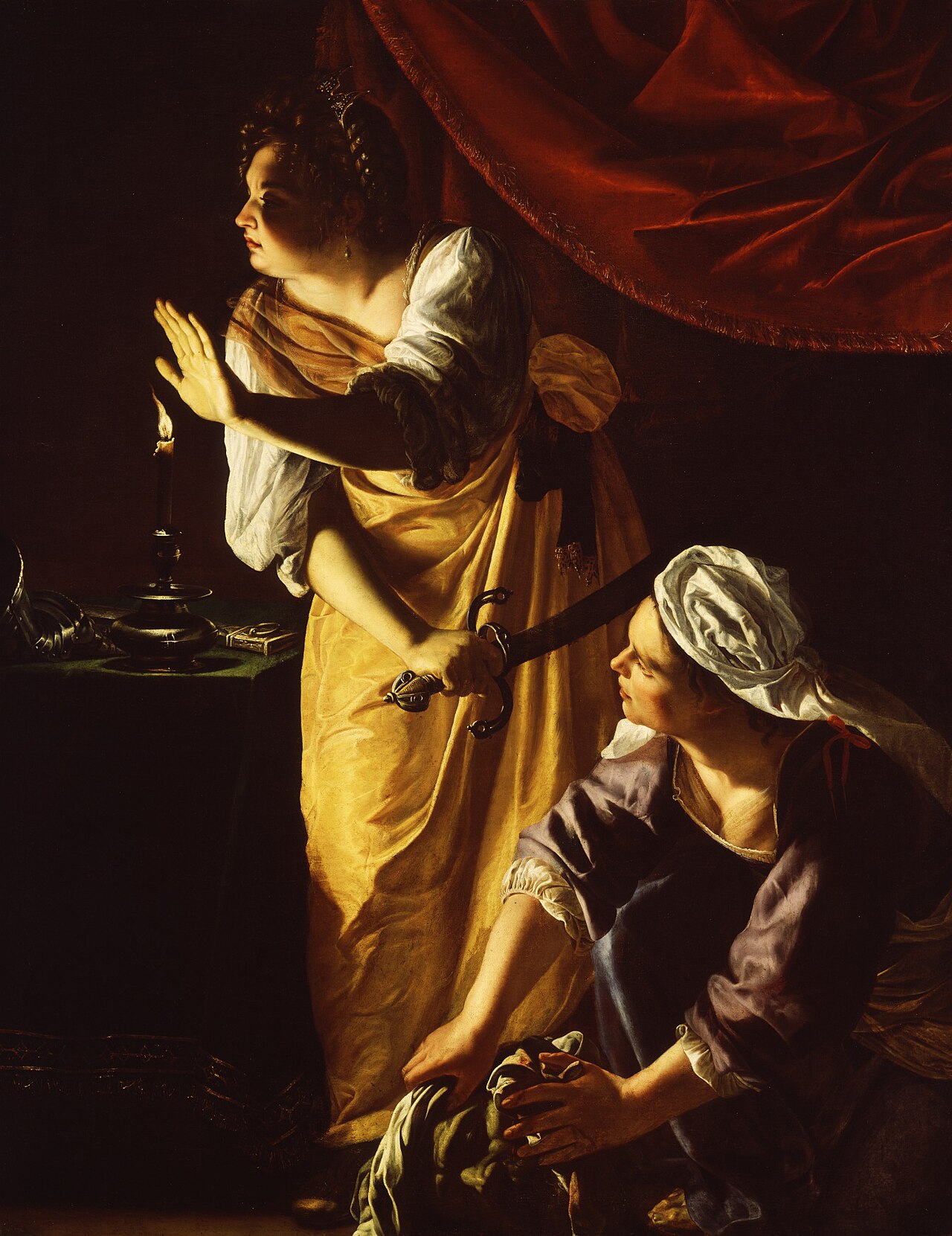
Judith and Maidservant with Head of Holofernes
Artemisia Gentileschi · c. 1623-1625
Ready when you are
Start chatting with Artemisia Gentileschi now.
20 messages free · No credit card · Available in 50+ languages.